
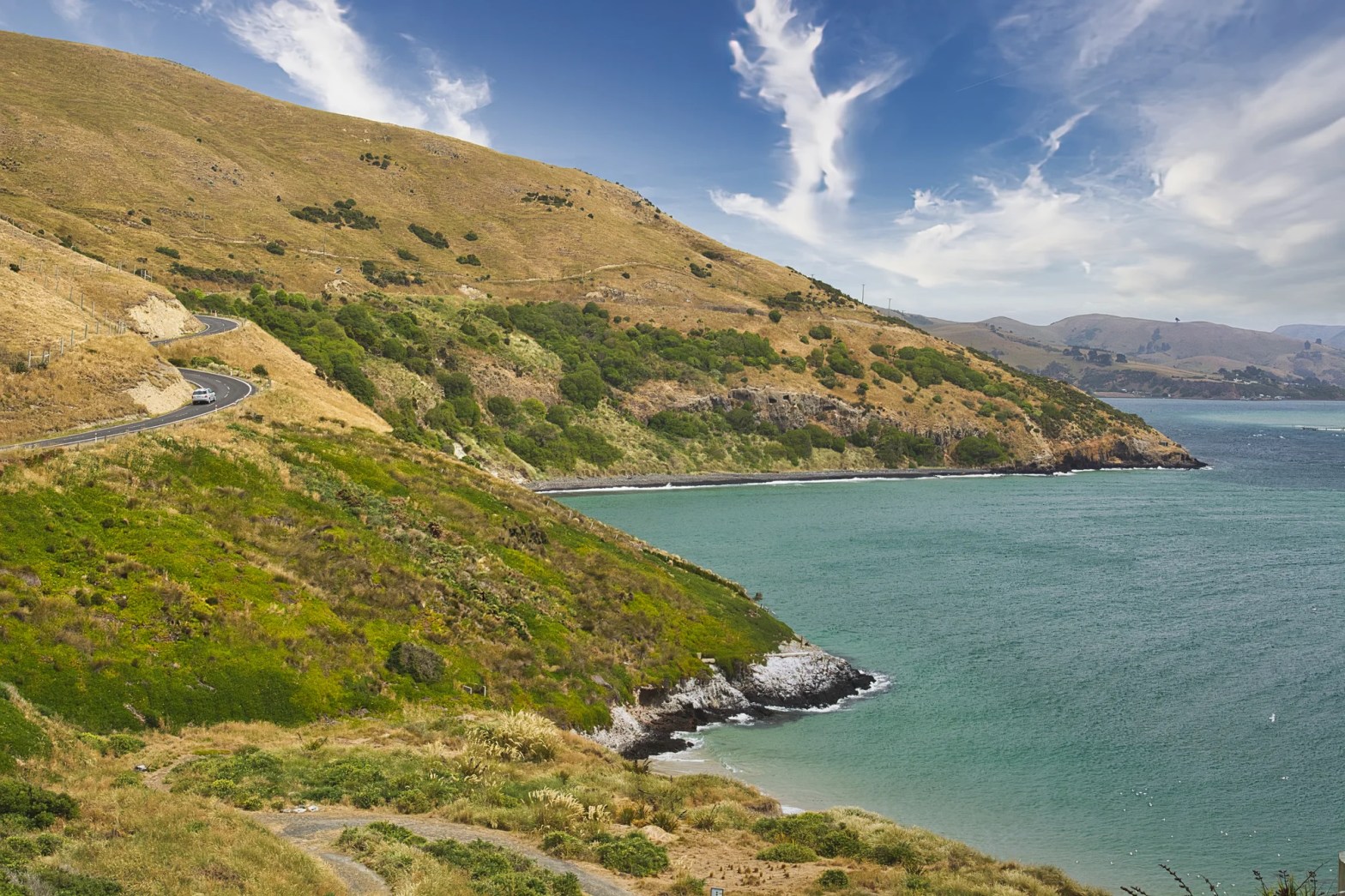
Don’t Miss these Hidden Gems
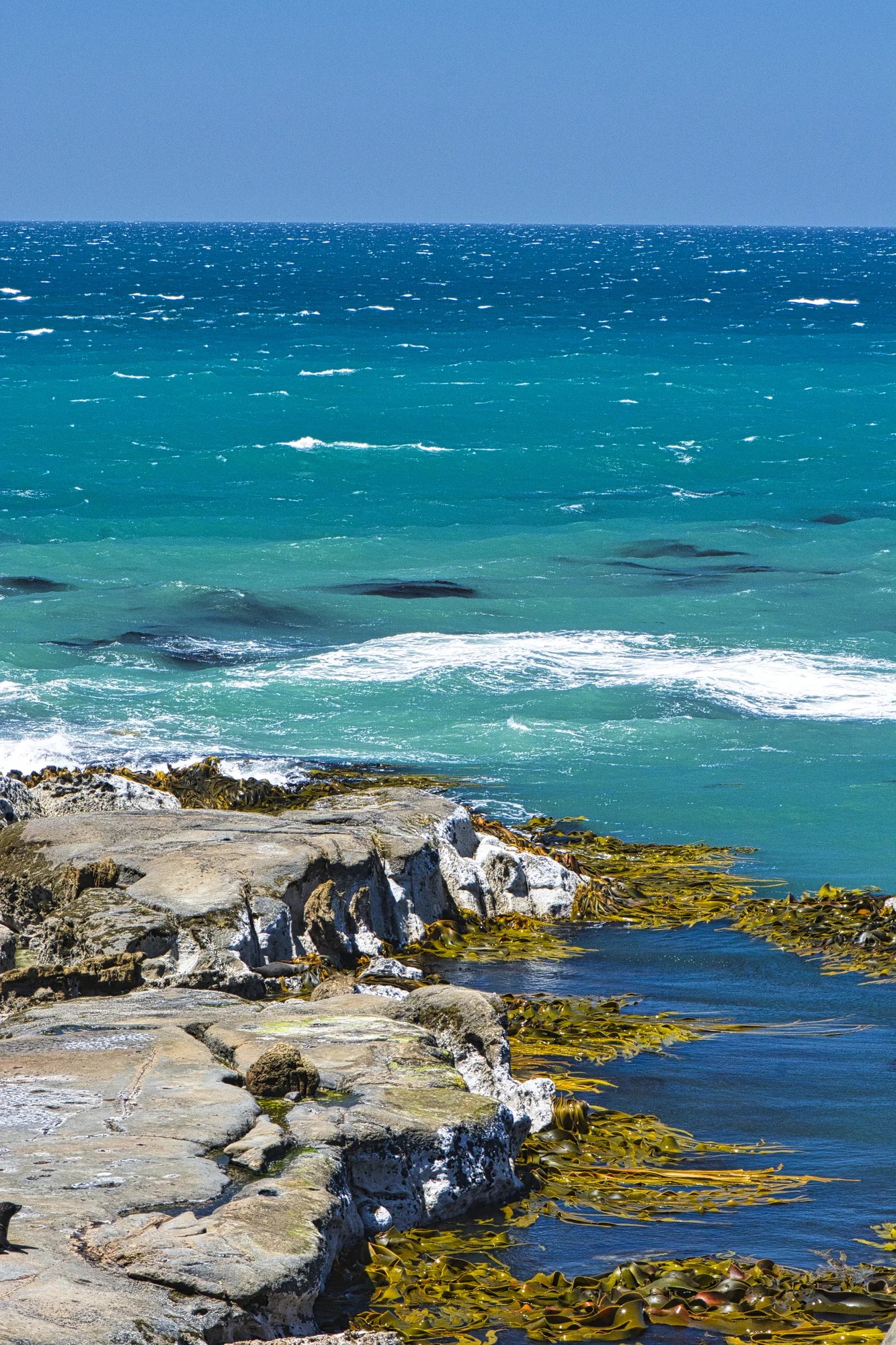
Do you want to travel somewhere different? Do you want to enjoy a more relaxed trip with less hassles about finding accommodation and visiting interesting sights? Dunedin and Oamaru are charming cities with two main themes — Victorian architecture and coastal scenery.
The Dunedin and Oamaru post is part one of an off-the-beaten-track travel route. More hidden gems can be found further south in part two, Cruising Catlins: Discover New Zealand’s Best-Kept Secret.
Author & Photographer: George Mitchell
Our recommendations are not influenced by affiliate links – we have none. Our itineraries, photos, and advice are based on spending six months in New Zealand over three trips. We are avid hikers, nature lovers and photographers. NZ is one of our favourite destinations.
All points of interest are shown on our NZ SI Otago-Catlins Map. Their names on this map and in this post are appended with their Google Maps Ratings from G0 to G5. Acronyms can be found in the Abbreviation section.
Victorian Architecture
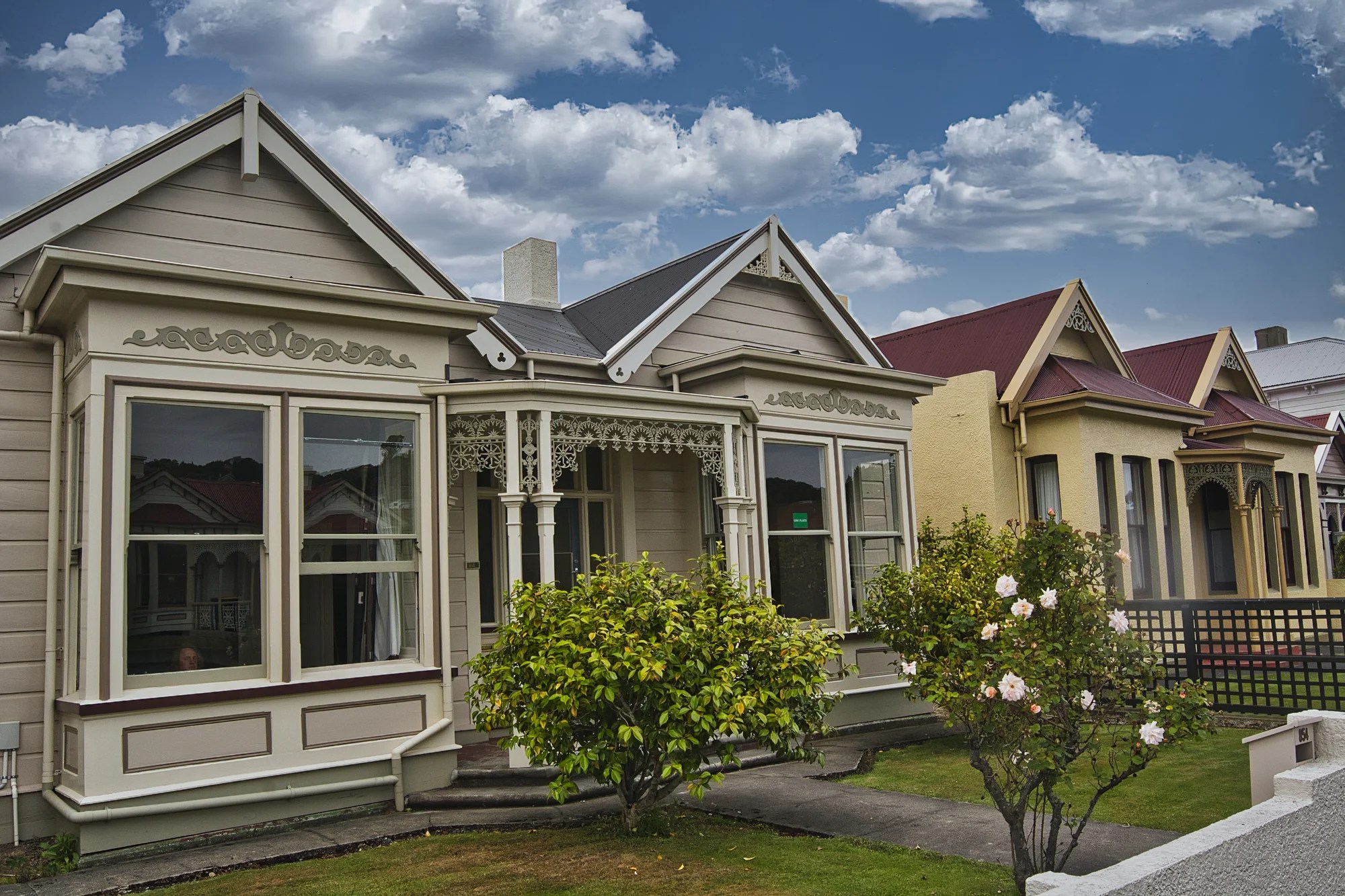
The way to appreciate architecture is to understand it. First of all, Victorian architecture is NOT a particular style. It refers to the era of Queen Victoria (1837 to 1901). It reflects the wealth of the British Empire at its height. It encompasses overlapping styles such as Romanesque Revival, Gothic Revival, and Italianate. The majority of the time, buildings in Oamaru and Dunedin will be called Gothic or Italianate.
Gothic Revival
This style was inspired by medieval Gothic Architecture, with ogival arches and lancet windows. Religious and educational buildings often feature Gothic motifs to evoke a sense of tradition and continuity from existing European buildings.
Romanesque Revival
This style was inspired by 11th- and 12th-century Romanesque architecture – such as twin, semicircular arched slender windows.
Italianate
The style is inspired by Italian villas and temples. Italianate architecture uses symmetry, classical columns, and pilasters. Government buildings often use classical motifs to evoke a sense of authority recalling the Roman Empire.
Victorian Style Elements
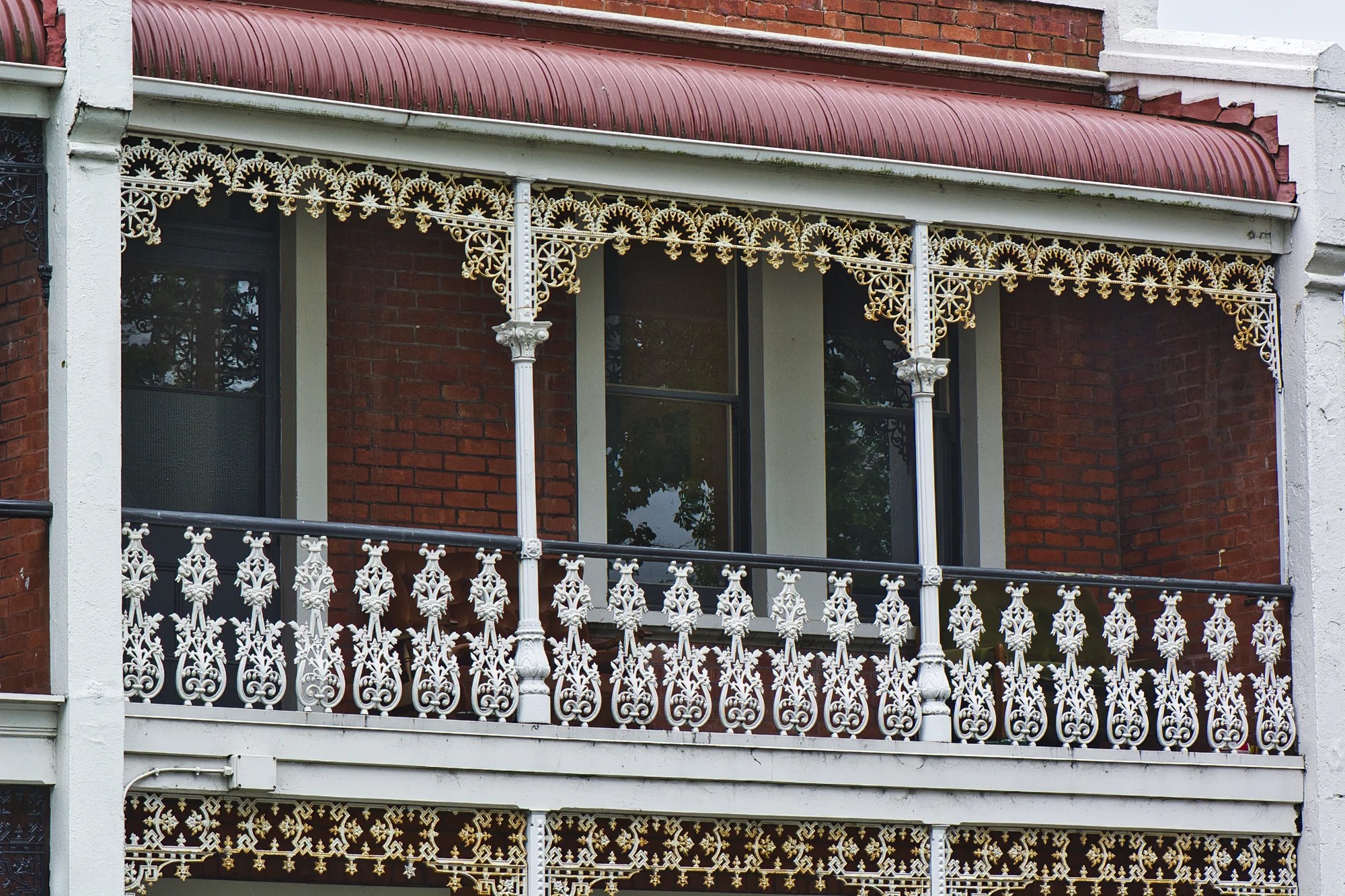
Ornamentation
The most memorable Victorian-style elements are wrought iron balconies and fences, spires, turrets, gables, and rooftop finials. They use intricate motifs in the ironwork, tiles, and friezes.
Victorian buildings were designed to be ornamental. These elements add visual interest and richness to the buildings and convey a sense of workmanship and quality.
Colourful Exteriors and Interiors
Victorian homes and row buildings will each be painted in a different colour as in the first photo above. But they will use pastel and earthy tones. Stained glass windows provide colour to both the interior and exterior of buildings. Ornamentation and furnishings broadcast the status and personality of the owners.
Complicated Structures
Victorian buildings incorporate bay windows and large, wraparound porches.
Ōamaru
Christchurch – Oamaru 243 km 3:05 hrs.
Lodging: Ambassador Motor Lodge (G4.5) NZD 170 (USD 105)
We drove south to this small town of 14,000 people with gorgeous Victorian architecture. Ōamaru is Māori for “place of Maru”, the Māori war god. Don’t worry — it’s a very peaceful place.
Founded in 1858, Ōamaru thrived as a port. Refrigerated shipping began here. This enabled Ōamaru to export meat, wool, grain and other goods. In the 1880s, Ōamaru was about the same size as Los Angeles (11,800 people).
Harbour & Tyne Historic Precinct
The Harbour & Tyne Historic Precinct was the original commercial district of Ōamaru. During the late 19th century, many impressive stone structures were built. These monumental Victorian buildings were made with Ōamaru whitestone. This local Oamaru stone is a type of limestone.
Criterion Hotel
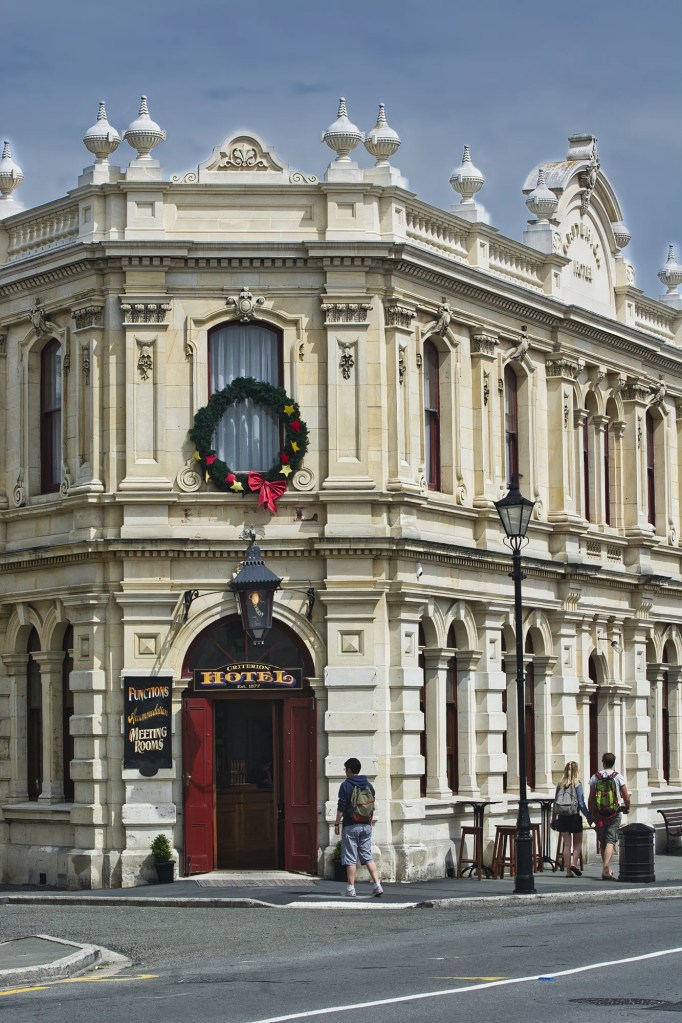
Criterion Hotel (G4.5) on 3 Tyne Street opened in 1877. One of the most famous local architectural firms, Forrester and Lemon, built it in Italianate style. The lower storey is filled with twin semi-circular arched windows. The upper storey is filled with alternating convex and ogival-arched windows. Some windows even have a shield keystone and spiral scrolls at the base.
Why is there a railing on the roof? The urn-encrusted balustrade makes the building less boxy and provides an airy feeling.
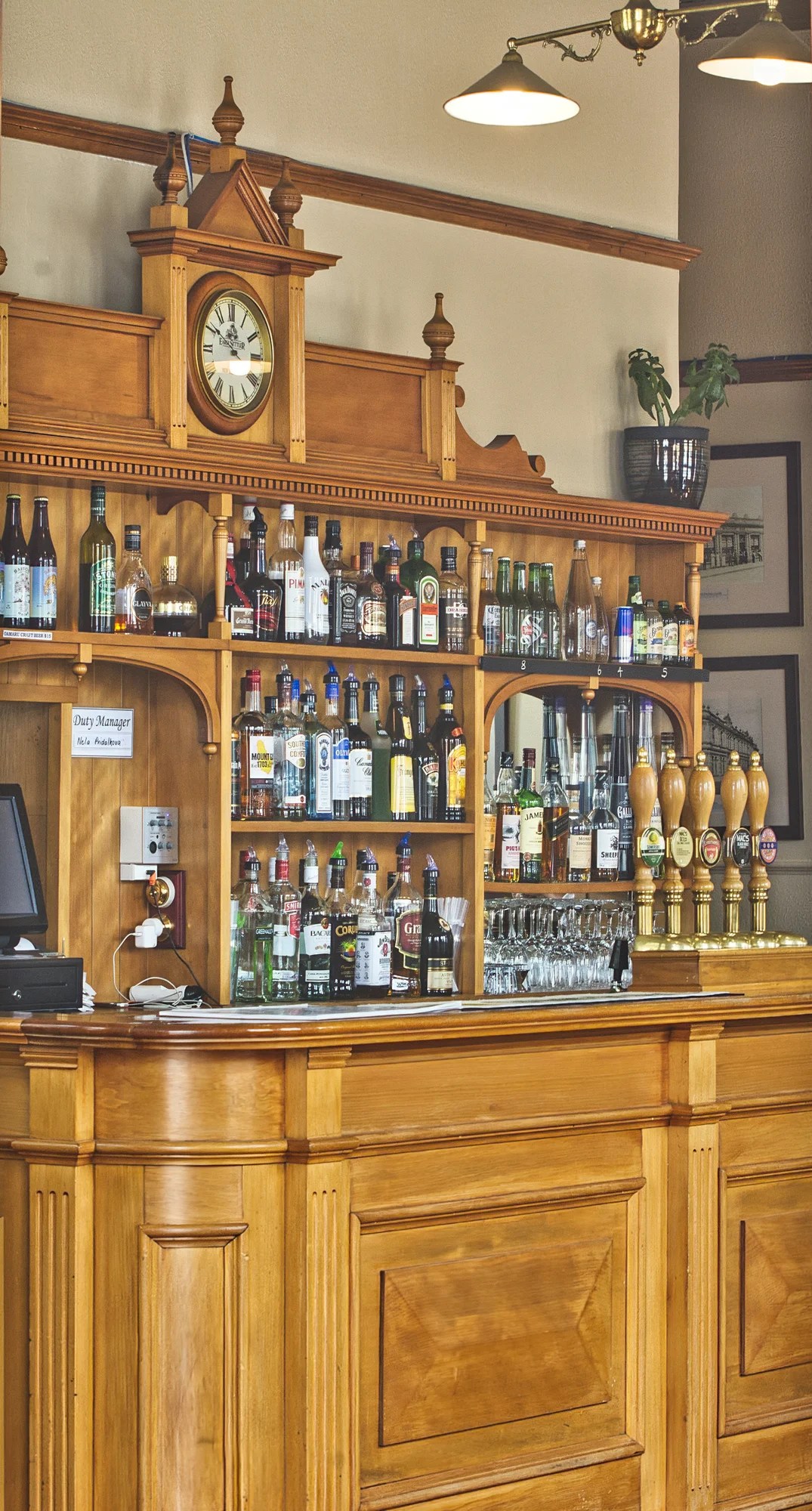
In 1878, when Ōamaru’s population was less than 5000, there were 210 arrests for drunkenness! Teenage troublemakers interrupted concerts and disturbed church services. After Ōamaru voted for Prohibition in 1906, the hotel and bar declined. The hotel was refurbished in 2015 and once again offers lodging. It became a popular site for TV series and movies.
Smith Grain Store
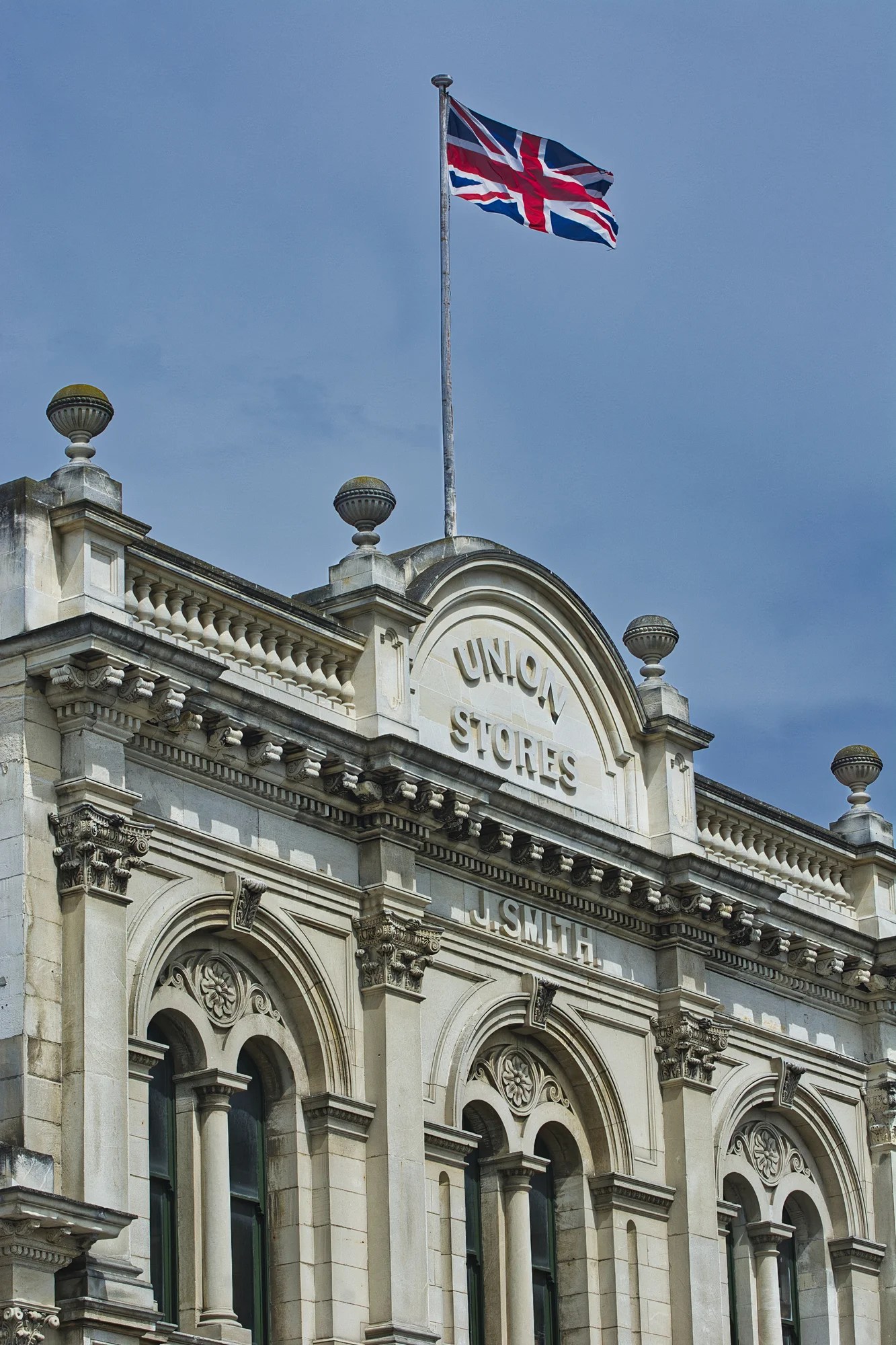
The building marked Union Stores on 9 Tyne Street was completed in 1882. This was the J Smith Grain Store designed in a Victorian Italianate style. There are twin round-arched windows that remind us of the Romanesque style. Doric columns support the twin arches. Corinthian pilasters separate each set of windows. This elegant building is rather ornate for a grain store! This symbolizes the importance of Otago as a grain-producing and exporting region.
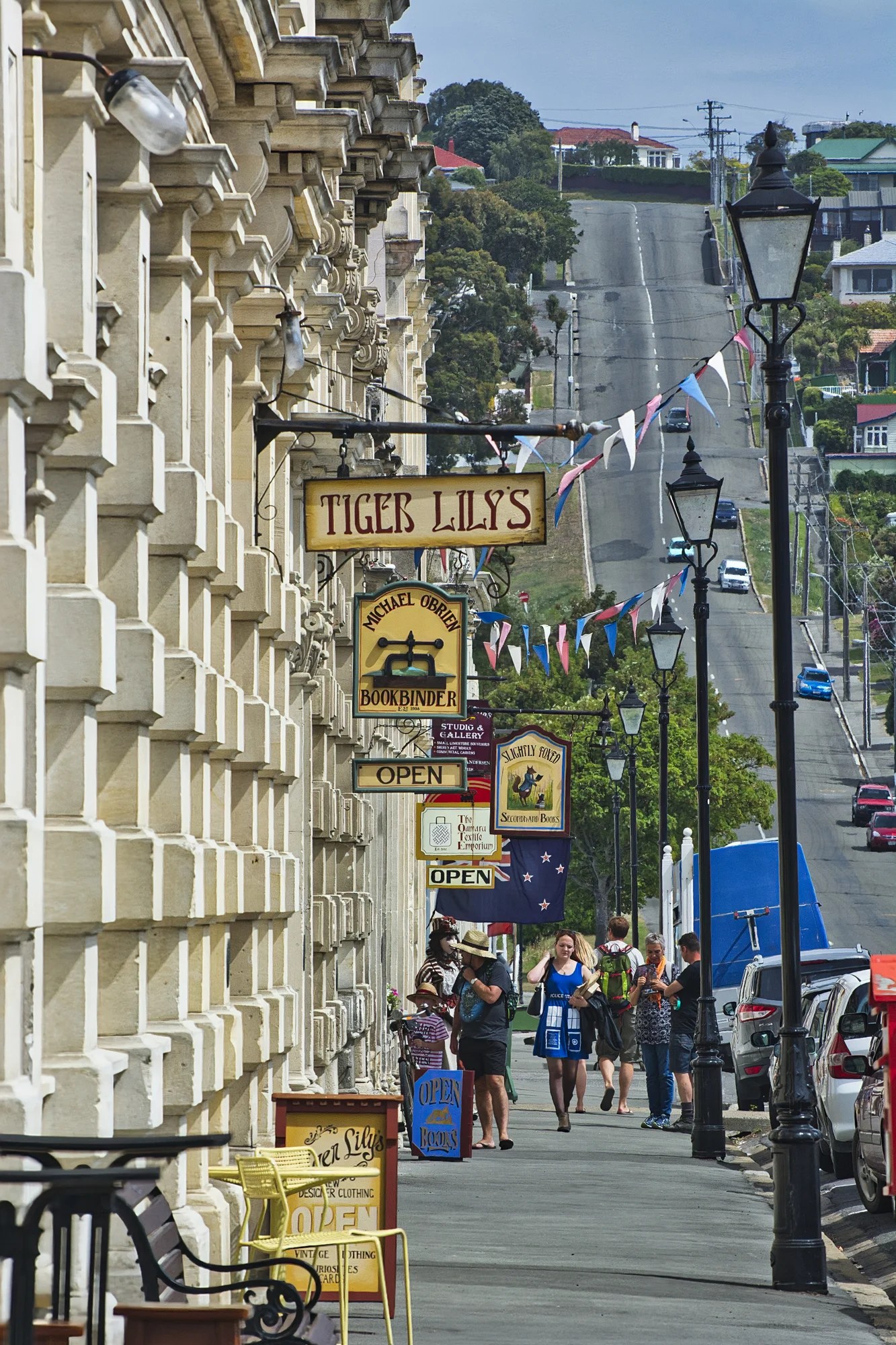
Note how steep Tyne Street is in the photo. It’s time to turn around and walk down Harbour Street.
Harbour Street
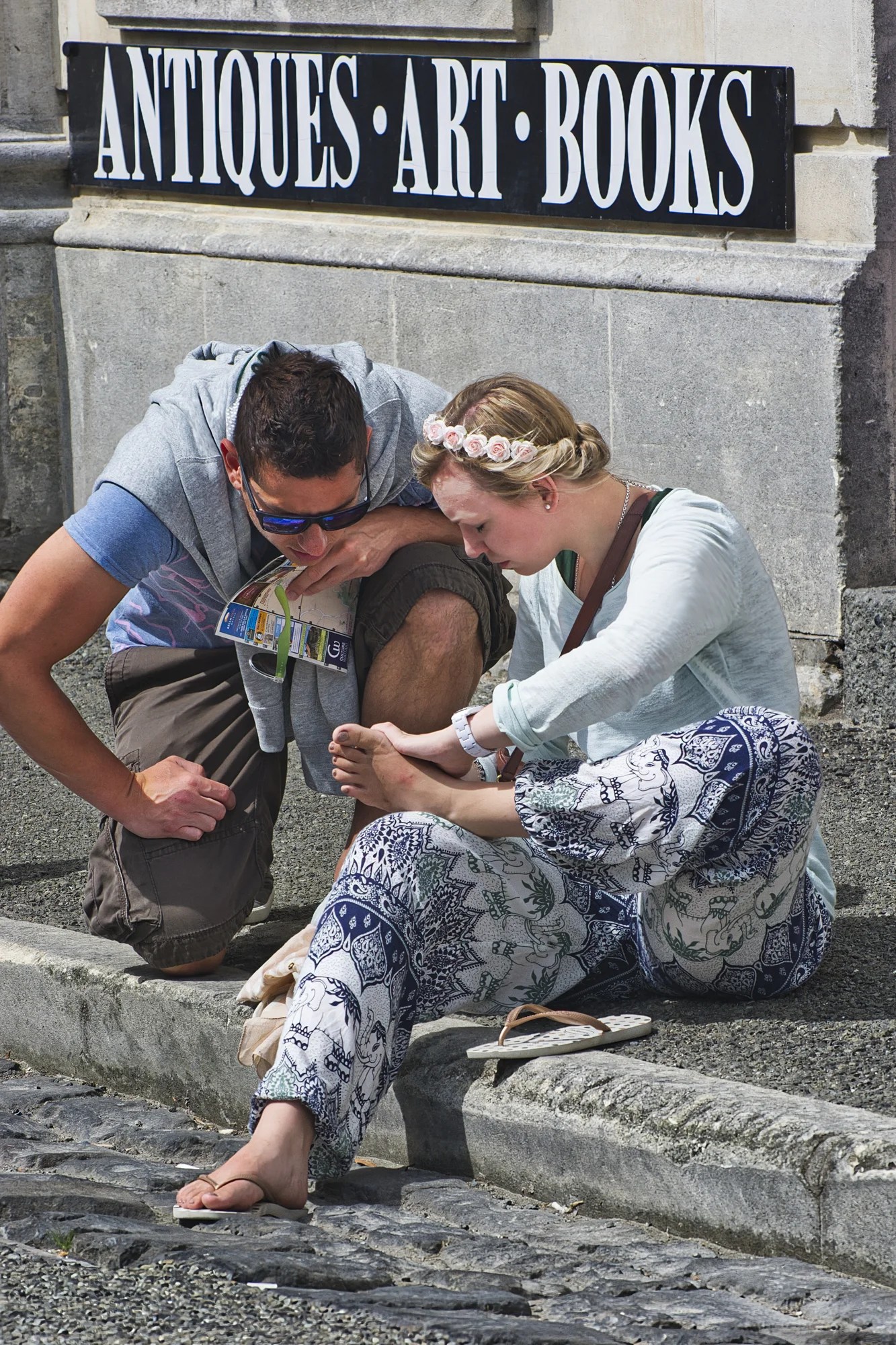
In front of the antique store, a woman took a splinter out of her foot. It reminded me of the very famous Boy with a Thorn statue in Rome.
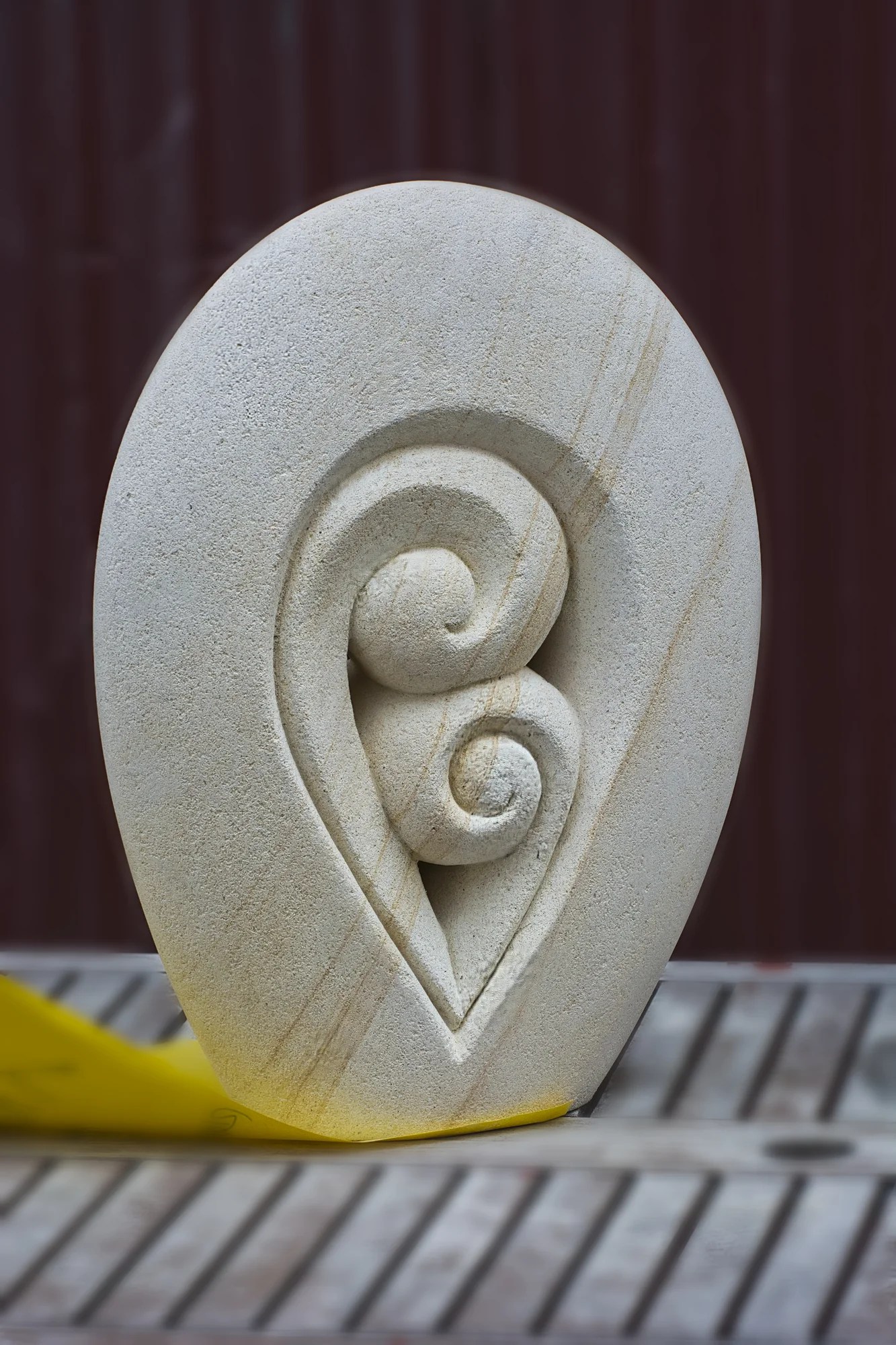
Ian Andersen at 15 Tyne St./10 Harbour St. is a famous limestone sculptor. Many of his sculptures can be found in high-profile heritage homes and gardens throughout New Zealand. He designs and creates all his work using traditional tools and methods. We loved the curves and spirals of this sculpture. It reminded us of an unfurled fern leaf or koru (spiral) motif. Spirals are a pervasive design pattern in Māori art.
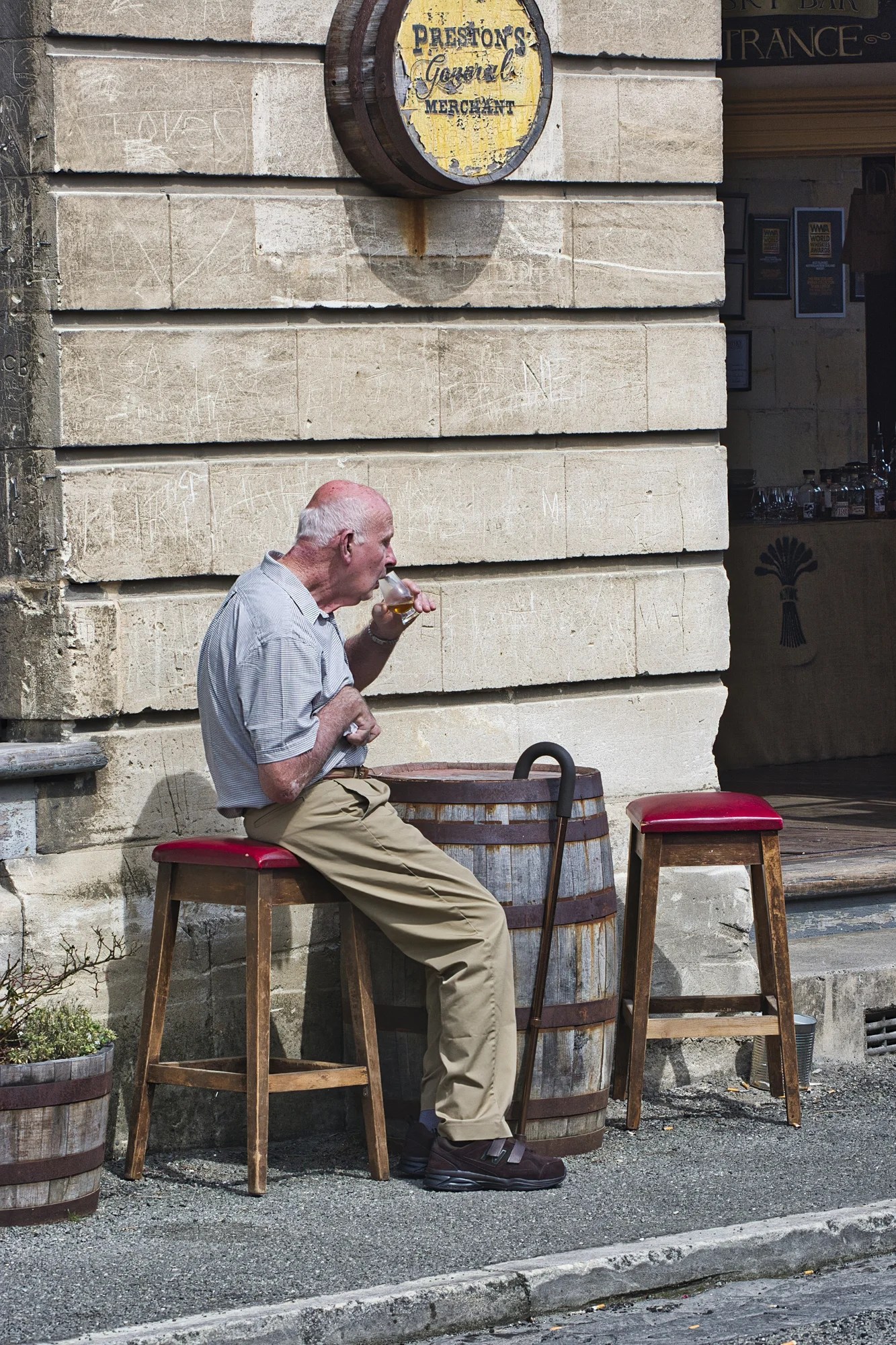
Towards the middle of Harbour Street, we saw this senior having a shot of whiskey (or other spirits). This may have been outside the well-known Craftwork Brewery (G4.8).
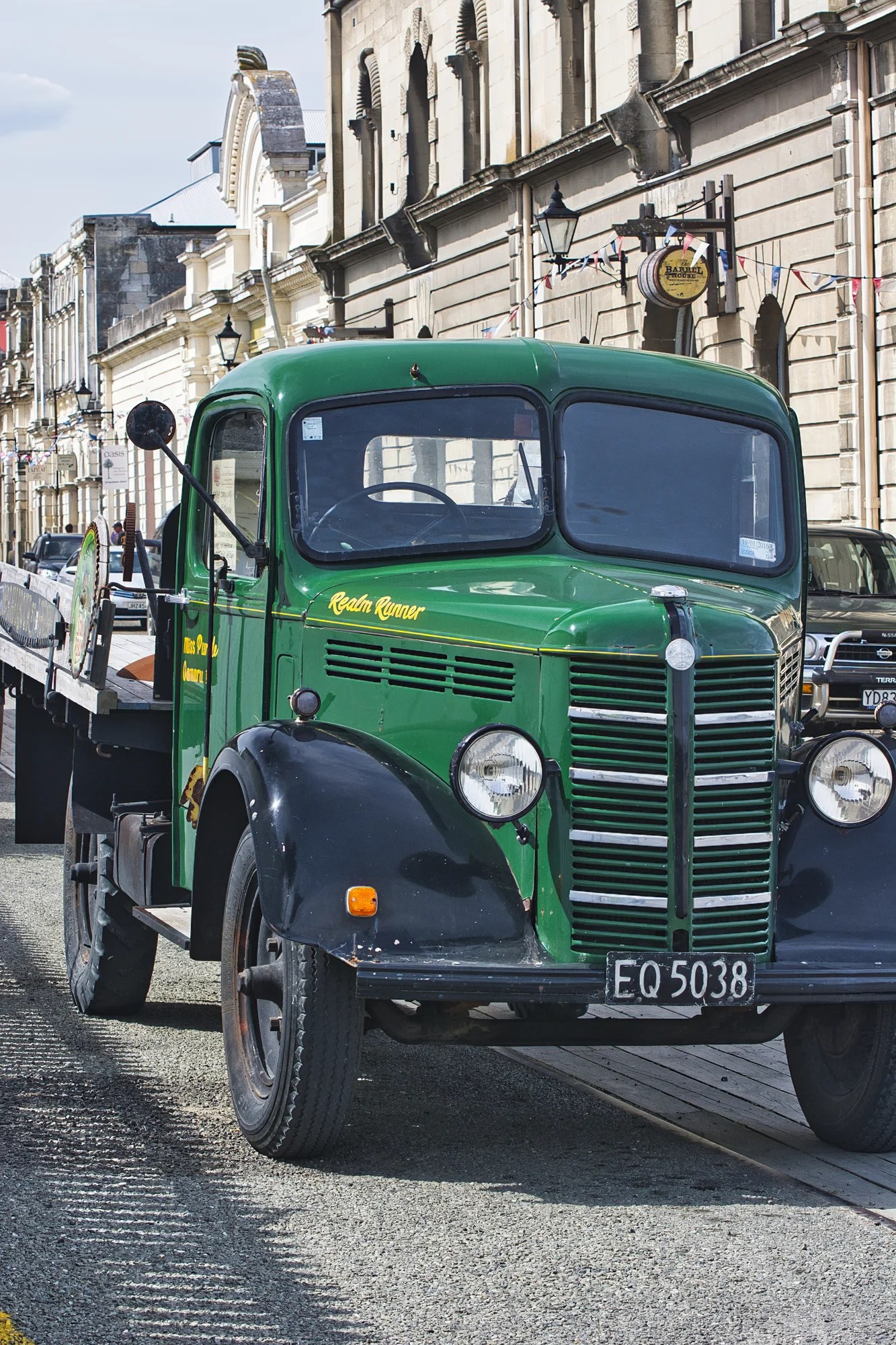
An antique green Bedford lorry sat in the middle of the road. It was built in Luton, Bedfordshire (UK) by Vauxhall. This truck style dates from 1931 to 1939. Before this period, they sent parts from Canada and only assembled the trucks in the UK.
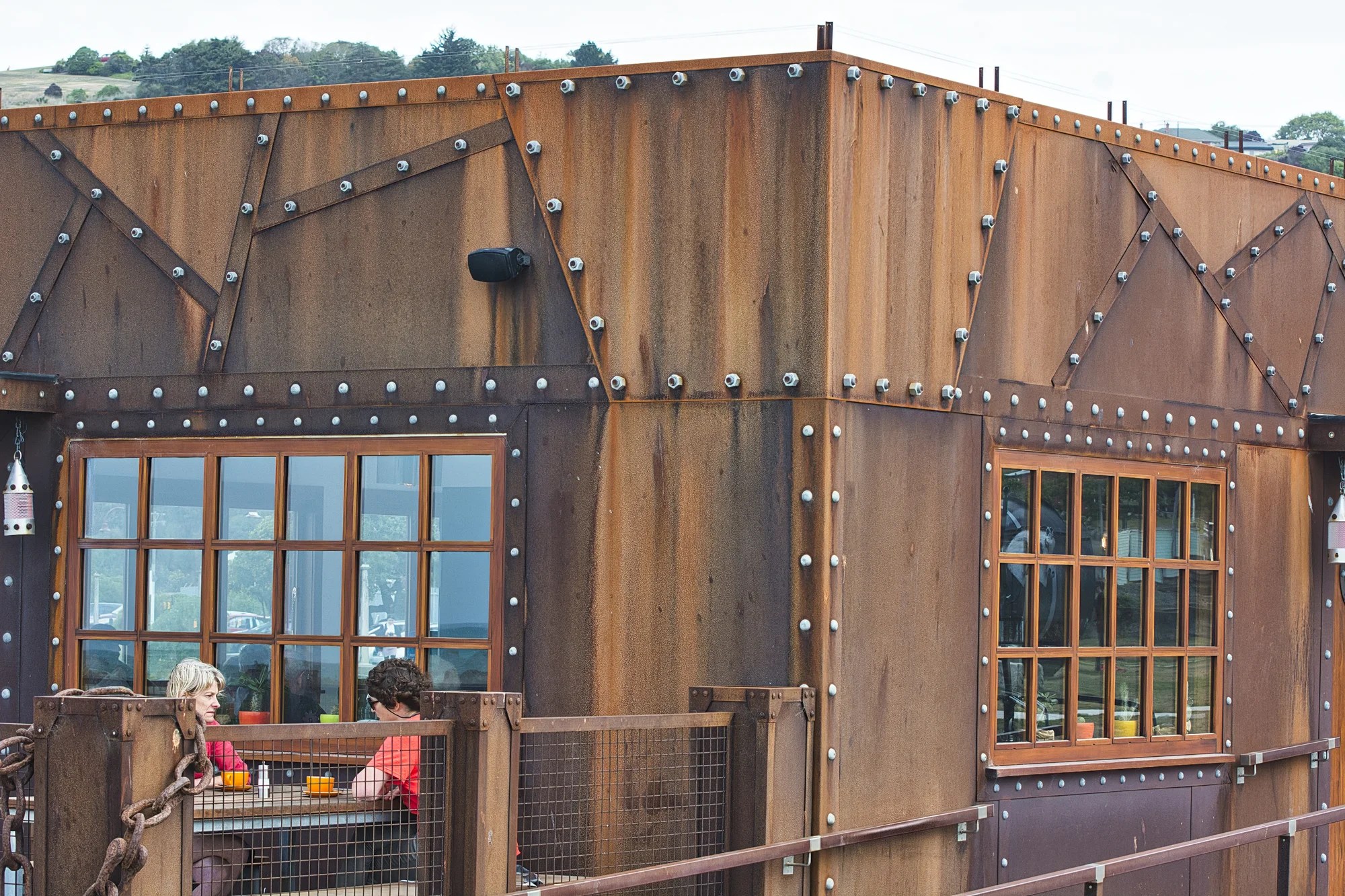
Then we headed east to the harbour where we found The Galley Café (G4.5), which looked like an Ironsides ship.
Thames Street
Imposing Classical commercial and government buildings were constructed on Thames Street. We walked up Itchen Street to the Inc Design Store (G5.0) and then turned north.
Bank of New South Wales
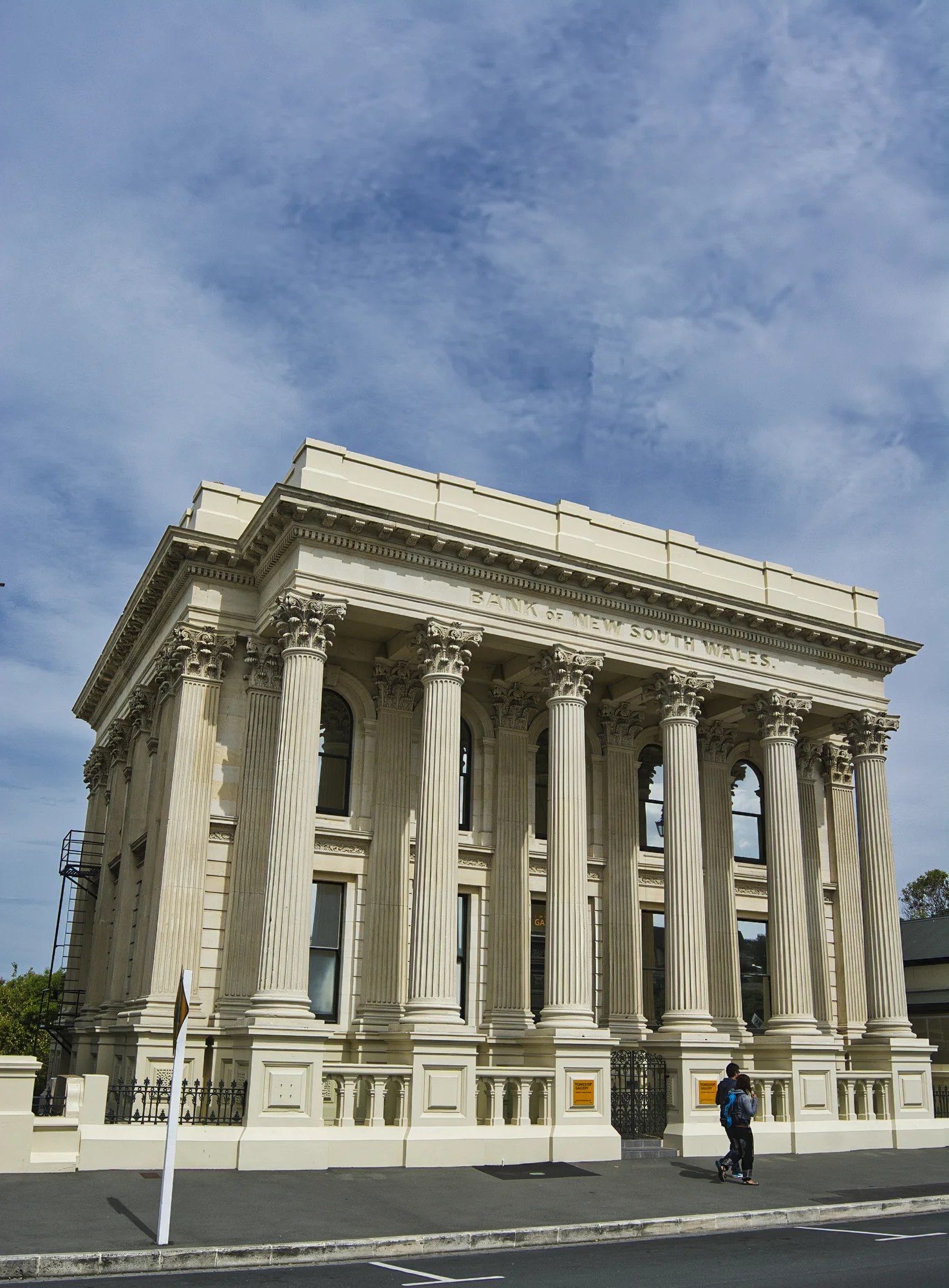
The Bank of New South Wales (9 Thames St.) was built by famous architect Robert Lawson in 1882. We almost felt like we were looking at an Ancient Greek temple. The Bank is designed in a Neo-classical style with a hexastyle Corinthian portico. The bank became the Forrester Gallery in 1983.
The well-proportioned classical design reflects the influence of Palladian architecture. This architectural style was derived from the work of Venetian architect, Andrea Palladio (1508–1580). Palladian architecture stresses the principles of classical architecture.
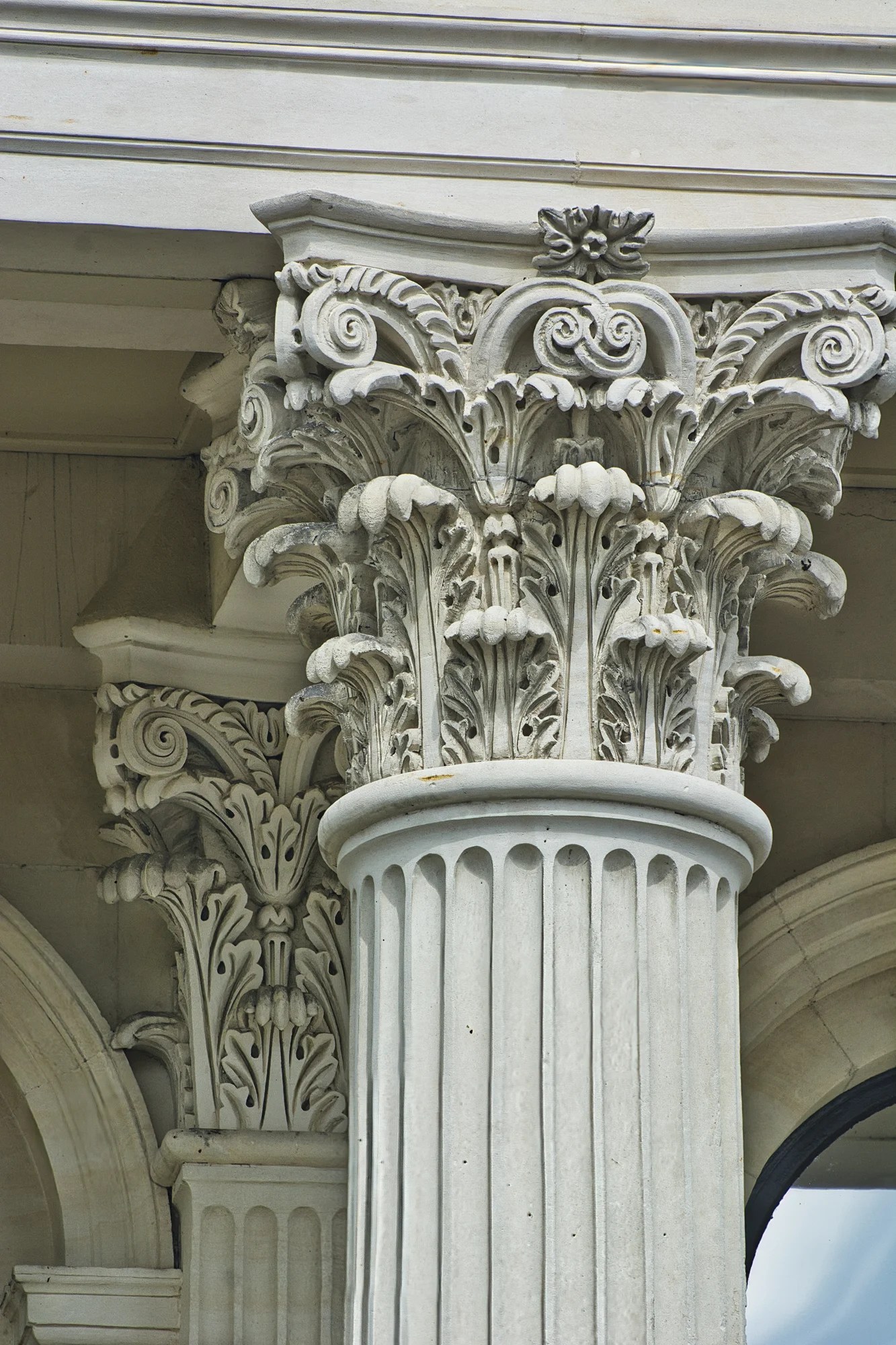
This building uses fluted columns and pilasters topped with Corinthian capitals. Other Palladian classical elements are pediments, porticos, symmetry, and perspective.
Oamaru Post Offices
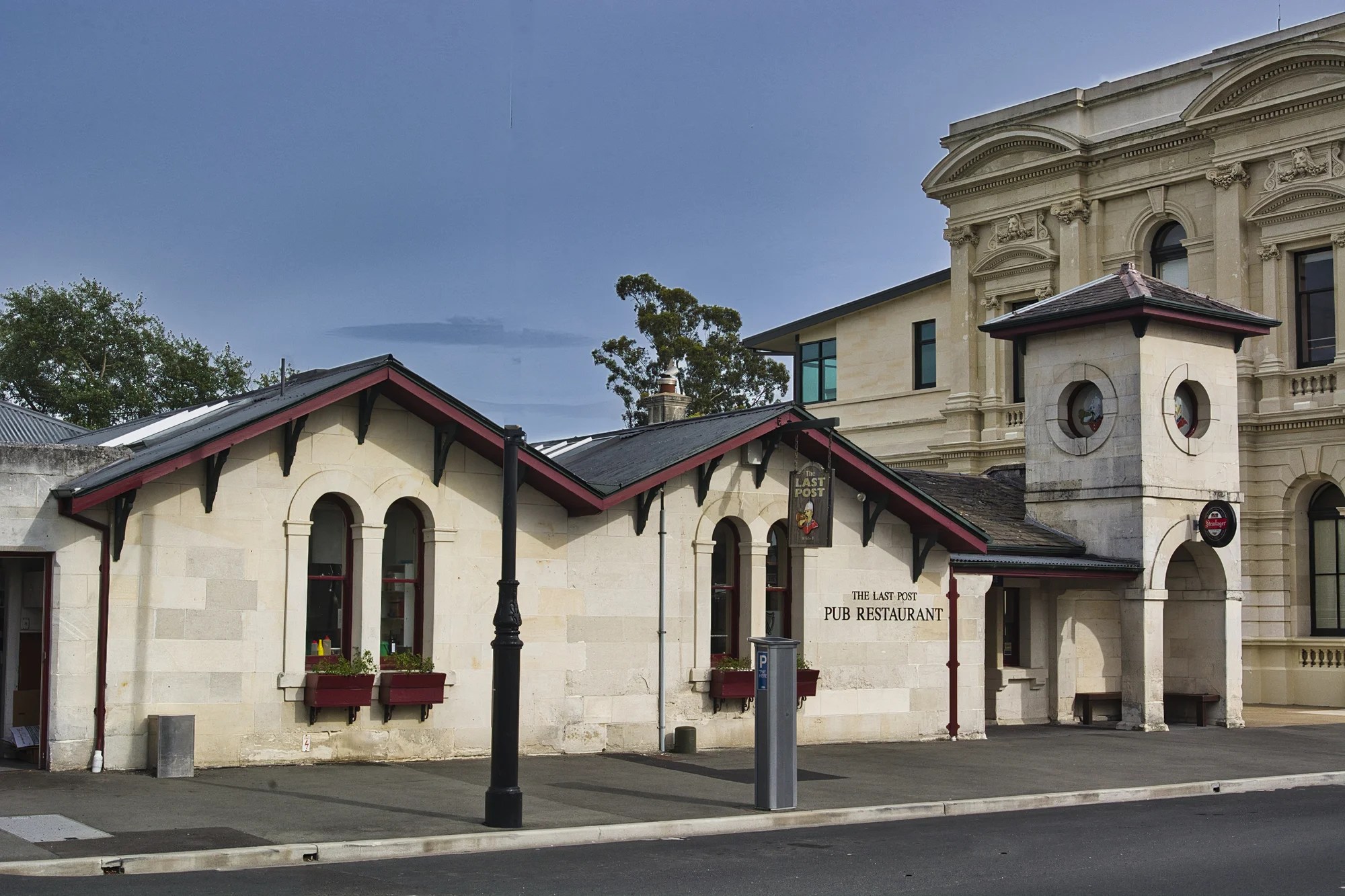
The first Oamaru Post Office (12 Thames Street) is the town’s oldest public building (1864). It is now The Last Post Restaurant (G4.5).
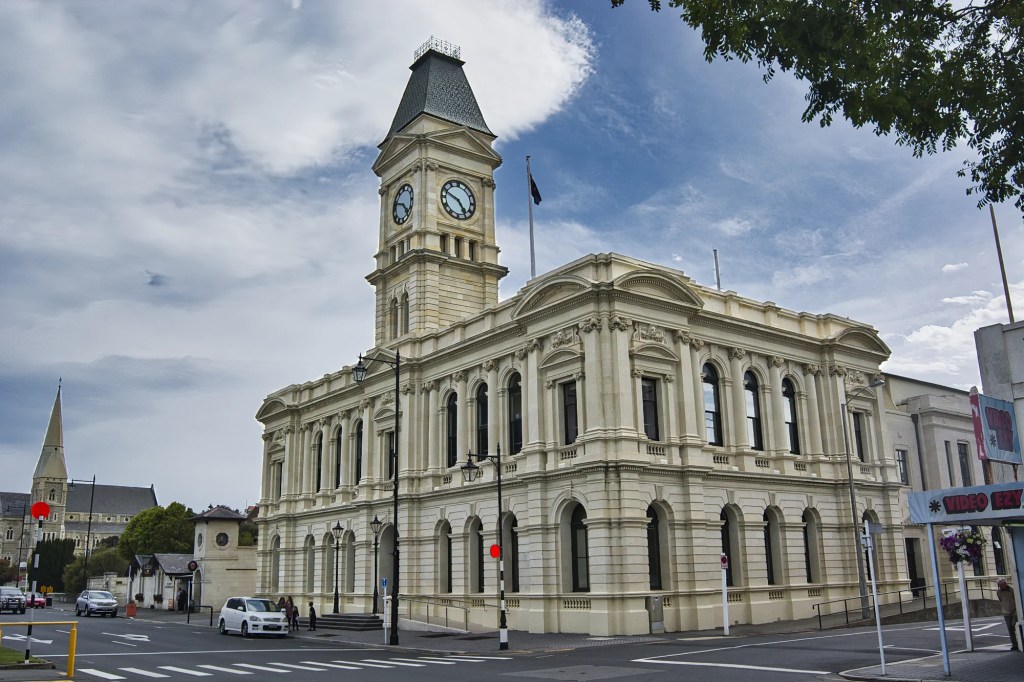
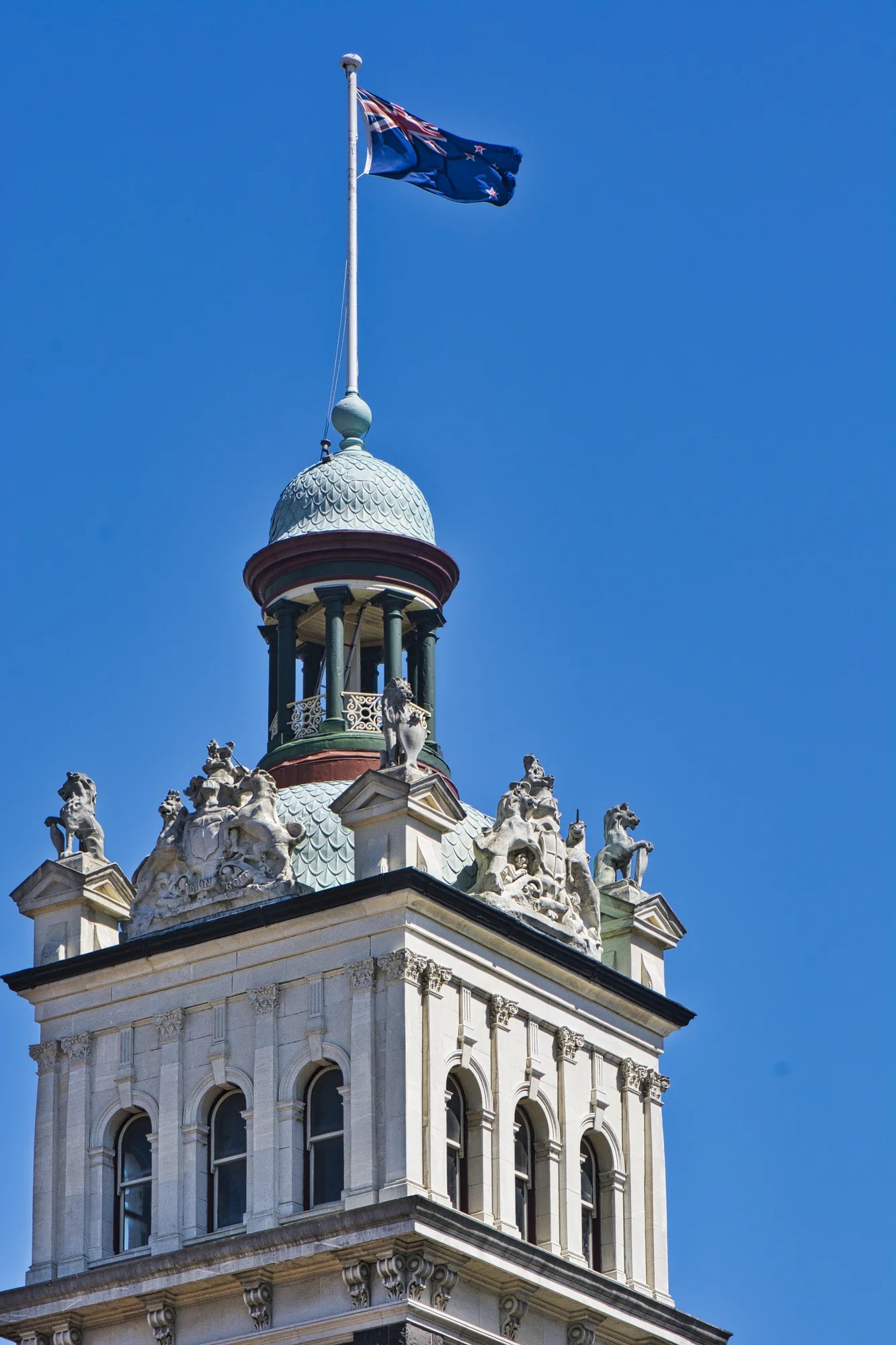
The second former Oamaru Post Office (20 Thames Street) was built by Forrester and Lemon in 1883. The first post office was too small to handle the increase of mail and telegraphs. The Italianate building has large semi-circular arched windows. It was topped by a clock tower in 1894. Today, it is the Waitaki District Council.
Oamaru Athenaeum
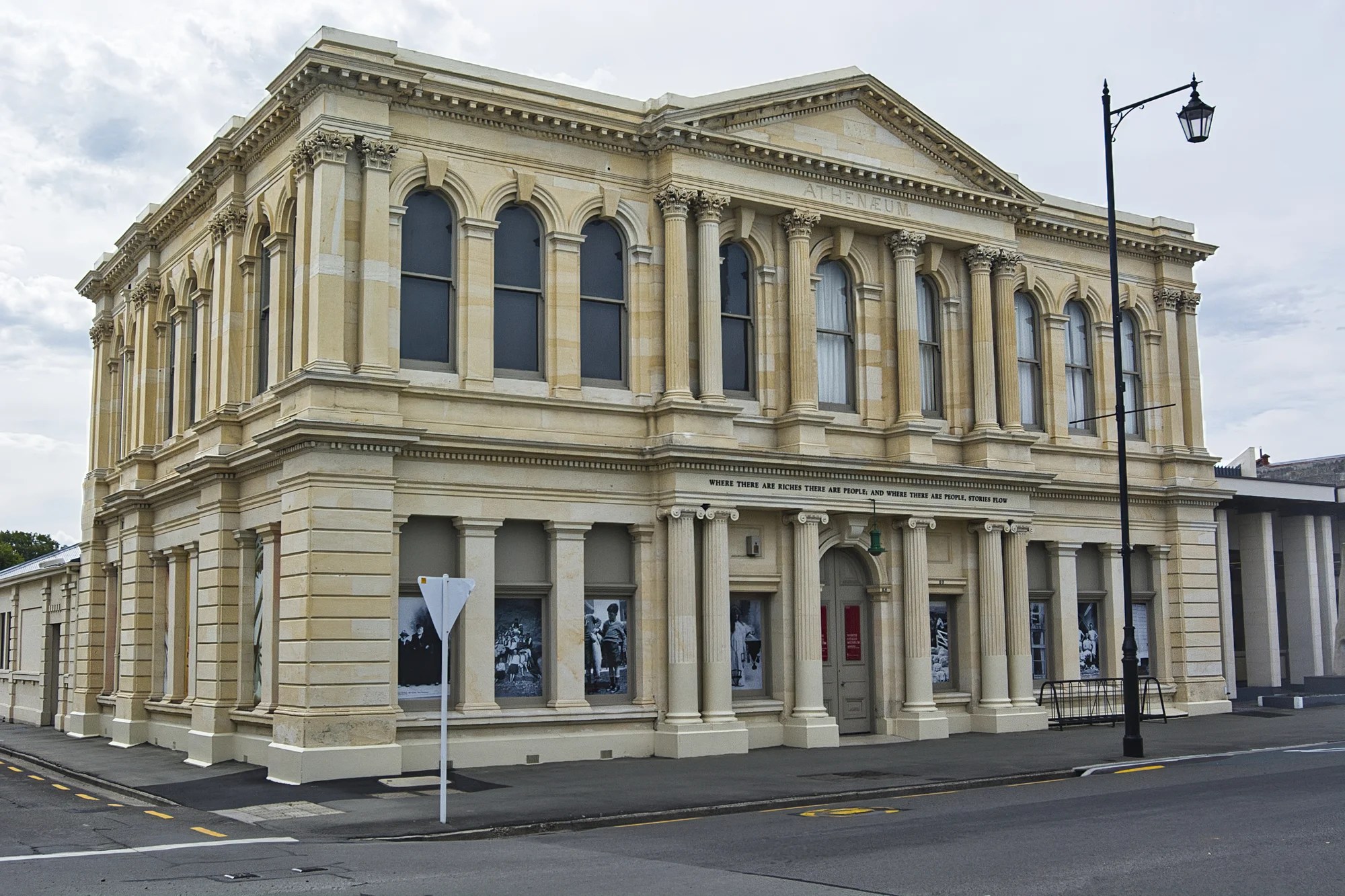
Athenaeums were established in the 19th century as voluntary educational organizations. The Athenaeum (58 Thames Street) was essentially a subscription library. It was also a venue for public lectures, book readings, plays and music. It now houses the North Otago Museum.
The Athenaeum (G4.4) was built in a Neo-Classical style to symbolize its role in learning and culture. The first storey uses Ionic columns. The second storey uses Corinthian columns, which support the triangular pediment. Ancient Roman architects began the use of different orders of columns in a single structure. This created a more impressive building. The best example of multiple orders is the Colosseum in Rome.
Oamaru Courthouse
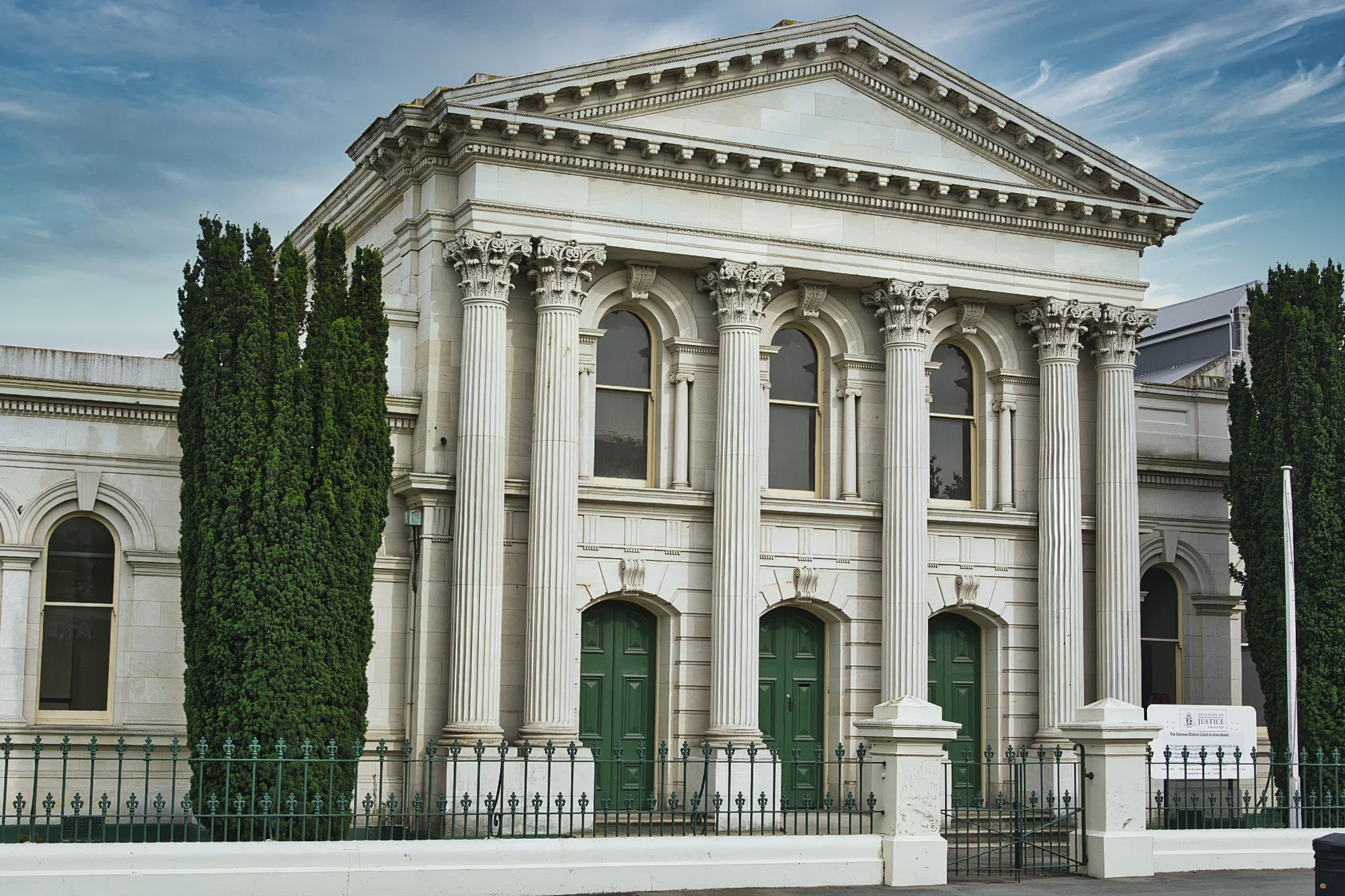
NZ became an independent country in 1835 and established its own legal system. The neo-classical Oamaru Courthouse (86-88 Thames Street) was built in 1883.
This court oversaw important events such as regulating the gold mining industry and the temperance movement. We had no idea about the lengthy temperance period in NZ. Ōamaru banned alcohol from 1905 to 1962.
We stopped at Whitestone Cheese (469 Thames Highway) because we love cheese. We bought a few cheeses rather than sit down for the tasting plate.
Otago Public Gardens
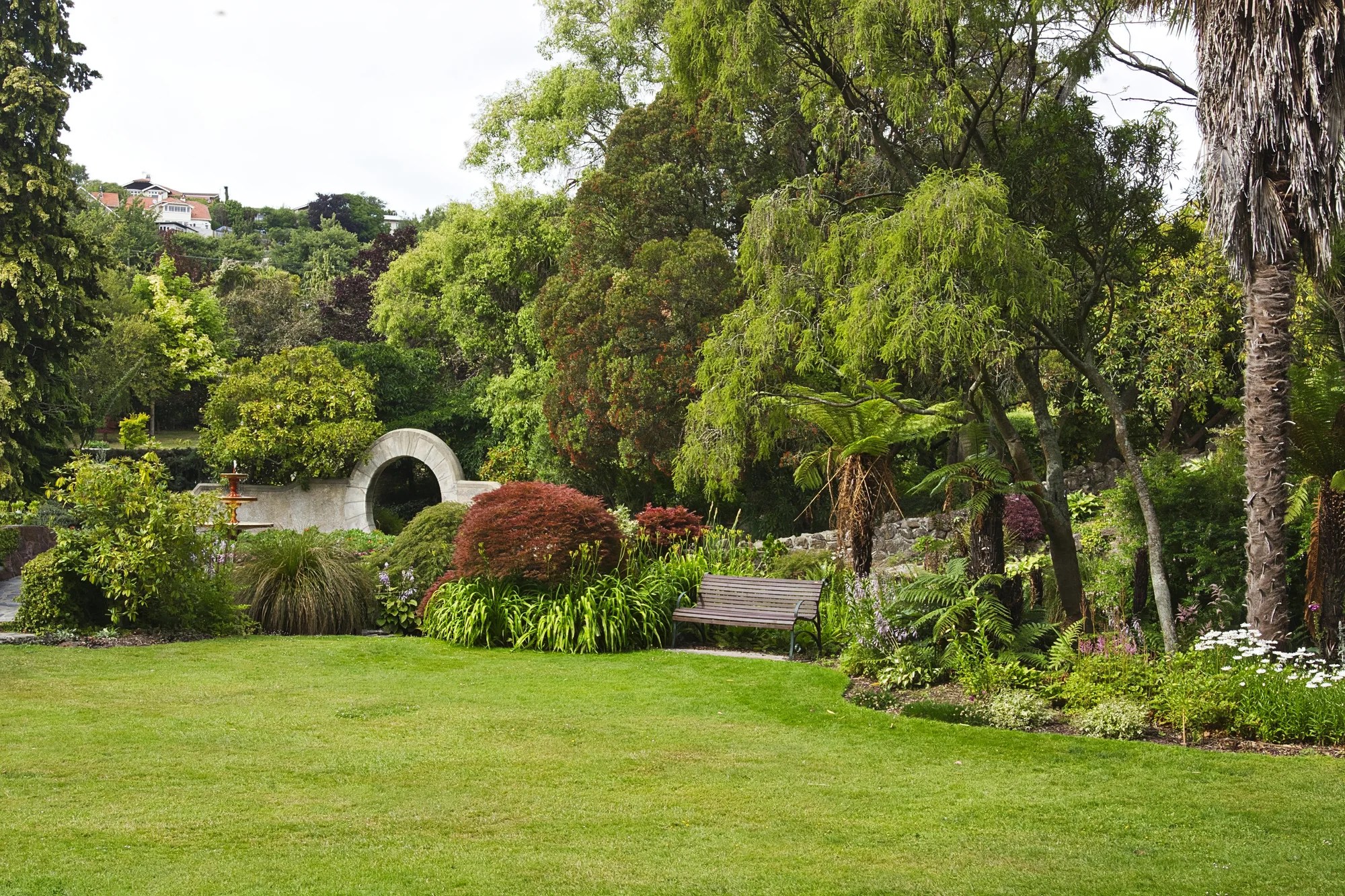
With great foresight in 1858, the plan of Ōamaru set aside 34 acres as a public reserve. The Otago Public Gardens opened in 1876.
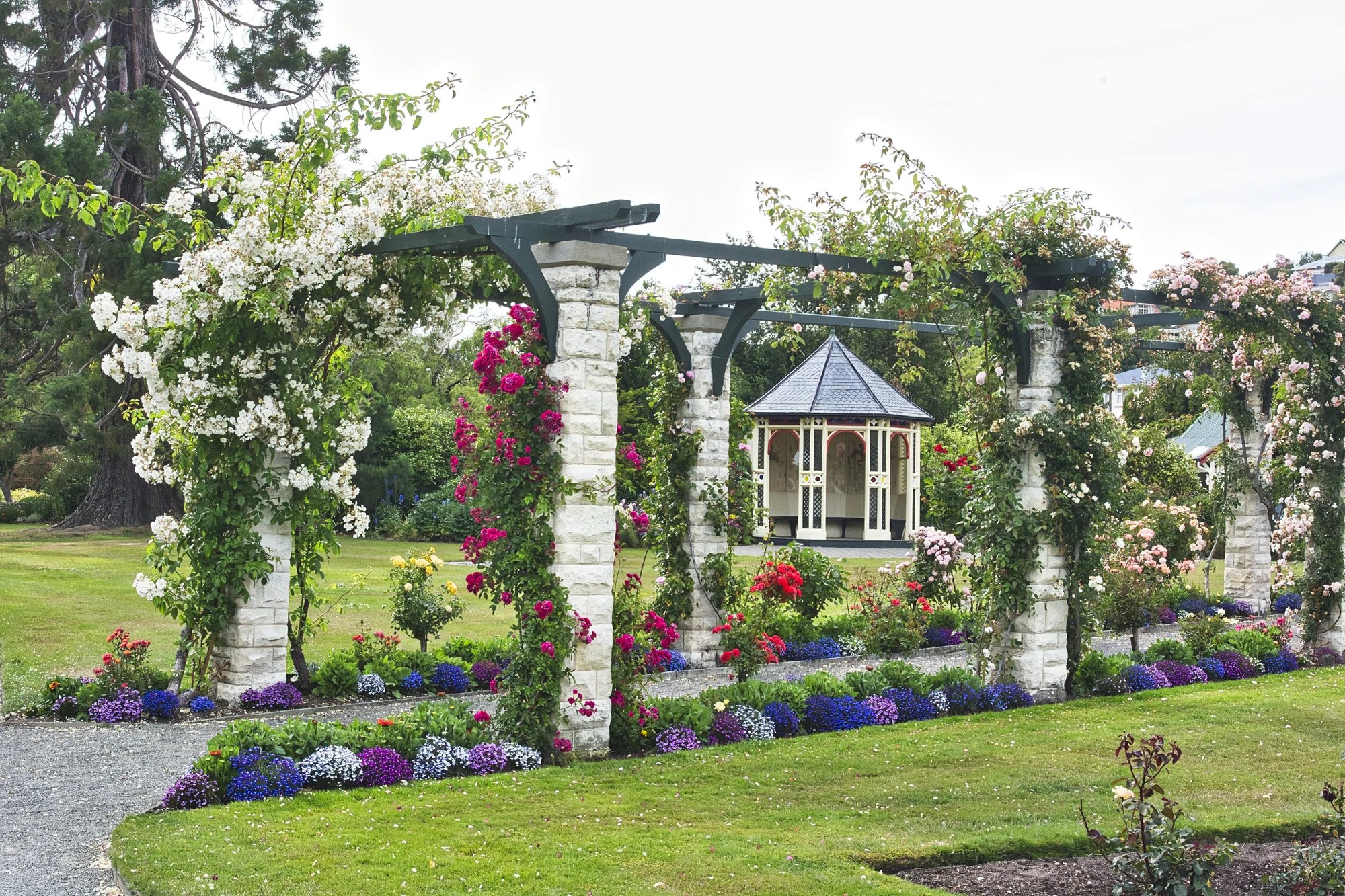
The Gardens are open seven days per week and entry is free. This hidden gem had lots of beautiful flowers and sculptures. We loved this beautiful trellis with red French roses and white Japanese roses, edged by purple and white lobelia.
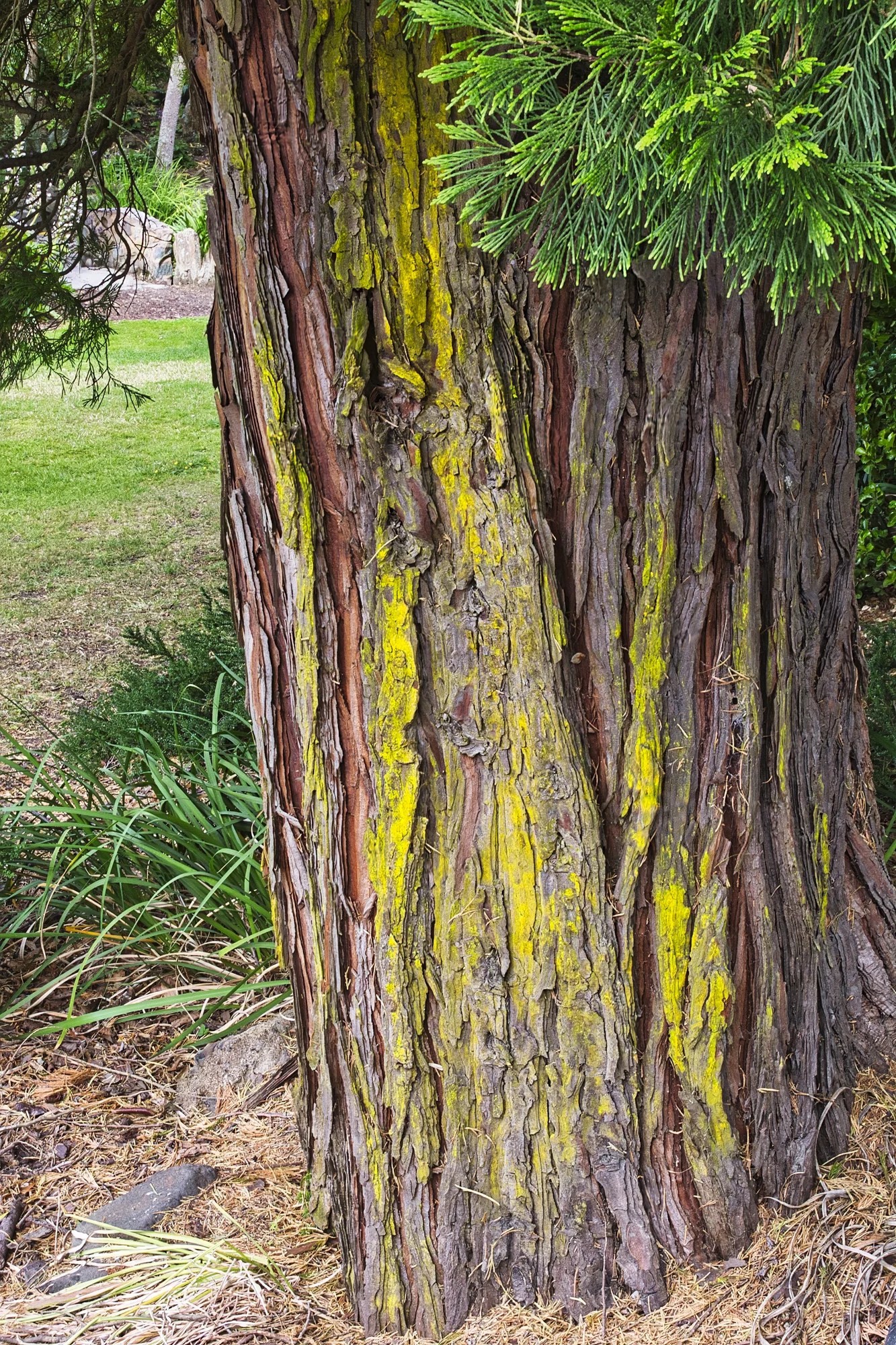
The Incense cedar has thick red and brown bark sprinkled with yellow pollen.
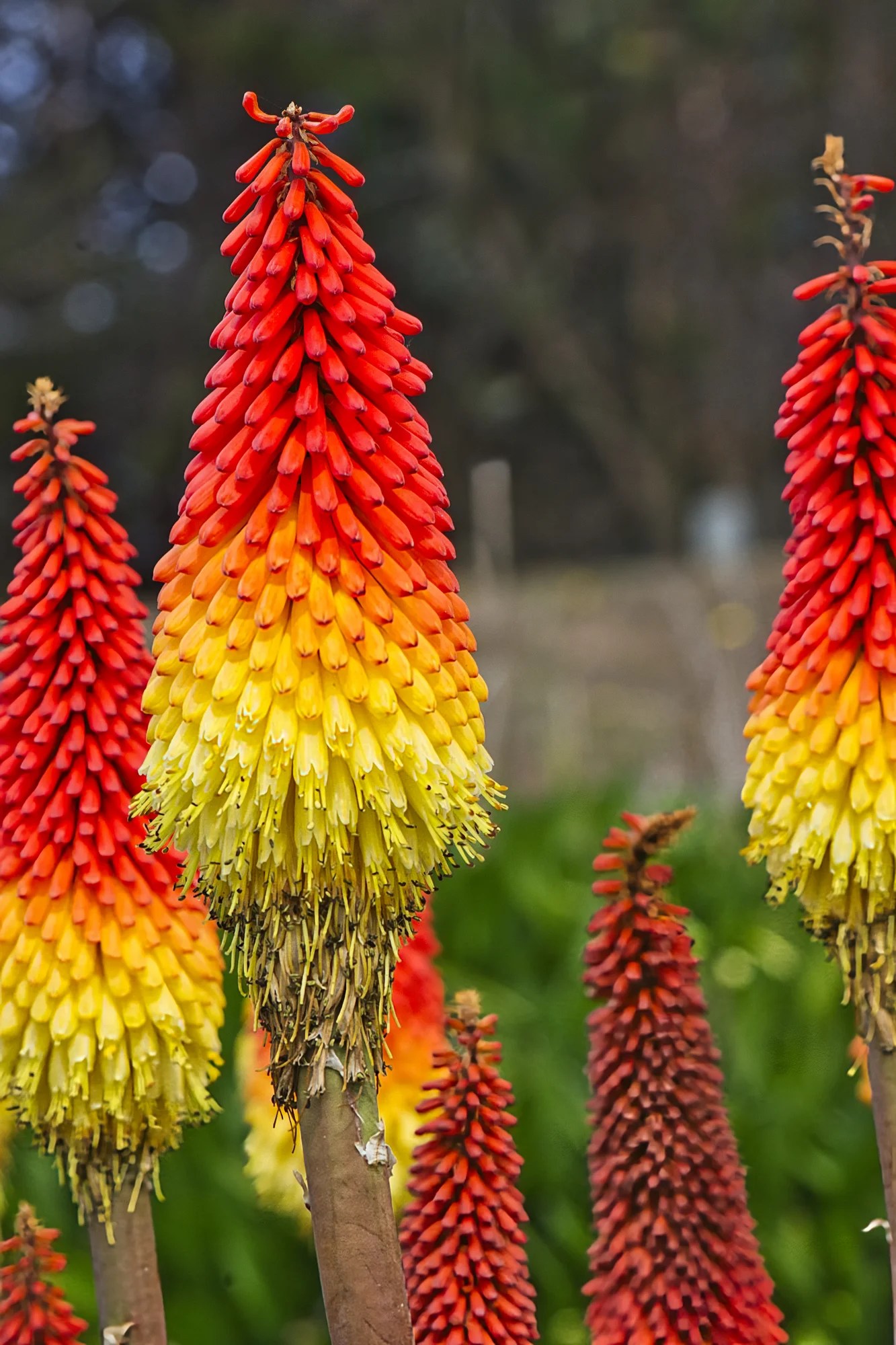
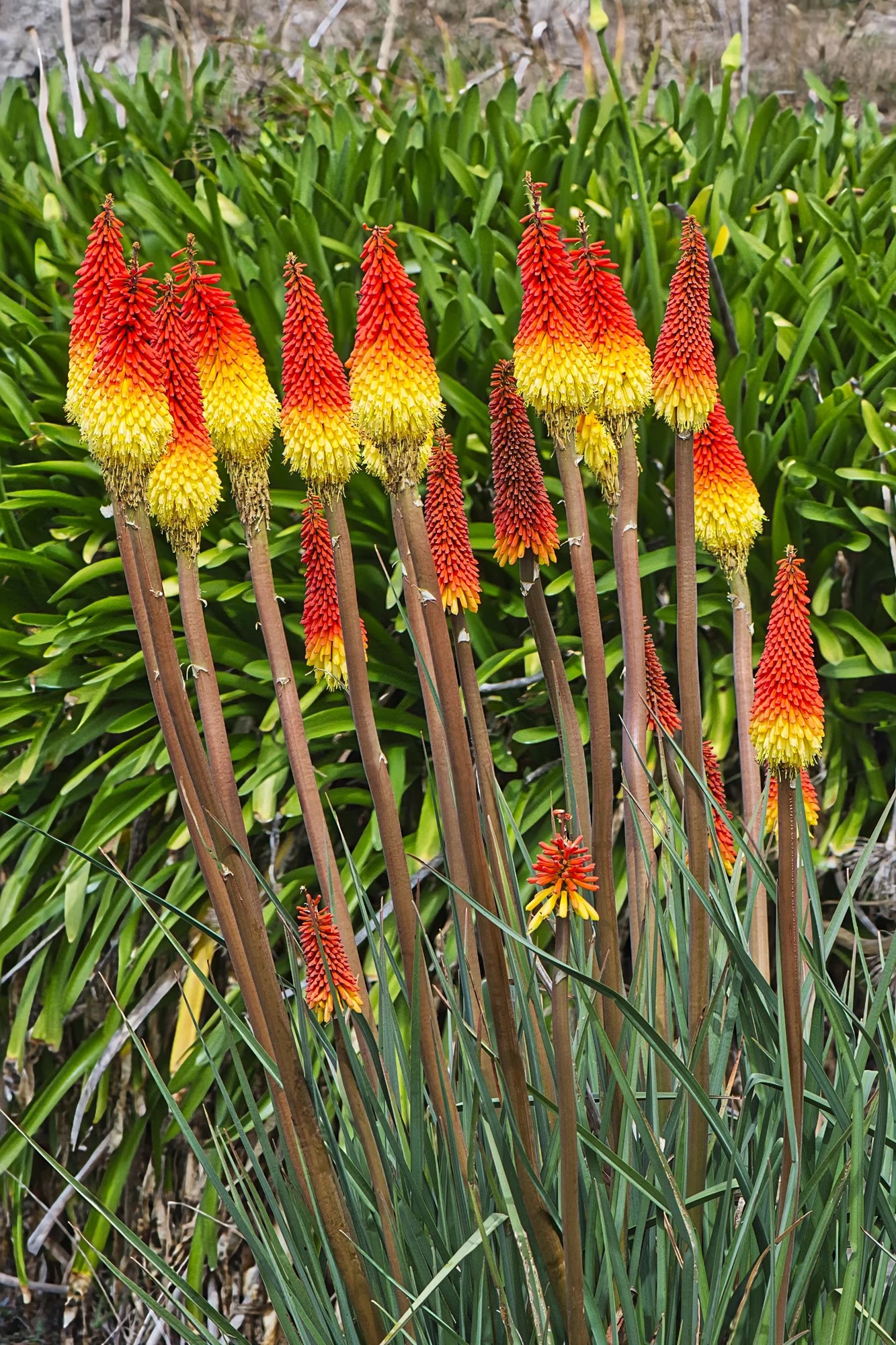
Red hot poker (Kniphofia) is native to Africa. They produce upright spikes of bright red, orange and yellow flowers.
Wonderland Statue
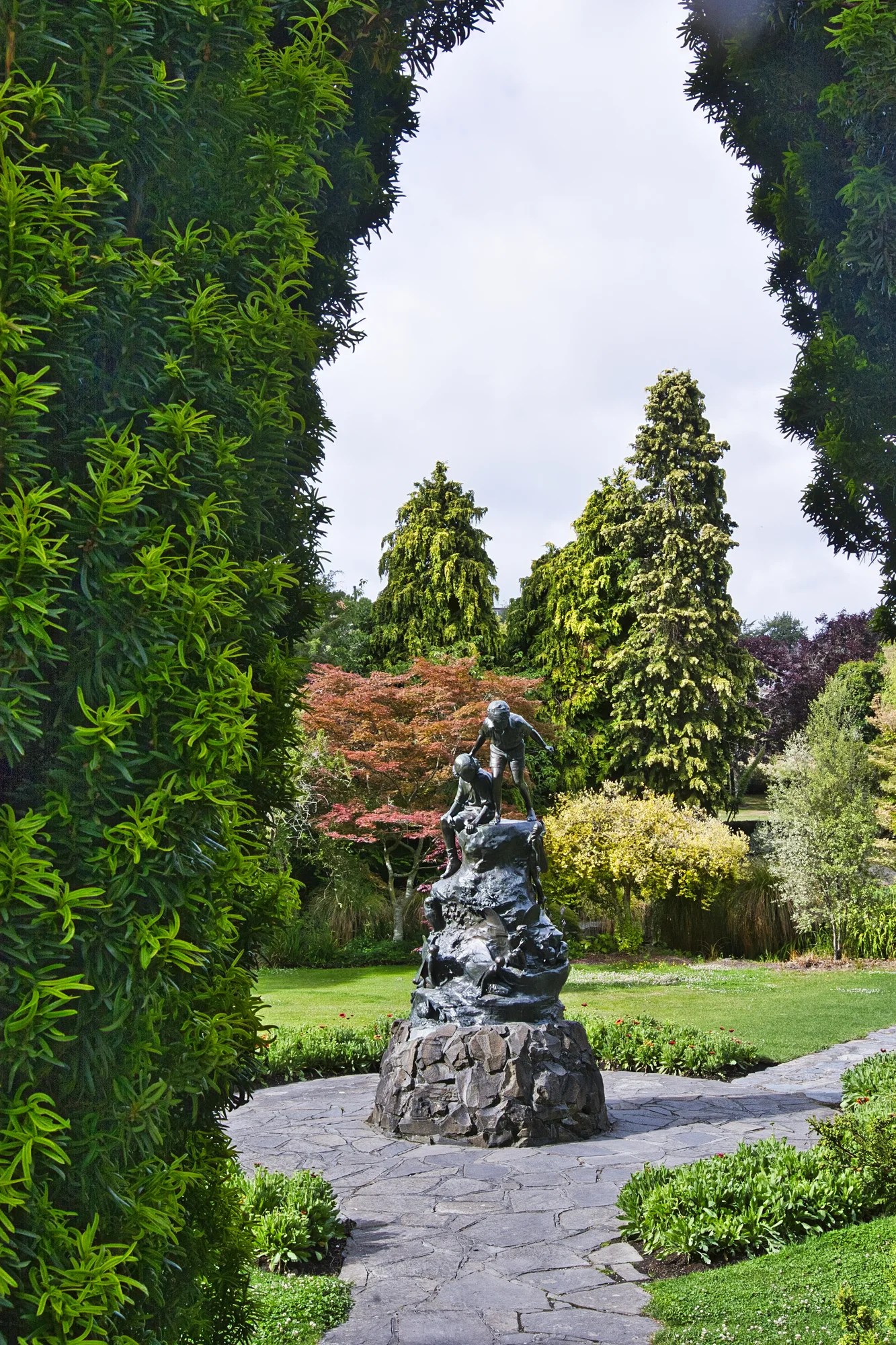
Past the Moon Gate is the Wonderland Garden. Here was the delightful Wonderland Statue (1927) by Scottish sculptor Thomas Clapperton. It depicts a boy and a girl entranced by the fairy world they see below. The statue symbolizes the curiosity and imagination of childhood.
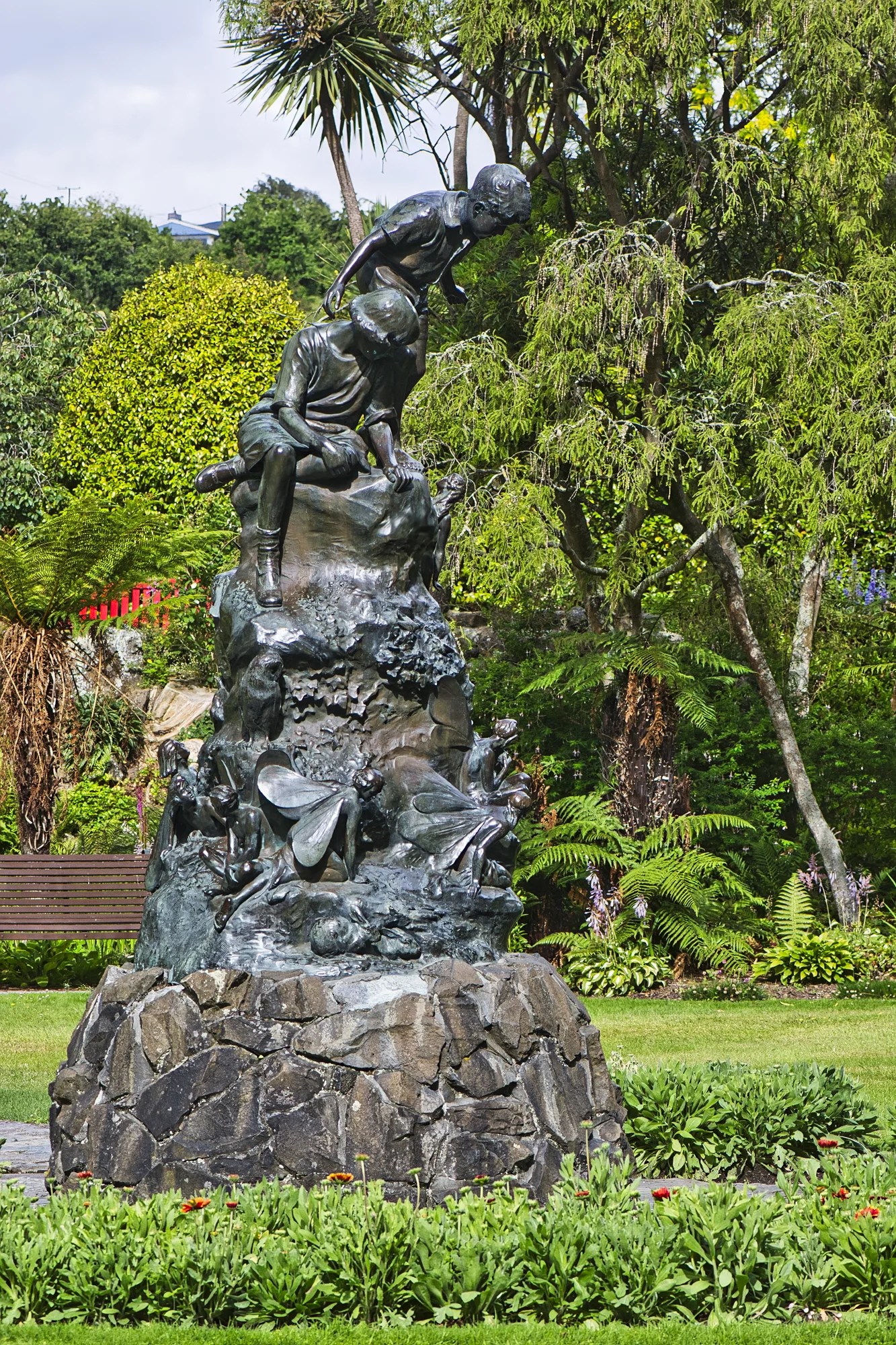
Look for the finely detailed fairies, rabbits and mice. This sculpture was inspired by George Frampton’s statue of Peter Pan (1912) in Kensington Gardens, London. Clapperton was a student of Frampton. The sculpture was commissioned by Robert Milligan, a former mayor of Oamaru. Milligan had seen Frampton’s Peter Pan and wanted to bring a sculpture with the same spirit to Oamaru.
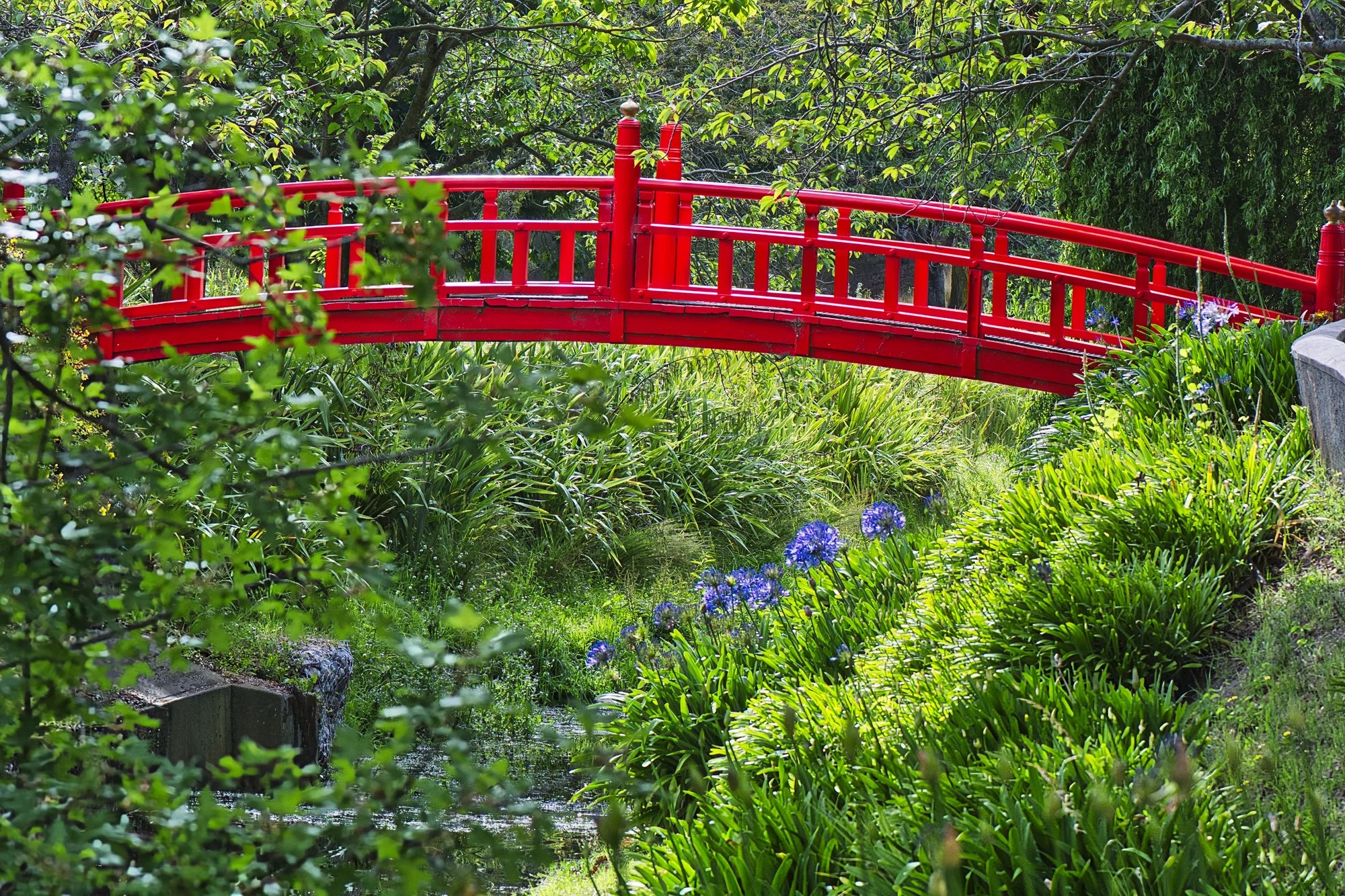
Other highlights in the gardens include the Japanese red lacquer bridge.
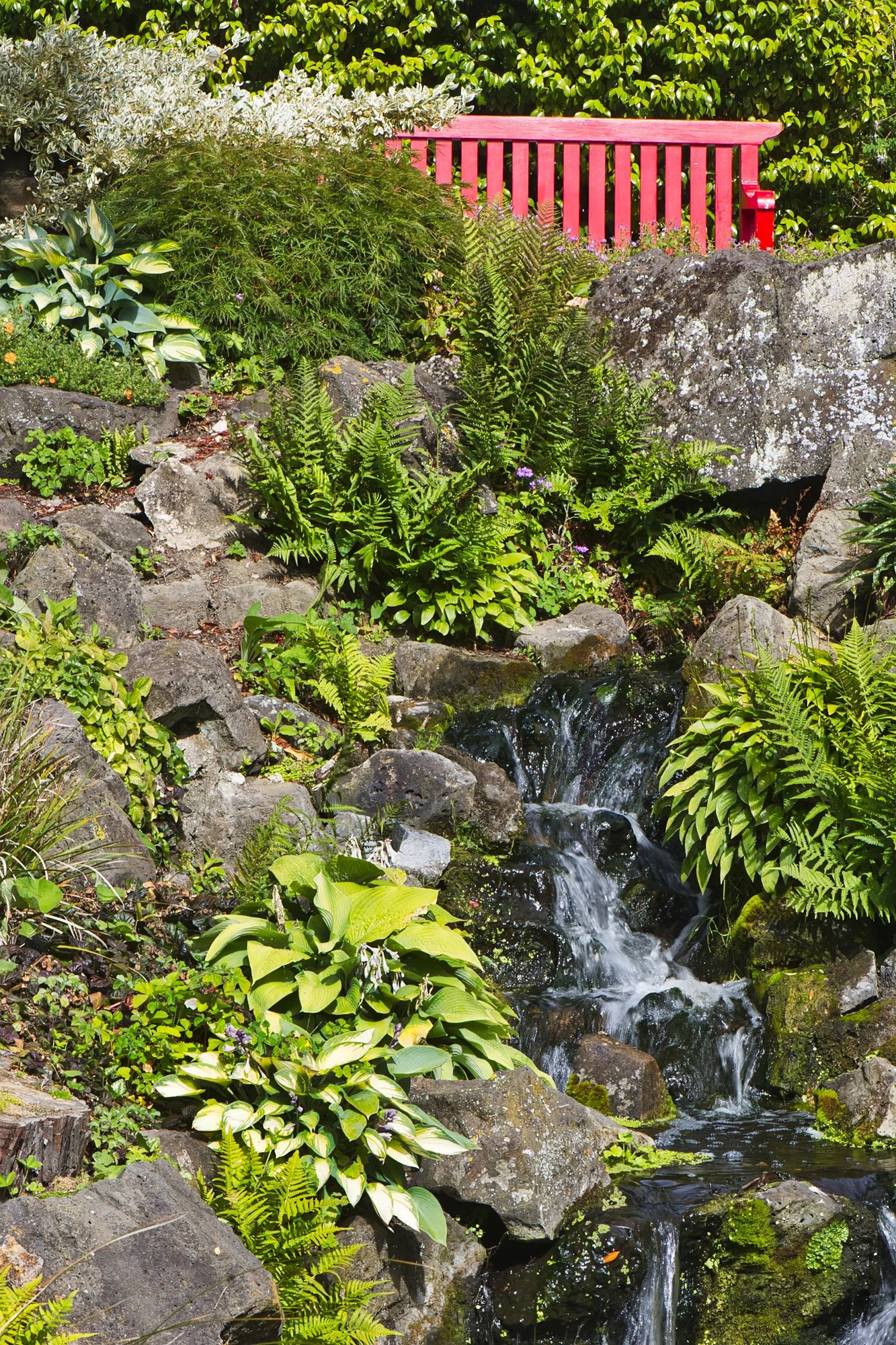
We spent a half day here then headed south to Dunedin.
Other Oamaru Sights
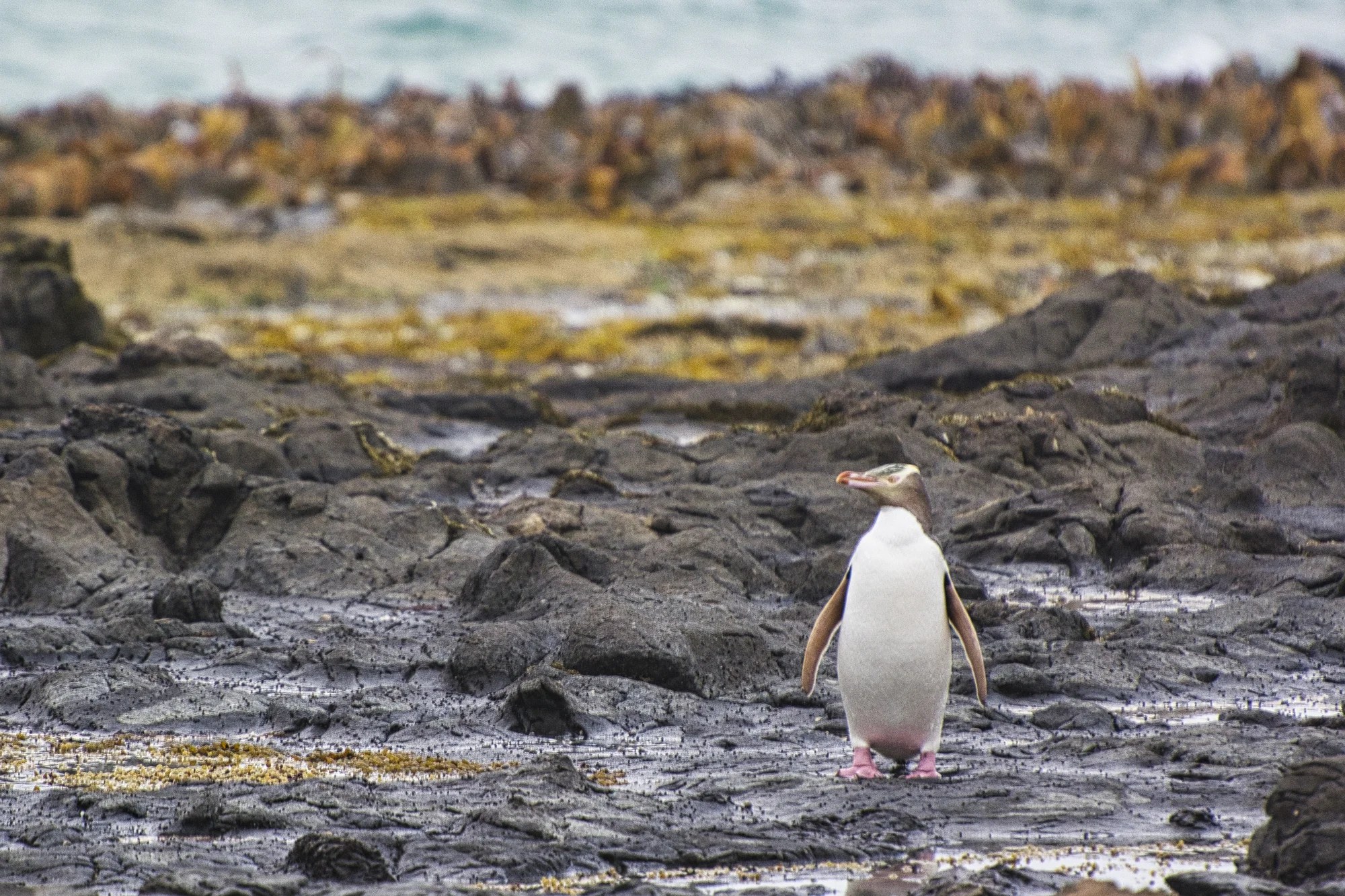
One place to visit is the well-known Steampunk Museum. Blue penguins can be seen in a touristy and expensive amphitheatre in the harbour. The Yellow-eyed penguin (hoiho) is the rarest in the world. They can be viewed at Bushy Beach Reserve (free). However, we had already seen them in a natural setting at Curio Bay with our birder son.
Oamaru References
Historic Whitestone Architecture of Oamaru & Waitaki District, Waitaki District
Oamaru Historic Area, Heritage New Zealand 2023
Moeraki Boulders
Oamaru – Moeraki Boulders 39 km 0:30 hrs.
On your way to Moeraki, stop at Hampden Takeaways (G4.6) in Hampden for the best French fries. However, it is only open 11:00-14:00 and 16:00-19:30 hrs.
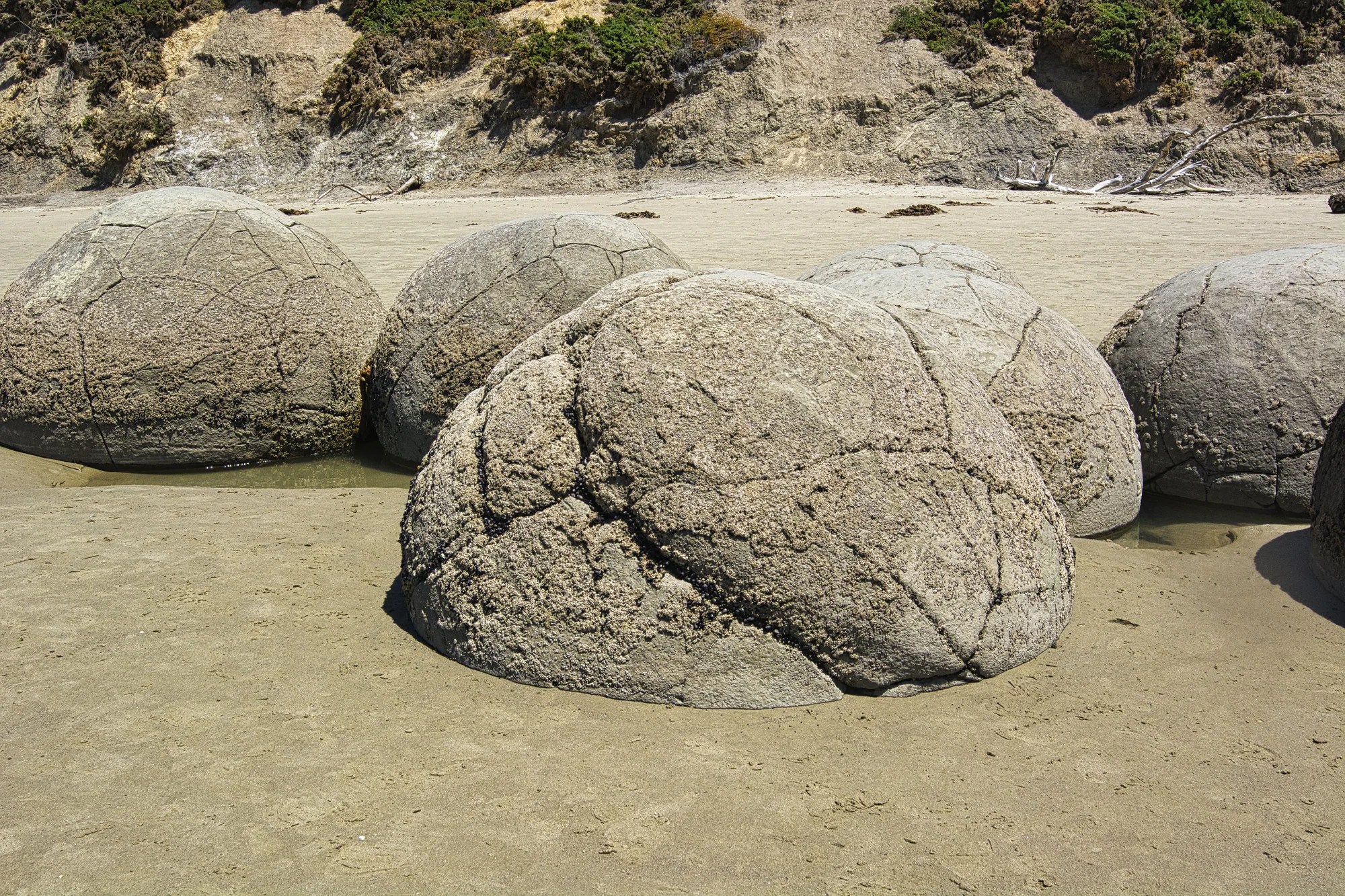
The Moeraki Boulders are close enough to day-trip from Oamaru but we stopped on our way to Dunedin. In New Zealand, the shoreline is generally owned by the government, so it is free to visit.
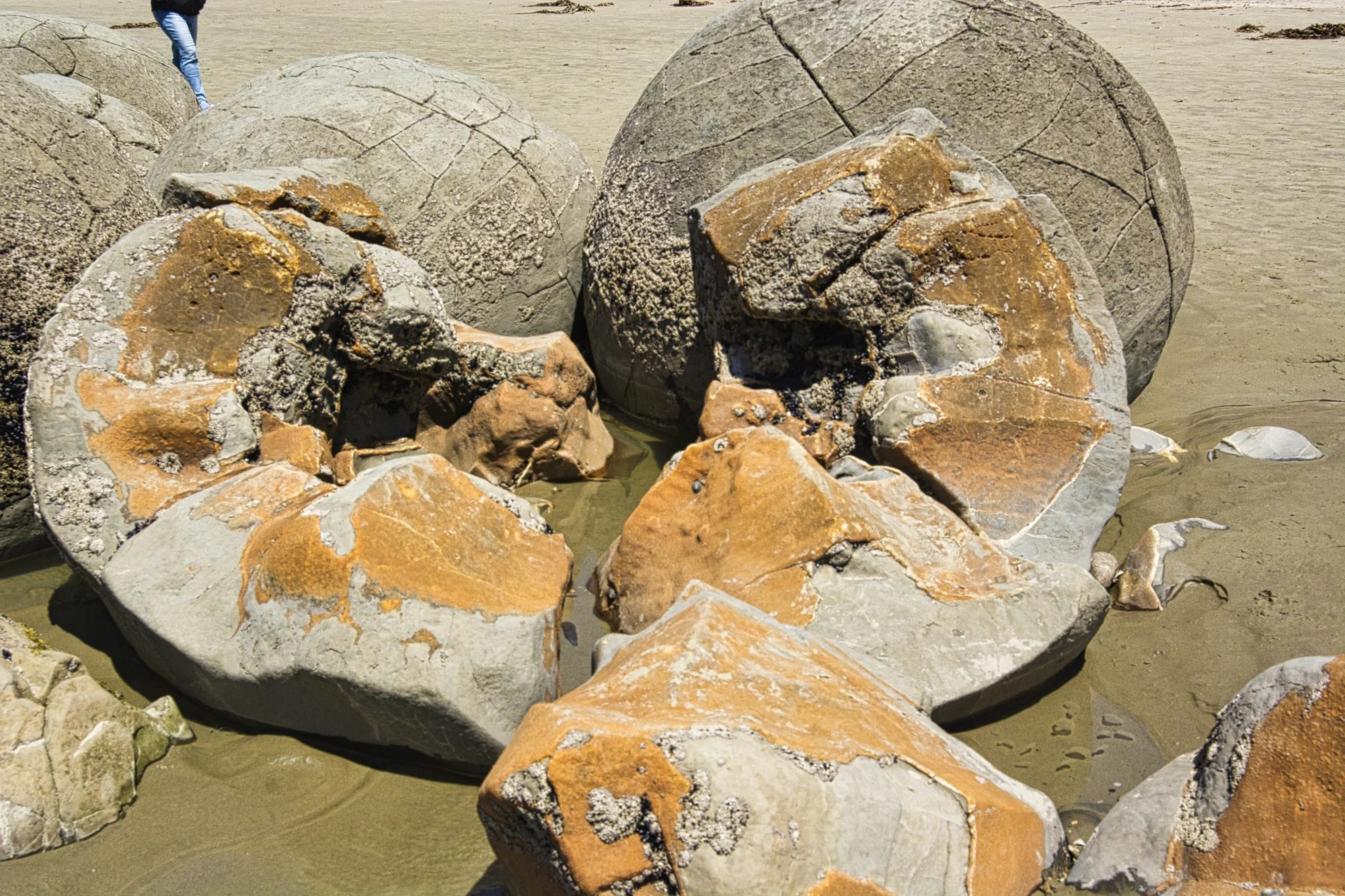
These mysterious boulders are round but some of them have cracked open displaying their orange core. They are orange due to iron oxides. The boulders are concretions of mudstone and clay, cemented by calcite. The cause of the interior cracks is unknown. They were formed around 60 million years ago during the Paleocene era. This is the first era after the dinosaur Mass Extinction Event.
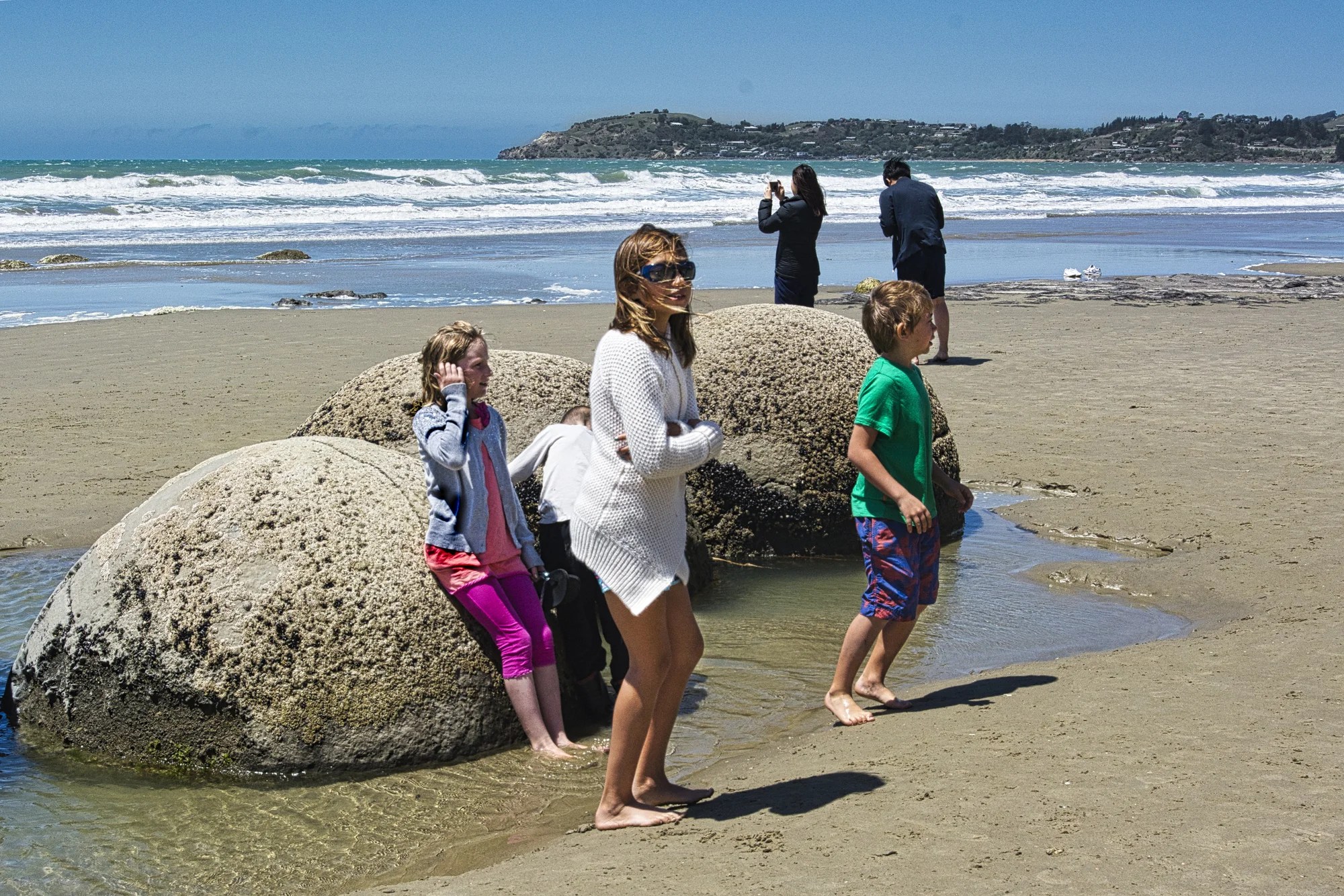
I think there were more Kiwis than tourists. It was not that crowded as you can see from the photos. So I had to take one photo with a Kiwi family. We stopped for coffee at the café at the top of the stairs.
Katiki and Shag Points
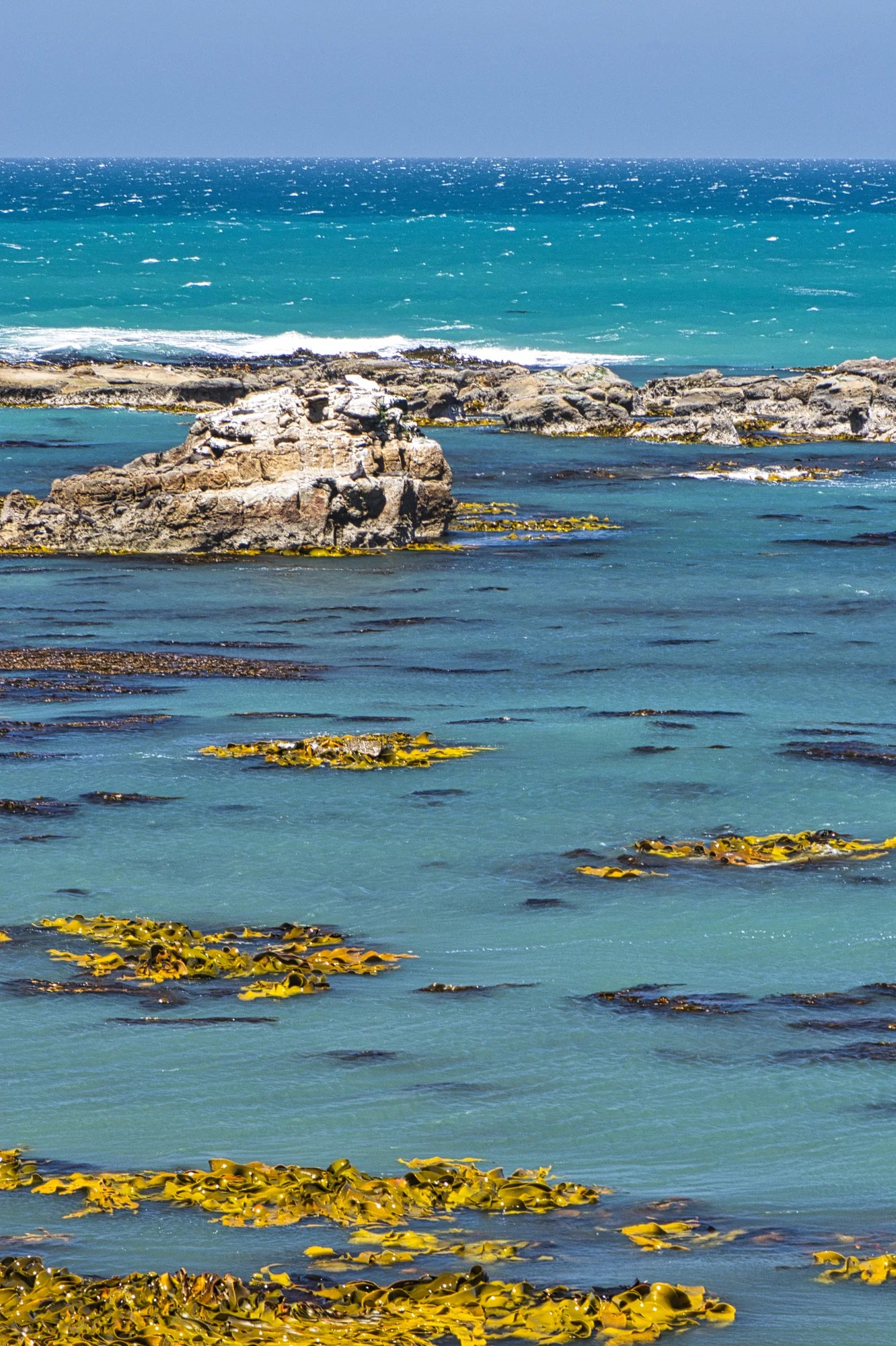
It was too early (well before dusk) to see the penguins at Katiki Lighthouse 7.7 km away. We drove this road for bird watching.
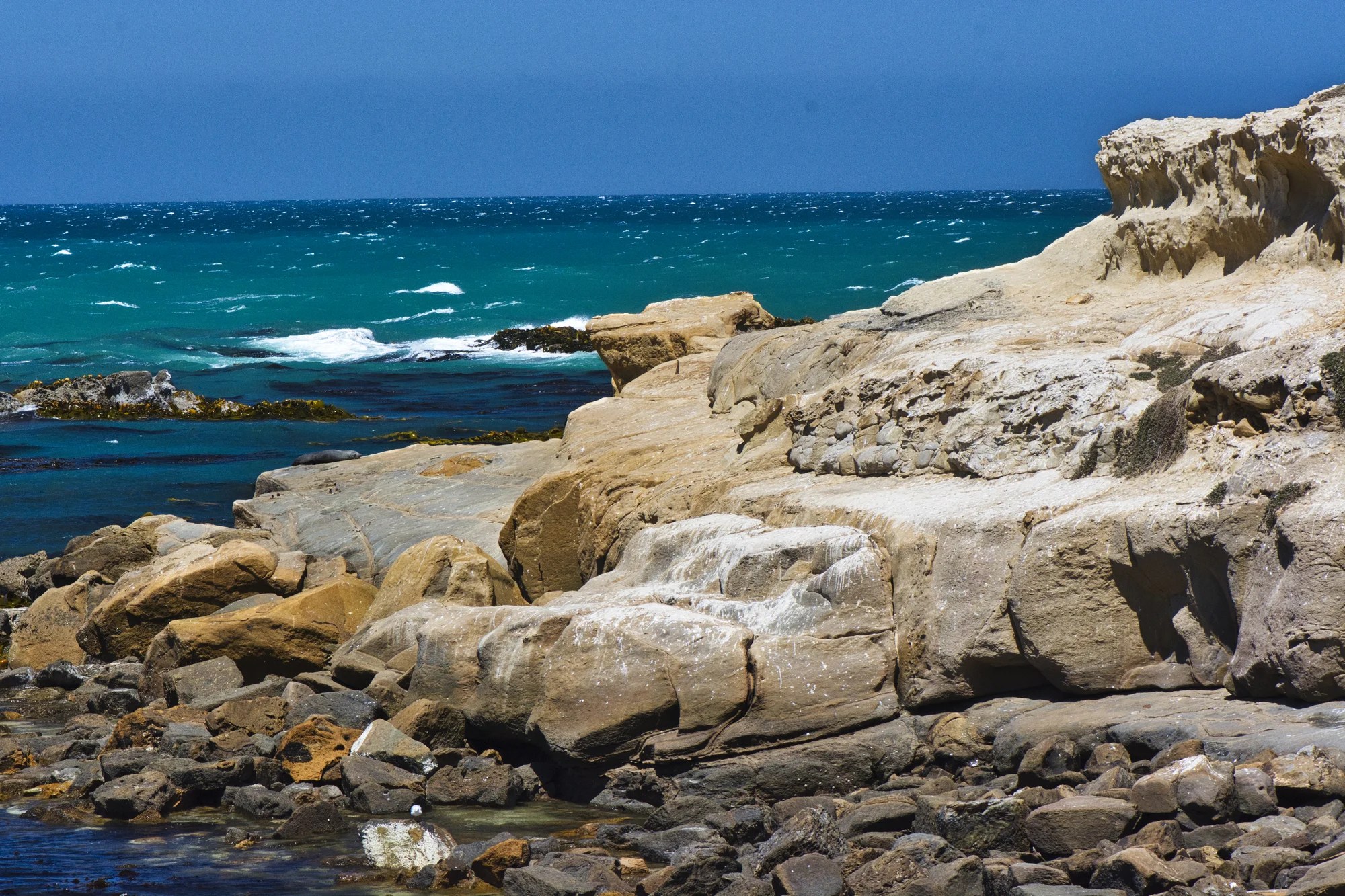
Shag Point Lookout (G4.8) is named after the shag bird. These are not must-sees. But the gorgeous turquoise waters lapping the jagged stone outcroppings are photogenic.
Dunedin
Moeraki – Dunedin 73 km 0:55 hrs.
Lodging: Aria on Bank B&B G4.4 NZD 136 (USD 84)
In 1848, two Scottish ships founded the colony of Dunedin in the Otago region. As a result of the Otago Gold Rush in 1861, Dunedin became a major commercial centre.
Today, Dunedin is a charming city with two main themes — Victorian architecture and coastal scenery. As Dunedin is far from the main tourist trail, it is still a hidden gem. We recommend at least two to three days in Dunedin.
Dunedin Railway Station
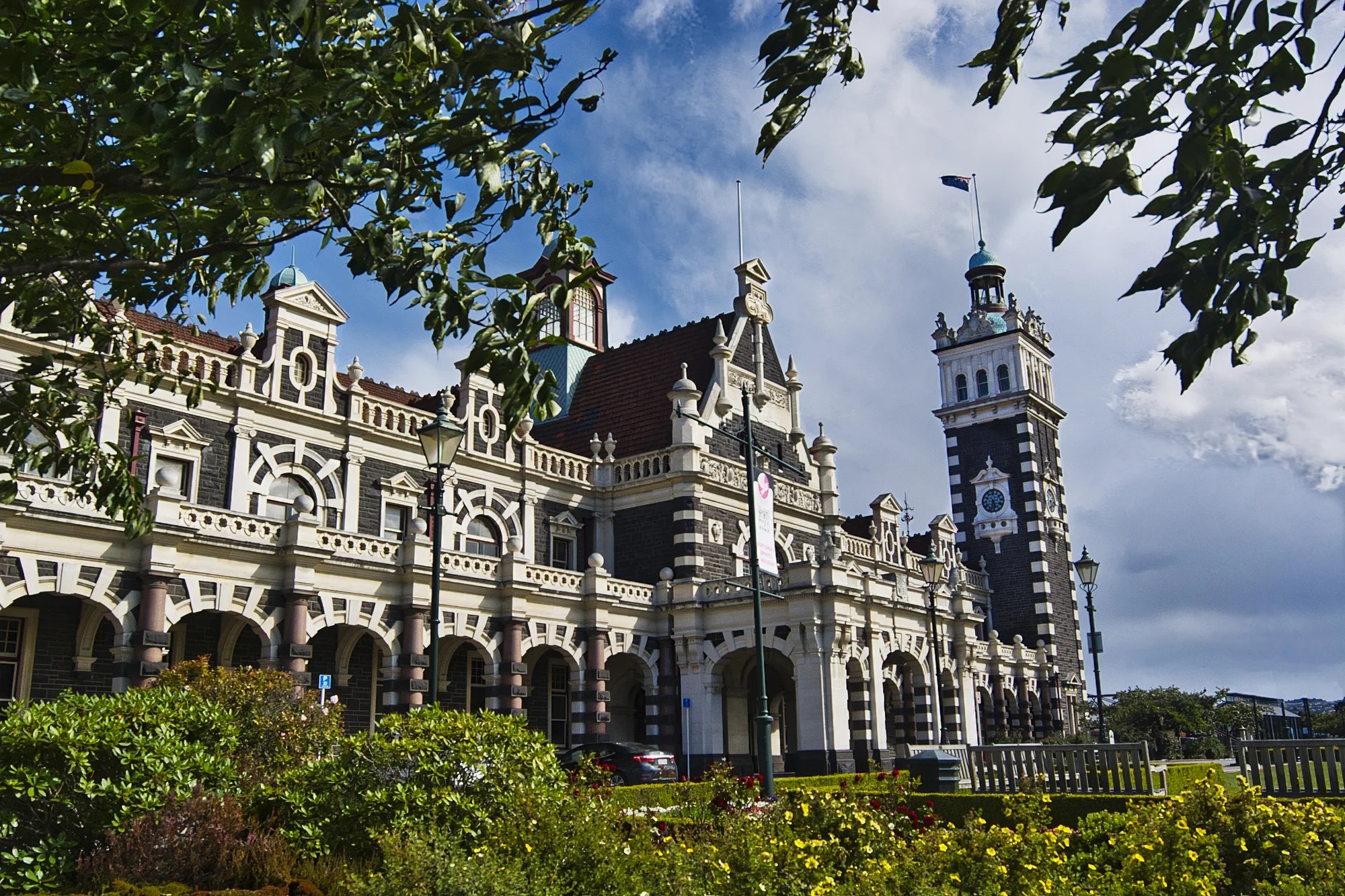
On our first day, we visited the city. Our first stop was the Dunedin Railway Station (1906) – the most photographed building in NZ. This magnificent Flemish Renaissance-style edifice is often called Gingerbread House style. It features white Oamaru limestone contrasted with black basalt rock. Every Saturday the adjacent car park transforms into the Otago Farmers Market.
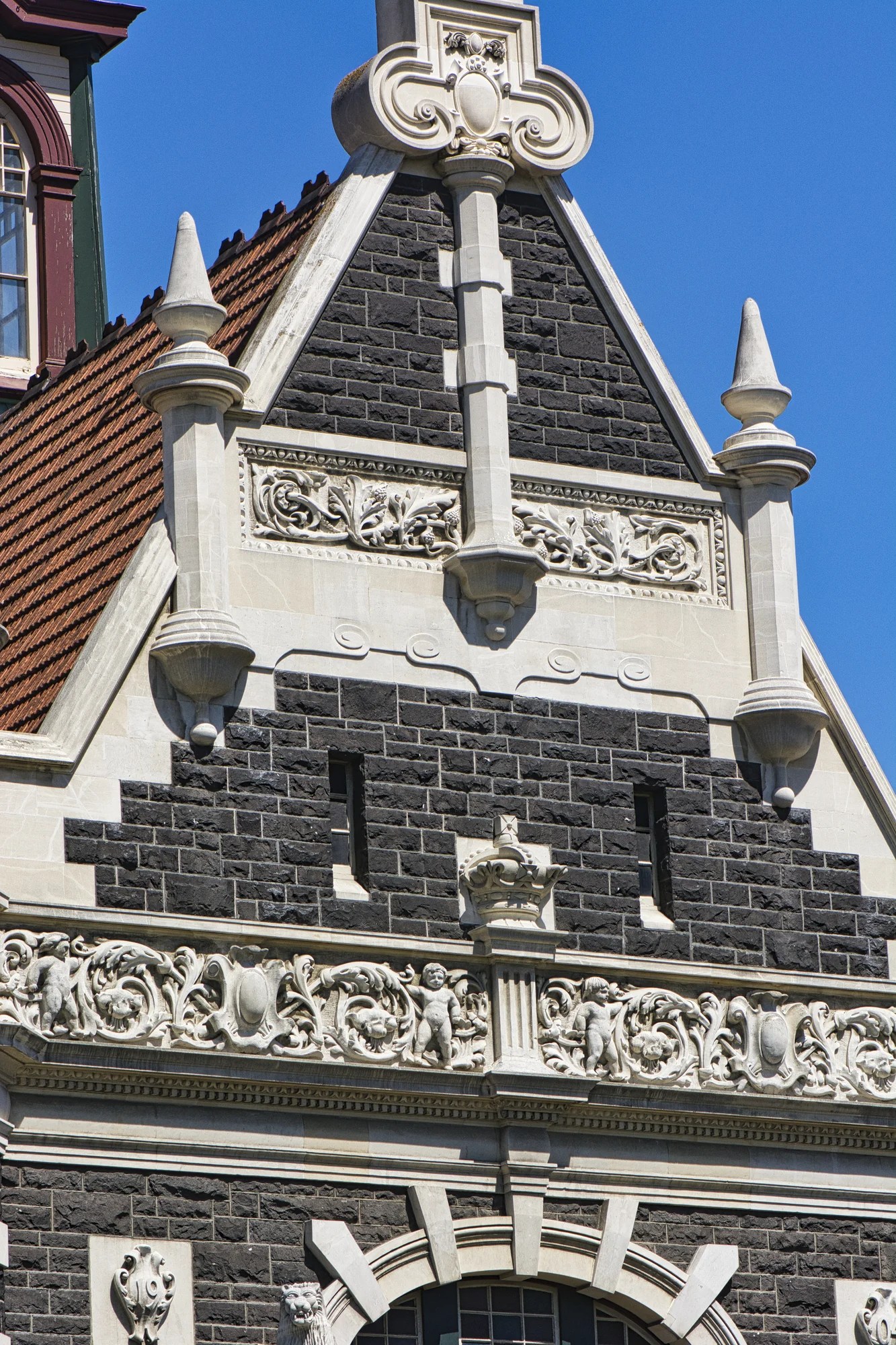
But if you want to appreciate architecture, you need to look at the details. The central tower depicts a frieze of floral scrolls with putti. Putto (plural, putti) are chubby winged infants. Putti were very common in Classical art where they represented Cupid. Putti were forgotten in the Medieval Era but revived during the Renaissance. Renaissance artists had a fascination with Classical mythology. Putti were decorative and associated with peace, prosperity, mirth, and leisure.
P.S.: Putto is derived from the Sanskrit word putra, meaning “boy child”. The Latin word putus means little man. Indo-European languages are related to Sanskrit due to our common ancestors. The Proto-Indo-European (PIE) tribes (formerly called Aryans) migrated from the Caucasus mountains to India, Iran, and Europe.
Dunedin Station Booking Hall
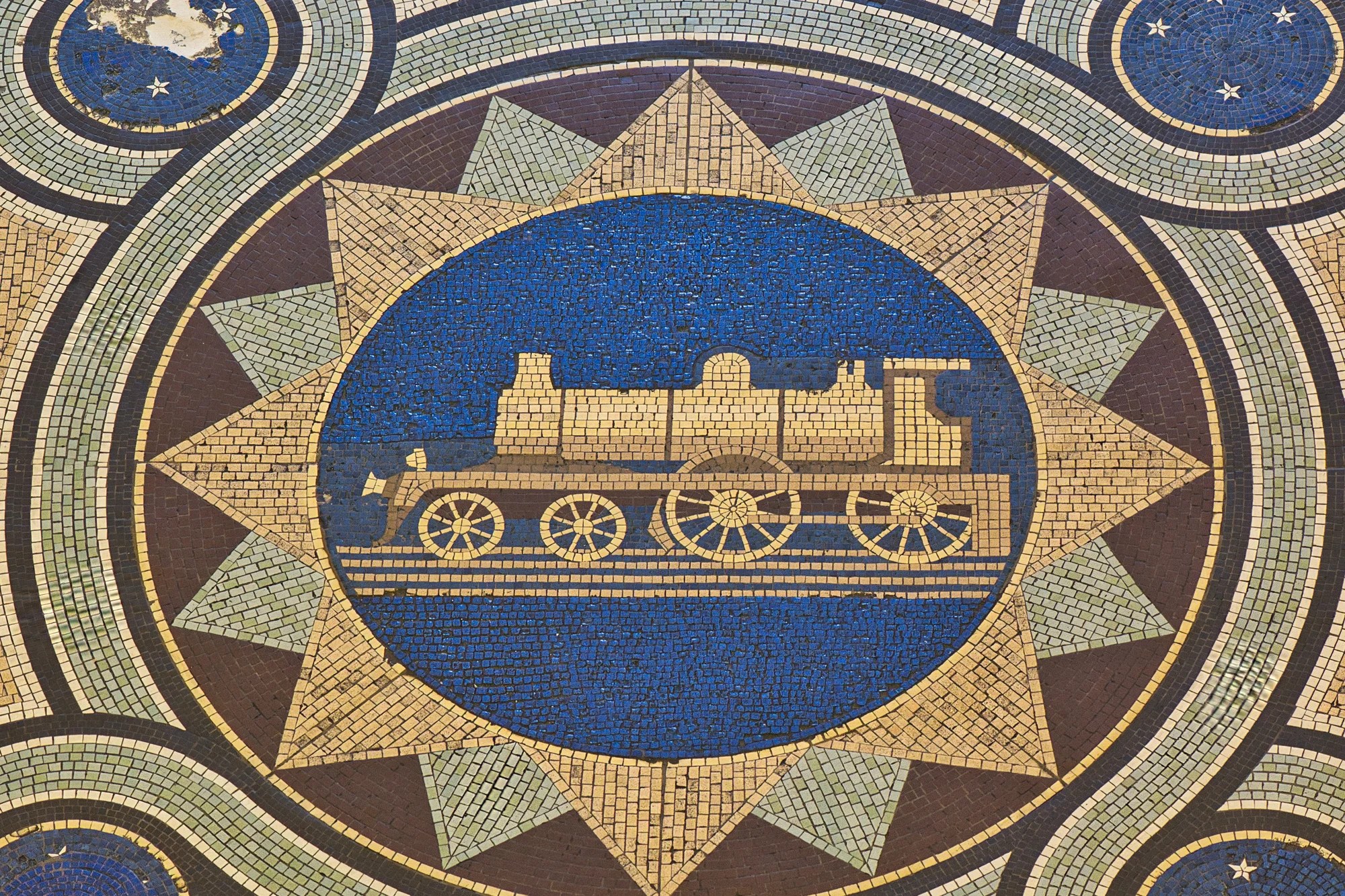
Go inside for more surprises. The booking hall features a floor of ca. 750,000 mosaic tiles. They were made by Minton, the leading ceramic factory during the Victorian era. It features a locomotive in the centre.
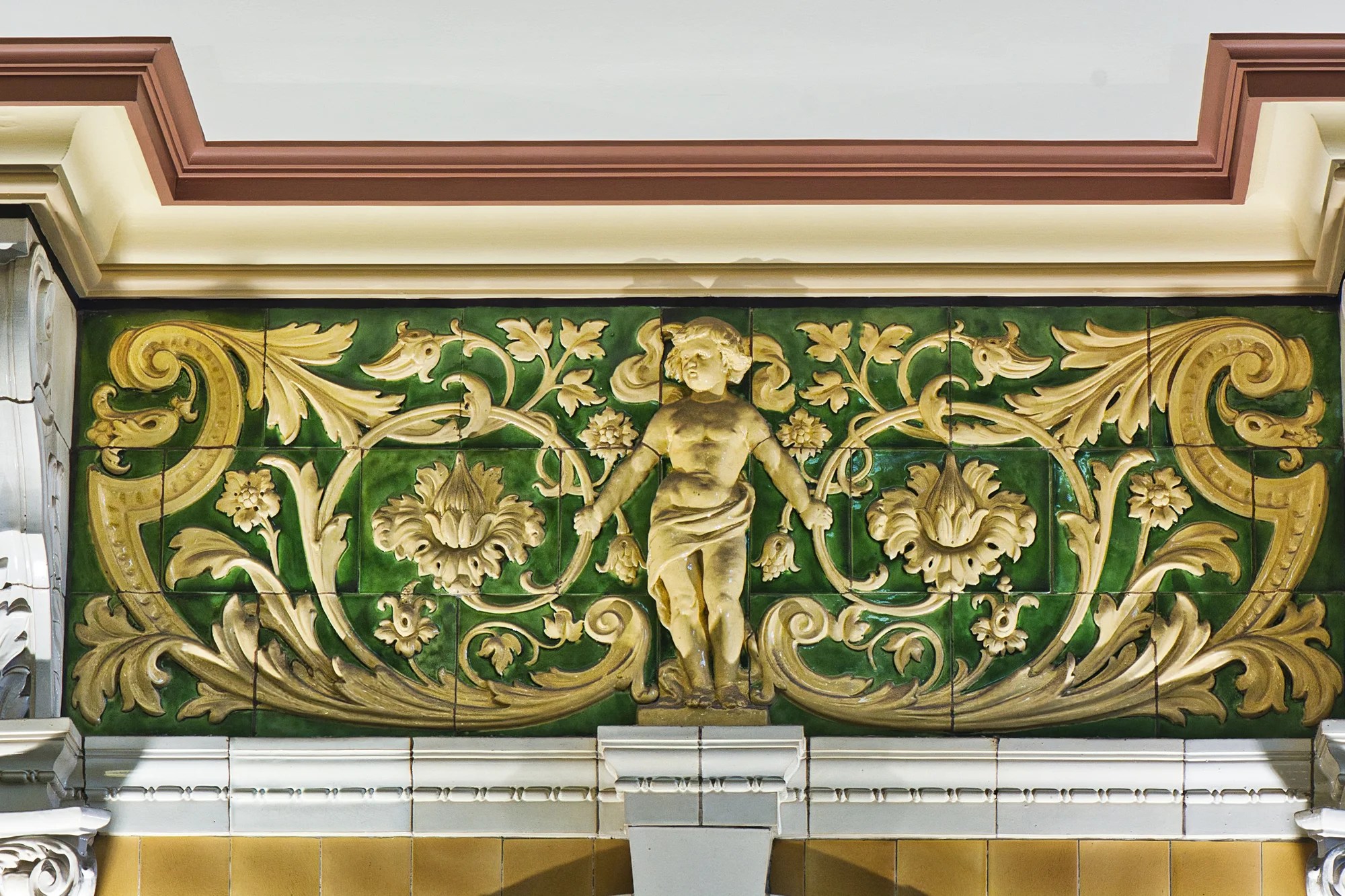
The frieze around the walls reminded me of a della Robbia terracotta. It turned out to be gold Royal Doulton porcelain on a green background.
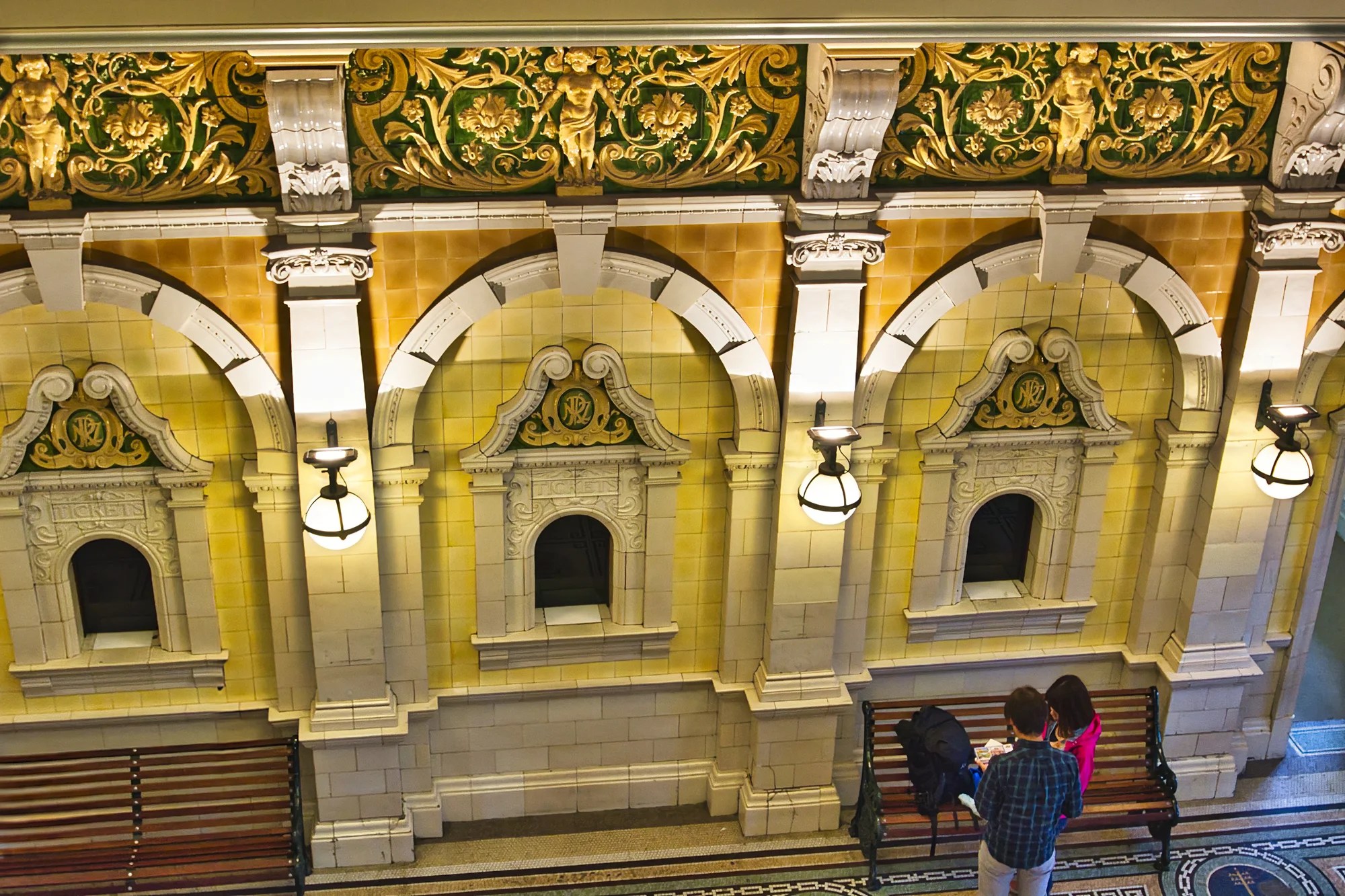
Go up the stairs for the view of the mosaic floor and porcelain frieze from above.
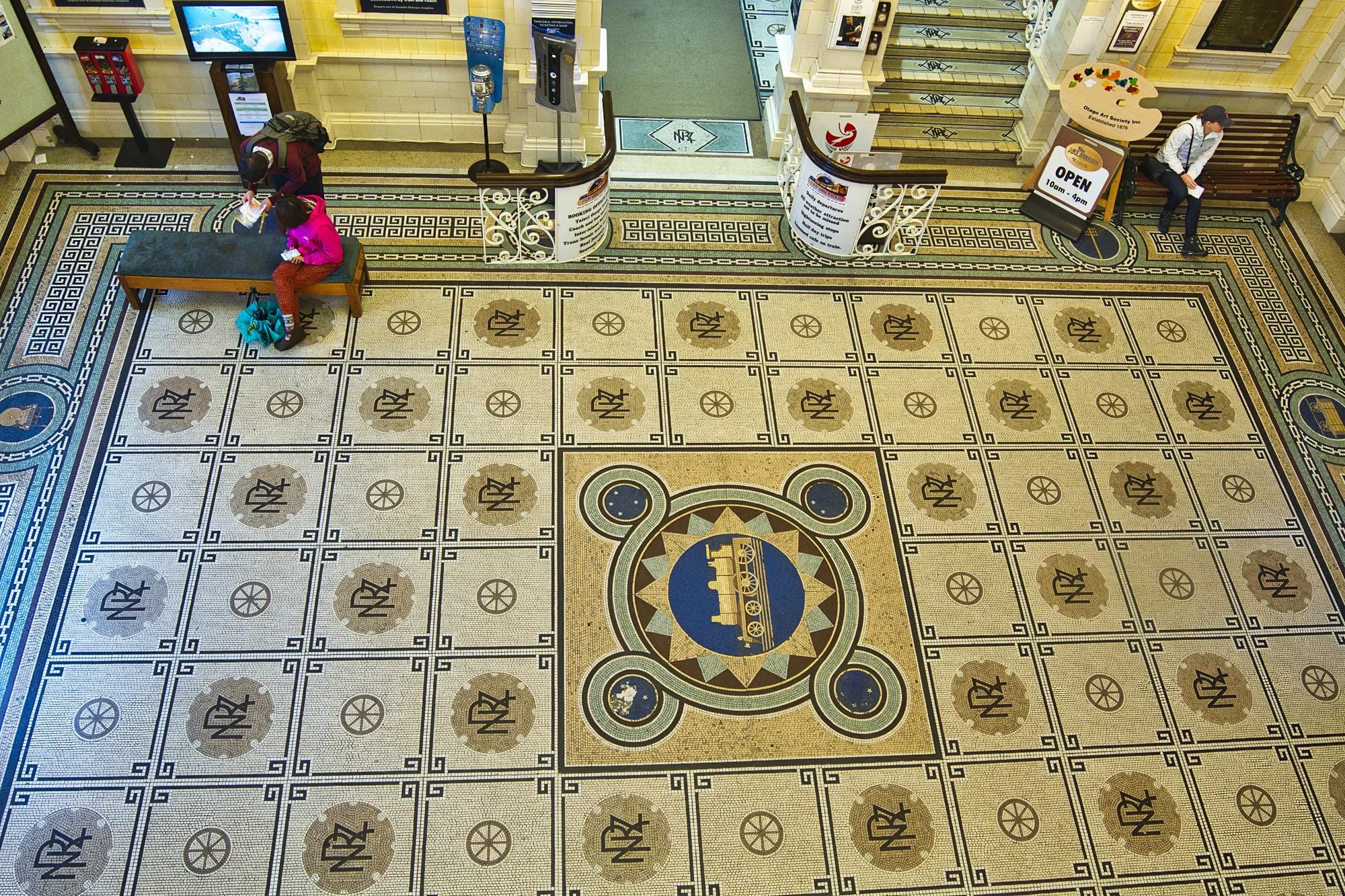
The tiles surrounding the locomotive have a stylized “NRZ” standing for New Zealand Railways.

Also look at the colourful locomotive stained glass.

The lion symbolizes strength, courage, and nobility. It associates these attributes with the railway.
University of Otago

The University of Otago means Dunedin has a large student population and a lot of cafés. The University also has beautiful stone buildings.

The Gothic Revival style was used to emulate major universities in Britain.

The windows use ogival arches. A university professor was wodering why we were taking all these photos. He asked us if we had a connection to the University, which started up a whole conversation.

One of the special buildings is the Geology Dept.

Outside this building is an outdoor geology “museum” of ancient rocks and fossils. This rock began as sandstone and was metamorphosed into black schist. Schist forms when sedimentary rocks are subjected to high pressure and temperature as shown by the folds. This was caused by tectonic (continental) plate collision ca. 150 million years ago in the Cretaceous Era.

Because it was an isolated island during the Cretaceous Era, NZ did not have the huge plant and meat-eating dinosaurs. But it does have a lot of marine fossils. In the centre of the photo is a turritellid shell (conical gastropod shell). At the right edge are tusk shells (molluscs).
Atmospheric Streets

There were several atmospheric streets with ironwork balconies and doorways. Unfortunately, I did not write down the locations. One photo showed the street number 519 on the door.
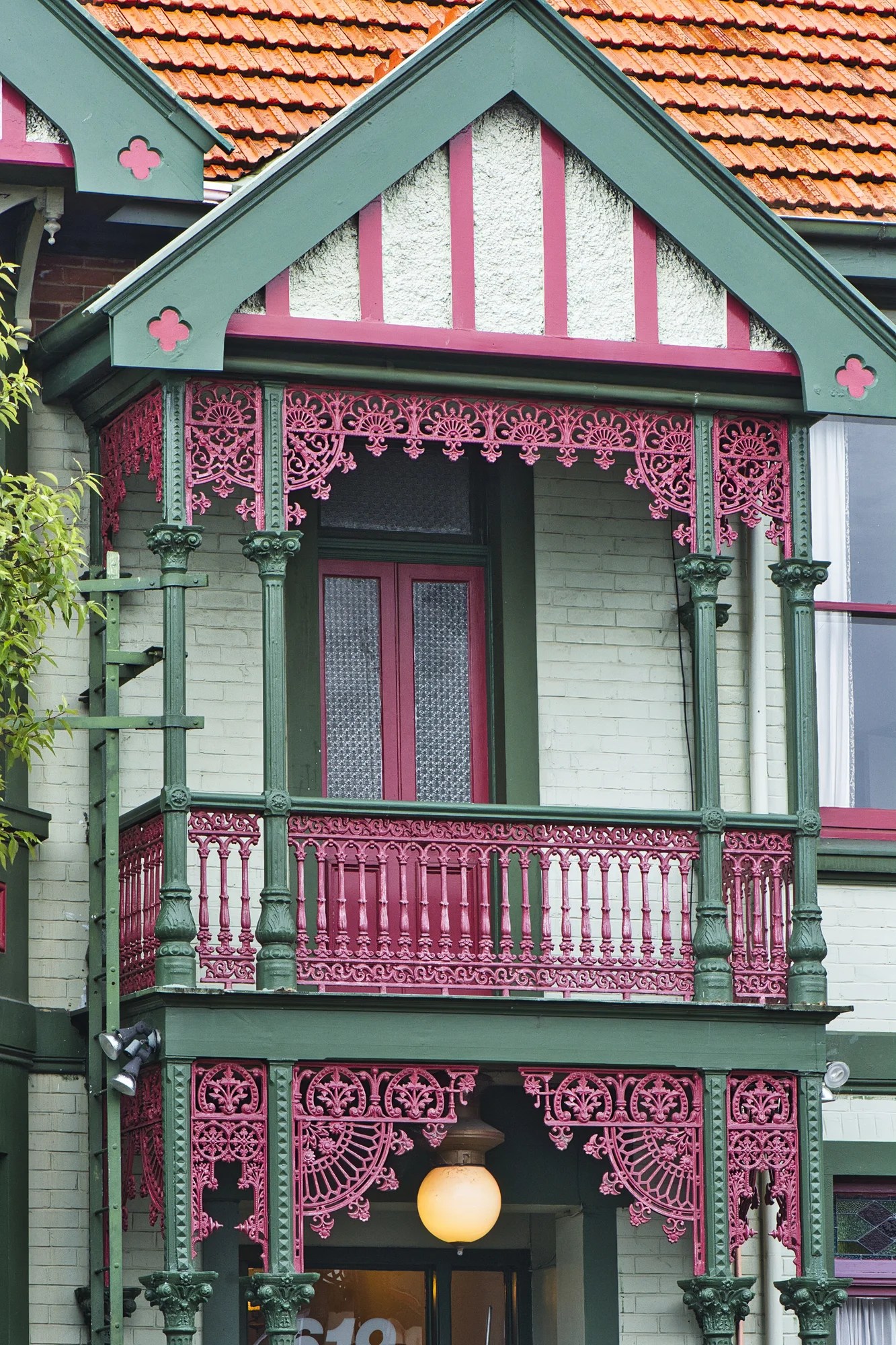
Here is an example of the power of the Internet. I typed 519 into Google Maps. Then I went through the alternatives on Google Street View. I confirmed the building address as 519 George St. Only the paint colour has changed.

Next to the purple and green wrought iron, I saw this pensive tenant looking out of her window. We also went to the steepest street, Baldwin. Unfortunately, my photo does not capture the incredible steepness.
Olveston House
Address: 42 Royal Terrace
Hours: 09:00 – 17:00 hrs. Entry by guided tour only
Entry Fee: adult NZD 25; senior & YHA $23.50; youth $14.50
Tours: one hour @ 9:30 am, 10:45, 12:00, 13:30, 14:45 & 16:00
Website: www.olveston.co.nz
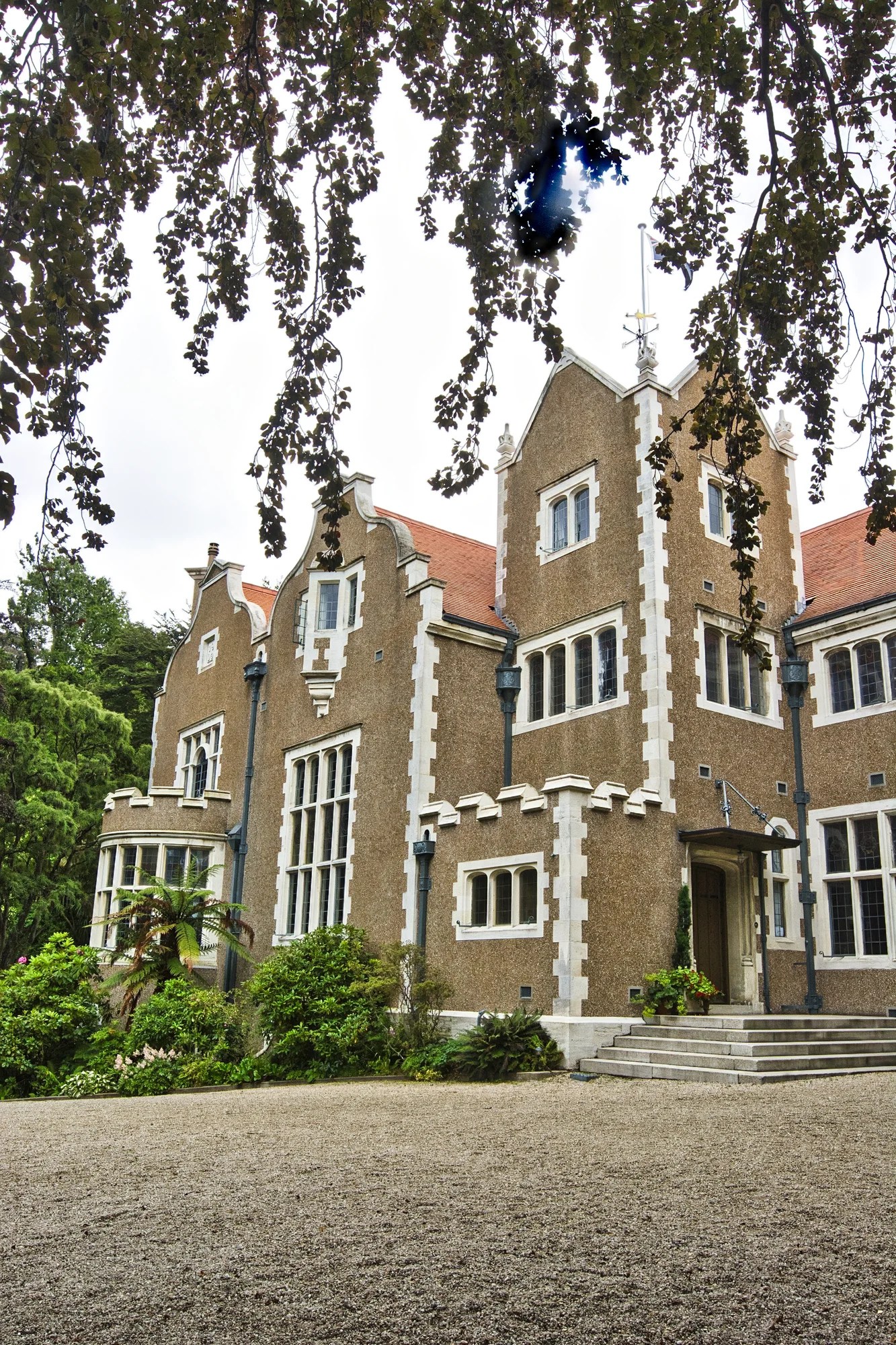
The exterior walls of Olveston House (G4.7) contrast tan plaster with white stone. It was built in Jacobean style, a late Renaissance style in the period of King James I (1603–1625). Elements of this style are ornamental scrolls and rustications. In Olveston, rustication contrasts textured Moeraki gravel finish with smooth-faced Oamaru stone.
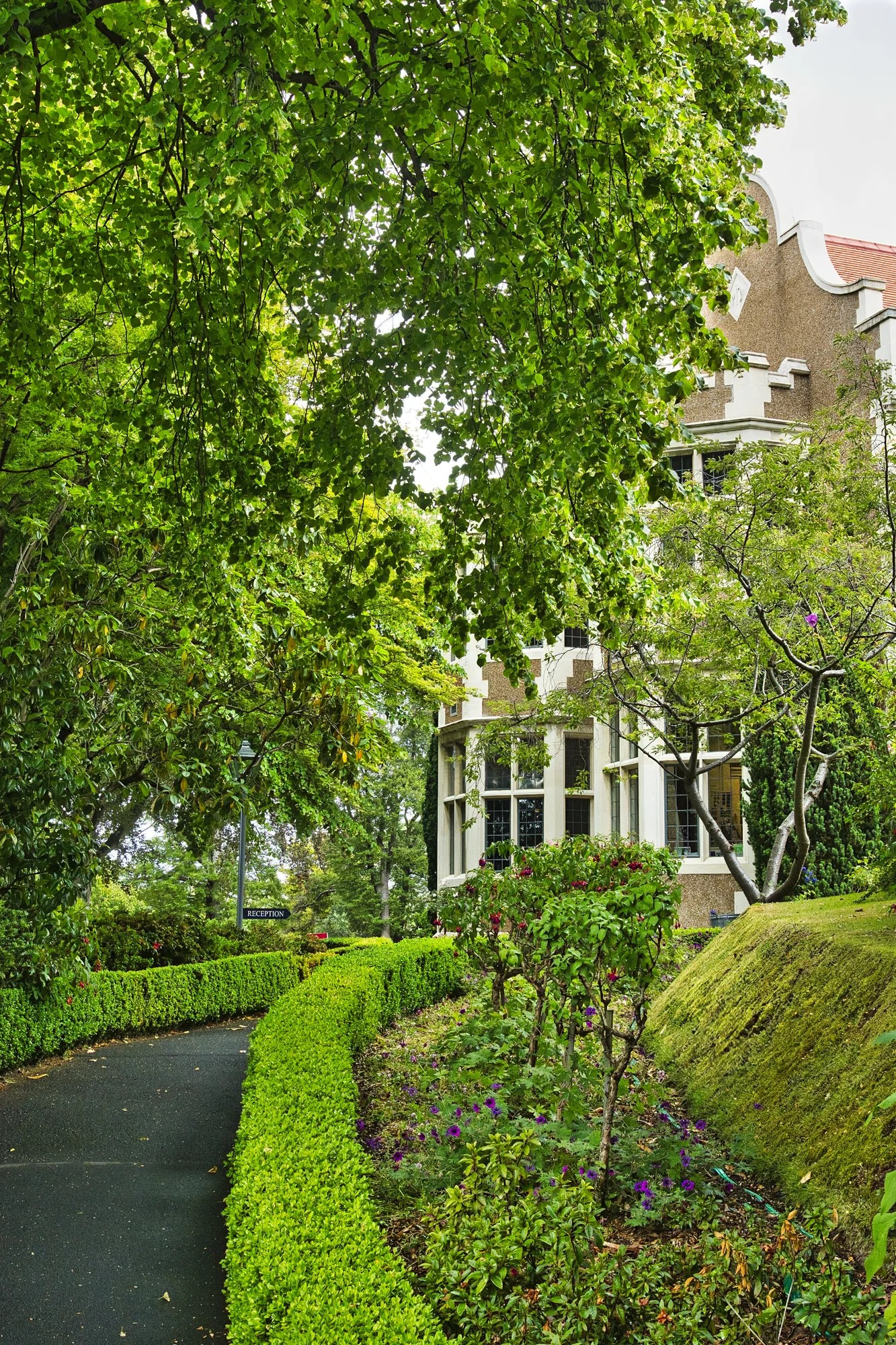
Photography inside the house is not permitted, so I do not have any photos of the amazing interior. My two favourite rooms are the Great Hall and the Card Room. The Great Hall features the original golden acanthus leaves wallpaper, oak doors and ornate furnishings. The Card Room boasts exquisite gold and wine drapery and oriental furnishings. The art collection is overwhelming. See the Olveston virtual tour for photos.
The house has an area of 1276 sq. m or 13,735 sq ft!! It is estimated that the cost to build a similar home today would be NZD 6.38 million, excluding the furnishings and land costs.
Olveston was built for businessman and art collector, David Theomin. It is an authentic home with original furnishings of a wealthy merchant family. After the death of the last Theomin heir, the will donated the house to the city of Dunedin in 1967.
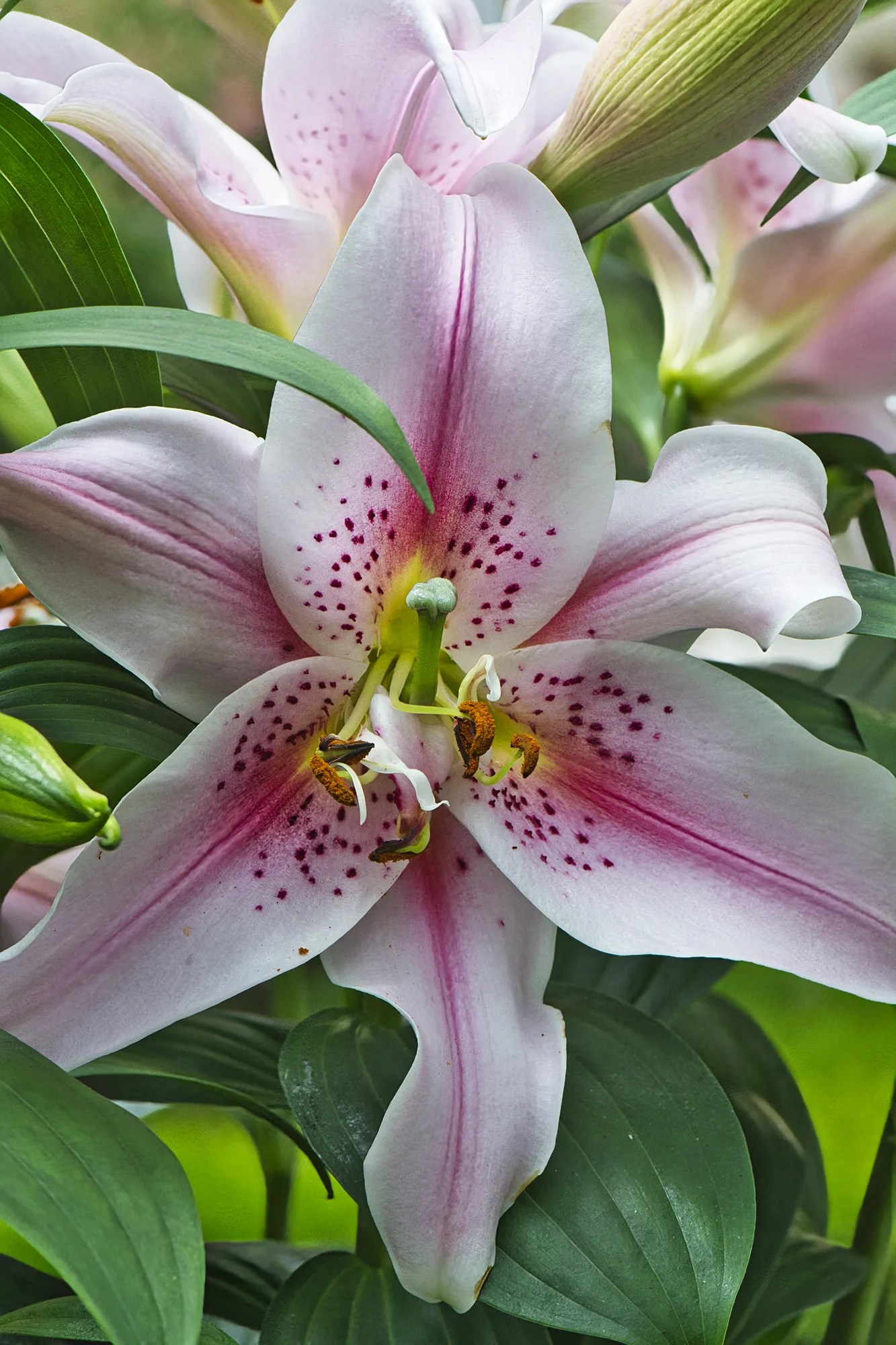
Entry to the exterior and the gardens is free for those on a tight budget. The best surprise at Olveston was the greenhouse with gorgeous flowers. The Showy lily (Lilium speciosum) originates from southern Japan and China. It is associated with purity and fertility.
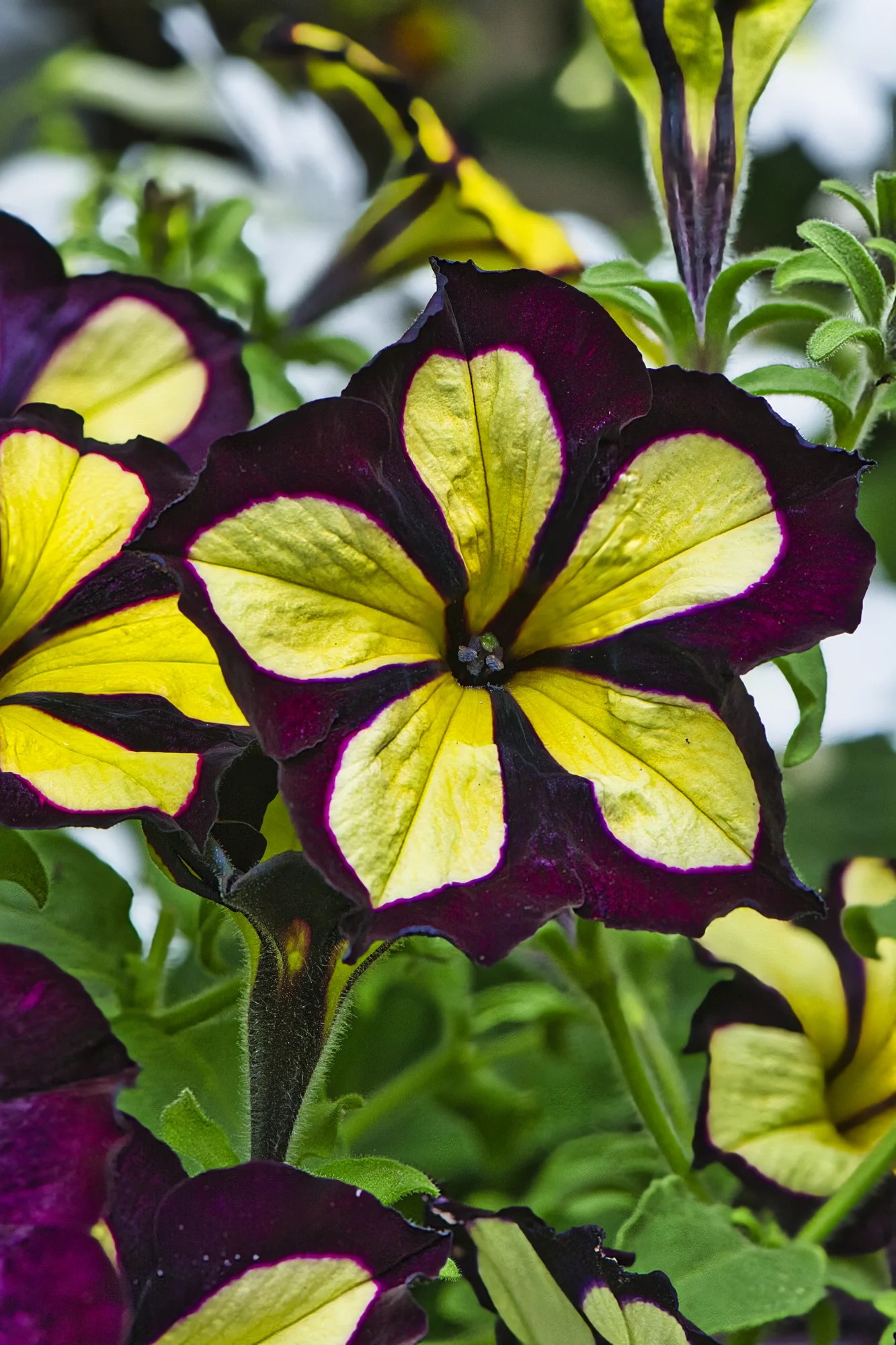
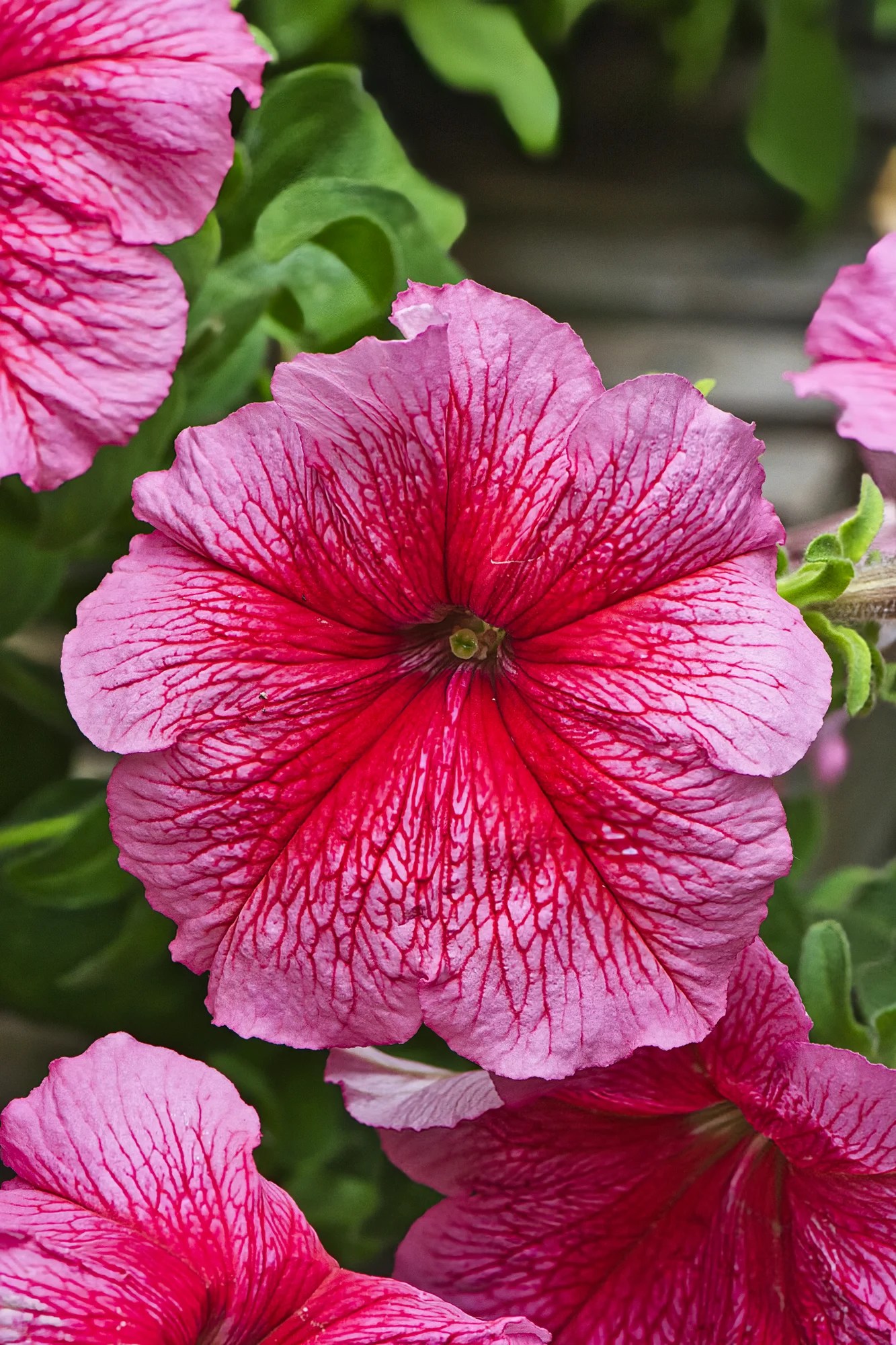
Garden petunias (Petunia ×atkinsiana) are native to South America. During the Victorian era, people used flowers to convey hidden messages when direct expressions were not acceptable. Petunias played a role in this secret language by representing strong emotions like admiration and longing.
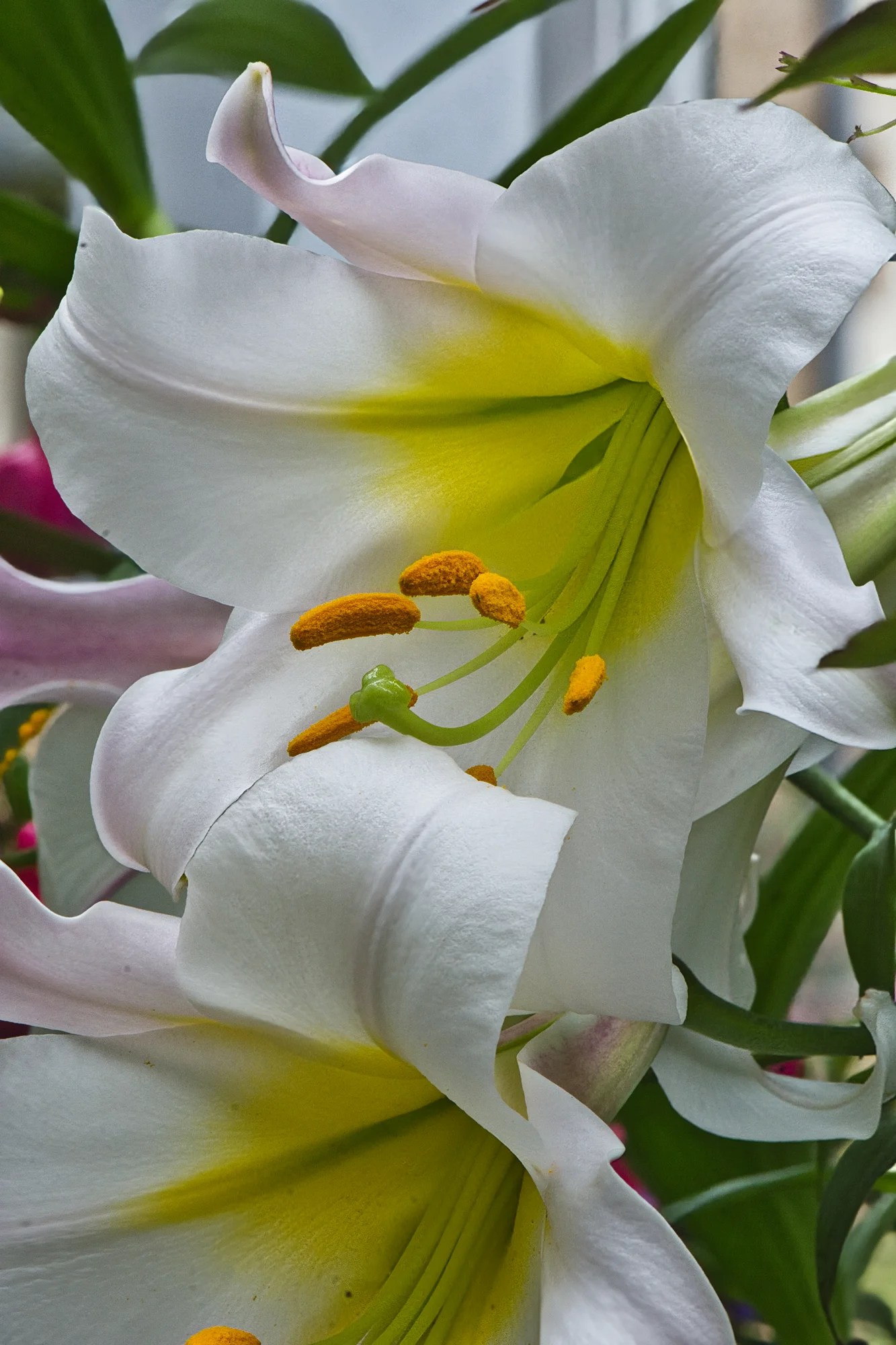
Royal lily (Lilium regale) is called the Christmas lily in New Zealand. It is native to Sichuan Province in southwestern China. It is associated to purity, chastity, rebirth, and hope.
We take flowers for granted. Bees are believed to have originated around 130 million years ago during the Early Cretaceous period. They evolved from ancient carnivorous wasps to bees feeding on nectar and pollen. The evolution of these important pollinators played a crucial role in the explosion of flowering plants.
Tūhura Otago Museum
Address: 419 Great King Street
Hours: 10:00 – 17:00 hrs.
Entry Fee: free
Tours: one hour @ 9:30 am, 10:45, 12:00, 13:30, 14:45 & 16:00
Website: https://otagomuseum.nz/
James Hector
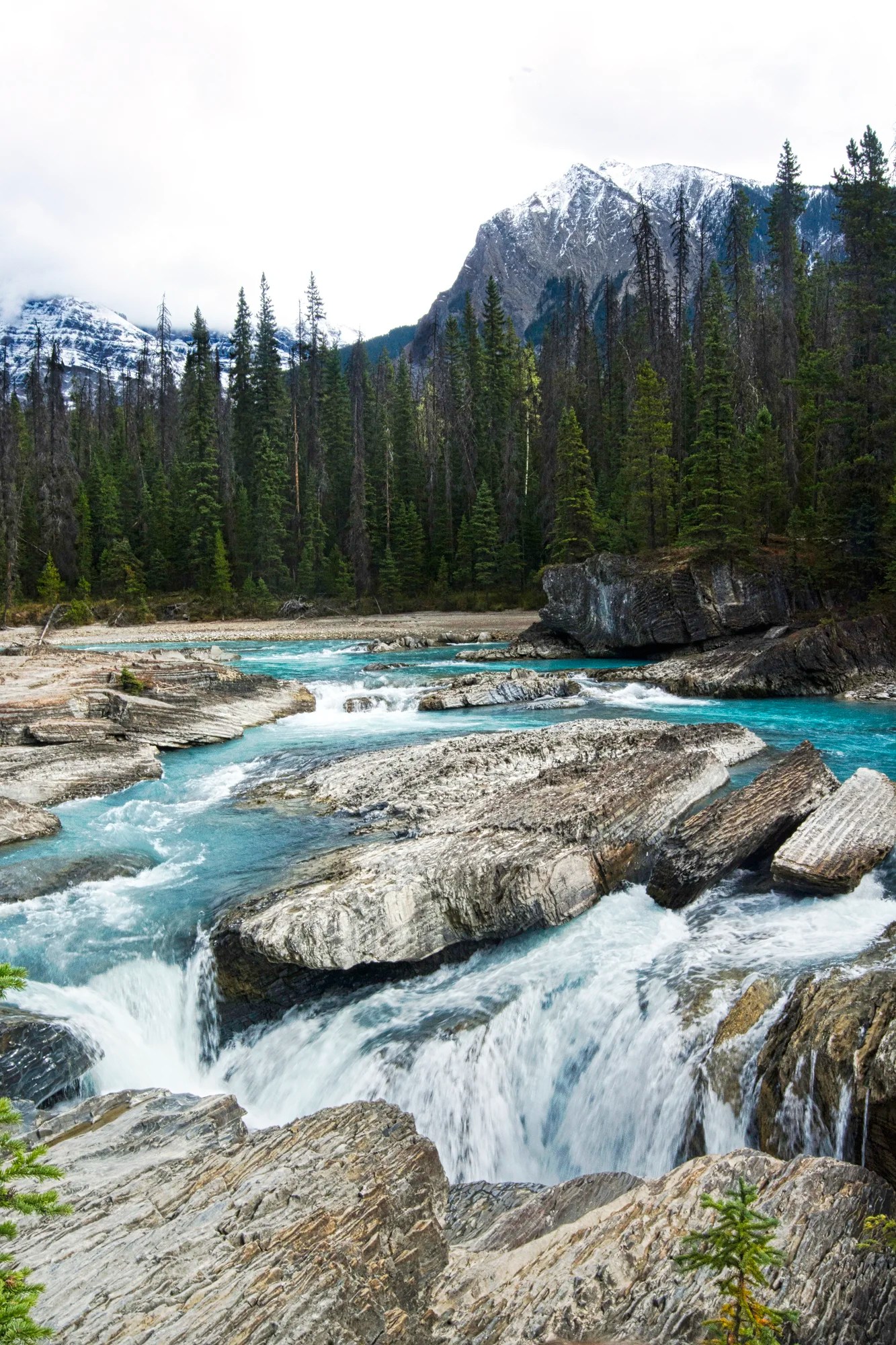
This museum has a Canadian connection. It was founded by Kiwi geologist and naturalist, Sir James Hector (1834-1907). James Hector is famous for finding the Kicking Horse Pass through the Rockies for the transcontinental Canadian Pacific Railway (1858). He may be better known for being kicked unconscious by a horse crossing the river. After being thought dead, he came back to life and renamed the river, Kicking Horse!
The museum has an incredible geology and natural history collection donated by James Hector. But that is not why we went to the museum. We focused primarily on the Māori collection. The best places to see Māori carvings are Rotorua and Waitangi on North Island. So here is a worthy alternative on South Island.
Māori Carving
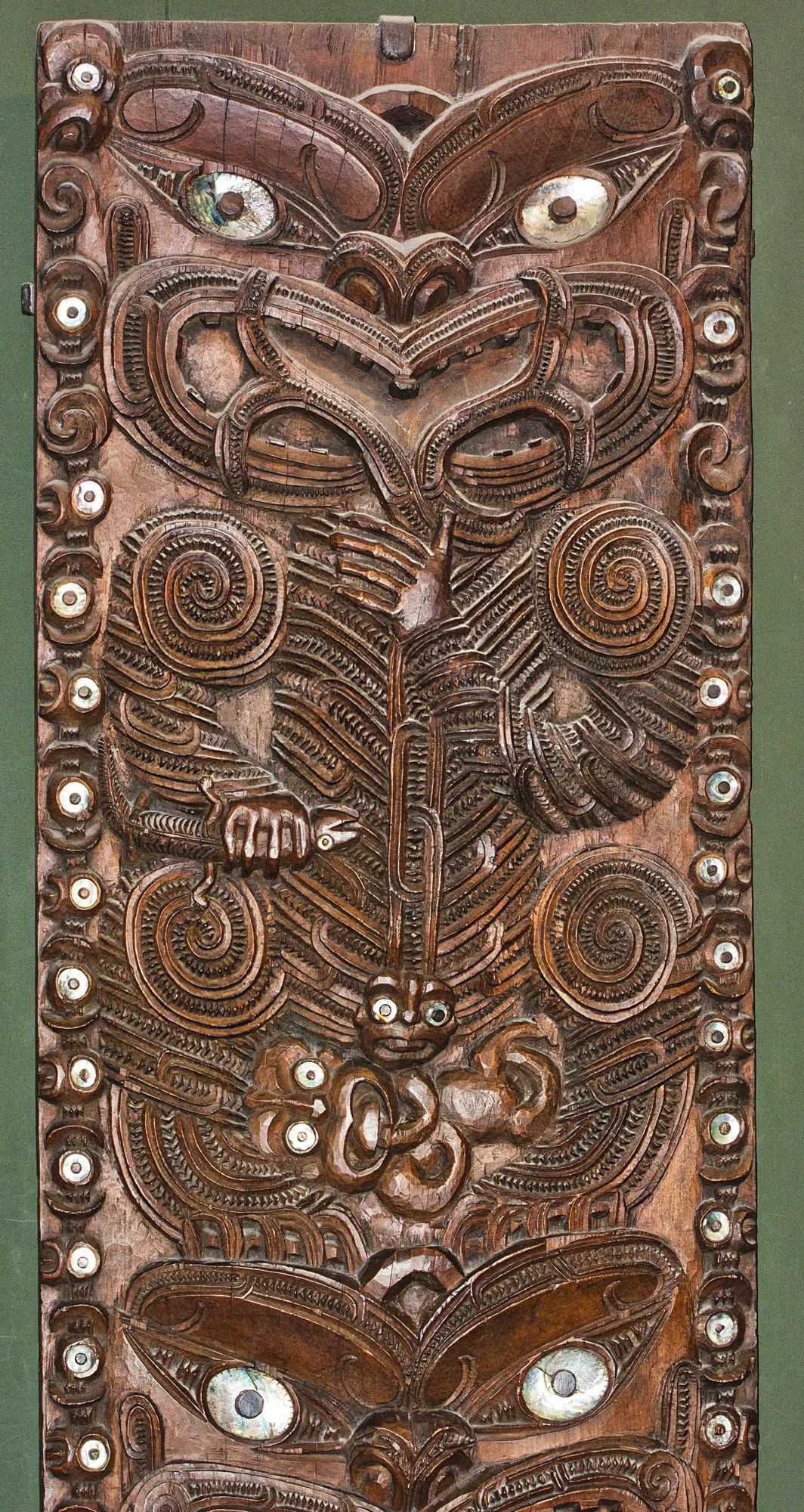
Māori from the Gisborne area near Napier made these carvings in the 1870s. These are wall panels for a wharenui (meeting house), which was never built. The carvings were purchased by mega collector Dr Hocken and donated to the Otago Museum. Dr Hocken developed a passion for collecting objects of Māori and Pacific ethnology.
The eyes are inlaid with a paua (abalone) shell. In Māori culture, paua are associated with the stars or whetū. They are considered the symbolic eyes of ancestors that gaze down from the night sky.
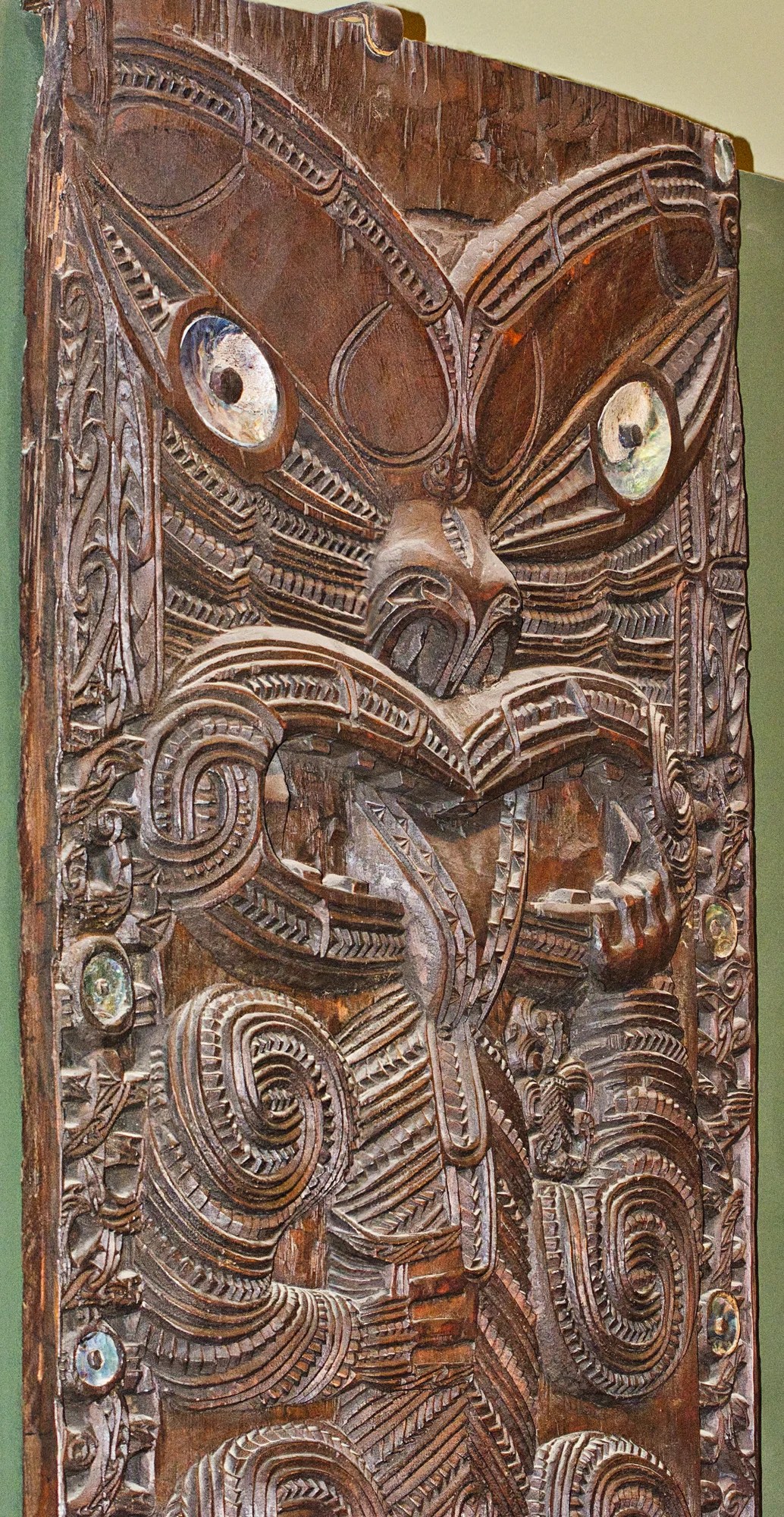
This series of carvings are poupou or wall panels. They are designed to represent the spiritual connection between the tribe and their ancestors. Each poupou is carved with emblems of the carver’s particular lineage.
Most of the carvings are grotesque figures in the haka gesture: the tongue protrudes from an overly large head. Haka is a greeting ritual with vigorous movements, facial contortions, and sticking out of the tongue. The latter has several meanings such as defiance, challenge, or assertiveness. War haka was performed by warriors before a battle, proclaiming their strength and prowess and intimidating the enemy. Today, Haka is performed by schools and sports teams.
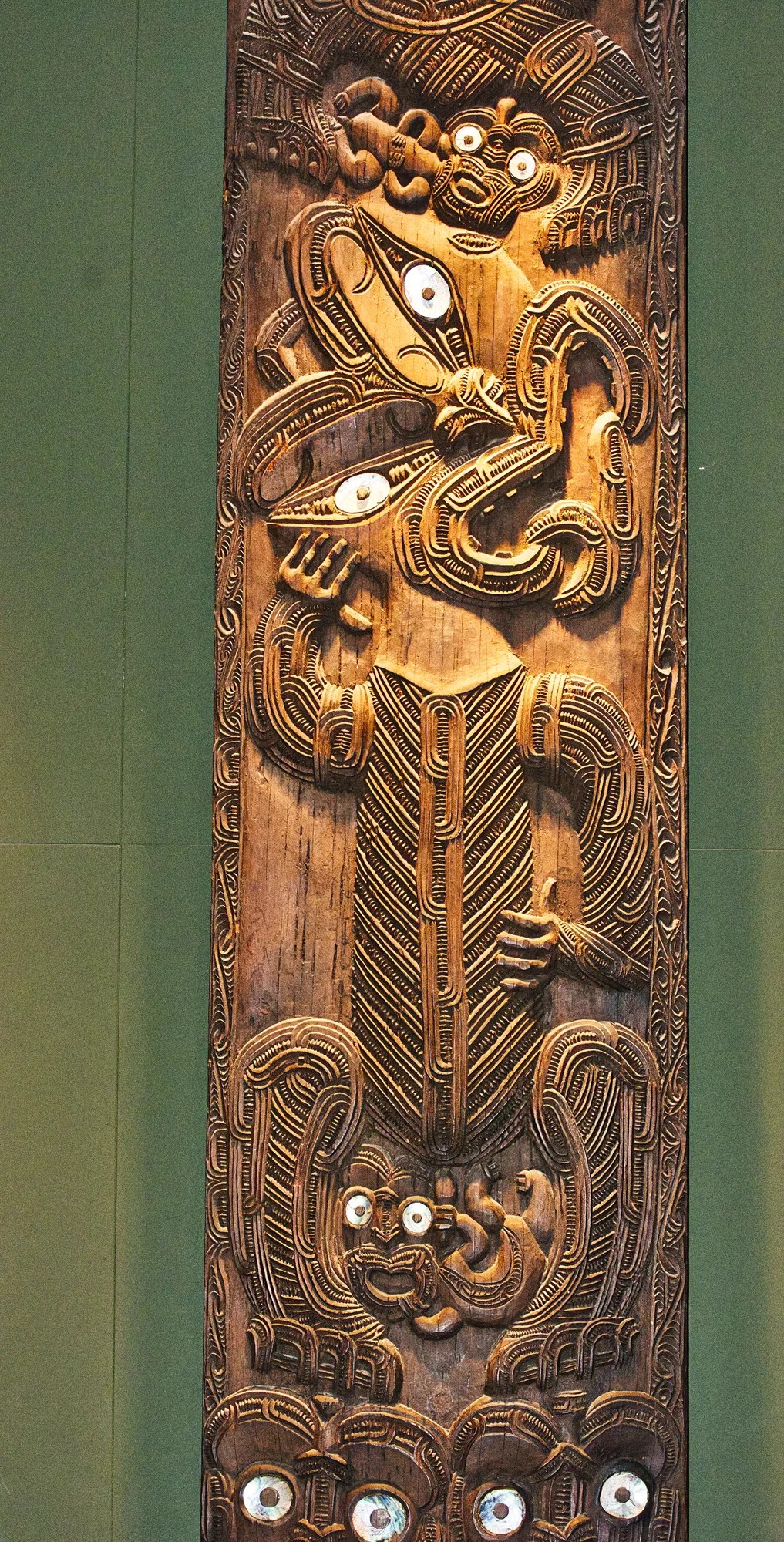
Often figures are carved with three fingers. This is believed to represent the cycle of life — birth, life and death. Another theory is that three-fingered hands represent reptile god ancestors of some of the tribes. However, many other figures have 4 or 5 fingers.
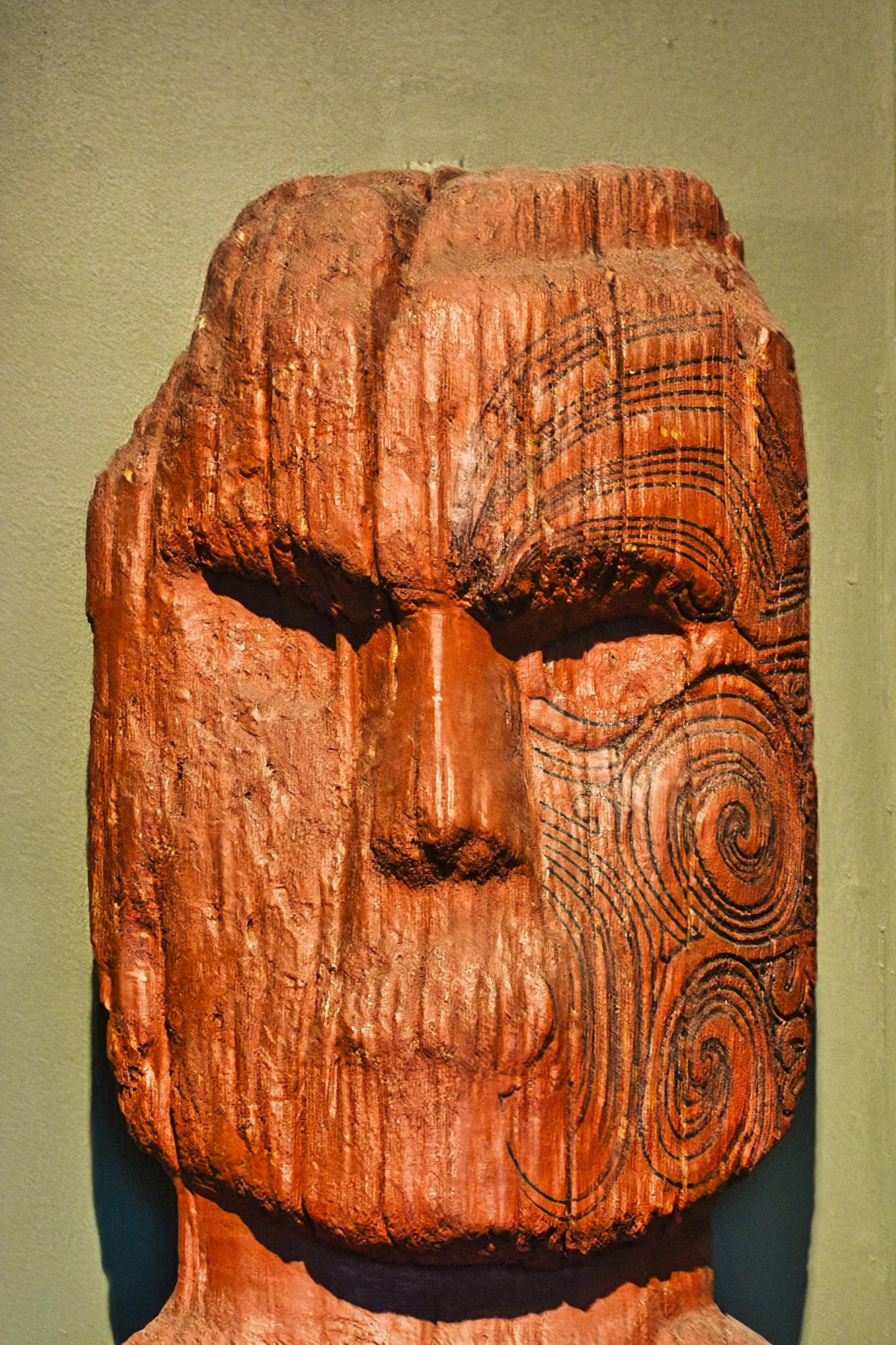
Māori meeting houses symbolically represent an ancestor’s body. This male figure is from the base of an internal central post. It represents an important ancestor of the tribal group which owned that house. The figure has fairly naturalistic features.
The face is fully tattooed with swirls to represent the tattoos that would have covered the faces of high-status Māori. The koru (spiral) motif depicts new beginnings, growth and harmony. The koru pattern is very common in Māori sculpture and tattoos. Our word tattoo originated from the mispronunciation by Captain James Cook (1769) of the Tahitian word tautau. The Polynesians brought their tā moko (tattoo) art form to NZ.
Otago Peninsula
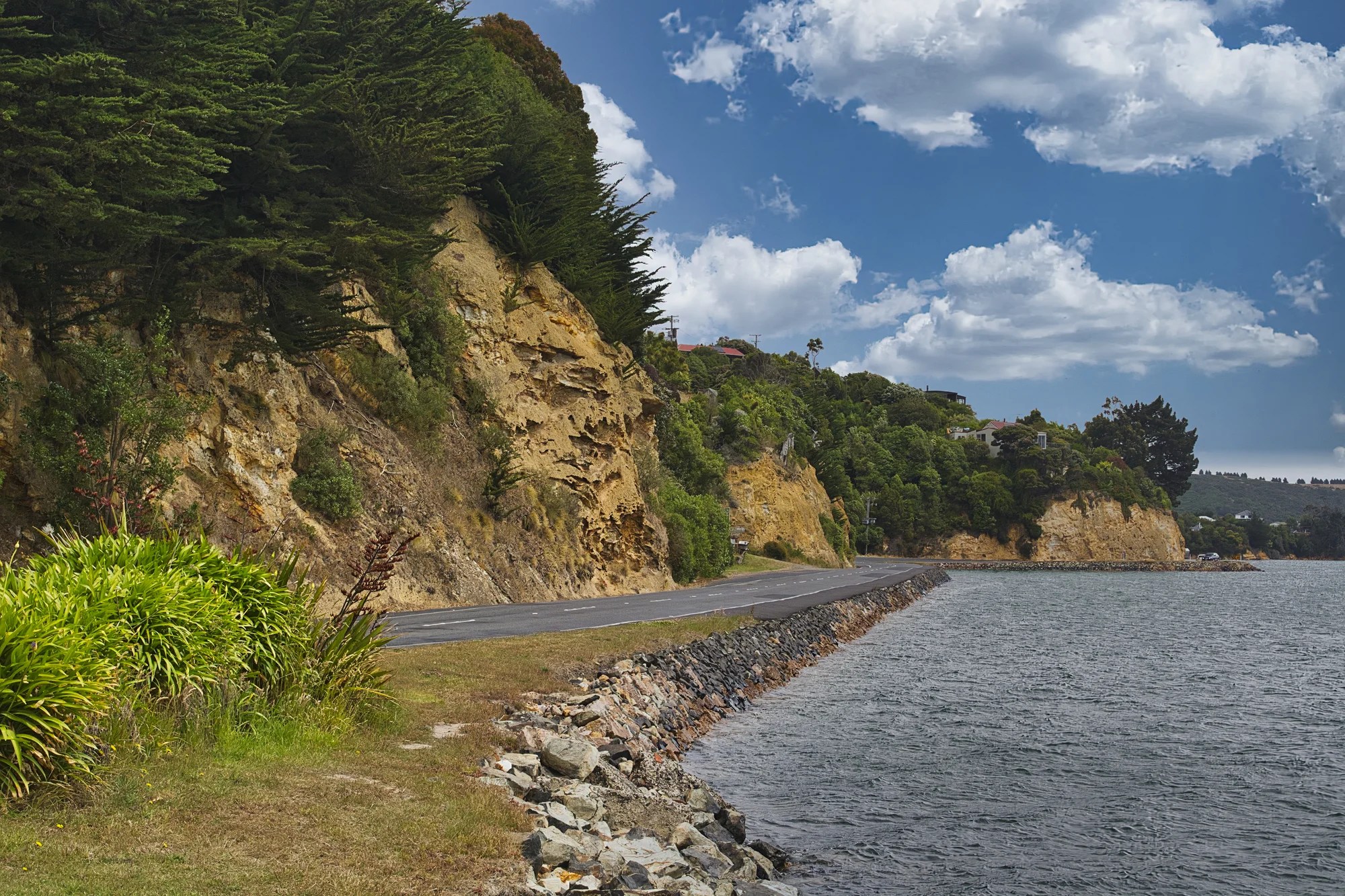
On our second day, we toured the Otago Peninsula. Do this route clockwise so that you drive along the ocean-view side of the road. The road literally hugs the coast just a few cm (inches) above sea level. This is a very narrow and busy road, due to commuters to/from Dunedin. Do not stop until there is an actual pull-off where you can take photos.
Glenfalloch Gardens
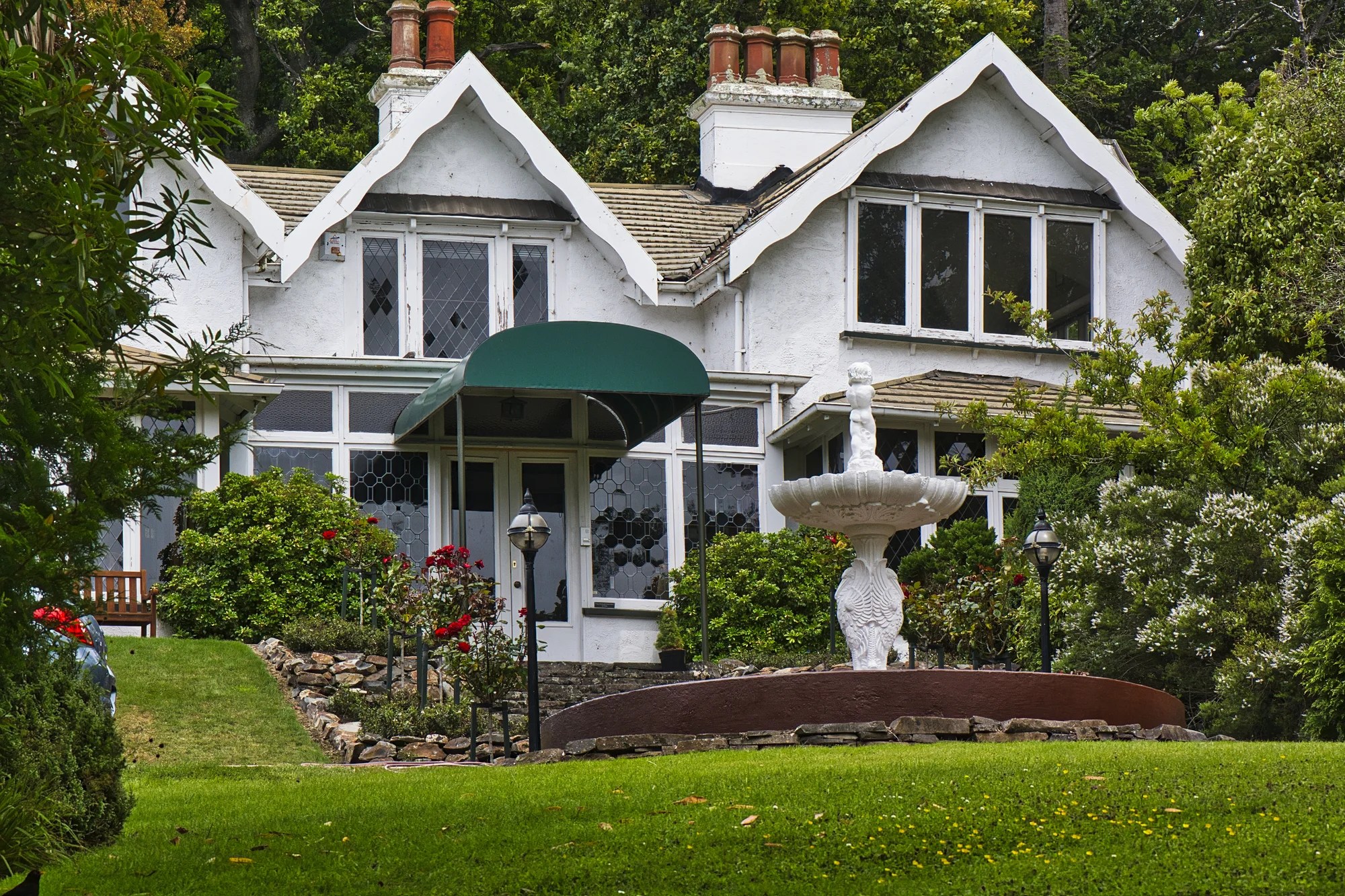
Besides flowers, Glenfalloch Gardens (G4.5) has an attractive house. Glenfalloch (Gaelic for “hidden valley”) was established in 1871.
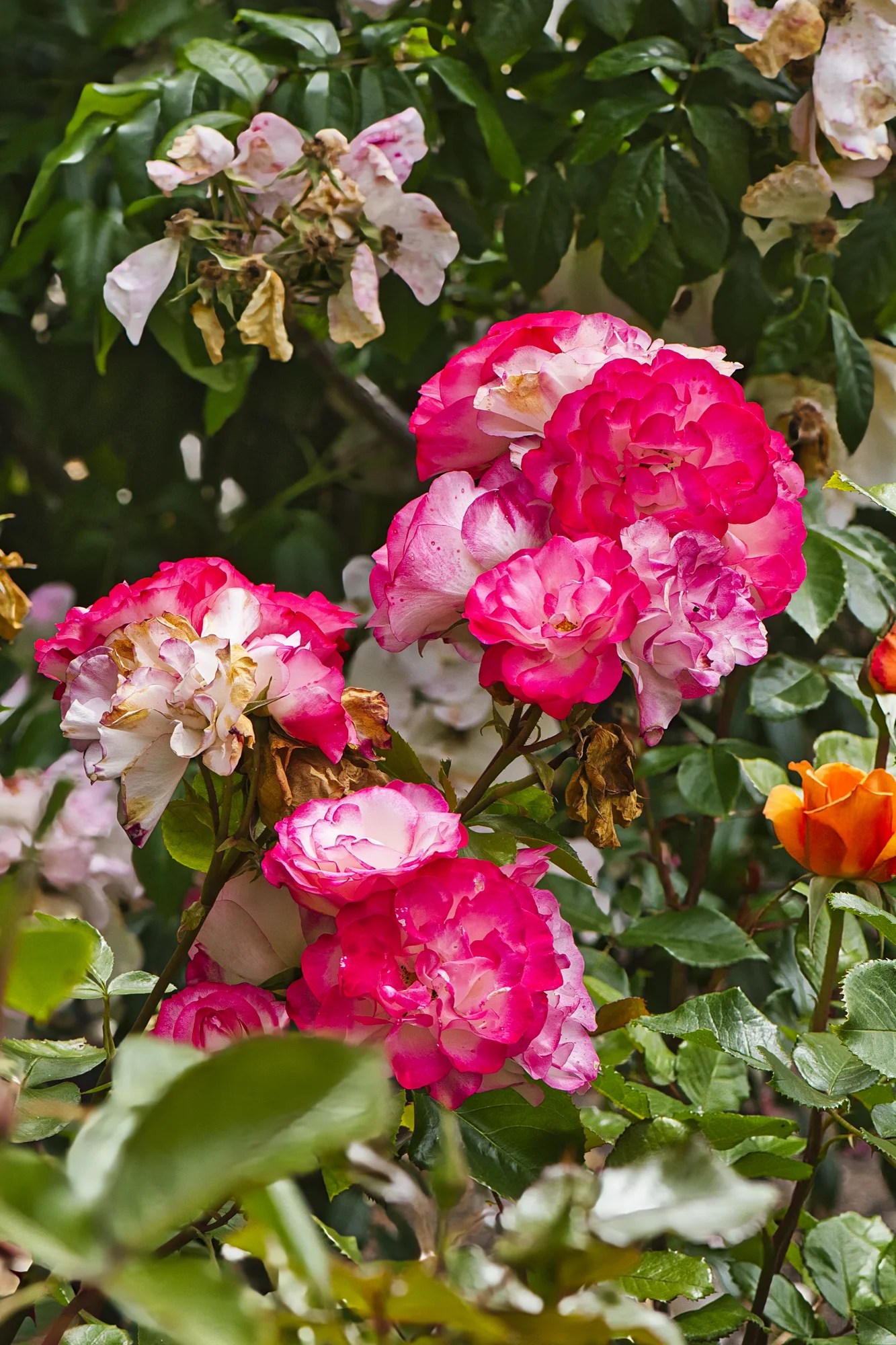
The 30 acres of gardens were only opened to the public in 1956. It is now owned by the Otago Peninsula Trust. Tea Roses are a hybrid that was first created in France in the mid-1800s. France was the origin of rose gardens.
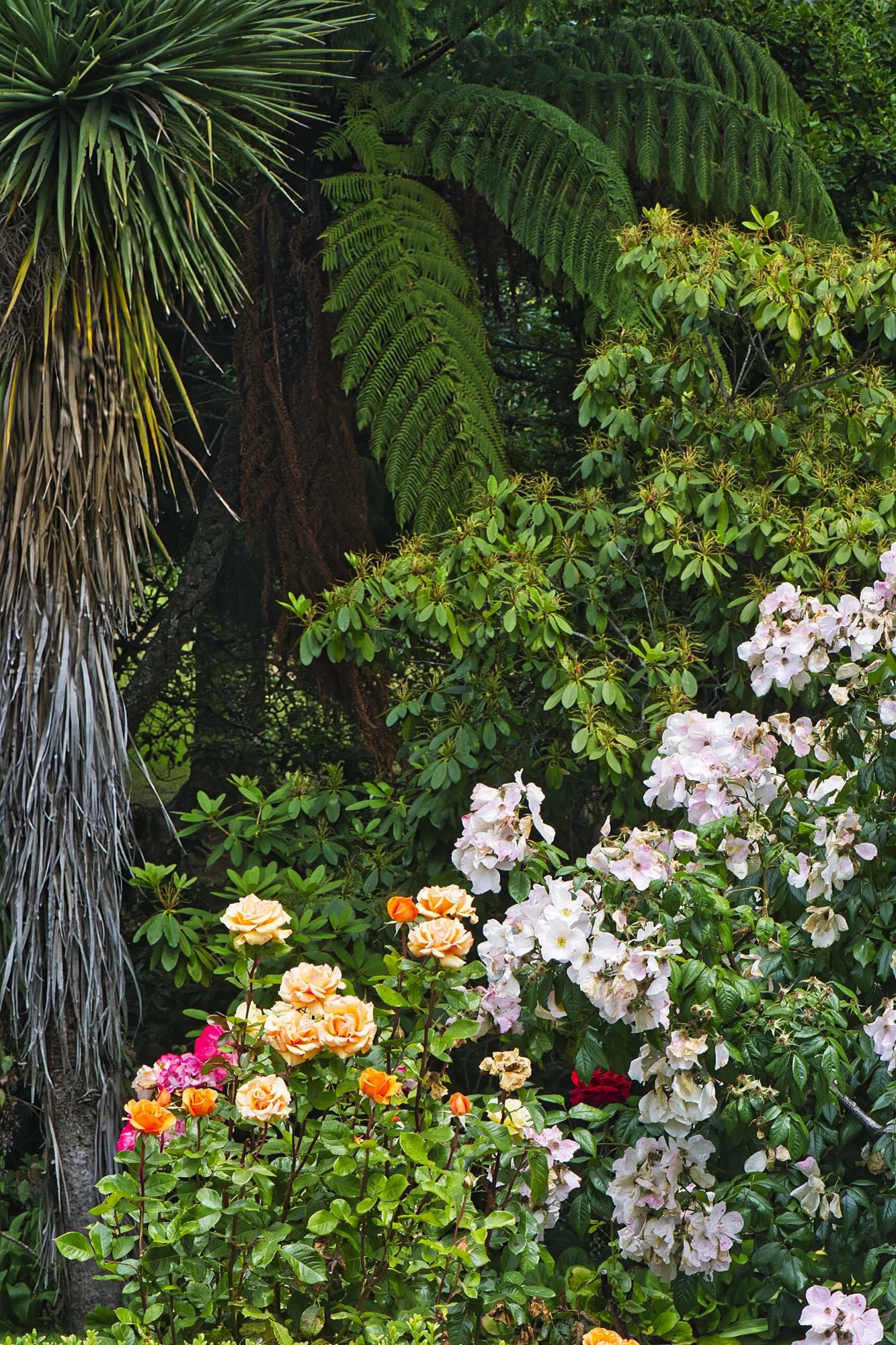
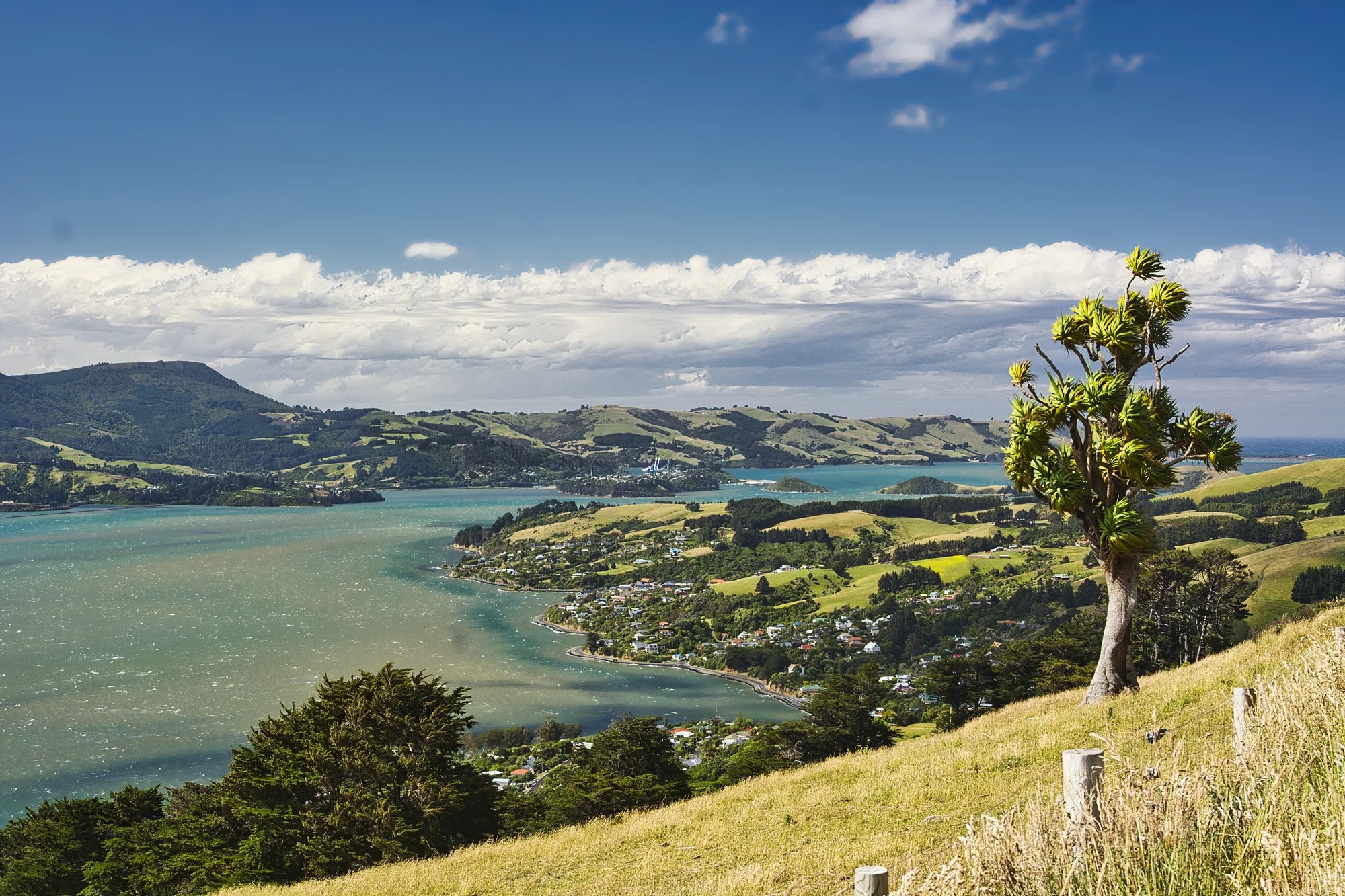
Multiflora Roses are from eastern Asia. They bear multiple flowers on a branch. The Cabbage Palm on the left is a tree endemic to NZ. It is a common feature of the New Zealand landscape. It can live to 400 or 500 years. Its’ durable fibre was used by the Māoris for textiles, ropes, fishing lines, baskets, cloaks, and sandals.
We also stopped at Macandrew Bay, Portobello, and Allen’s Beach. There were many wharves along the way.
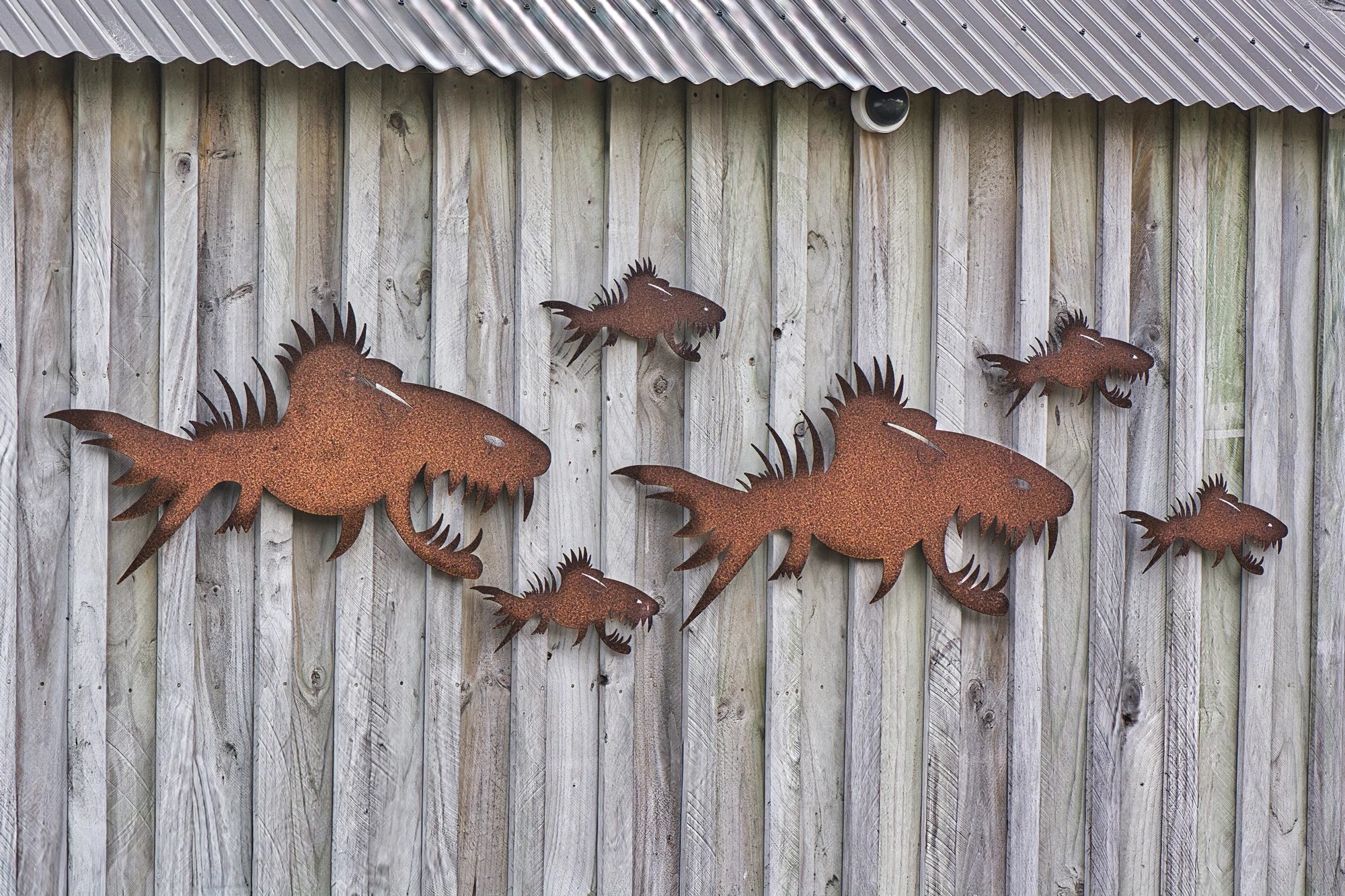
These scary fish sculptures were on the side of a boat house at the Broad Bay Beach Reserve (G4.6).
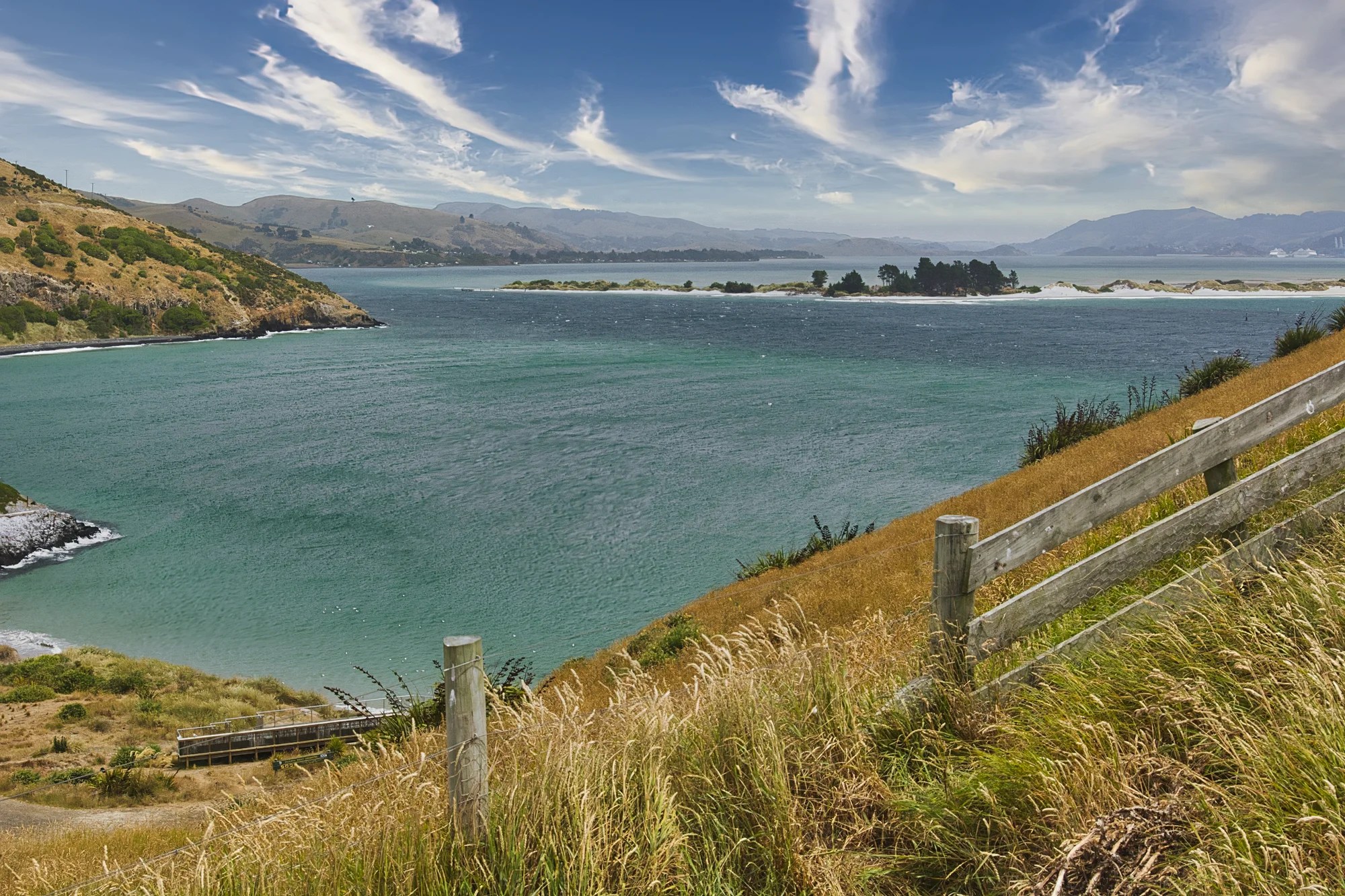
We ended at the very scenic Pilot’s Beach near the albatross colony and visitor centre.
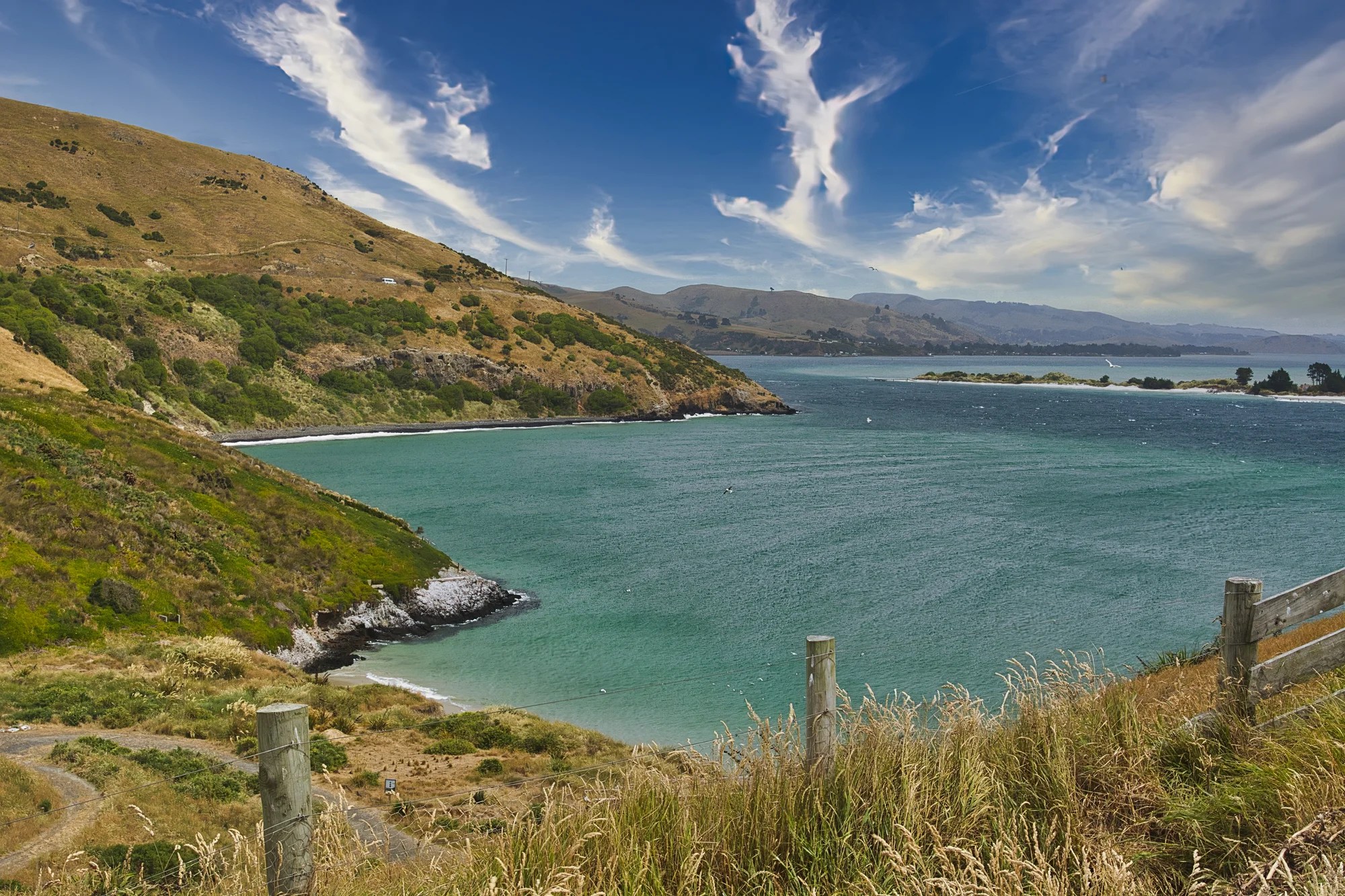
This was one of the most scenic sights of the peninsula.
Highcliffe Road
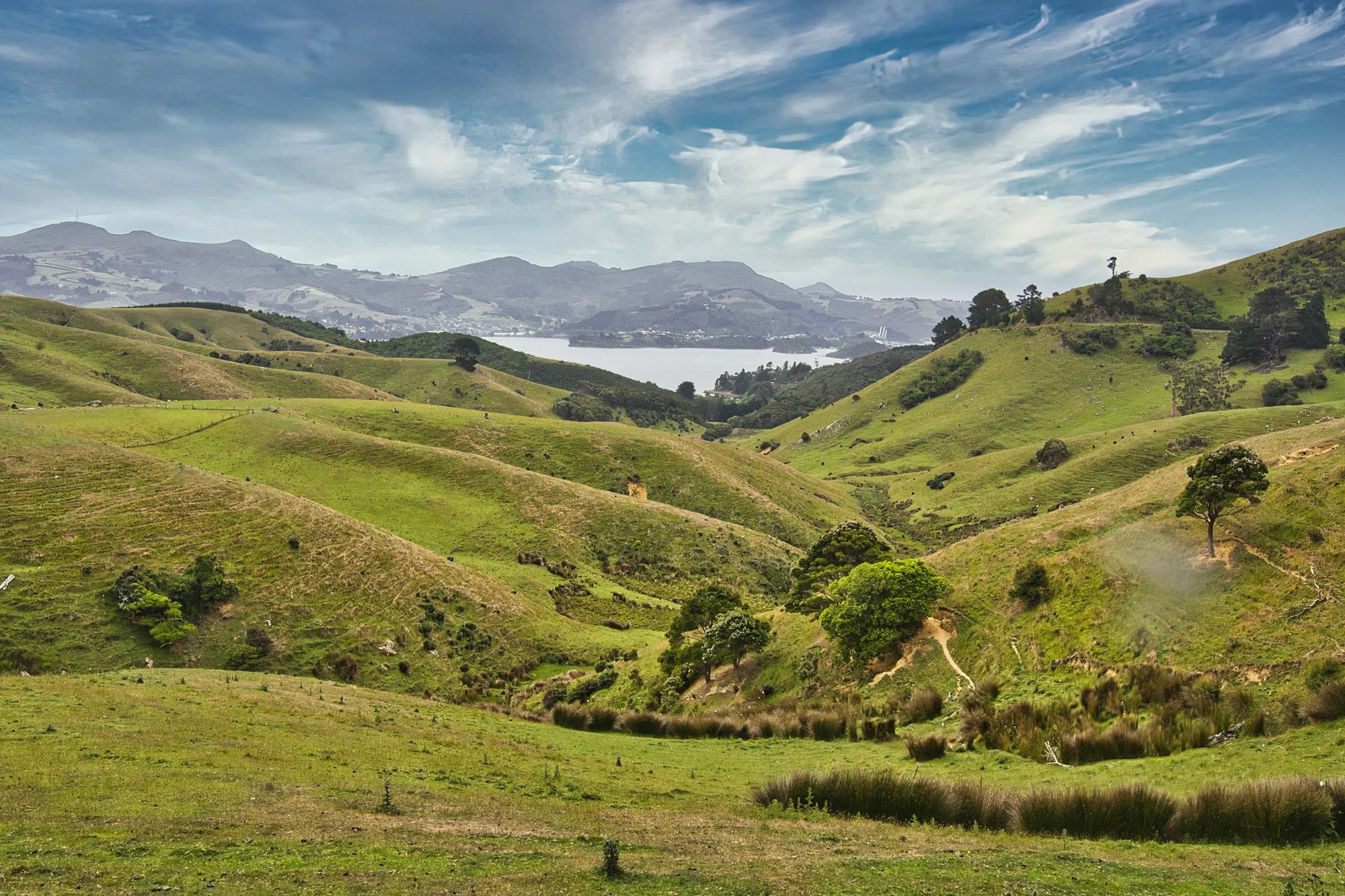
On the way back we went inland on the top of the hills. Highcliffe Road was the best part of the circular route. This was one of the few places that had views of Otago Harbour.
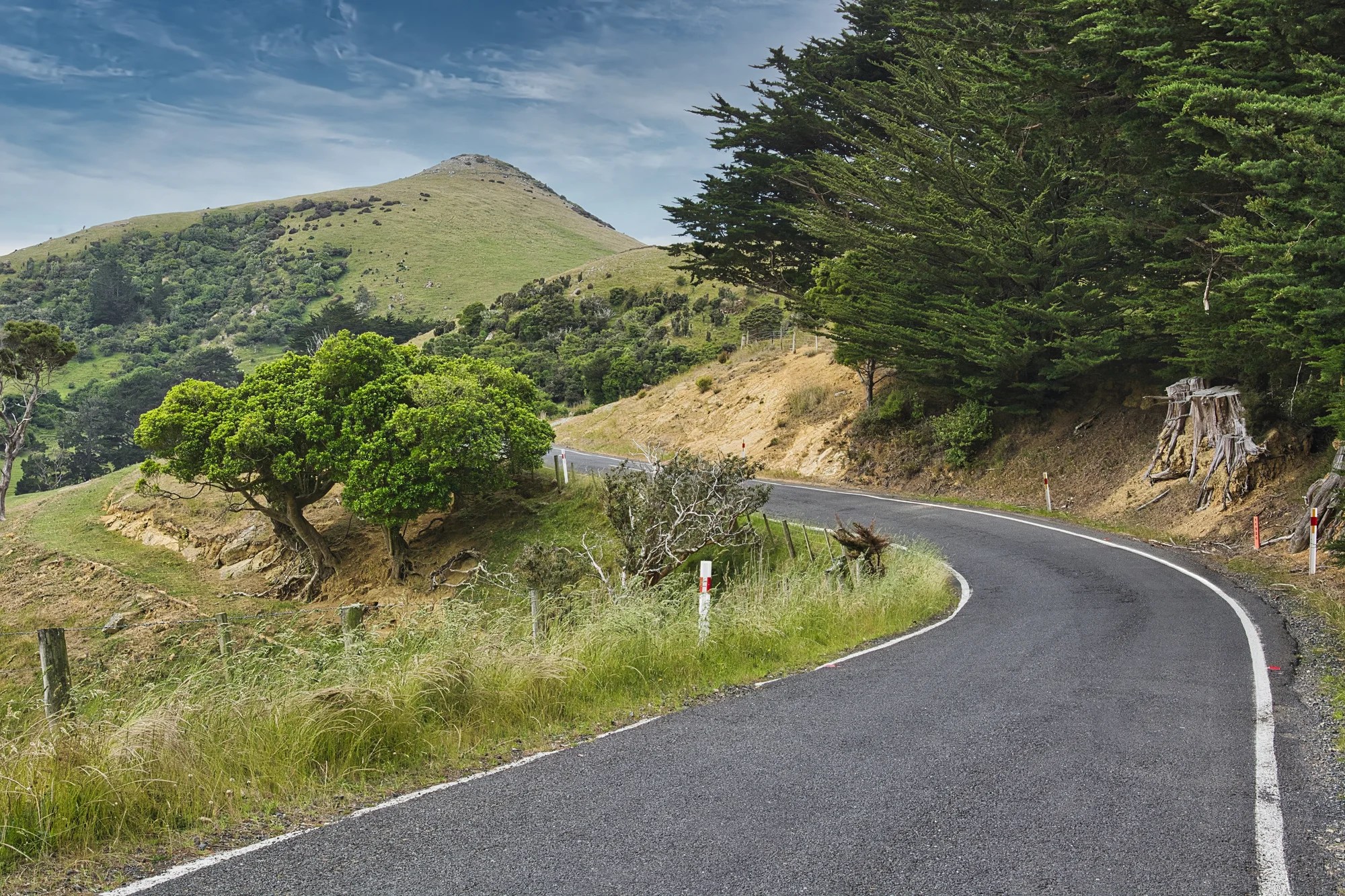
Although it was often one lane wide, we rarely passed any vehicles.
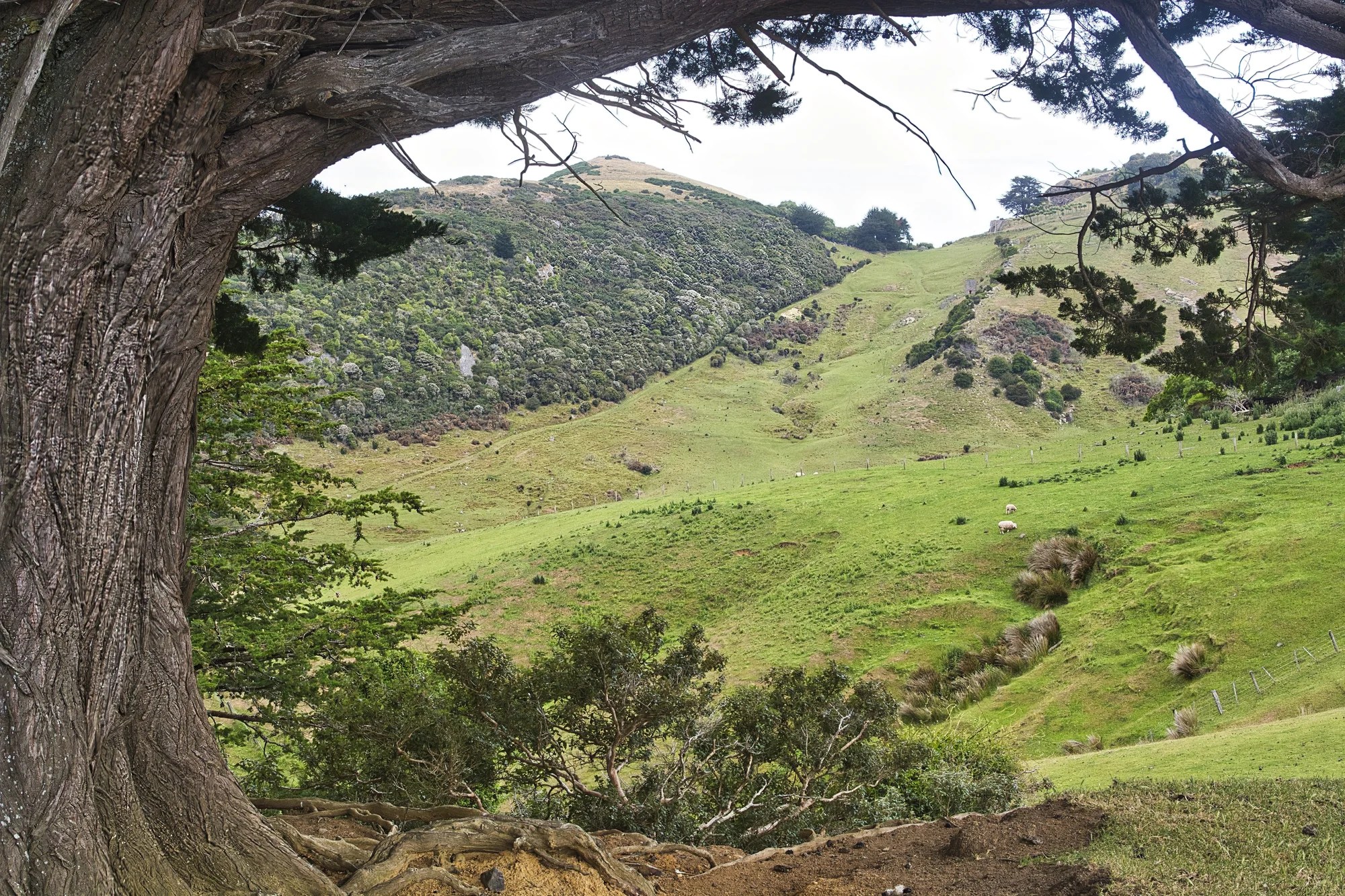
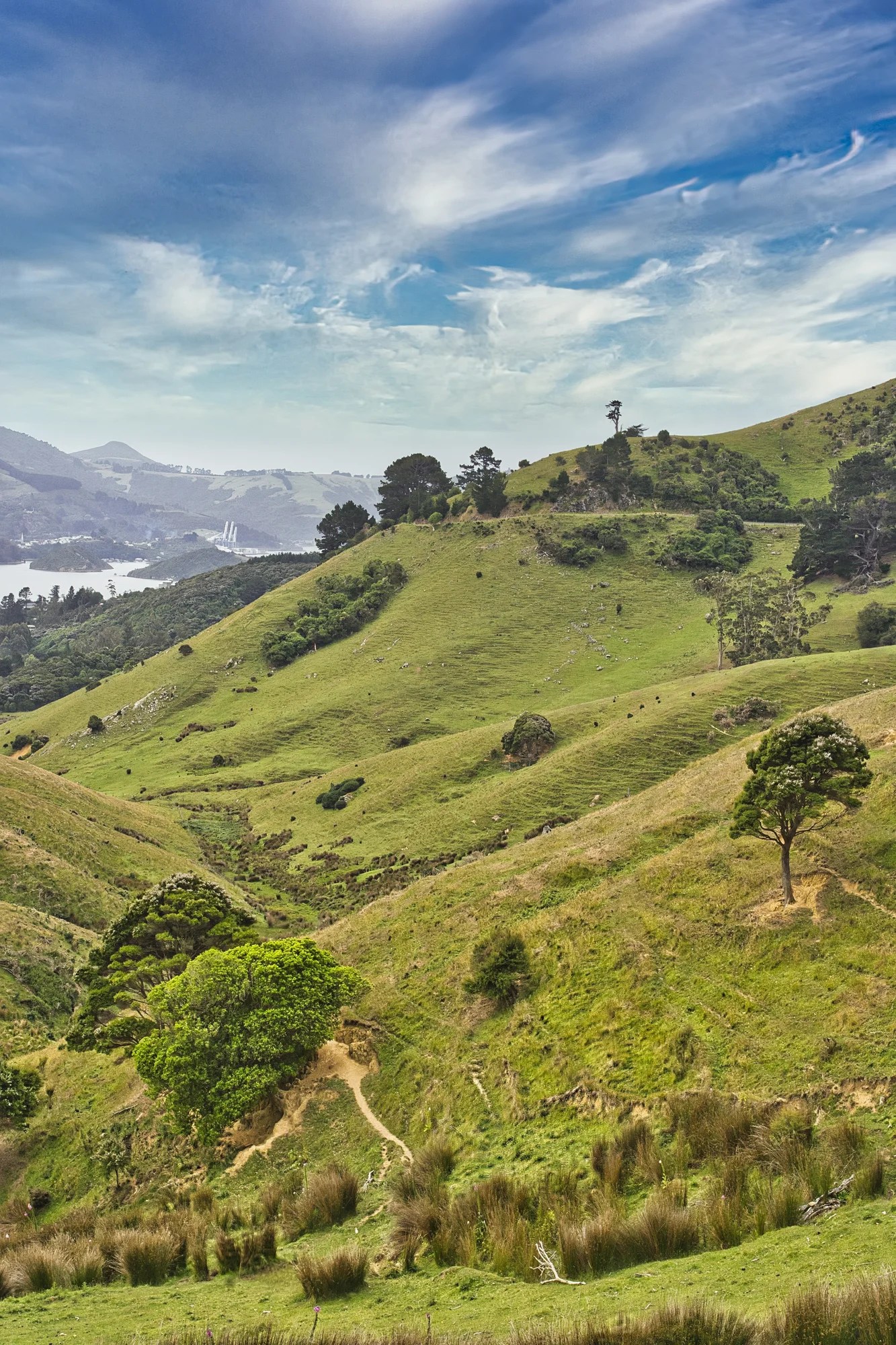
There were no tourists or even locals on these roads. Beautiful trees framed the green meadows and the road.
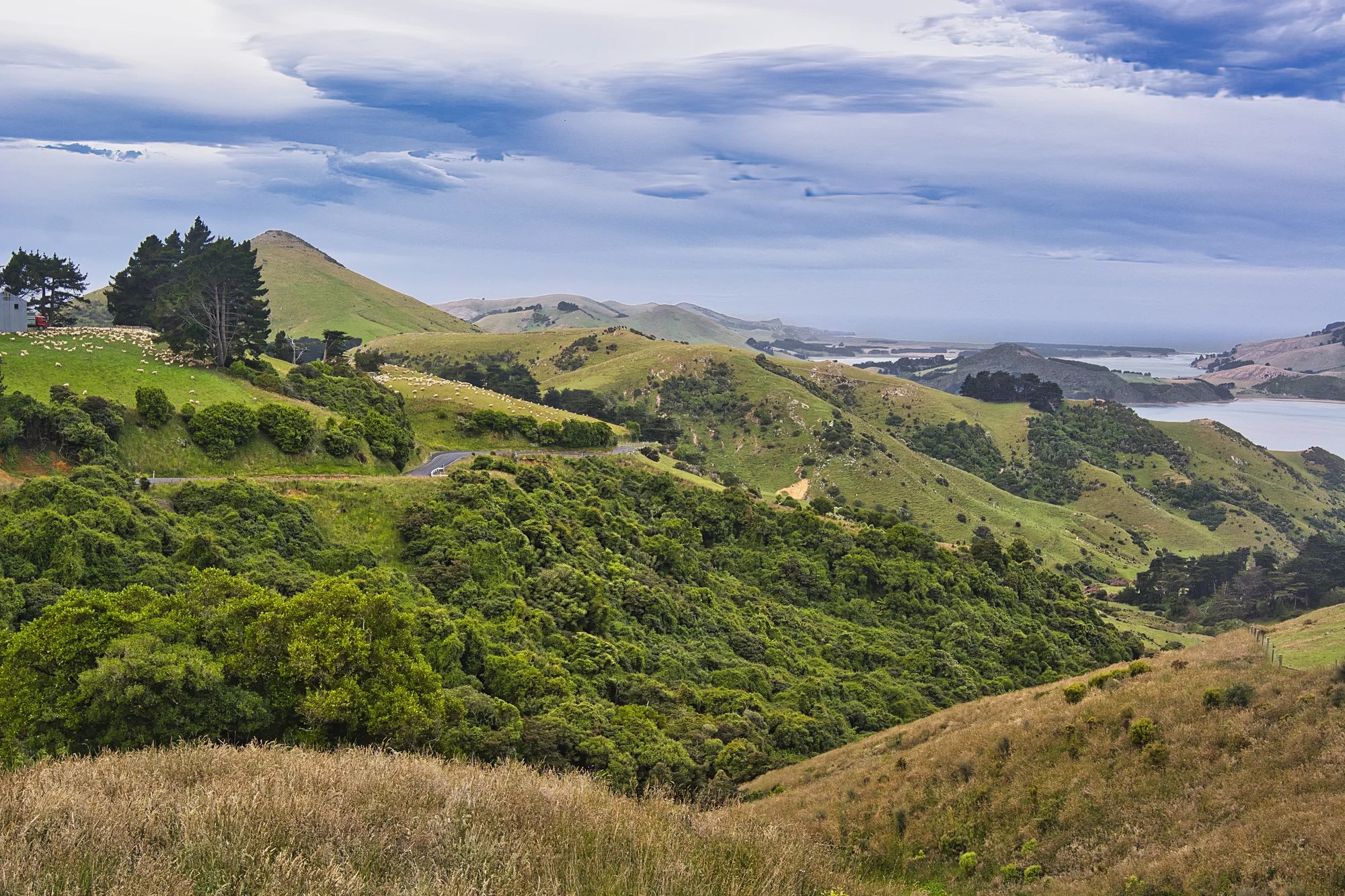
We got to this unofficial pull-off with views of sheep on rolling green hills — Quintessential NZ.
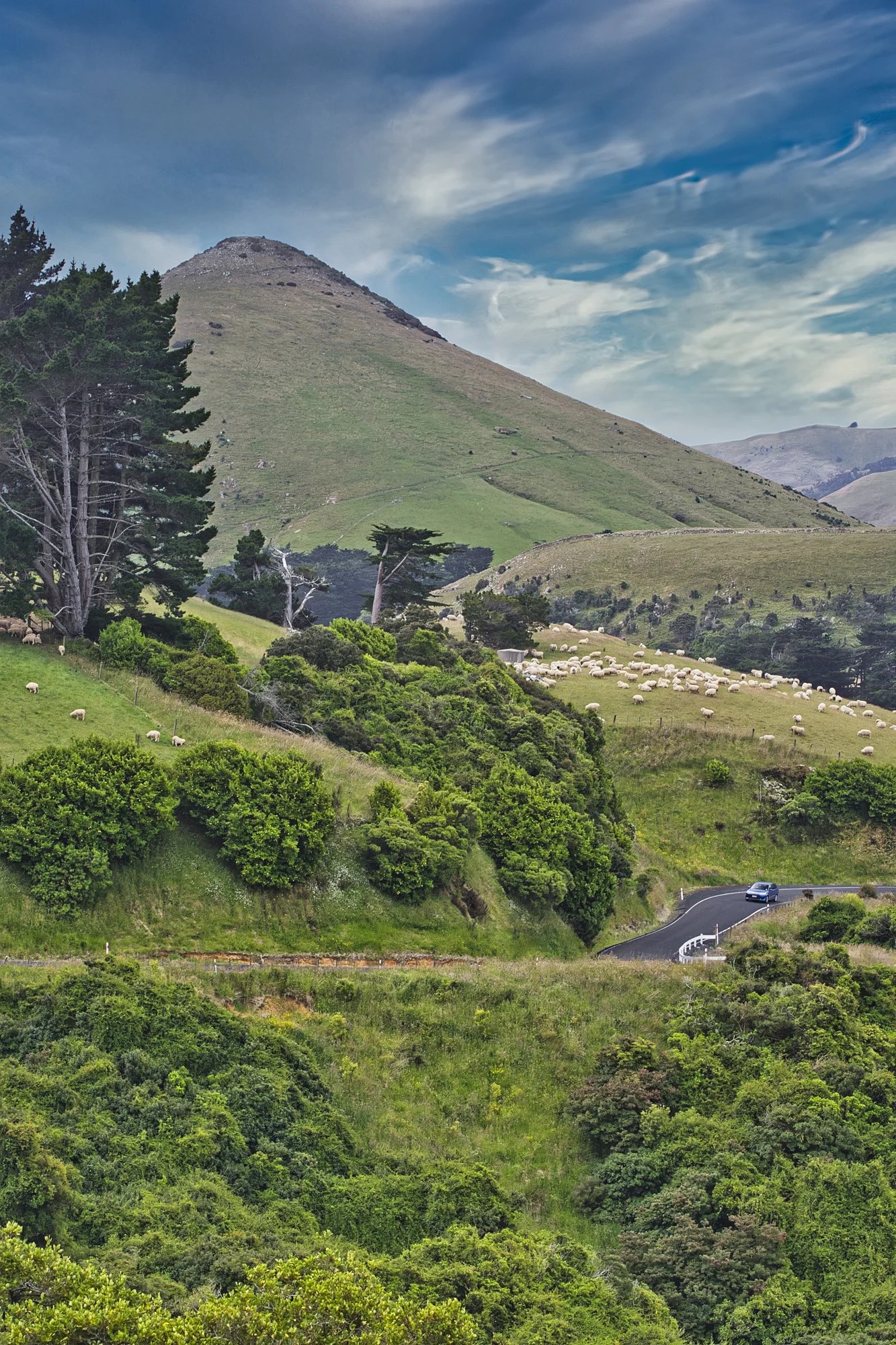
The pointed conical mountain (Harbour Cone) is part of the large, long-extinct Dunedin Volcano.
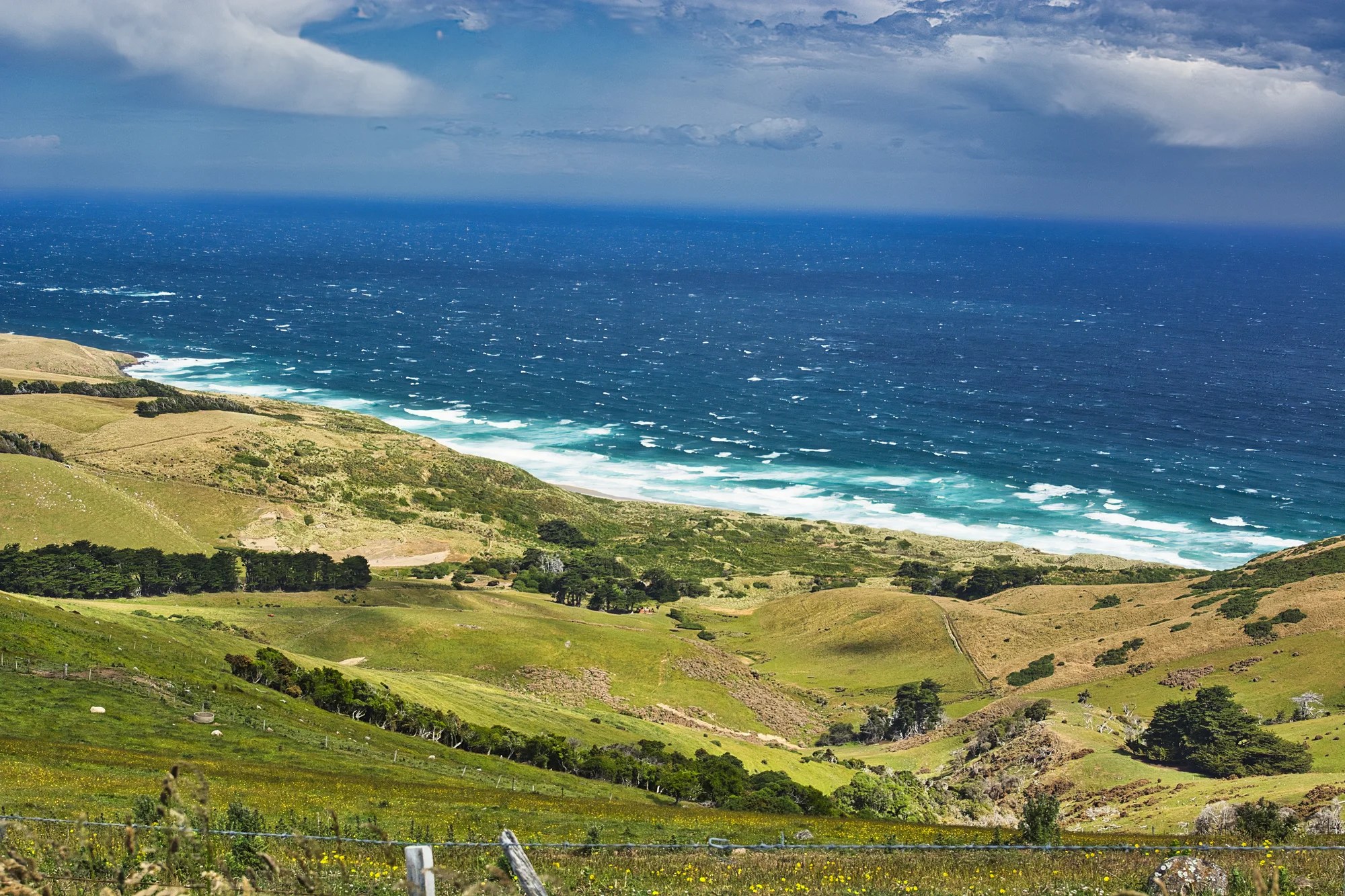
We drove by Sandfly Bay and Boulders Beach viewpoint. We also stopped at Larnach Castle but it was too late to go inside.
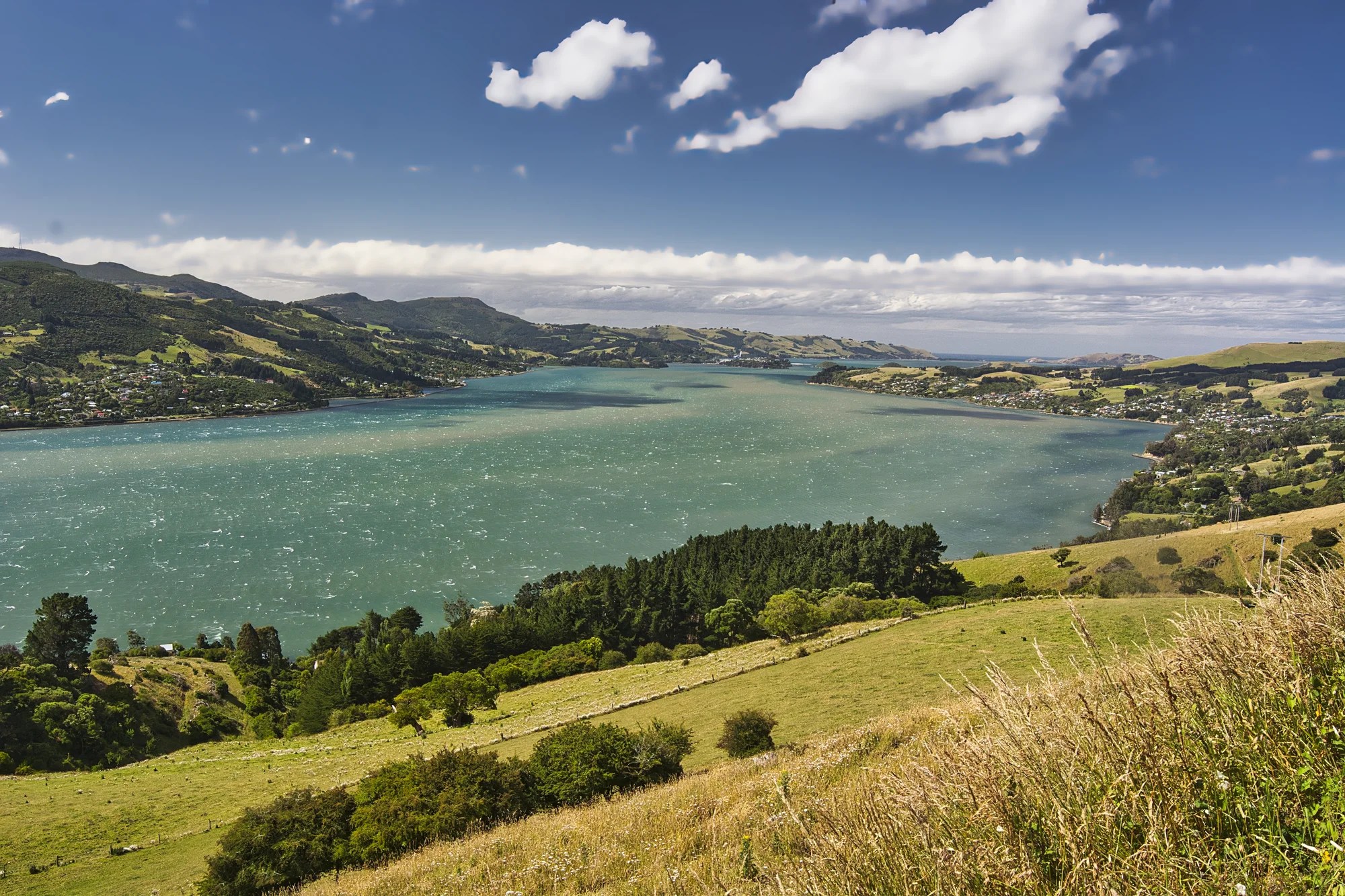
We loved the Highcliffe Road Viewpoint with the best views of the Otago Harbour.
We finished the day at the famous Tunnel Beach in the western suburb of Dunedin.
Cromwell Option
Dunedin – Naseby 140 km 1:39 hrs.
Dunedin – Cromwell 254 km 3:00 hrs.
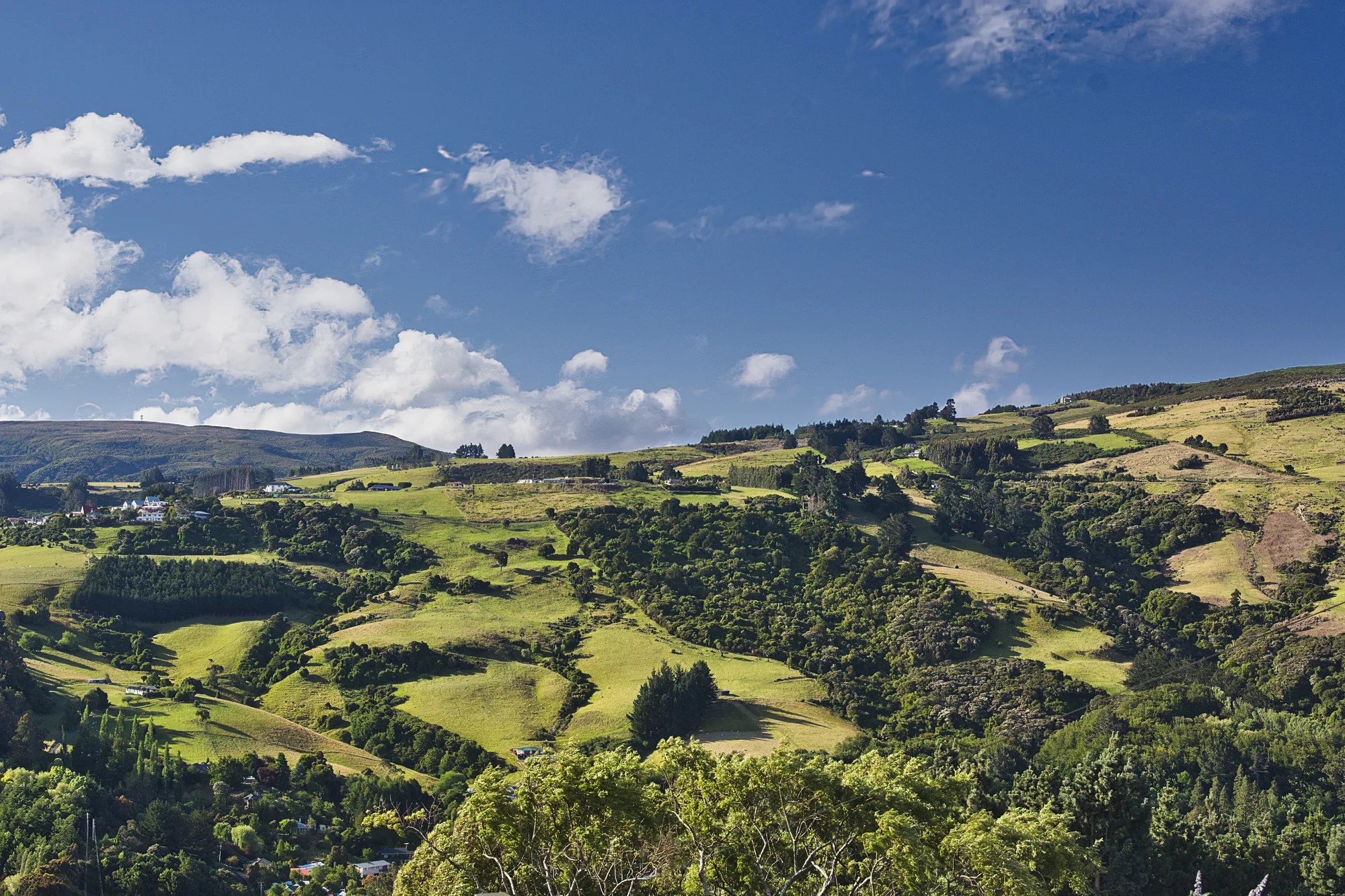
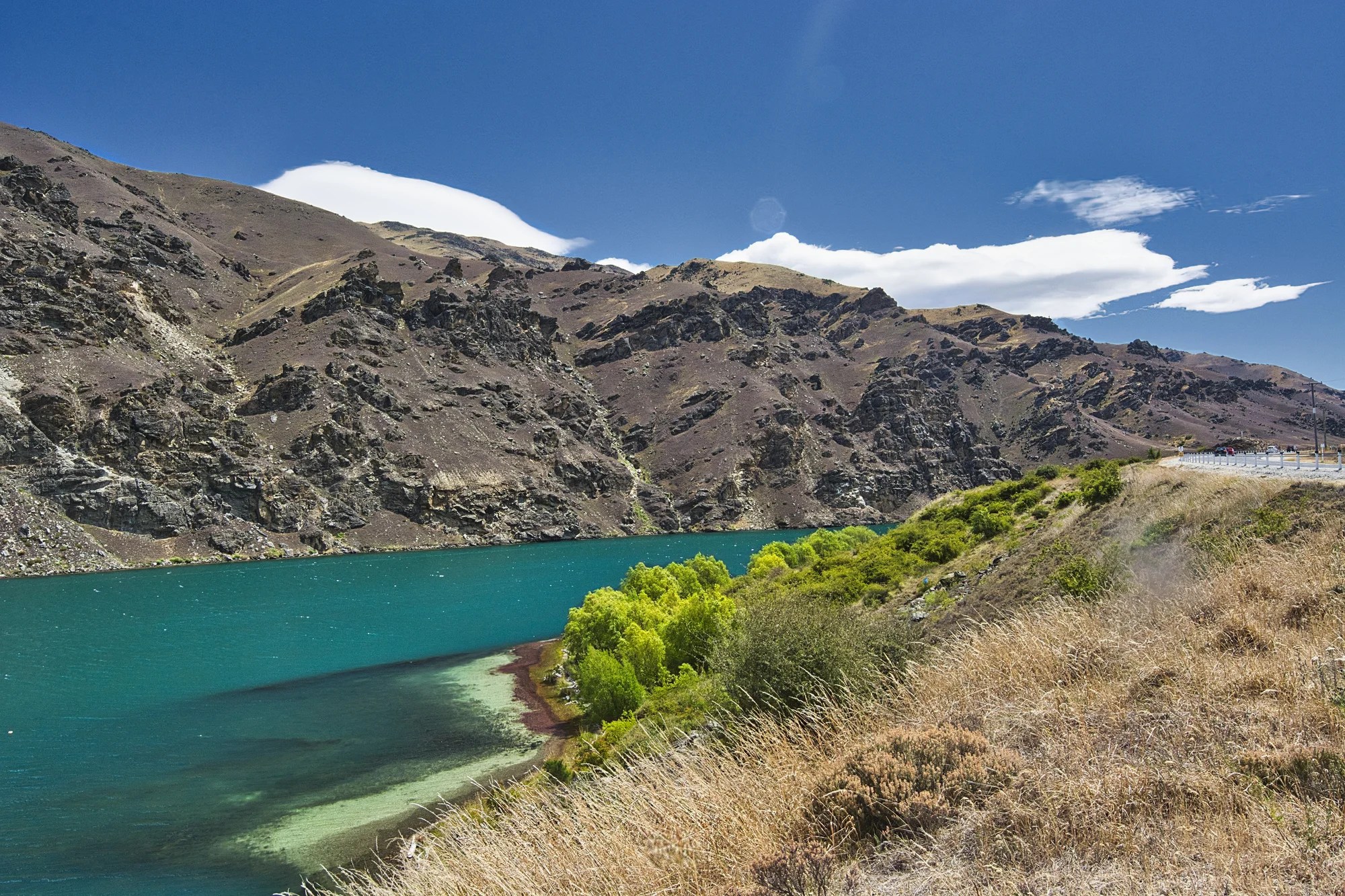
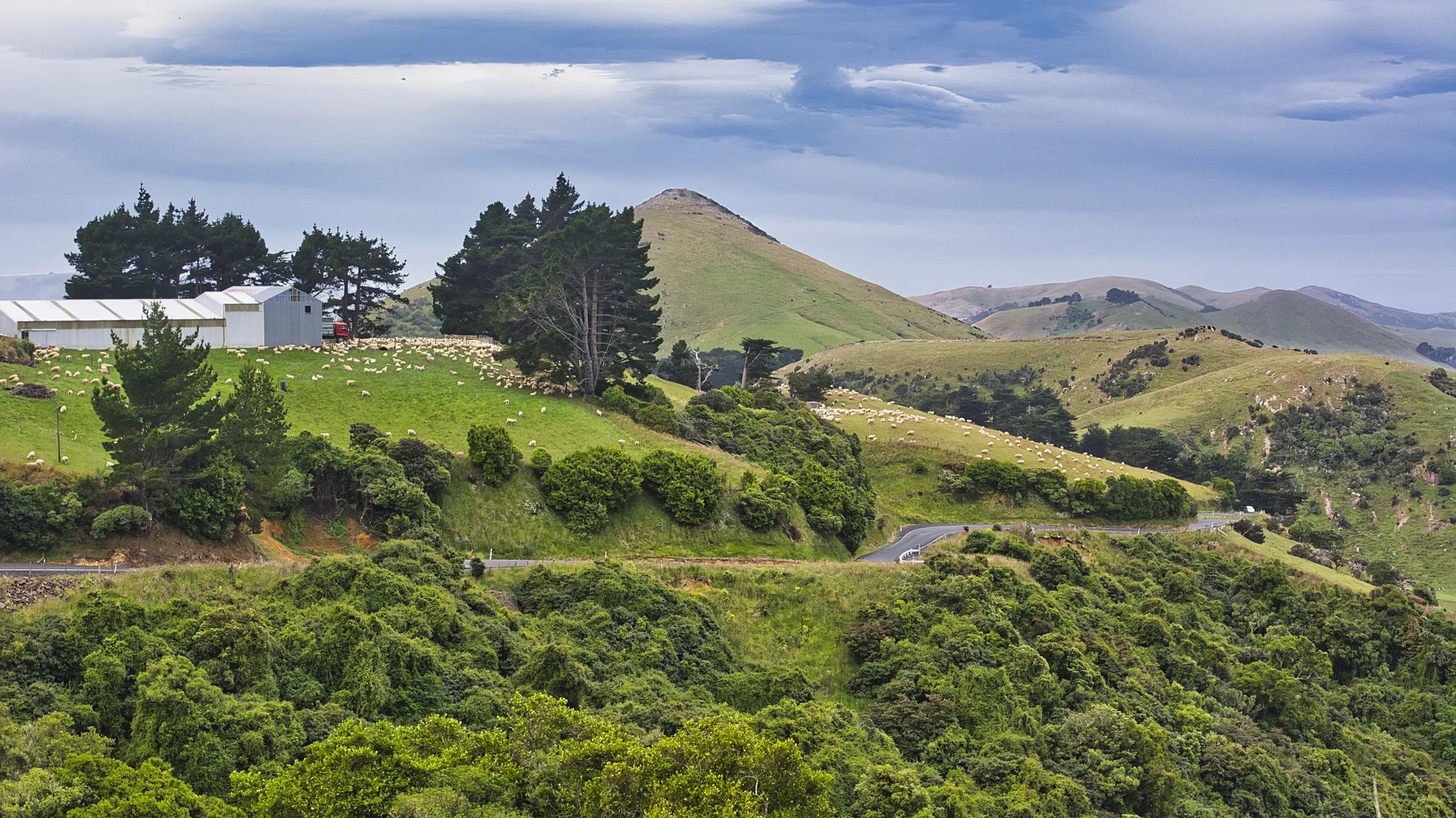
These beautiful meadows and mountains were taken on a previous trip. Based on the date-time metadata, it was less than an hour from the Dunedin Railway Station.
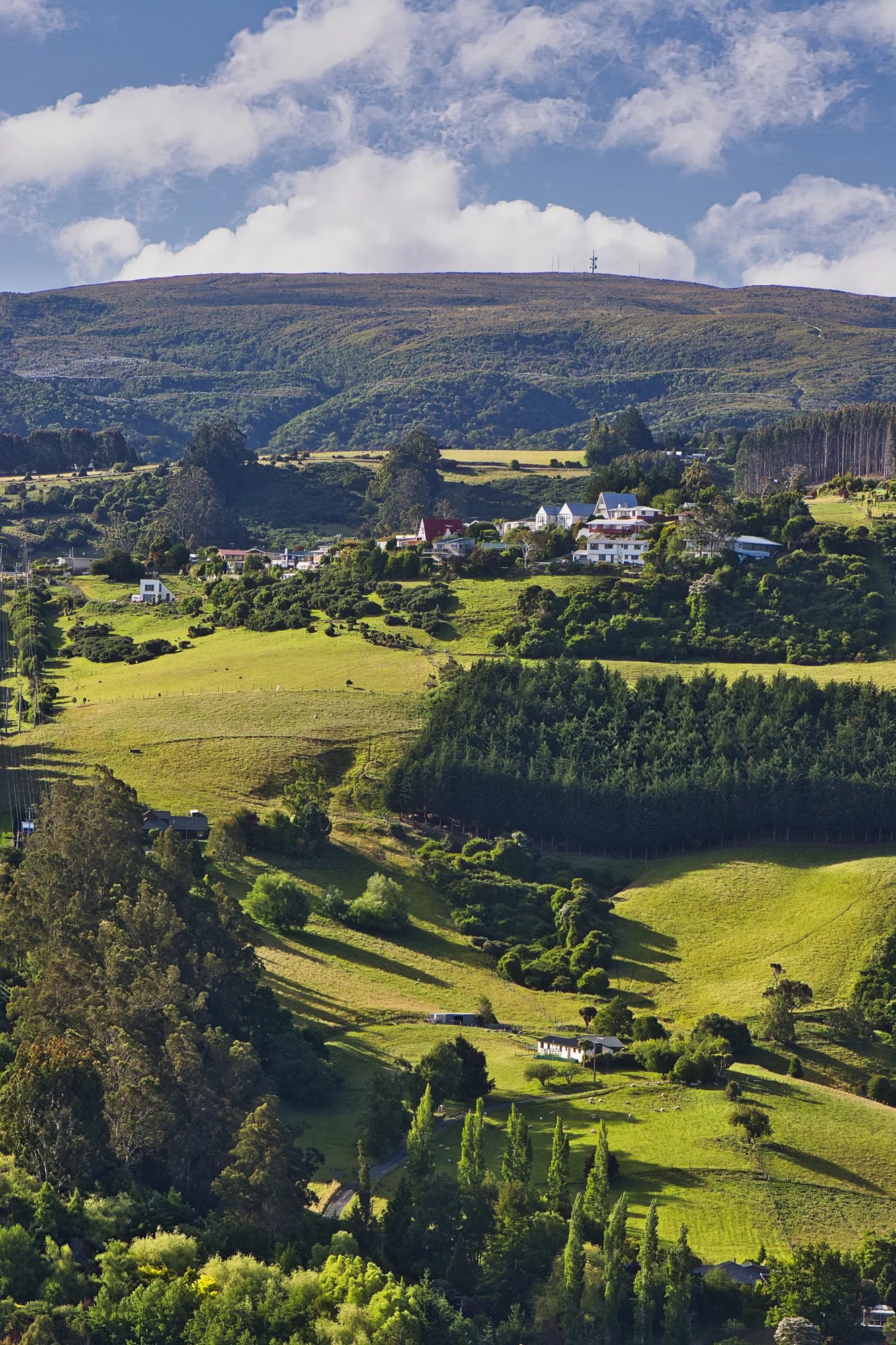
I suspect the photos were taken along the road heading north from Dunedin to Naseby.
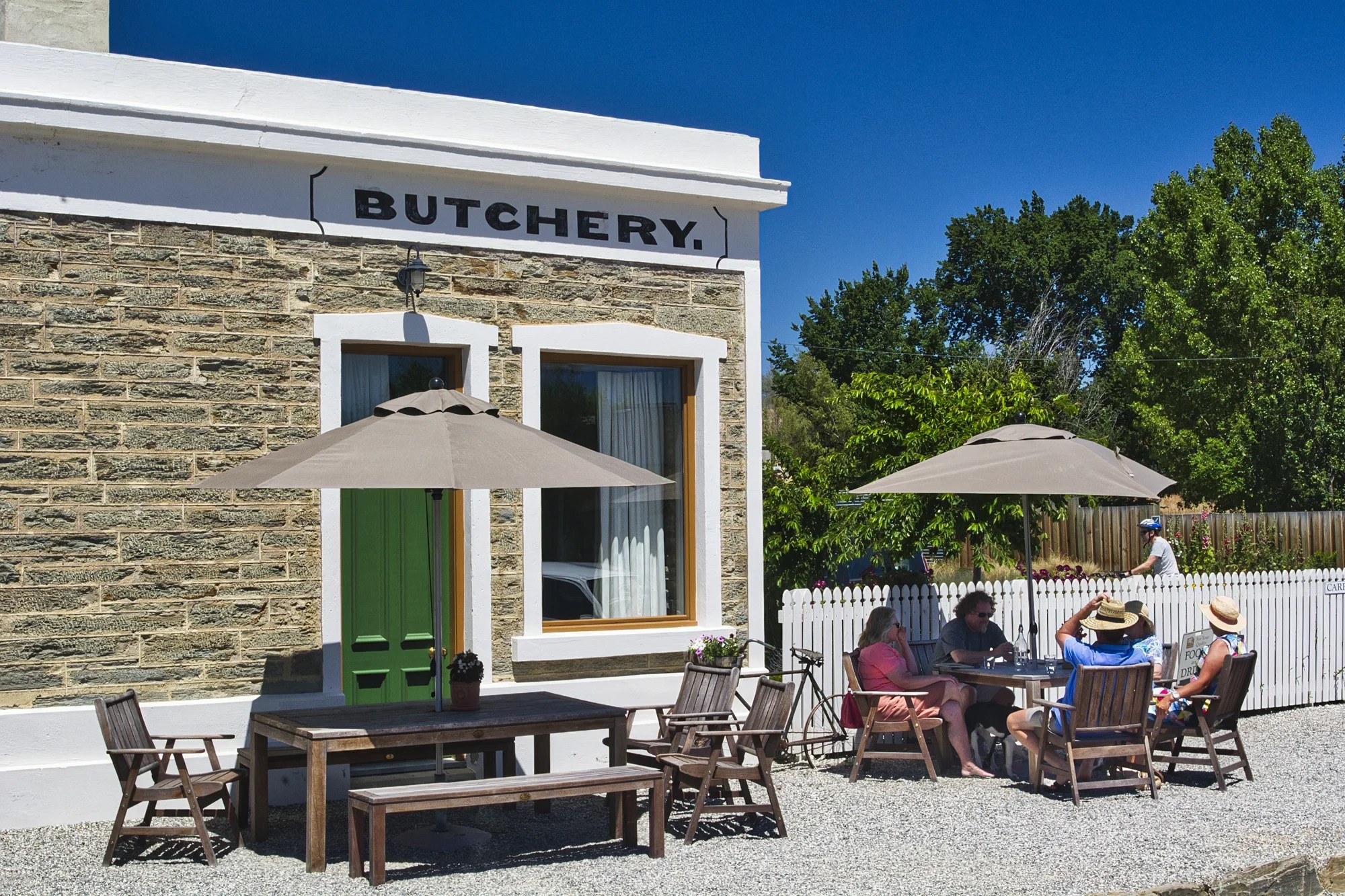
Here is a gold rush route. We drove Highways 85 and 8 to Naseby, Ophir, and Clyde. We drove along the glacial green Clutha River before overnighting in Cromwell.
The next day, we drove along the gorgeous green Karawau River to another gold rush site, Arrowtown. From here you can either drive the Queenstown or Breathtaking Southern Alps itinerary.
Final Comments on this Itinerary
Oamaru and Dunedin are pleasant, relaxing places to visit far from the main tourist trail. This is the itinerary to see hidden gems. Here you can appreciate the “real” New Zealand. The places included in this route are all highly rated by the people as shown by their Google Maps Ratings.
Do you want more information? Then subscribe for free.
This was only a taste of some of the scenic wonders of Otago. If you have other favourites, share your experiences with us. How long is your trip? What questions do you have?
Itinerary Planning
Do you want to learn how to plan an itinerary? Use this ready-made itinerary map to plan your trip.
Our own NZ Planning Maps include all the possible Points of Interest pinned. You can copy or create your own custom maps using the Google My Maps app. Here are some pre-planned itineraries for NZ.
Google Maps Ratings
Google Maps provides a rating from 0 to 5 for all sights, hotels and restaurants (but not cities). All of our recommendations are appended with the rating (prefixed with a G) from Google Maps. Google Ratings are based on feedback from locals as well as tourists. It is much more reliable than travel booking websites or tourist anecdotes. We consider a score of 4 to 4.39 to be Very Good; 4.4 to 5 to be Excellent.
How Big is New Zealand?
NZ is a large country compared to Europe. It is the size of the UK and half the size of the province of Alberta, Canada.
Booking Accommodation
NZ only has 5 million people. South Island is even smaller with 1 million people. So why is South Island so busy during the summer peak season? There are fewer people available to work in the hospitality industry. Too many tourists go to the same famous places — what I call name recognition.
If you are going during the Christmas peak season, most Kiwis are on the summer holidays from ca. December 20th to January 20th. You need to book your places at least 5 months ahead.
The best value places were family-run B&Bs (not Airbnb’s) and fully equipped cabins and tent sites at campgrounds. Use Agoda or Booking to find places for your price range. But verify the quality by the more objective Google Maps Rating.
Other Places to Add to Your Itinerary
Do you want to see more of South Island? Here are some of the best places for you:
When is the Best Time to Visit Otago-Catlins?
Here are the average high temperatures and monthly rainfall at Dunedin by season. The month groupings were based on weather similarities, not calendar seasons.
Nov-Apr is the best time to go. It is a maritime climate, so it is perpetual spring rather than hot in the summer.
May-Aug is cold unless you are from a Nordic country and are used to sub-zero temperatures. Sep-Oct is cool.
| Season | Mean High Temp | Avg Rain per Month |
|---|---|---|
| Nov-Apr | 16.2°C 61.1°F | 46.3 mm 1.8″ |
| May-Aug | 9.5°C 49.1°F | 35.6 mm 1.4″ |
| Sep-Oct | 12.5°C 54.5°F | 34.2 mm 1.3″ |
Purpose of Your Trip
What is the purpose of your trip? What are your interests? This itinerary was based on the features that make New Zealand unique…
New Zealand FAQ
The FAQ post answers questions such as:
- Where should I go in NZ?
- What is the best season for travel?
- How much time do I need for NZ?
- How safe is NZ?
Abbreviations
DOC = Department of Conservation = Parks NZ
Kiwi = New Zealander, or a nocturnal flightless bird
NP = National Park
NZ= New Zealand; NZD = New Zealand Dollar
NI = North Island
SI = South Island
USD = United States Dollar
 Terra Encounters
Leave a reply to jlee89450 Cancel reply