
Why Explore Canada?
Discover Canada’s most beautiful places with our guide to exploring the country’s stunning natural and city landscapes. From the Neo-Gothic parliament of Ottawa to historic Quebec City, from the rugged peaks of the Rocky Mountains to coastal mountains fringing the dynamic seaside city of Vancouver, we’ll take you on a journey through some of the most breathtaking scenery in North America.

According to the traveller-based Rough Guides survey, Canada is the third most beautiful country in the world. Canada offers a travel experience unlike any other, blending a wide variety of natural beauty with a diversity of ethnic groups. Here’s what makes it stand out:
- Canada is home to some of the most diverse and breathtaking scenery in the world.
- Canada offers four dramatically different seasons.
- Canada offers unique experiences you won’t find anywhere else.
- Canada has some of the most multicultural cities in the world, which have influenced its culture and cuisine.
- Canada is known for its welcoming people, safety, and politeness, making it a great destination for travellers.
Author & Photographer: George Mitchell

Our recommendations are not influenced by affiliate links – we have none. Our advice is based on extensive experience driving across Canada as well as travelling for three years around the world.
Canada Trip Planning
How do you plan a trip to Canada? Planning a trip to Canada or any large country may seem daunting. How do we do it?
When we plan an international trip, we research, draw Google maps, and develop a day-by-day spreadsheet for our itinerary. In a later section, we list the available posts for some of our favourite places and ready-made itineraries, i.e. maps.
1. Trip Research
Step 1 is Basic Background: What is special about Canada? We like to explore what makes Canada (or any country) unique, what is Quintessential Canada? Here are some quintessential features.
Sense of Space

Europeans and Asians, especially, will notice how much more space there is. Almost 90 per cent of Canada is uninhabited! Canada has ten provinces and three territories, each of which is generally larger than a set of countries of Europe but has a fraction of the population.
Except for densely populated Vancouver, Toronto and Montreal, driving is very relaxed and easy. We think nothing of travelling 25 km to go to T&T, the Chinese supermarket, in our city. We think nothing of driving eight hours or 720 km to our next destination.
Natural Beauty

Nature, scenery, hiking and mountain climbing are quintessential features of Canada. We have a large number of National Parks (NP) and Provincial Parks (PP). The four contiguous Rocky Mountains NPs are half the size of Switzerland, but with only two small towns! These NPs are some of the best places to include in your itinerary — see the Icefield Parkway — Do not Miss the Best Road Trip in Canada.
Canada’s low population density adds to the sense of natural beauty.
C. Water, Wildlife and Wildflowers

Canada has a lot of wildlife and birdlife. Unless you live in the North, you have to get into the wilderness, such as the national and provincial parks, to see it. You can see moose across the country. You can see polar bears in the wild at Churchill, Manitoba (MB), orcas and whales in British Columbia (BC), and belugas and whales in the east.

Indian paintbrush and other wildflowers can be seen at low elevations along roadsides and meadows. But unique wildflowers like the Mountain Indian paintbrush and Alpine forget-me-nots require hiking in mountain regions in July, ± two weeks depending on the weather (snow melt).
Canada is also the place to see extinct animals such as Tyrannosaurus Rex and those nasty Velociraptors. Dinosaur Prov. Park — the Must-see of Canada? is the world’s richest source of Cretaceous Era dinosaurs! Dinosaur fossils in museums around the world came from Dinosaur PP, Alberta.
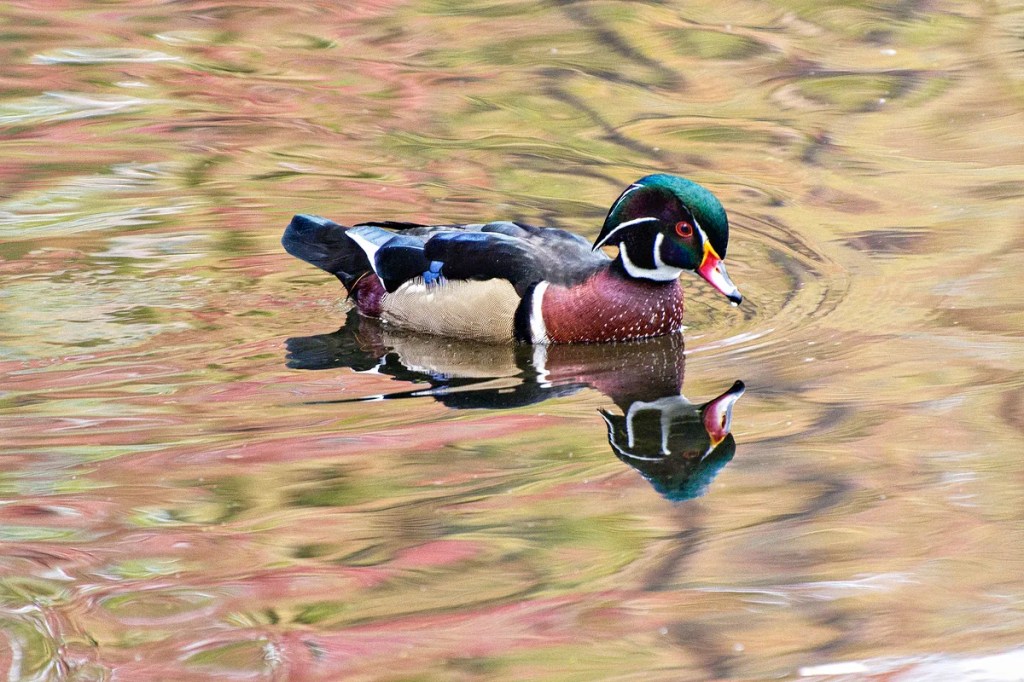
Canada has the largest amount of lakes and freshwater on the planet, so there are lots of boating, sailing, whitewater rafting/canoeing, and other water sports. Canada has the longest coastline in the world, and thus the province of British Columbia has the second-largest ferry system in the world.
Multiculturalism

Canada is one of the most multicultural countries on the planet. It not only has one of the highest percentages of foreign-born people (23%), but people come from all over the world. Everyone is a hyphenated Canadian — Irish-Canadian, Italian-Canadian, etc. Montreal is the second-largest French-speaking city after Paris!
Multiculturalism is part of the fabric and culture of the country. Canada was the first country in the world to enshrine multiculturalism into the constitution. Canada is a model for progressive laws and acceptance of cultural differences. It is a good example of how people from diverse backgrounds can get along and appreciate each other’s culture — whether through Heritage Day festivals or the variety of ingredients and cuisine in supermarkets and restaurants.
Friendliness
Canada is ranked the 10th most friendly nation by the InterNations Survey. Respondents described Canadians as “open-minded, tolerant, and benevolent”. At first blush, it may appear that Canadians are not gushingly friendly. This may be because a tourist will look like one of us. Just ask for help, and that will change.

After visiting Ireland and researching for our Ireland Blog, I came to the hypothesis that Canadian friendliness is due to the high immigration of the friendly Irish people during the Irish Potato Famine (1845-52). Every city in Canada became predominantly Irish in the 19th century. In fact, there is a higher percentage of the Irish ethnic group in Canada (13.4%) than in the United States (9.7%). Even today, the Maritime (Atlantic) provinces and the capital city of Ottawa are about 20% Irish-Canadian.
I never realized that was the reason there were so many Irish pubs in my city. One chain called D’Arcy McGee is named after an Irish revolutionary who tried to free Ireland from Britain. He evaded arrest and fled to Canada. Here, he became one of the Fathers of Confederation and helped Canada peacefully gain independence from Britain in 1867.
Safety

Canada is one of the safest countries to live in, never mind travel in. As shown on the Travel Safety page, it is ranked as a safer country than even extremely safe Ireland by the Travel Safety Index and the Numbeo.com Safety Index. Most police officers are college-educated. In fact, Canada has the highest education level in the world, with over 50% of the people having college degrees. It’s also safer because people do walk downtown at night. There are a lot of restaurants and nightlife open late.
Weather-Climate
No, it is not freezing cold all the time. It can be very hot and humid in the summer, over 30°C (86°F). Don’t come in the winter unless you are interested in skiing or other winter sports. In the mountains of British Columbia (BC), you must use snow tires from October 1 to April 30. On the other hand, the weather is mild year-round in the Victoria and Vancouver areas of BC, also known as the Lower Mainland.
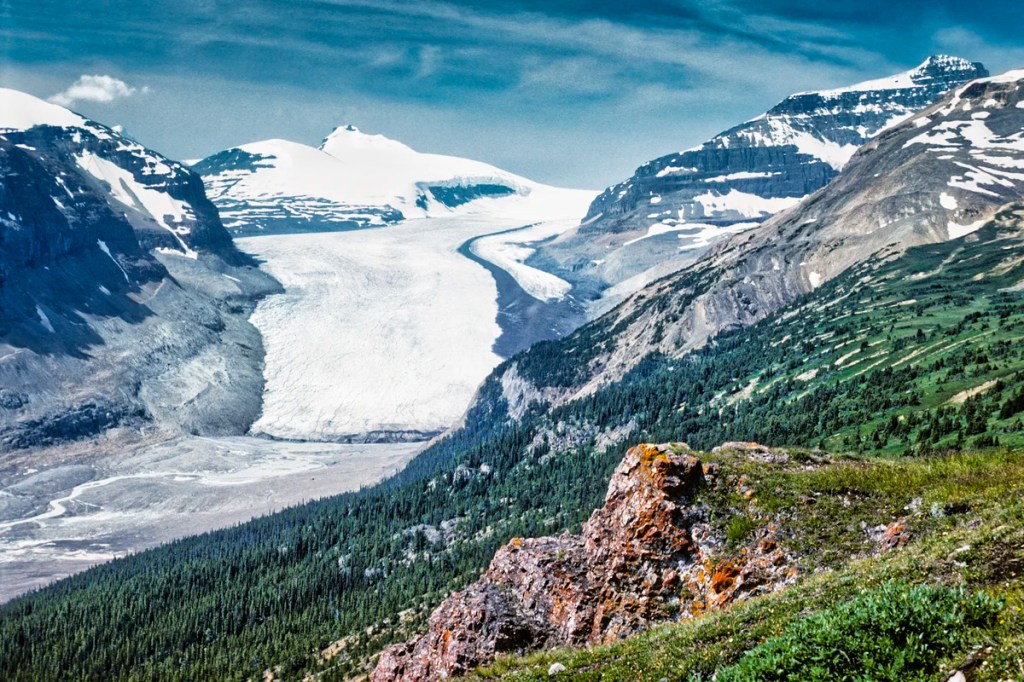
If you are an avid hiker, you are limited to when there is no snow, which is a shorter period in the mountains. Depending on elevation, May to October is hiking season — if you are lucky. For instance, one of the best short hikes is Parker Ridge Trail, which ascends to an elevation of 2275 m (7,464 ft). High elevation means winter comes early, and the last snow can persist until July. We always wear hiking boots and carry layers of clothing, especially our superb Patagonias (fleece sweaters), even in the summer.
The next step is to get a synopsis of what the country has to offer. This means a high-level overview to get familiar with the regions and special places in Canada. The purpose is to decide which region you should visit before getting into detailed itinerary planning.
Have Canadian Innovations Made an Impact on the World? identifies what is so amazing about Canada that you may not believe it. Canadian contributions help nourish your babies, keep you warm in the winter, give you the sports you watch, feed your family, and launch the NASA space program… Some surprises are amazing!
2 Trip Planning
What is your Trip Duration?
Trip Planning requires you to identify the exact number of days you have on the ground in a country. Next, you can calculate the possible number of major destinations. This means a stopover or accommodation place, from which you may make day trips to other sights.
Our rule of thumb is 2.5 days per stopover plus ½ to one day travelling to the next stop. So 15 days / 3 days per stopover = 5 stopovers. In other words, that is not very much. This tells you to tailor your expectations according to the length of your trip. If you go faster than that, you will be spending all your time driving, not seeing, absorbing, and enjoying. The only way you can see multiple distant regions of the world’s second-largest country would be to fly a lot.
Major destinations like the Rockies will need at least a week. In fact, you can easily spend two to three weeks just in the Rockies. We often stay in one place and commute to the various viewpoints and hiking trails. Actually, you will need two stopover bases as the Jasper area is a bit far from the Banff area if you plan to hike in that area.
Can I see Canada in 2 weeks? 3 weeks?
Since all of Western Europe fits into Eastern Canada, you will have to be very selective about which small region of Canada you want to visit. If you are driving from the USA, you are best selecting a region closest to you. If you are flying, then you have to choose your arrival city carefully.
We would not recommend a fly-by trip where you fly from city to city. The distances are short enough to fly from Toronto to Ottawa to Montreal to Quebec City to Toronto. But air travel plus hotel check-in will take up most of a day for a total of four days. That leaves you six days left on a ten-day vacation. You will need a vacation from the vacation! You would not really be getting to know any one place. If you want to see nature and scenic beauty, you need to drive.
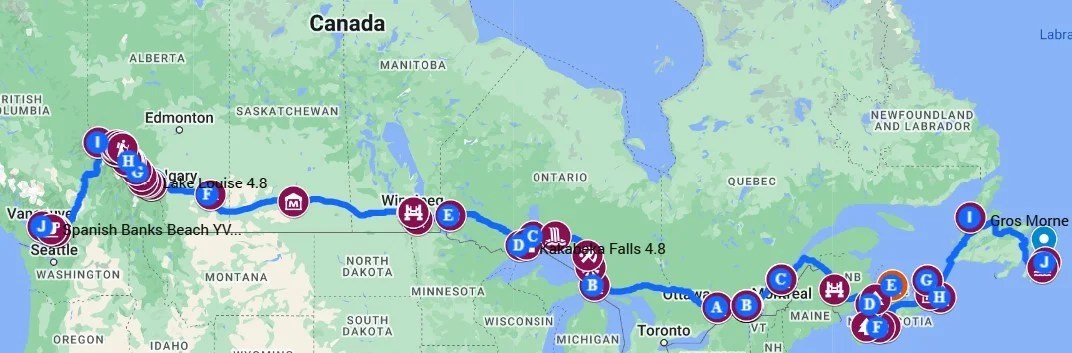
If you have unlimited time, a typical trip plan is shown in the Cross-Canada Travel Itinerary Map. The western itinerary crosses the part of Canada from Ottawa to Vancouver. Since only ten stops per driving segment are allowed by Google Maps, the distance will be well over the calculated 4835 km one way. This is about the same as driving from London, UK, to Tabriz, Iran (4,893 km)! It takes 4.5 days of non-stop driving to travel from Ottawa to Banff.
The whole Trans-Canada Route from St. John’s, NL, in the east to Vancouver in the west is more than 8710 km. The Trans-Canada Highway is the longest in the world; fortunately, a lot of it is an expressway.
Also note that these itineraries do not include Northern British Columbia (BC) or the Yukon. Do not be fooled by geographic mapping systems that make northern areas look smaller. It takes another 4.5 days of non-stop driving to travel from Banff to Whitehorse, Yukon! The Yukon is 14% bigger than California, but has only 36,000 people!
Some Western Canadians have never seen Eastern Canada. It is closer to fly from Vancouver to Honolulu (4357 km) or Cabo San Lucas, Mexico (3901 km) than to Montreal (4925 km). Some eastern Canadians have never seen Western Canada. It is closer to fly from Montreal to Dublin (4757 km) or Bogotá (4533 km) than to Vancouver.
3. Best Things to Do in Canada
Decide Your Interests
What is your primary focus? Is it hiking, food experience, city life, small towns, history, etc? If you are like us, it is all of the above. Fortunately, we live in Canada.
We had a house in Alberta for ten years, and we would choose Western Canada hands down. In fact, even that is too large, so we would choose a smaller area either in the province of British Columbia (BC) and/or Alberta (AB).
Decide the Best Places to Go
This depends on your interests. Review our Canada posts and photos below to help with this research.
Best Places to See in Canada
If we were designing an itinerary, we would first decide which places are the must-sees and build the itinerary around them. Some examples in Western Canada for you to consider are:
Vancouver — one of the most cosmopolitan cities in the world- is a city of mountains and water.
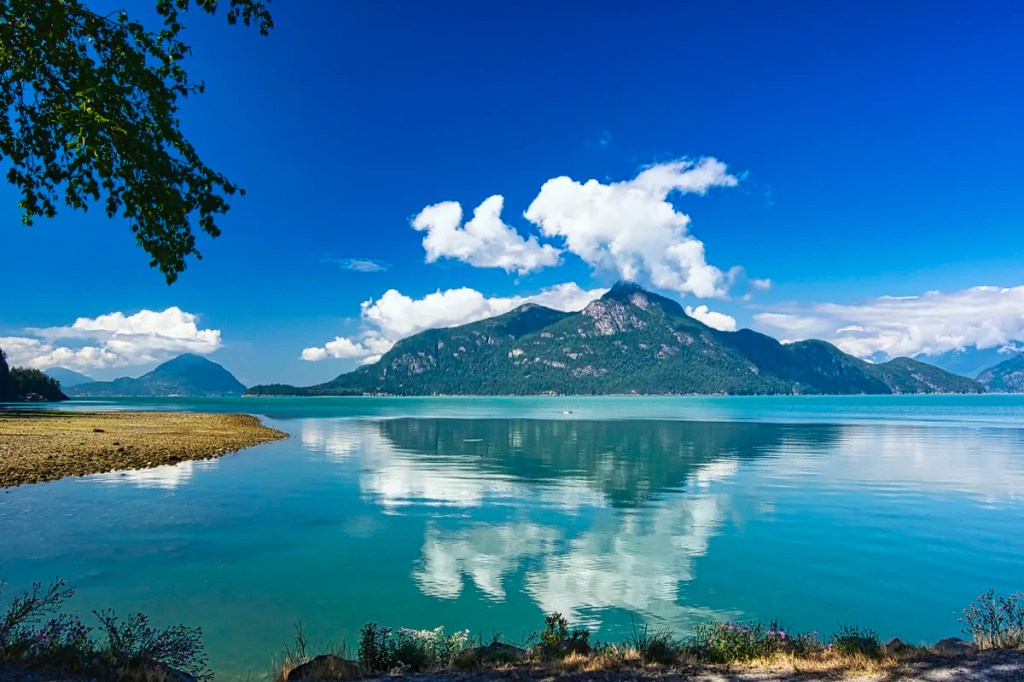
The Sea-to-Sky Highway is the second most scenic road in Canada.
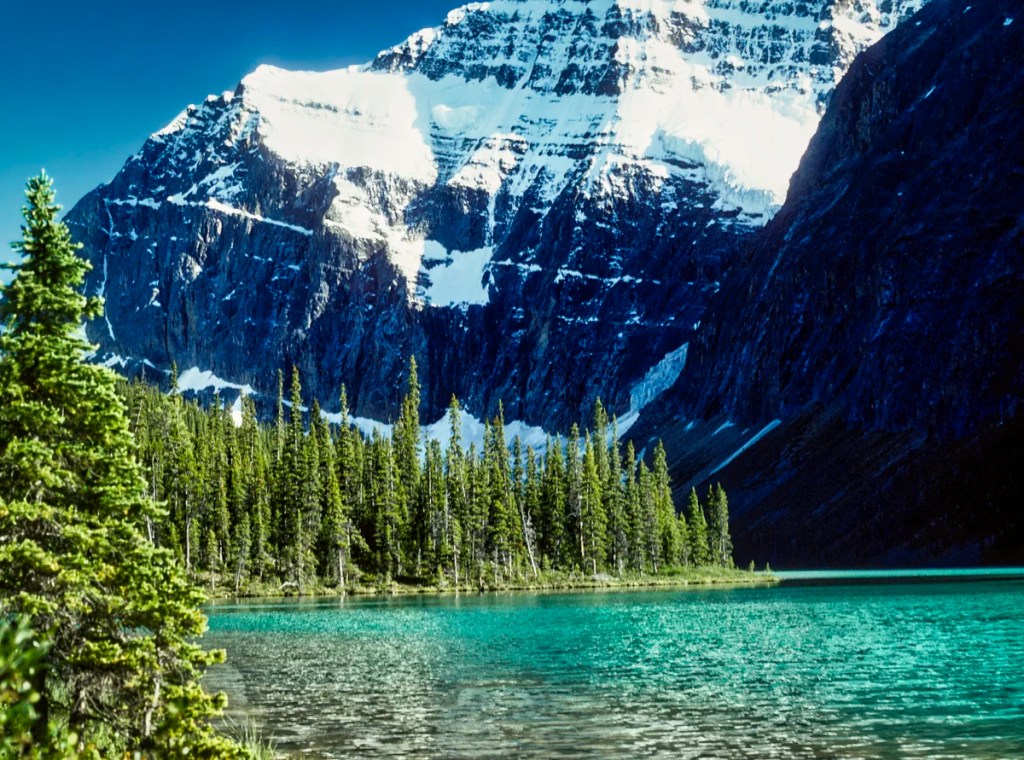
Canadian Rockies — the 262 km route from Emerald Lake to Jasper, the town offers the most beautiful turquoise lake, glaciers, waterfalls, easy hikes, and mountain views.
Dinosaur Provincial Park — the world’s richest source of Cretaceous Era dinosaur fossils, has an exciting interpretive program.
Northern BC to Yukon — escape from the over-tourism of Europe and Asia to a land of few people and ultra-wilderness.
Places to Add to Your Itinerary
The post below provides an index of our ready-made, map-based itineraries by geographic area within Canada. Each guide provides in-depth advice, a photographic odyssey and a link to a custom Google map. They are a valuable resource for planning your upcoming trips.
Final Comments
This is a set of itinerary planning options for Canada. I hope you will realize how you can only see one region in a short vacation trip. We travelled 19,000 km (11,806 miles) from Ottawa to the Yukon to Vancouver and back in 2017. We spent three months!
Subscribe
Get travel tips and advice delivered directly to your inbox. The best part is that it is free.
What things fascinate you? How long is your trip? What questions do you have? If you can, please share your experiences with us.
Itinerary Maps
We have developed a custom Google map that provides an instant itinerary for each post. The link to the map is found within each itinerary post. We pinned all the places mentioned in the post, appending the Google Rating to the name. We have found that the Google Rating is more reliable than TripAdvisor or other sources, probably because the former includes the opinions of locals and not just tourists.
Google Maps Ratings
Google Maps provides a rating from 0 to 5 for all sights, hotels and restaurants (but not cities). All of our recommendations are appended with the rating (prefixed with a G) from Google Maps. As it is based on feedback from tourists and locals, it is much more reliable than travel booking websites. We consider a score of 4 to 4.39 to be Very Good; 4.4 to 5 to be Excellent.
 Terra Encounters
Leave a comment