
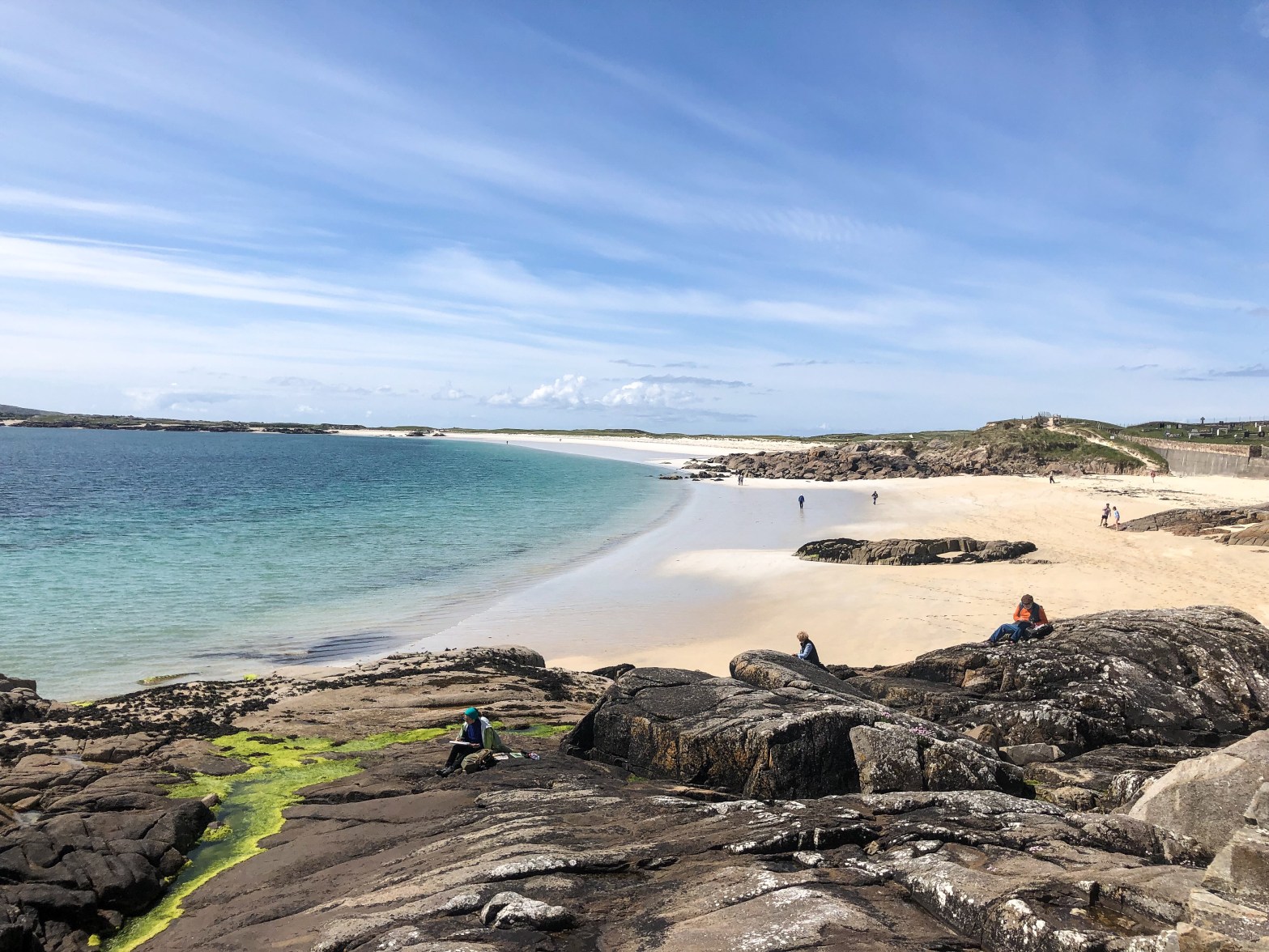
Introduction to Ireland
Exploring Ireland: Tips, Tales & Treasures 85
This post is a primer about enchanting Ireland. Our blog is a mix of practical advice, tales, and unique treasures. We encourage you to explore beyond the ordinary, beyond the overcrowded places that all tourists head to like lemmings. This post introduces our detailed itineraries. Each route aims to inspire a sense of adventure and curiosity. This post covers the following topics.
How much time do I need for Ireland?
How much cash should you take to Ireland?
What apps are useful for travel?
Author & Photographer: George Mitchell

Our content and advice are derived from our personal experience and knowledge, gained from living in Europe for seven years and studying its art and architecture. Our recommendations are not influenced by affiliate links – we do not have any.
All of our recommendations are top-rated by Google Maps, which is based on the opinions of everyone, not just tourists. Each place recommended in our posts and custom maps is appended with a Google Maps Rating (G0 to G5).
When should I go?
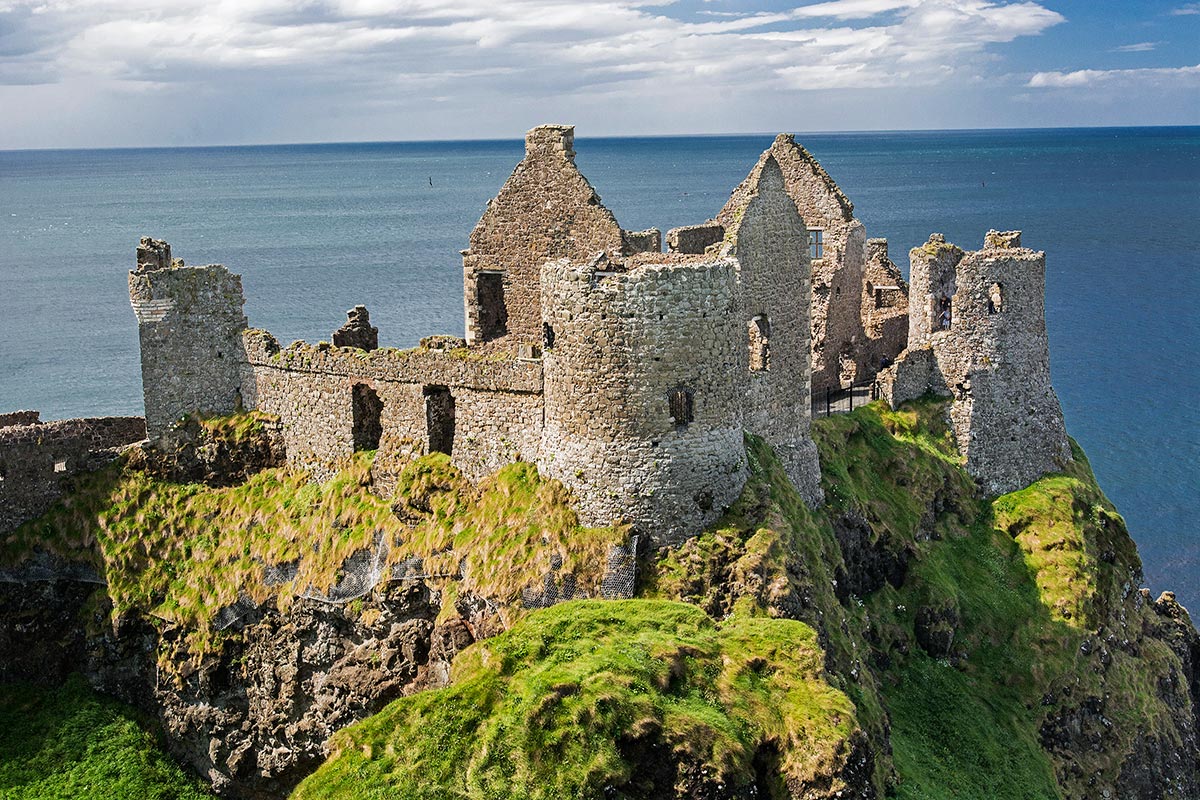
The most over-touristed months in Ireland are typically June through August, which marks the peak travel season. Moreover, it has been downright hot in July and August the last couple of years (climate change). Additionally, there is generally no air conditioning. September is still peak season, but it is less busy.
You will also pay higher prices for flights, accommodations, and car rentals. Unfortunately, tourists go to the same museums, archaeological and other tourist sites. You will suffer through long lines at popular attractions like the Cliffs of Moher, Guinness Storehouse, and Blarney Castle. If you do go in the summer, avoid the most touristy hours between 10:00 and 16:00.
What is the best season for travel?

The best times to travel are spring and fall, although April can still be a bit chilly. If you’re looking to avoid the crowds, consider travelling in May or October, which offer a great balance of decent weather and fewer tourists. Otherwise, Ireland is like a perpetual spring, so you need to dress in layers and be prepared for wind and rain.
What is the best clothing?
The best travel clothing includes Gore-Tex (waterproof) hiking shoes (not the heavier boots), about $160-220; breathable Gore-Tex rain shell, ca. $240, pricey but the least bulk. There are cheaper alternatives. Another must-have is a Patagonia fleece sweater $126-170, the best warmth and is more compact than wool. All these items are lightweight and geared to hiking; in effect, that is what you are doing as a traveller. We wore jeans most of the time (in May) due to the cool winds.
How much time do I need for Ireland?
Can I see everything in a week?
The short answer is no! Why can’t you just drive to a new town every day? Because it takes ½ to one day to drive to the next location. You will not have enough time to walk, admire, learn or enjoy each place. You will not have enough time to meet the people. And you will need a vacation from the vacation.
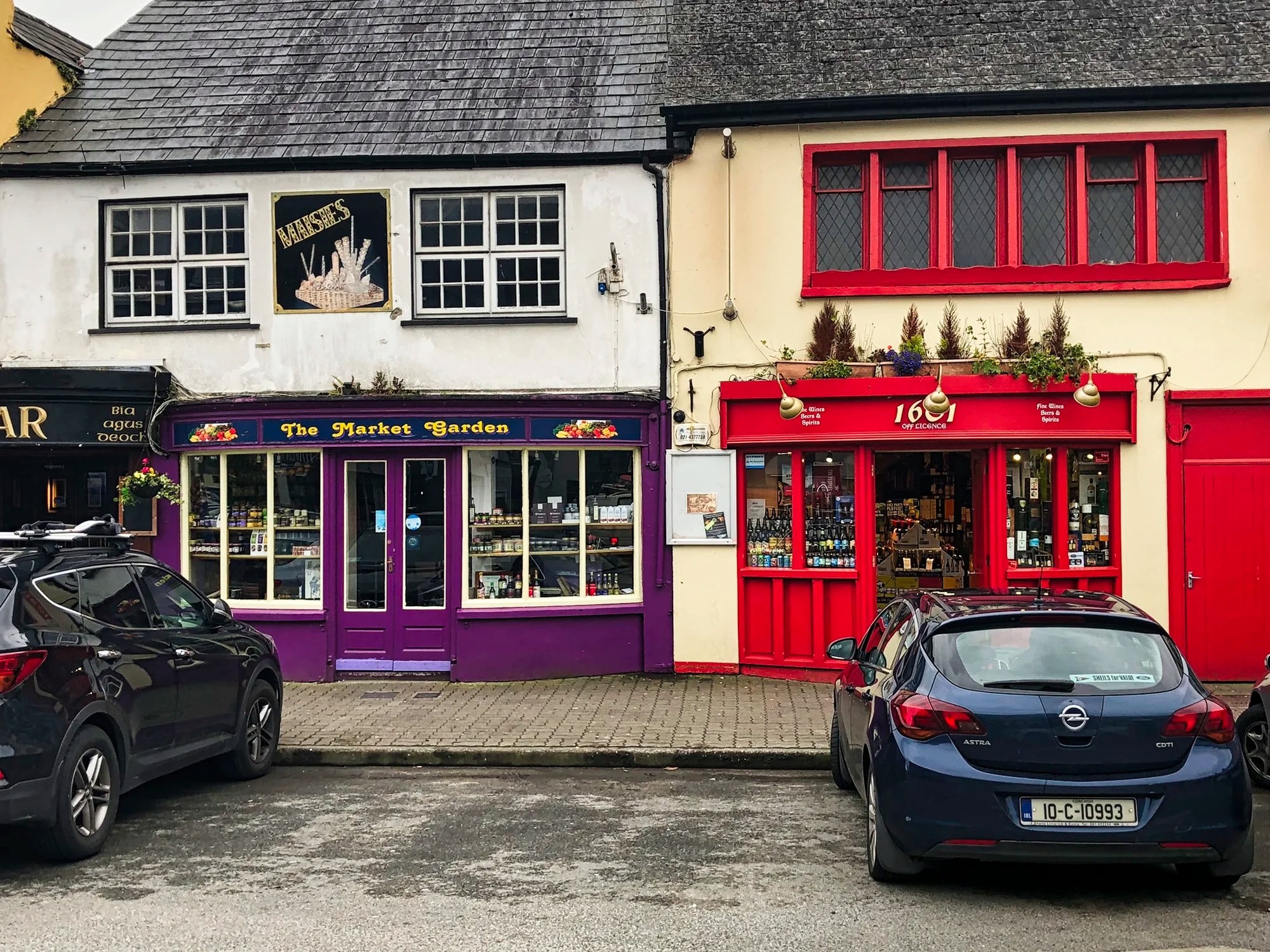
Many people just plan on going to towns whose names they have heard. Except for a few colourful fishing towns like Dazzling Dingle and Kool Kinsale, towns are not what is special about Ireland. Yes, people who have never travelled to Europe will find any town interesting.
How many weeks do I need to see Ireland?
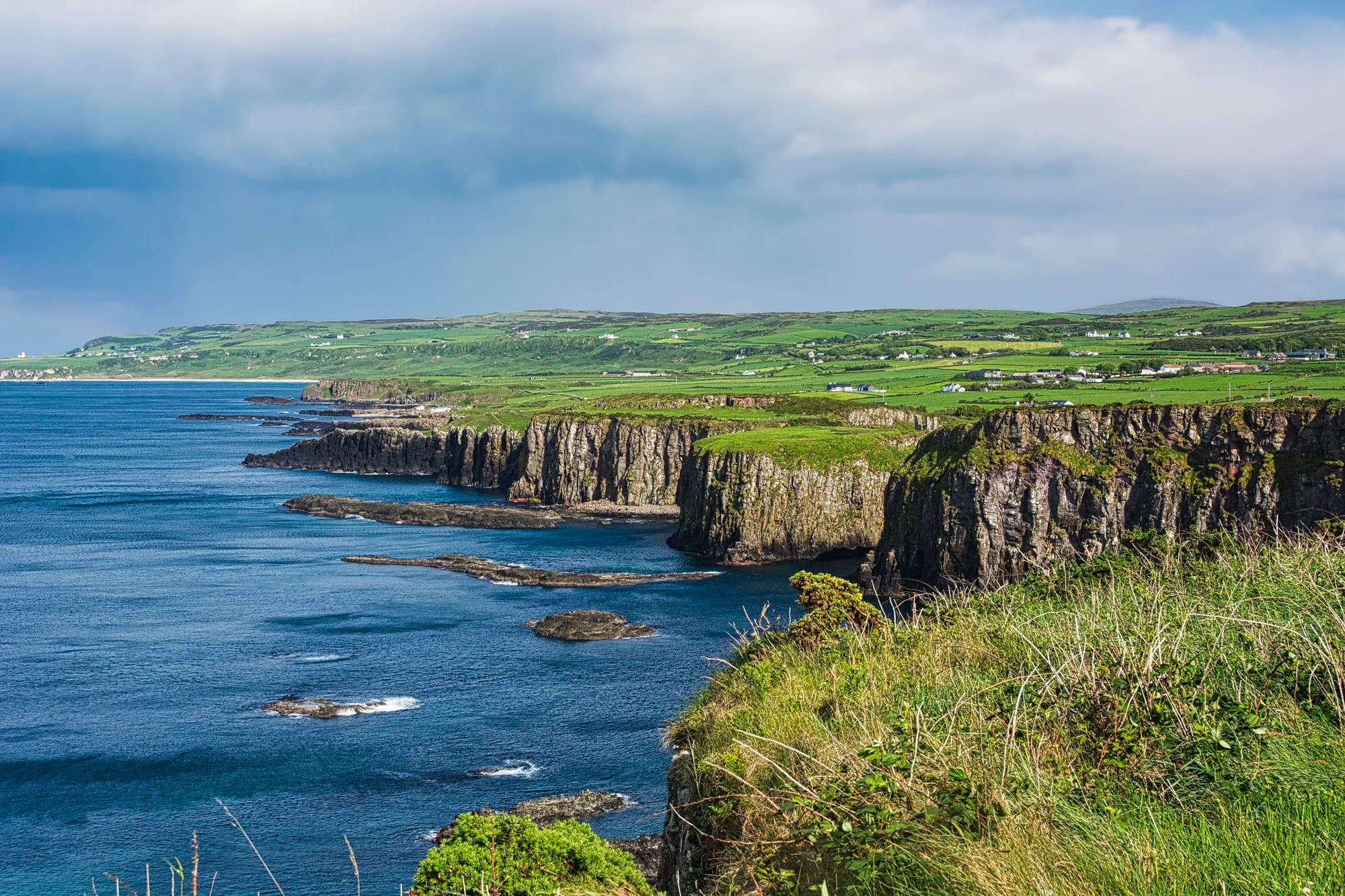
To see Ireland thoroughly and not feel rushed, you need one week PER geographic region. If you only have a week, try to use statutory holidays to extend that to ten days. If you really can only manage a few days, then severely limit the scope of your itinerary. Otherwise, you will get tired out and may not even remember the places in your photographs when you get home.
We travelled for three years around the world. Our rule of thumb is three days per sleepover base, which includes up to one day to travel there. This applies to all of Europe, except for cities like Rome that need 5 to 7 nights. Forget that Ireland seems small compared to your state or province. There is a lot more to see per square kilometre in Ireland.
It is impossible to see all the craggy coastlines and spectacular scenic areas. But allowing at least two weeks will get the most out of your travel (cost) investment.
Where should I go?
What is unique about Ireland?
When we travel, we want to find out what is special or unique about a country. Read about the special features of Quintessential Ireland. Next, decide what features interest you. If you are like us, you are intrigued by every feature. We prepared for a seven-week-long trip!
What are the Hidden Gems of Ireland?
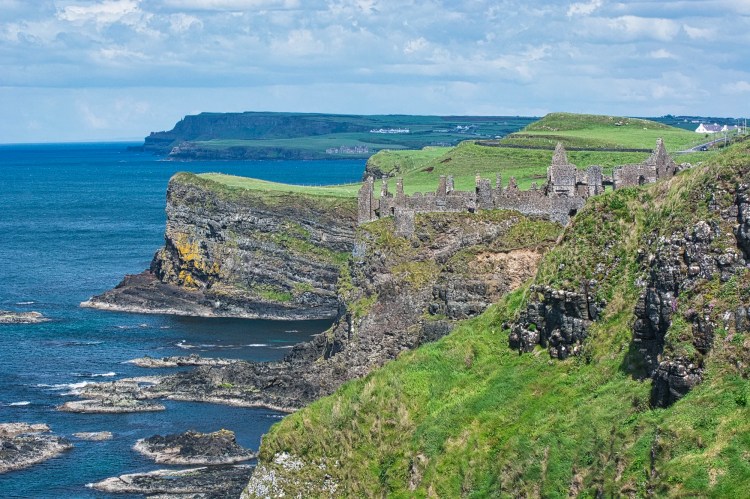
If you find the number of tourists oppressive, then there are a couple of things you can do. The first is to avoid the summer high season. The second is to seek out less-visited places.
The largest number of hidden gems is located in the North of Ireland. Some hidden gems are located right near very overcrowded places. In our opinion, a hidden gem is not a place with no people. It has to have something exceptional or special. Click the link below to see our suggested list.
What are the must-sees?
There are too many places than can be mentioned here. How do you decide? We have triaged the best places into a series of itineraries.
Two-Week Ireland Itineraries
We have prepared two ready-made itineraries for those who want a quick answer. These itineraries were based on the features in the Quintessential Ireland post. One two-week route covers Southwest (SW) Ireland, the other covers the North of Ireland. Click Are there Hidden Gems in Ireland? below.
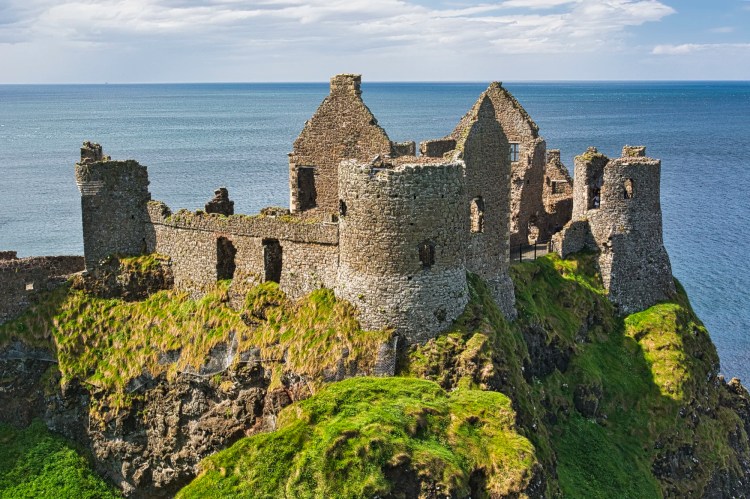
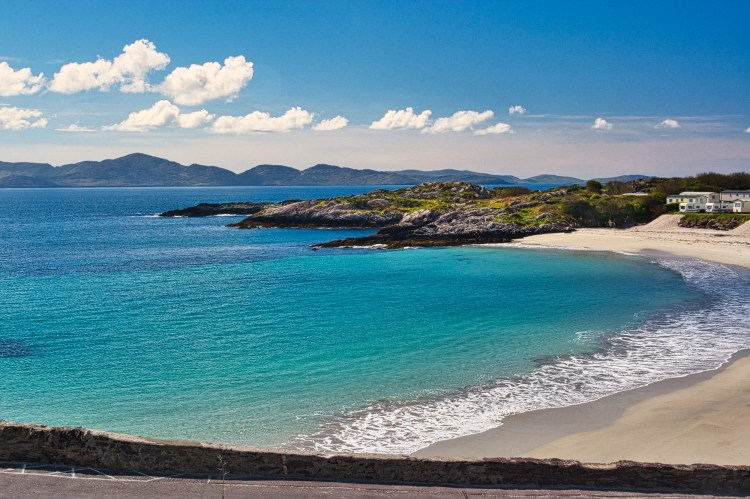
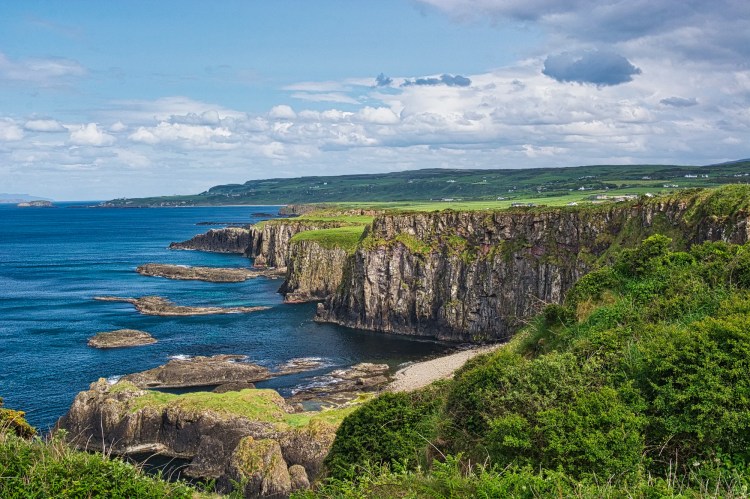
Custom Ireland Itineraries
We have also prepared five detailed itineraries — one for every region. They are introduced on the Discover Ireland web page below. Each itinerary comes with its own itinerary map.
We have also provided an Ireland’s Best Sights Map — our custom map with the most special points of interest. This can be a starting point for those of you who want to create a custom itinerary on your own Google My Maps.
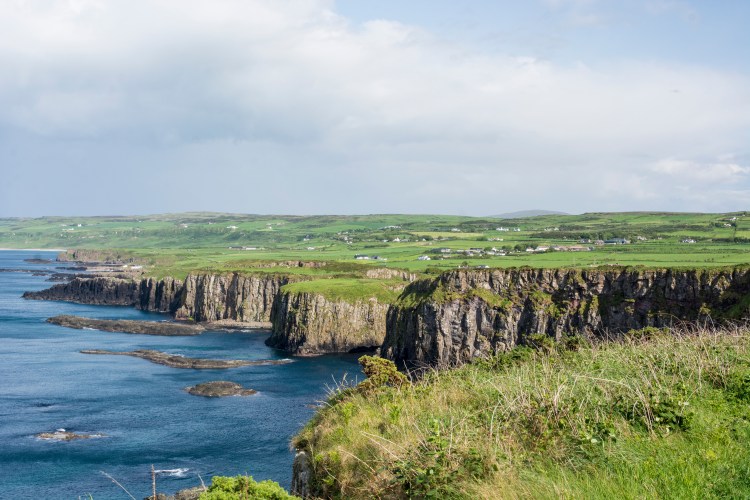


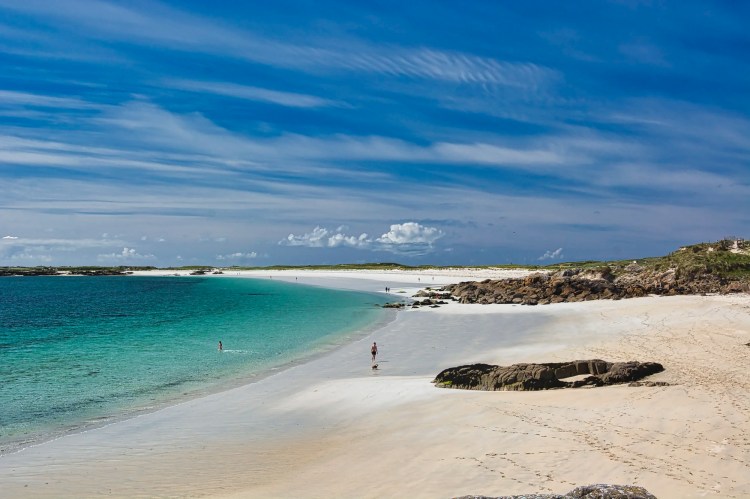

How safe is Ireland?
Ireland is very safe. In fact, most of Europe has a much lower violent crime rate than the United States, which is the 14th worst country in the world. Ireland has the least violent crime as well as the lowest robbery rate. The US is the 18th-worst country for robbery. Ireland is one of the safest countries in the world, according to two indexes on the Travel Safety page below.

The following metrics are more relevant to residents of Ireland.
| Country | Rank | Murder Rate | Rank | Robbery Rate |
|---|---|---|---|---|
| United States | 14 | 12,996 | 18 | 146.4 |
| France | 75 | 682 | 88 | 10.8 |
| Canada | 80 | 554 | 28 | 94.2 |
| Italy | 83 | 529 | 20 | 121.7 |
| Japan | 86 | 506 | 96 | 4.0 |
| Ireland | 145 | 54 | 51 | 55.7 |
Crime Levels: Countries Compared Countries
- Intentional homicide rate per 100,000 population
- Number of recorded robberies per 100,000 population
How much cash should you take to Ireland?
Ireland is a modern economy. You can use credit cards almost everywhere and ATM machines when you need cash. There were only a couple of B&Bs that insisted on cash payment. We simply took out cash at the ATM in advance. Note, there is an ATM withdrawal limit on cash withdrawals based on the bank and your account.
Should I pay in Euros or my own currency?
The usual rule of thumb is to always pay for expenses in the local currency. Stores/hotels can use any exchange rate they want. Pay for your airfare and rental car at home in your own currency so the rate is secure and there is no foreign exchange transaction fee. Don’t worry about transaction fees because banks can hide fees or just use a poorer exchange rate. If you want to budget, then economize on hotels and restaurants.
Should I rent a car? Take a Taxi?

Within Dublin, no! Nor do you need to take a taxi, as the public transit system is very good.
It is not as big a problem driving in Dublin as many people, including Rick Steves, make out. Dublin is tame compared to Rome, where we lived for four years. Try driving in Istanbul or Bangkok!
Irish drivers are generally relaxed and polite. This does not mean I recommend driving — parking is very expensive, but it is available. Traffic in Dublin is very slow, and you need a navigator. If you rent a car at Dublin Airport, you will have to drive through Dublin to get to your hotel. Relax, you are more likely to get lost than to have an accident.
Outside Dublin, you will need a rental car or a tour to see the quintessential sights. Even cities like Galway were easy to drive in. Driving on the left is not a real problem. But the narrow country roads take getting used to. Yes, your small car does fit in the lane, but there are no shoulders. Drive slowly – you are on holiday and should not be rushing to the next place.
What apps are useful for travel?
Mobile apps that we use for travel include:
- XE for exchange rates,
- Units Plus to convert Metric to English measurement systems,
- Google Maps for planning and fancier versions of maps
- Google MyMaps for creating custom Google maps
- Maps.me for offline maps and directions,
- Photoshop Express to edit cell phone photos.
I use desktop Photoshop and Luminar Neo for proper editing at home. We also have Agoda and TripAdvisor, but we don’t use them during our already planned trip, and we also trust the Google Maps ratings more.
Should I get a SIM Card?
That’s a personal decision. If you plan on using the phone, then it makes sense. If your reason is to search for information, then use free wi-fi when you can get it (hotel, café). If your main reason is to use maps and get directions, then download the maps.me app (subscription) and a map of the country. It works offline without connectivity. This is what we used on our last trip. Now that there is a virtual or eSIM, we may choose that option on our next trip.
Final Comments
Ireland is a beautiful and safe country to visit. It is also a modern country, so just relax and enjoy.
Subscribe
Get travel tips and advice delivered directly to your inbox. The best part is that it is free.
What things fascinate you? How long is your trip? What questions do you have? If you have been to Ireland, share your experiences with us.
Google Maps Ratings
Google Maps provides a rating from 0 to 5 for all sights, hotels and restaurants (but not cities). All of our recommendations are appended with the rating (prefixed with a G) from Google Maps. As it is based on feedback from tourists and locals, it is much more reliable than travel booking websites. We consider a score of 4 to 4.39 to be Very Good; 4.4 to 5 to be Excellent.
 Terra Encounters
Leave a comment