
Why Should You Visit Sligo?
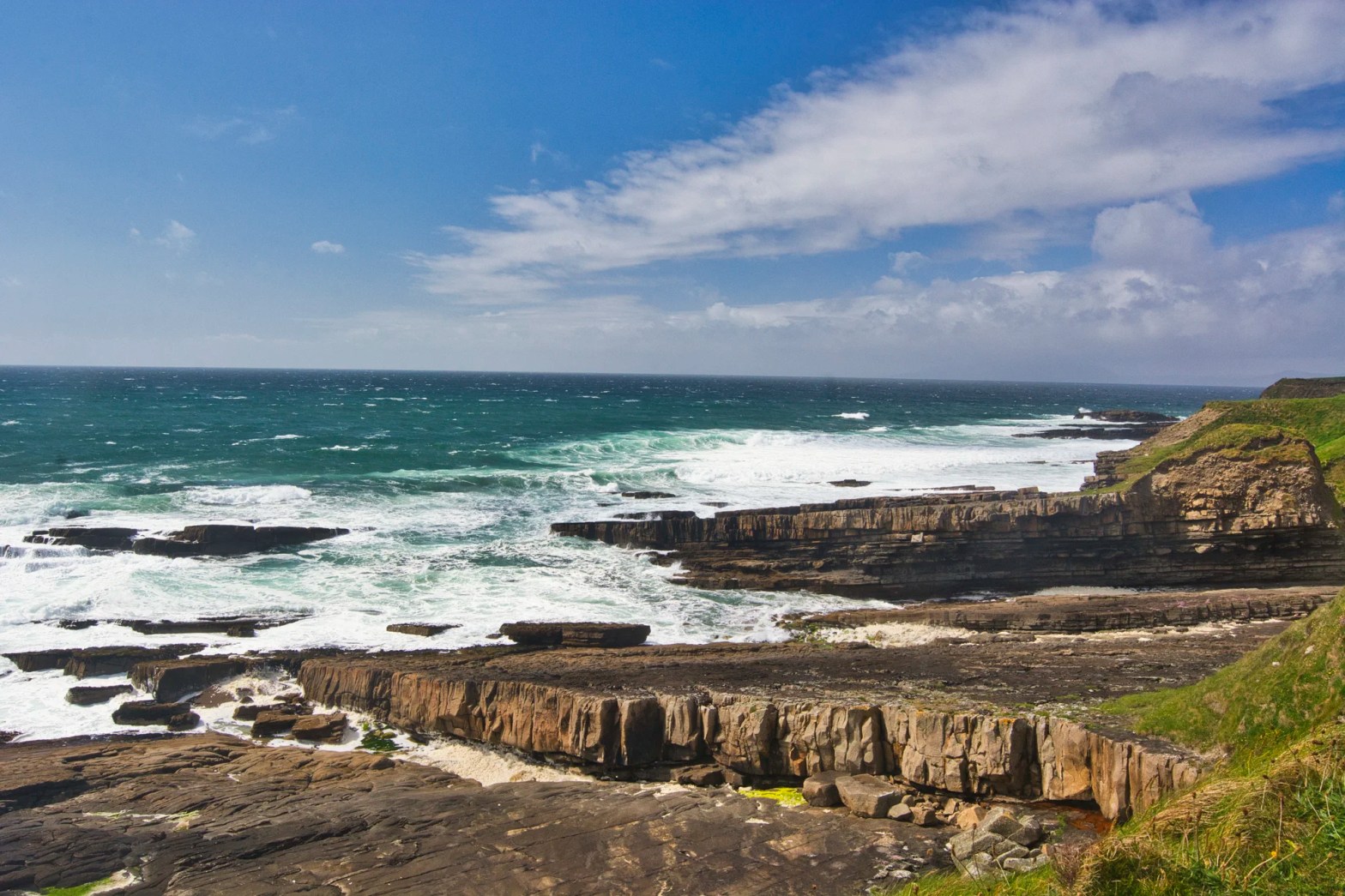
No, this is not a new movie! Enjoy the photogenic coastal drive around Mullaghmore Head. Discover fossil-laced headlands at Streedagh Beach. Feel at peace on the tranquil Collenamore Beach. Visit the burial sites of poet W. B. Yeats at Drumcliff Church and the Neolithic people at Carrowmore.
Read on to find out how to make the most of your time — read which places you should visit, see which photos fascinate you, as well as get links to our custom Google maps and itinerary planning information.
Author & Photographer: George Mitchell

Our content and advice are derived from our personal experience and knowledge, gained from living in Europe for seven years and studying its art and architecture. Our recommendations are not influenced by affiliate links – we do not have any. Ireland is one of our favourite destinations.
All of our recommendations are top-rated by Google Maps, which is based on the opinions of everyone, not just tourists. Each place recommended in our posts and our Ireland North Map is appended with a Google Maps Rating (G0 to G5).
Strolling in Strandhill
We drove to the Saturday Market, which was primarily crafts rather than food products. The Strandhill “beach” (G4.7) was more rocks than sand, and so busy. One could hardly get a parking spot because it was next to the main street. We left Strandhill to see a beach we had found on Google Maps.
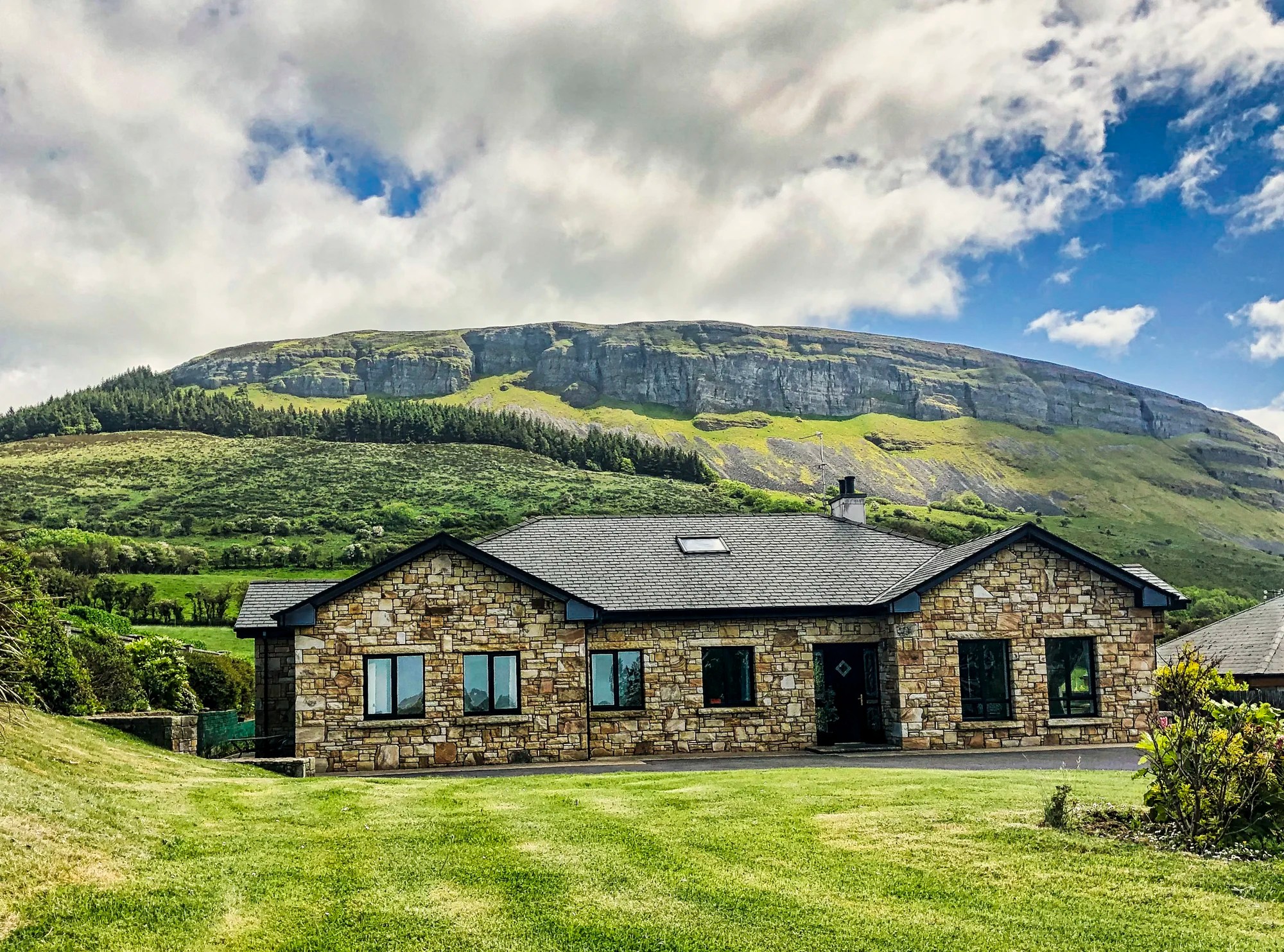
The road we took had fine views of Knocknarea Mountain (G4.8), but they were blocked by fancy stone houses. It is renowned for its steep limestone cliffs with stunning views of the Atlantic Ocean. The mountain is home to Queen Maeve’s Cairn, believed to be a Neolithic passage tomb, dating back to around 3000 BC.
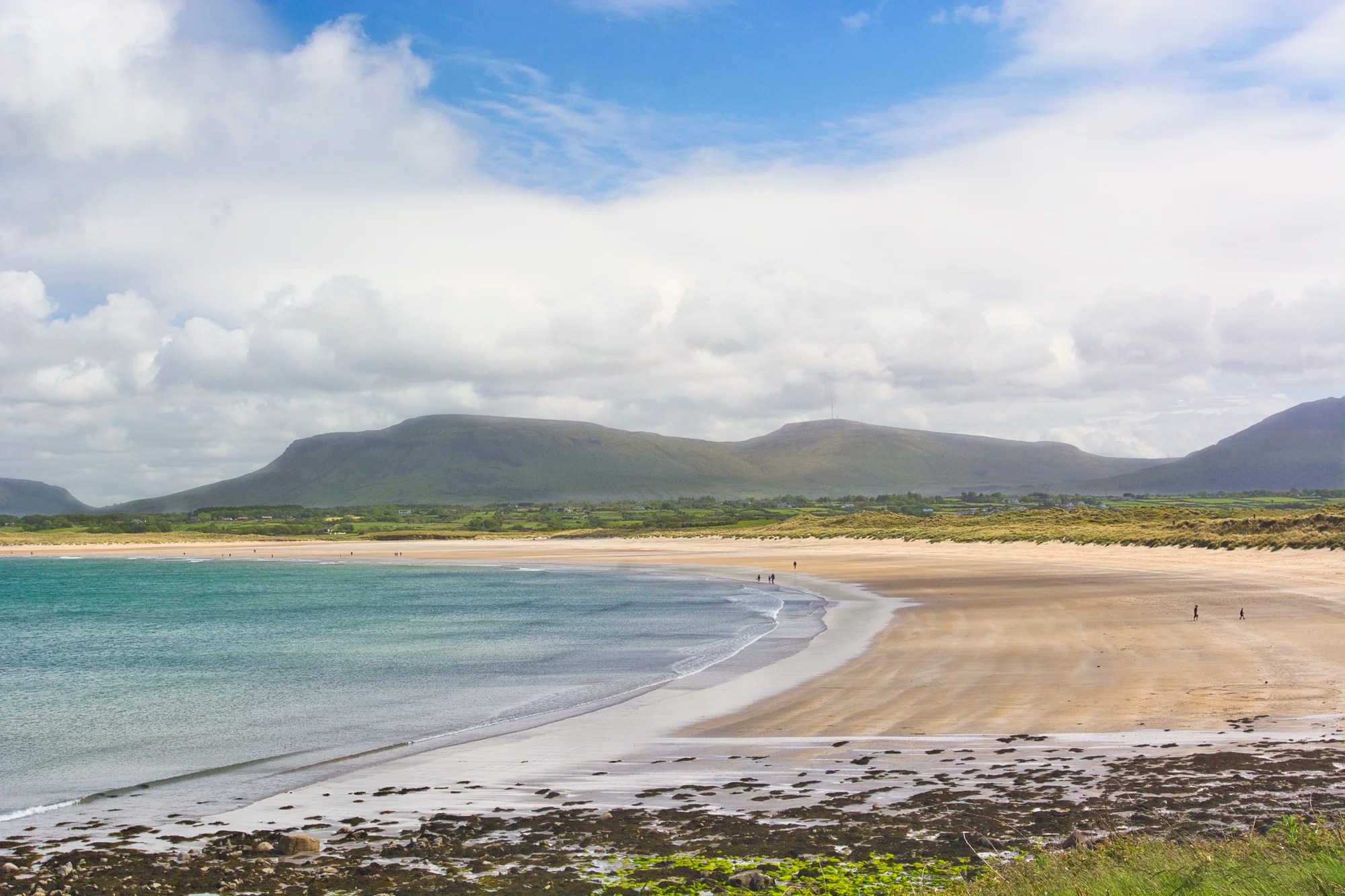
Collenamore Beach
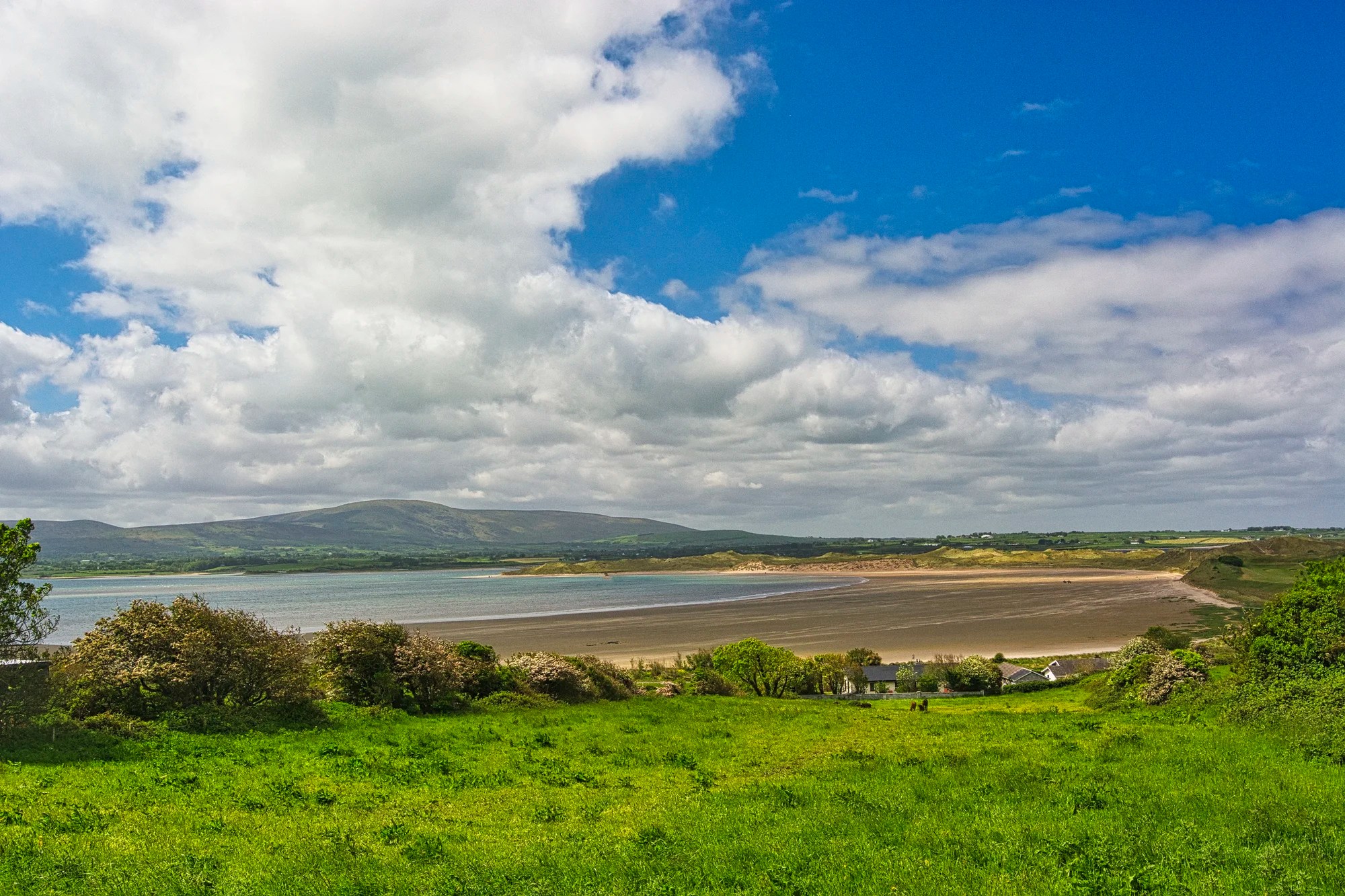
The road also gave us distant views from rolling pastures down to a wide sandy beach. Where can we get onto this beach?!
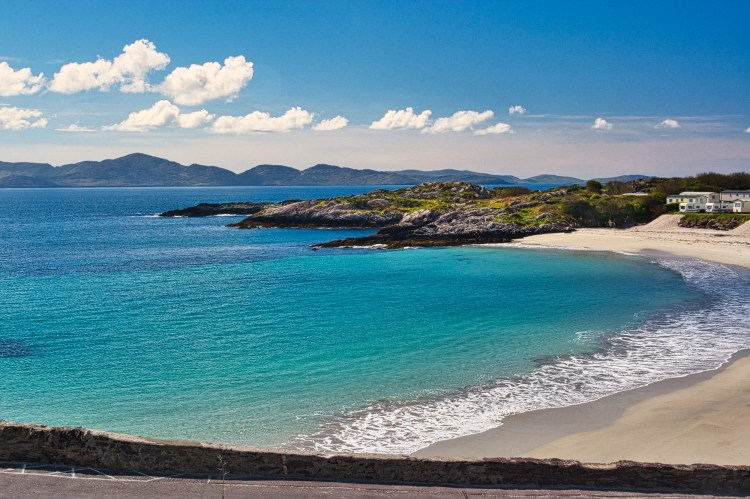
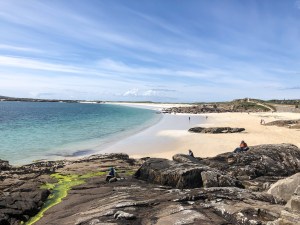
We found a road to a tiny parking area. Only locals were here with their families. Before us was the wide expanse of Collenamore Beach (G4.8).
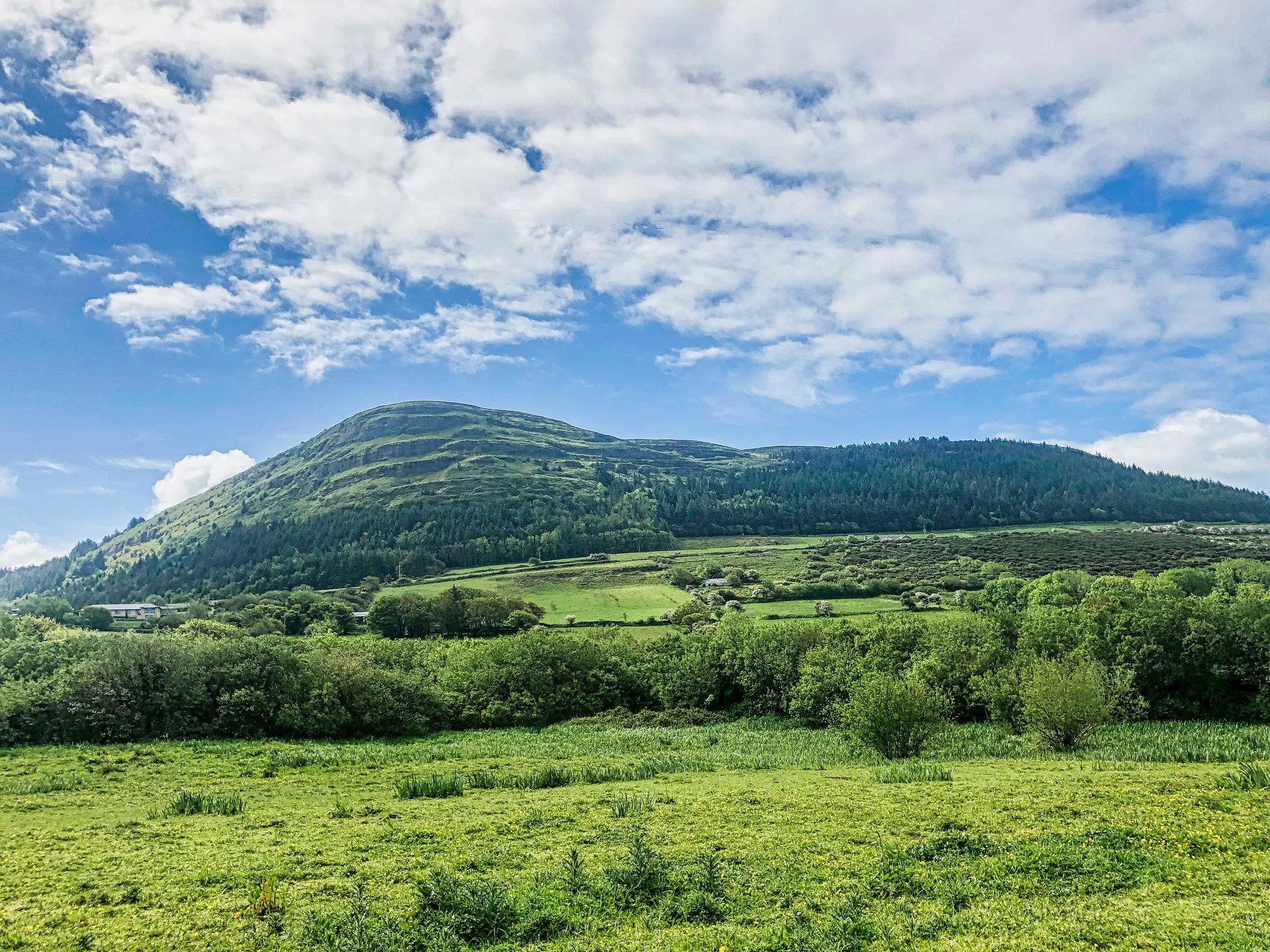
But an added extra was the unimpeded view of the verdant green Knocknarea Mountain from the farm before the parking area.
Cruising in Carrowmore
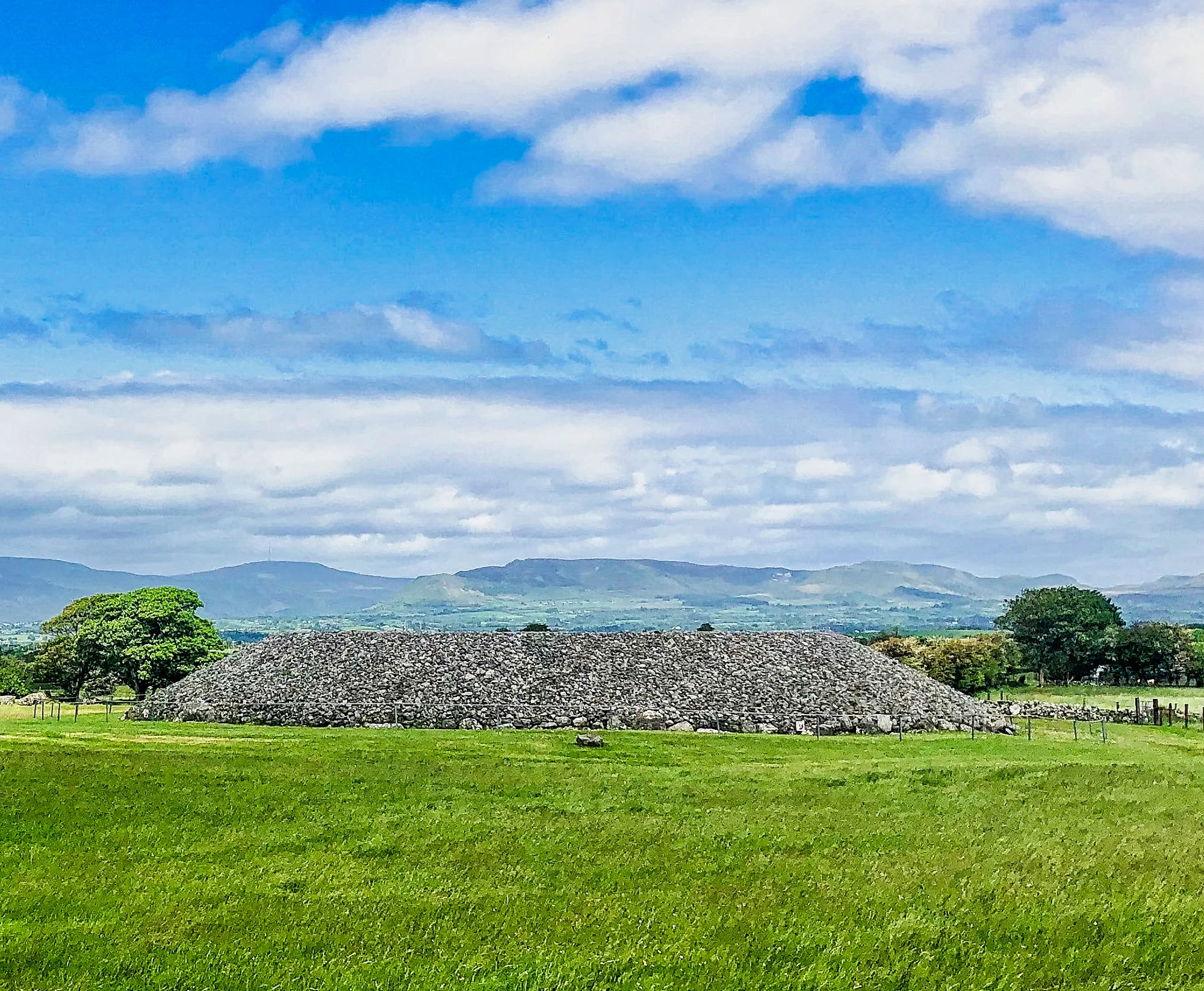
Carrowmore (G4.3) was a pleasant park with a restored altar mound shown above. It is the oldest and largest megalithic (Stone Age) site in Ireland, dating to 5800 years ago – over 1100 years older than the first pyramid in Saqqara, Egypt.
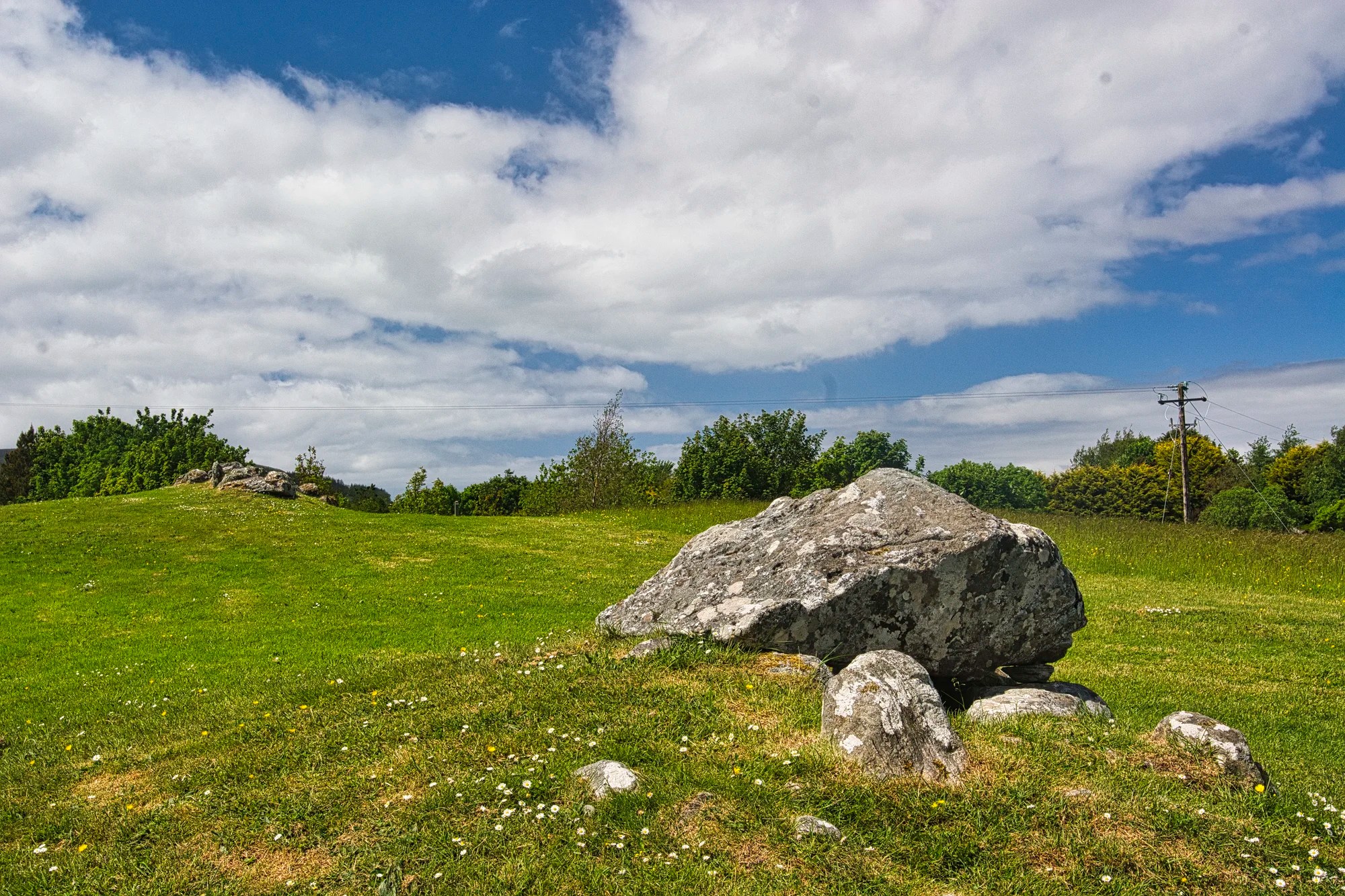
There are over 60 tombs at Carrowmore, but only a few stones still remain. This OPW sight may not appeal to everyone.
Scraping Streedagh Beach
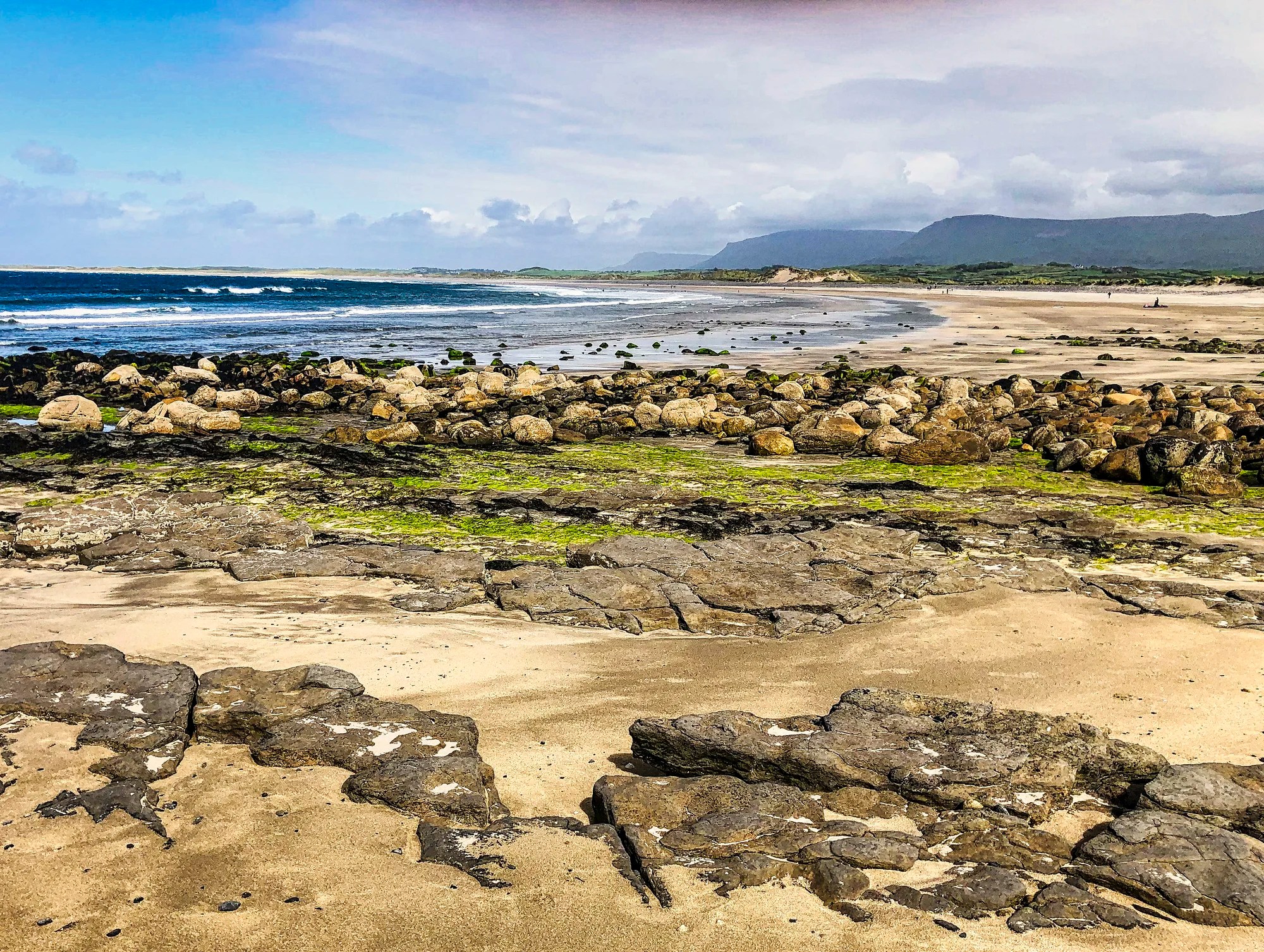
Discover fossil-laced headlands at Streedagh Beach (G4.8). The fossils look like worm casings. The undeveloped beach spans over three km of untouched sand and rocks, powerful waves and tranquil sand dunes. The area is home to diverse wildlife, including oystercatchers, curlews, plovers, and seals.
The beach is also known for its connection to the Spanish Armada, with three ships wrecked there in 1588. Remnants of these ships are visible at low tide, creating a tangible link to the past.
Musing in Mullaghmore
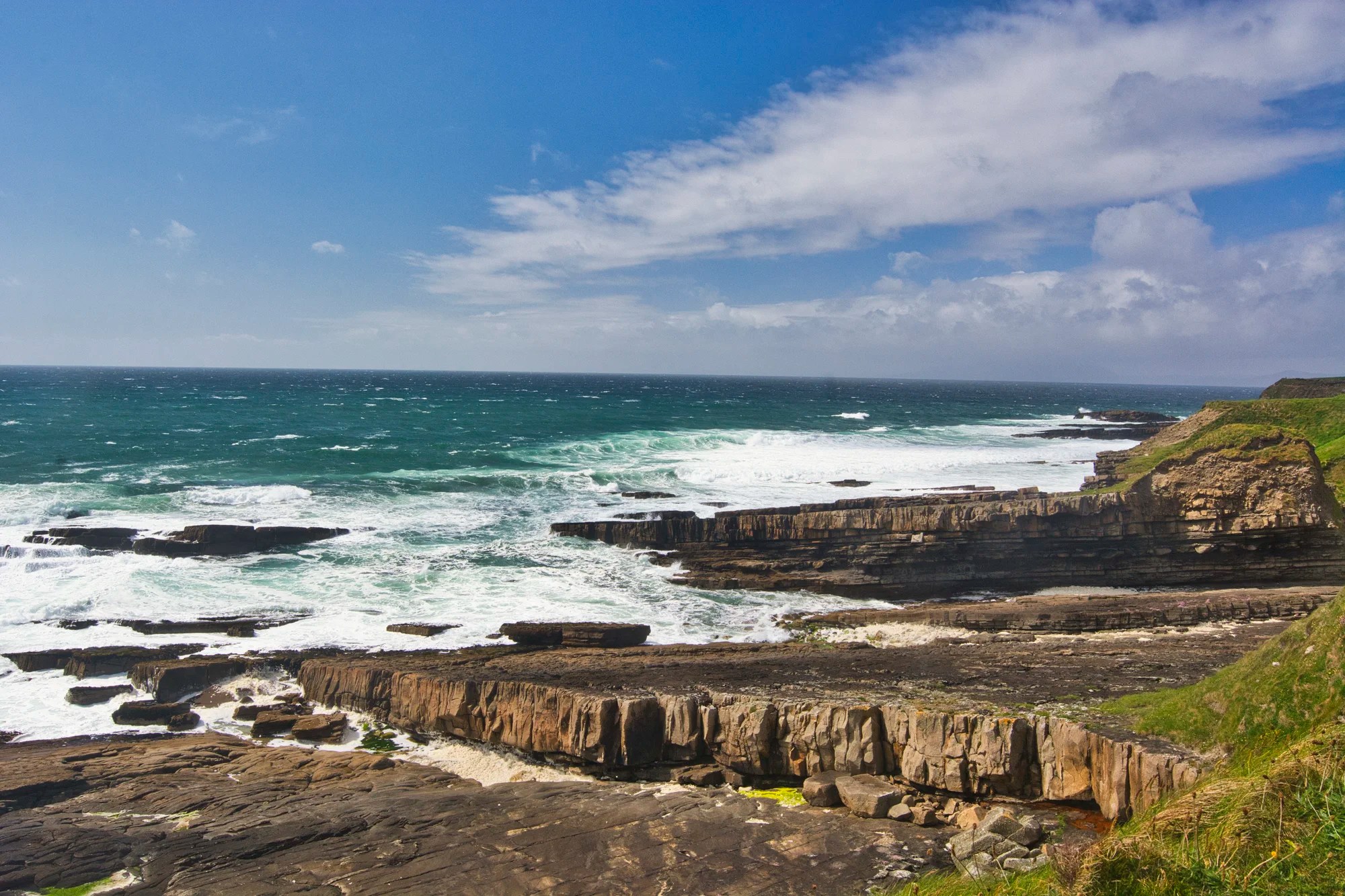
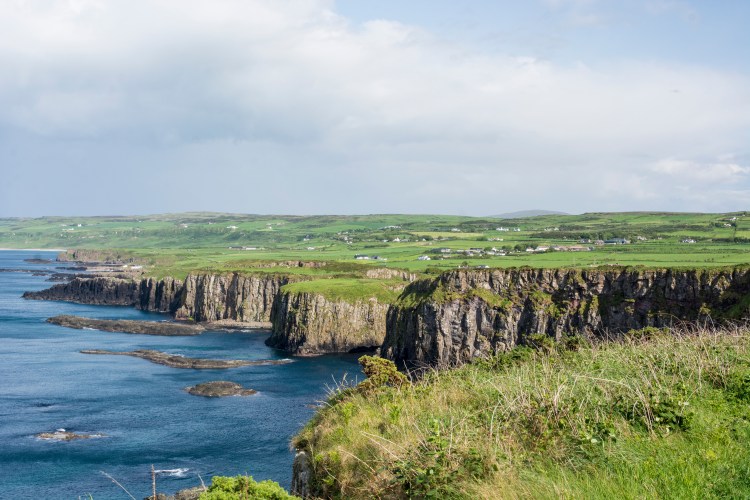
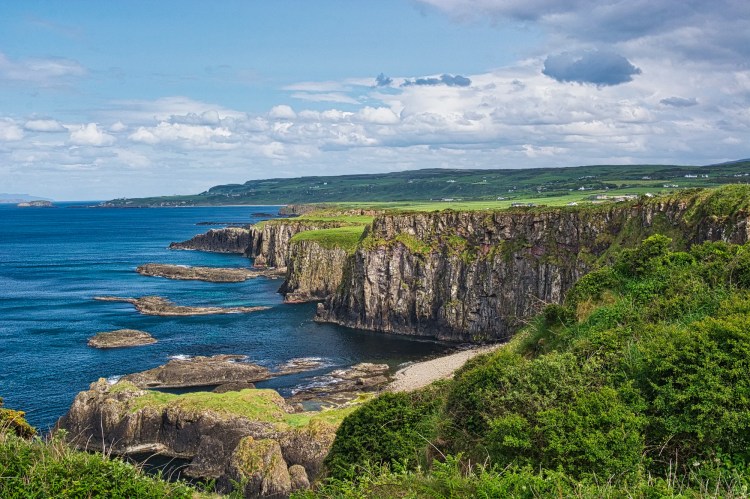
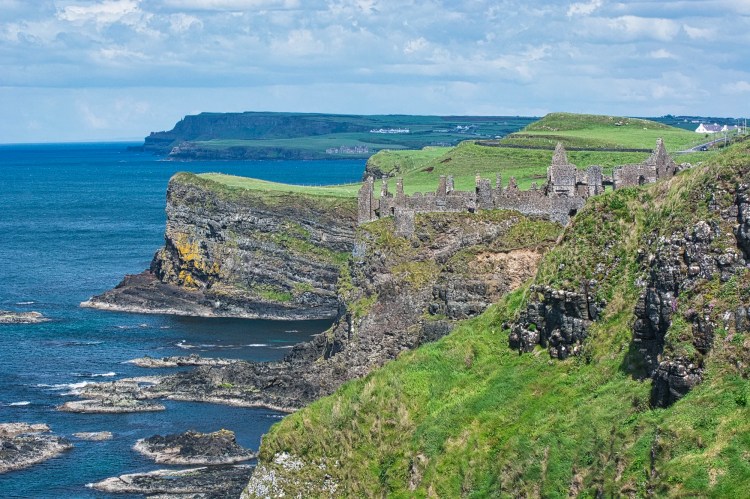
But the pièce de résistance was Mullaghmore Head (G4.8). Turn left, away from the town of the same name, to take the cliff-top drive around the peninsula.
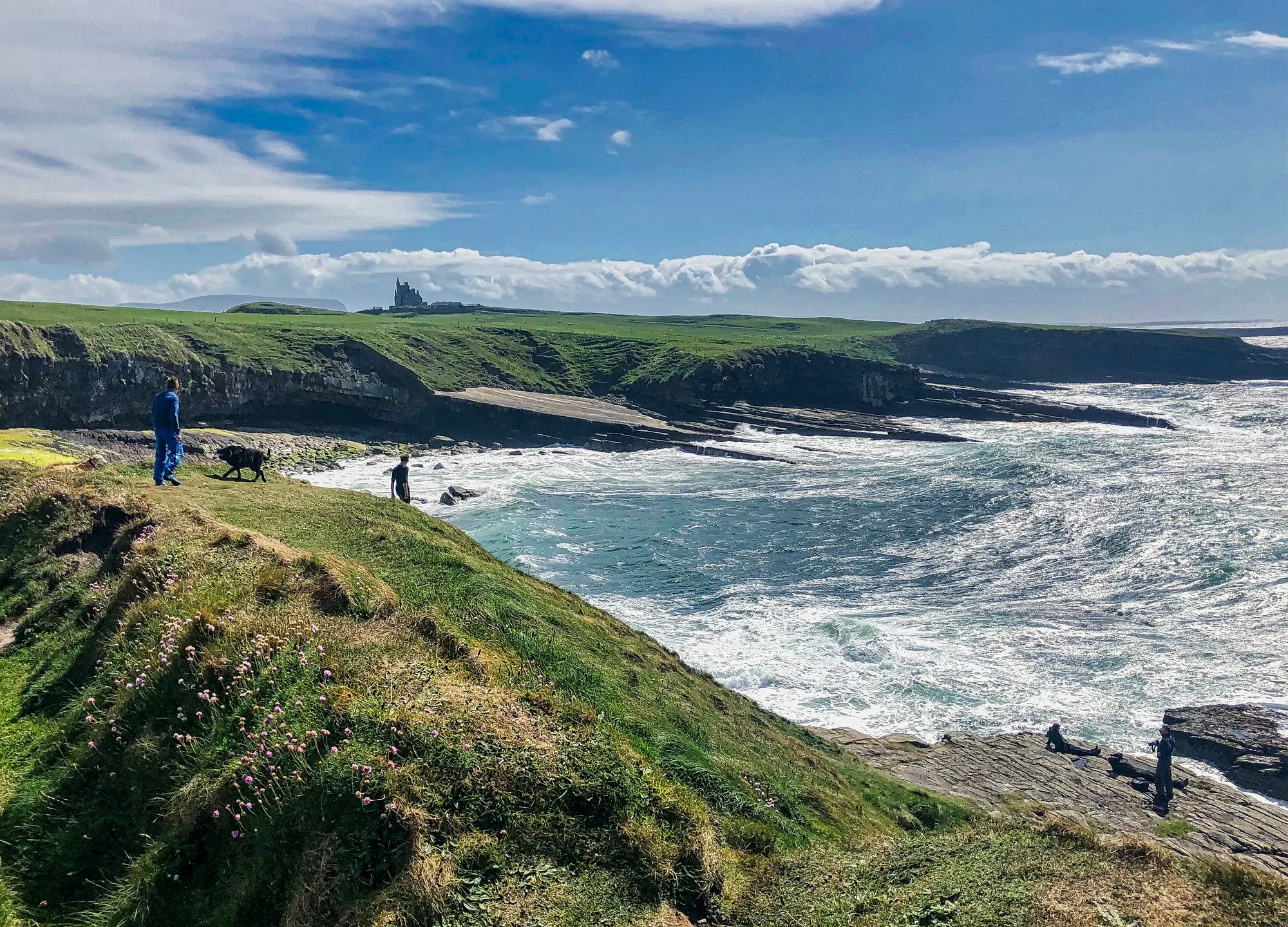
The Earl of Mountbatten was the Governor of India during the Separation. He frequently vacationed in Classiebawn Castle, shown in the distance. In 1979, his boat was blown up by the IRA right off this coast.
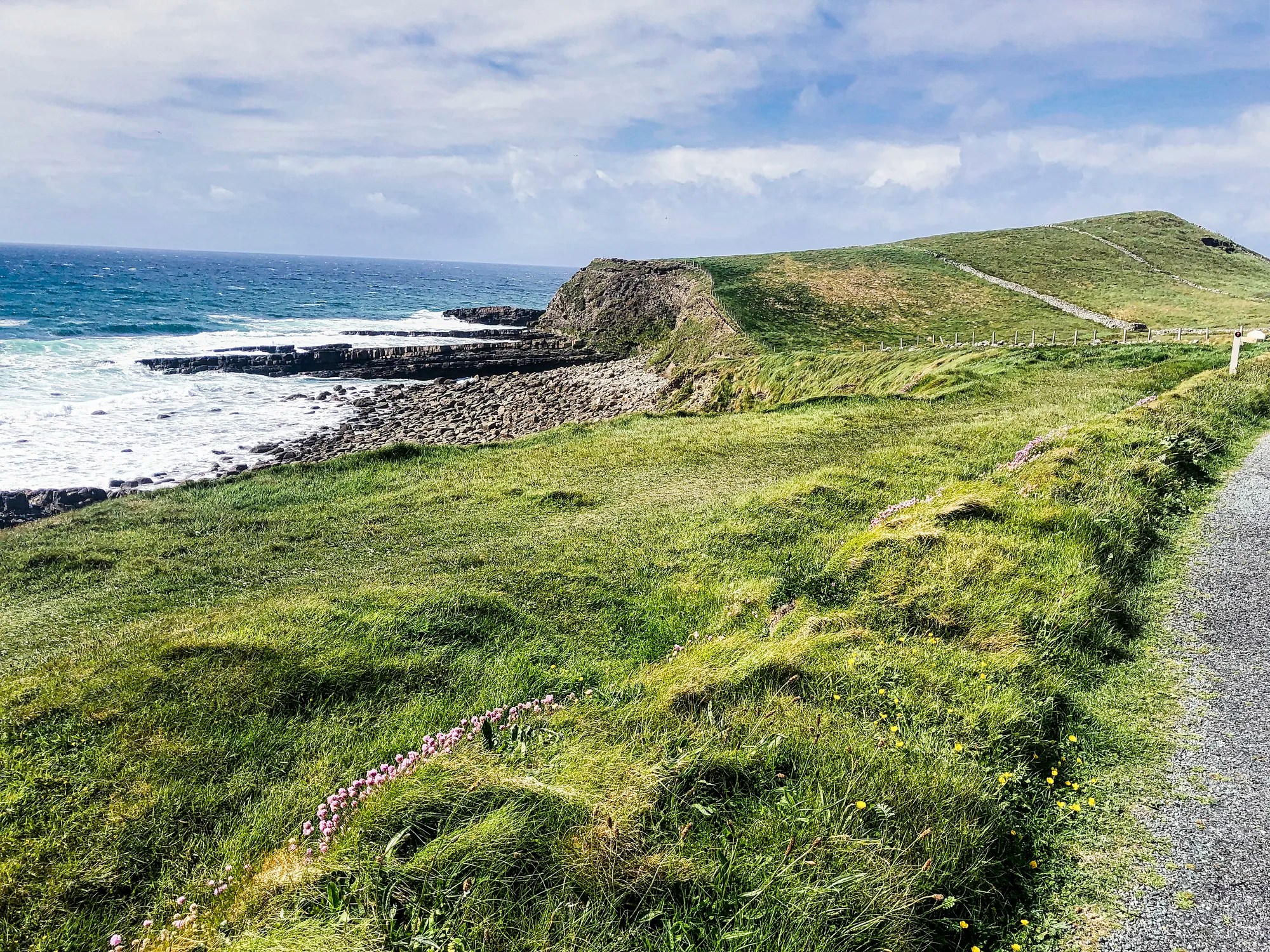
There are plenty of headlands and views to photograph. The ruggedness of the coast increases as you drive around.
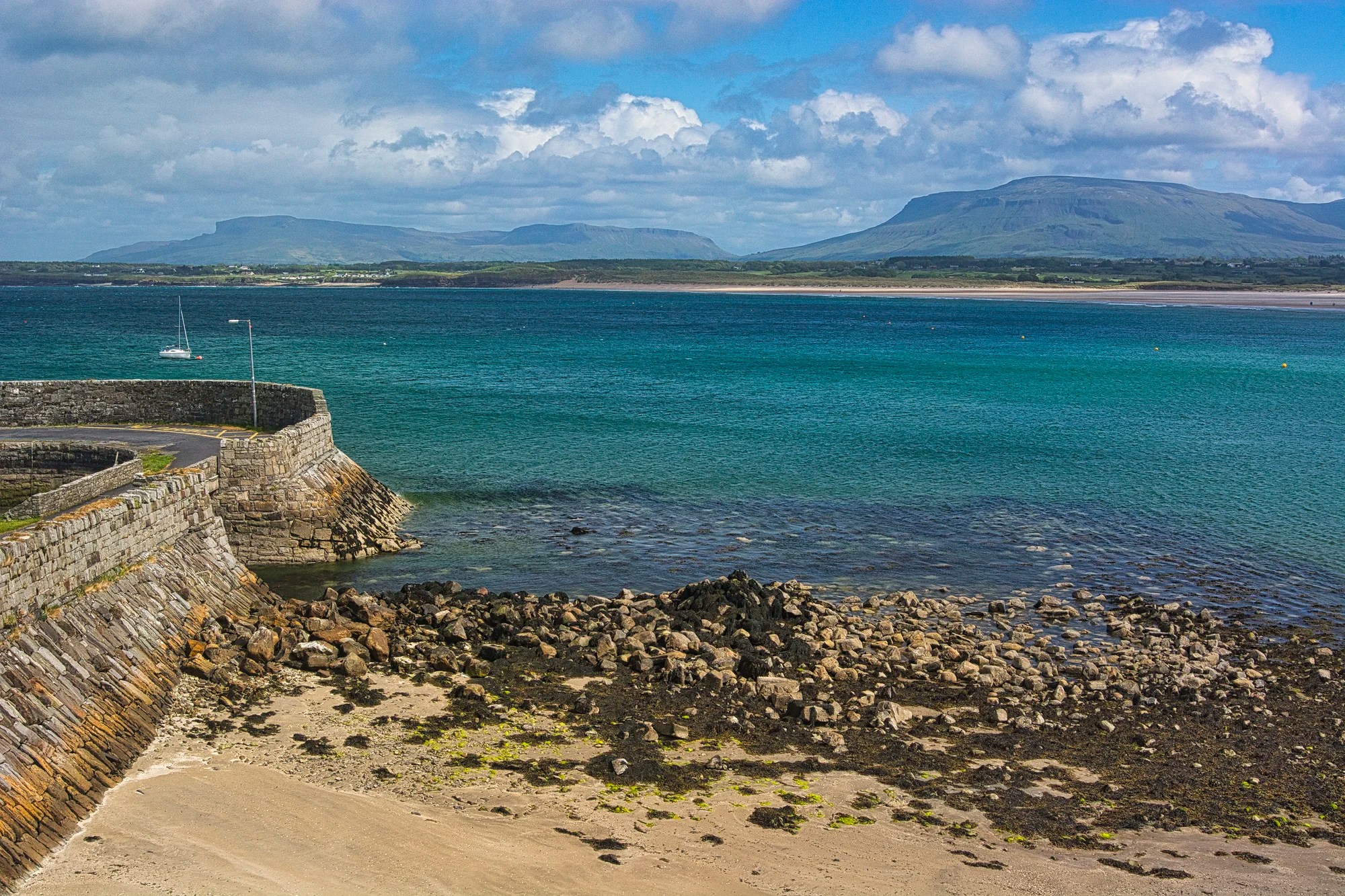
The road then ends in Mullaghmore Port with its beautiful turquoise ocean.
Drumcliff Church
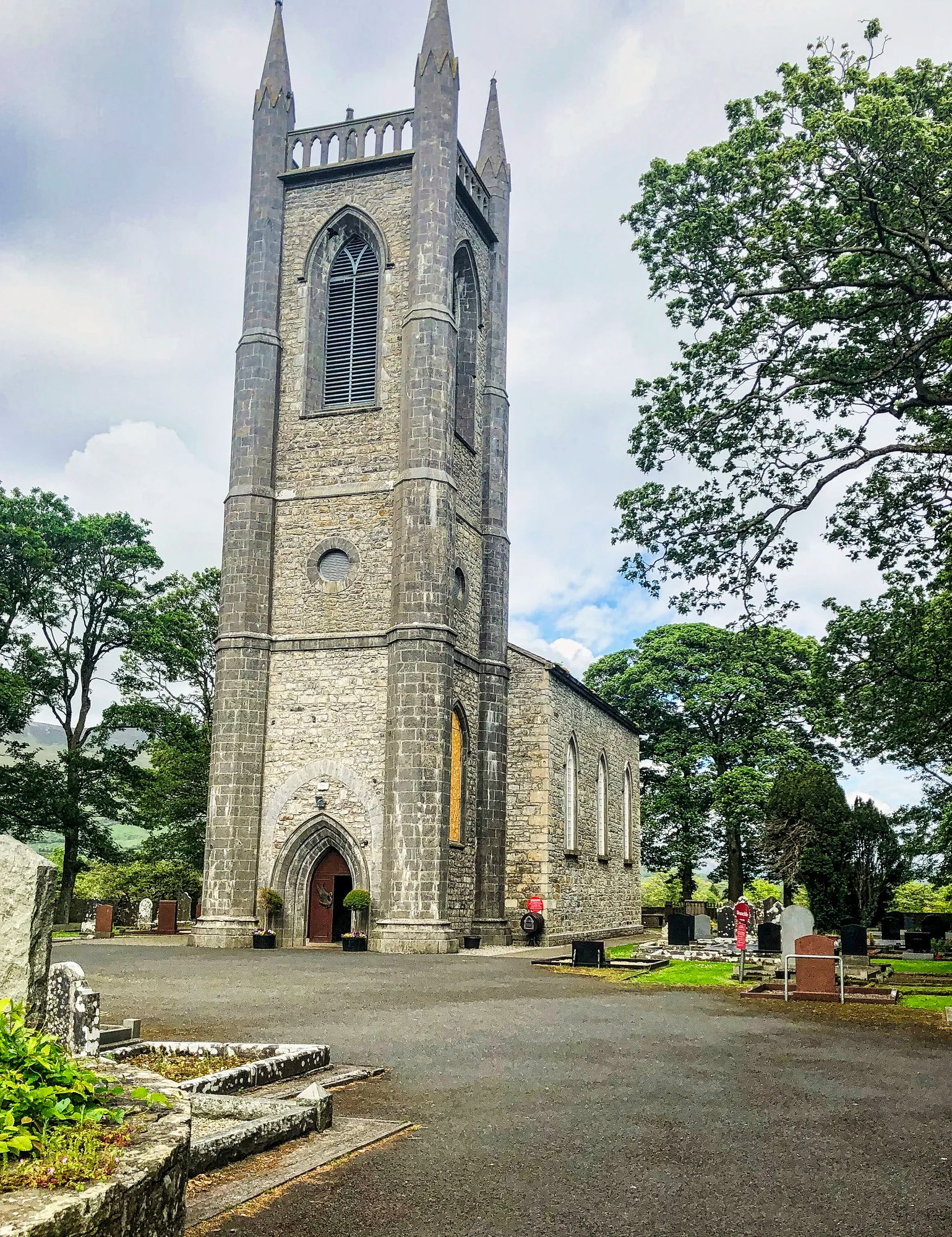
We began the day with the most ancient burial mounds and ended at the more modern burial site of W. B. Yeats to the left of the Drumcliff Church (G4.5) entrance. Drum is common in Irish place names and means ridge.
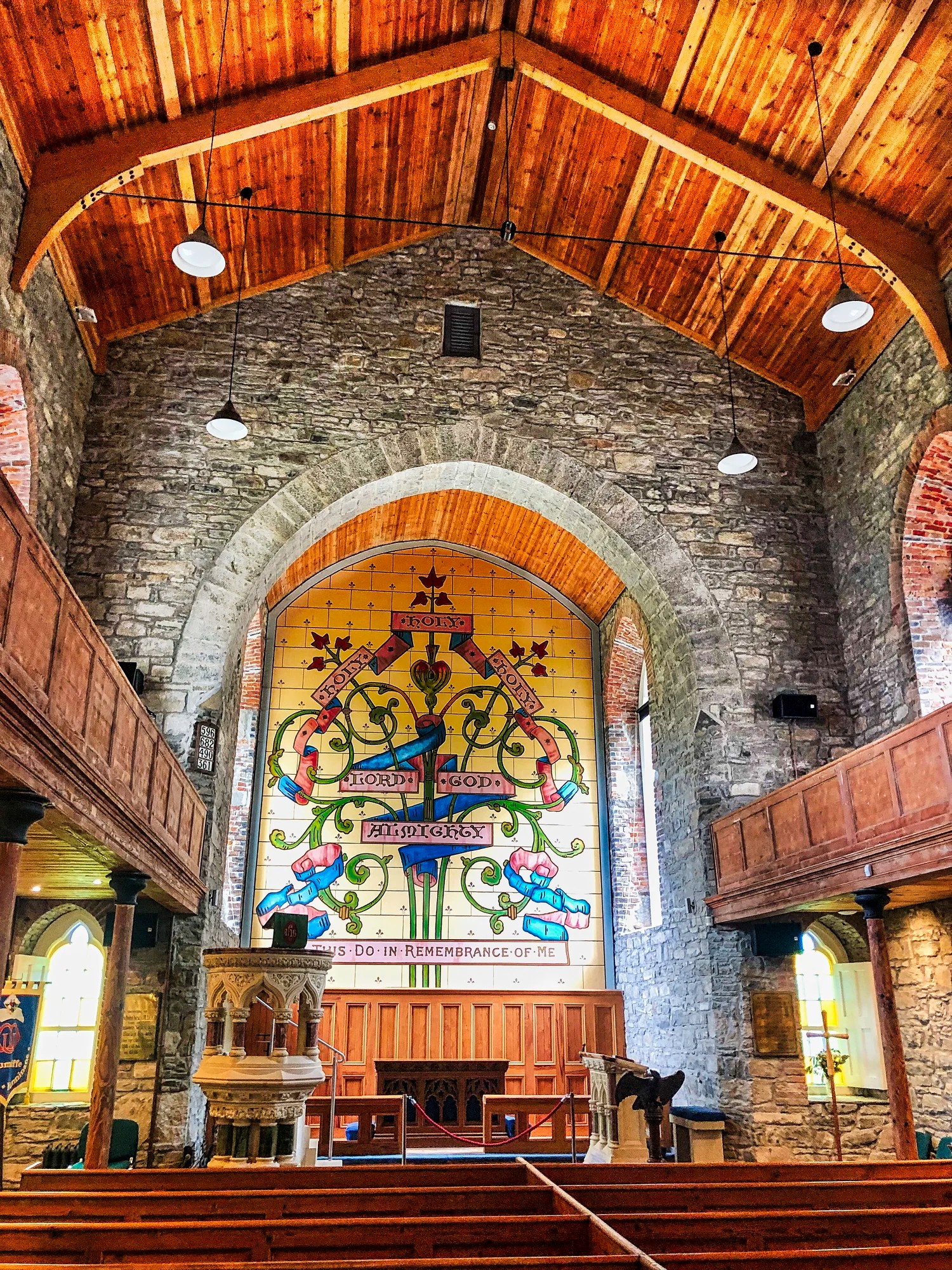
This is the very pretty interior of Drumcliff Church. Note the gorgeous wood ceiling and altar wall. The church is a fine example of neo-Gothic architecture, built in 1809.
Rosses Point
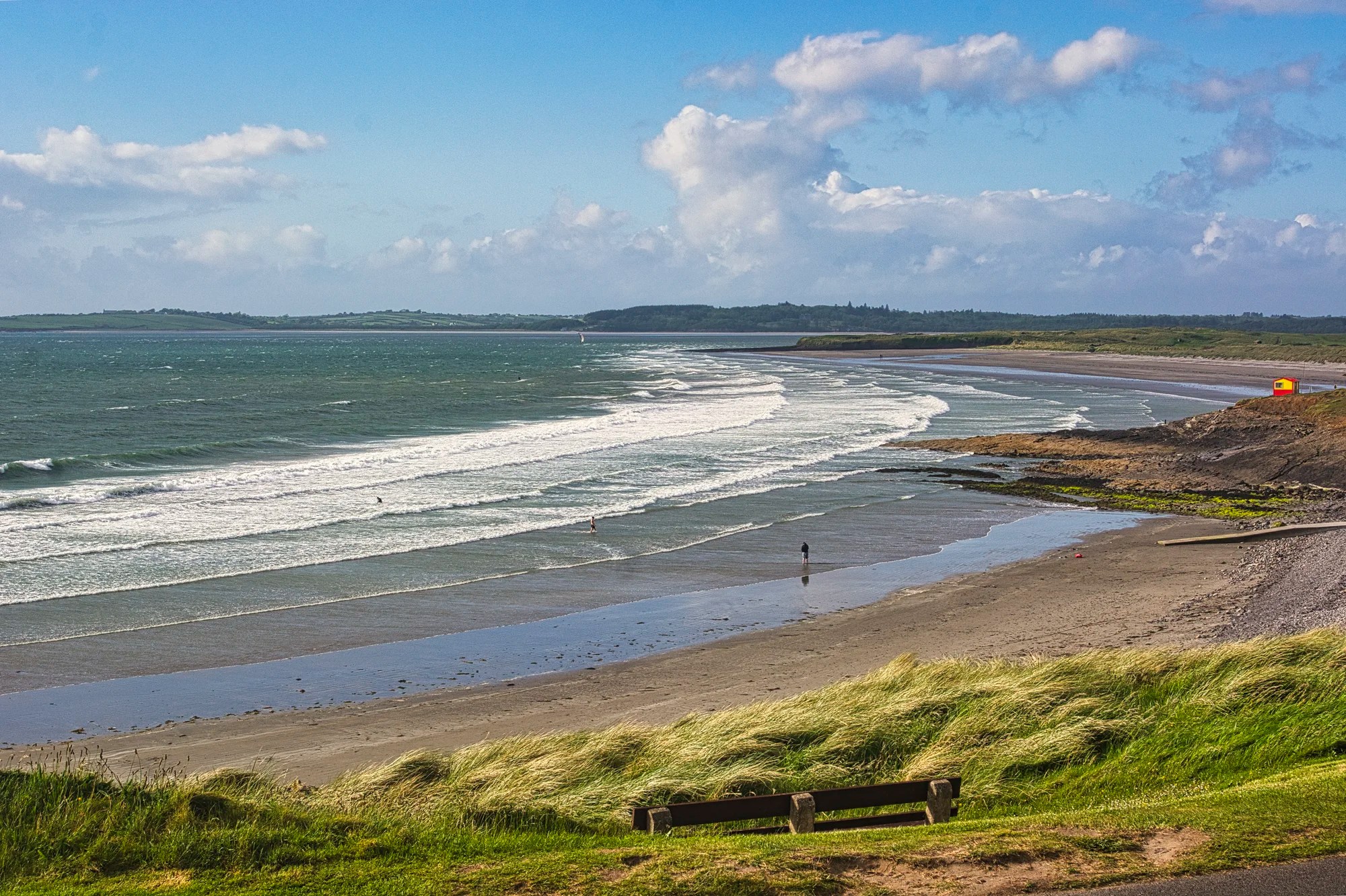
We ended the day at beautiful Rosses Beach (G4.7), not far from our excellent B&B.
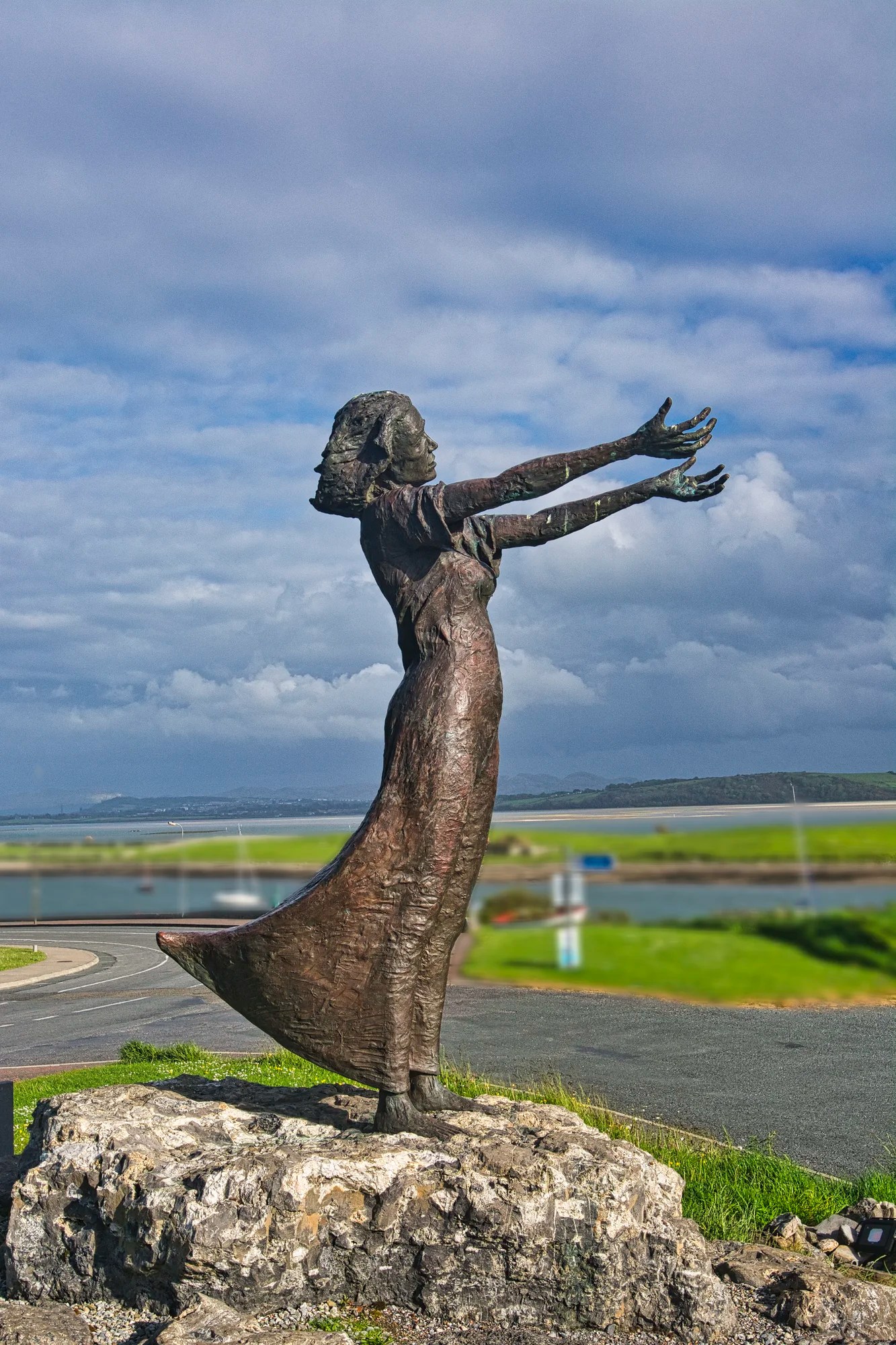
Nearby was a highly evocative bronze statue of a woman waiting for loved ones (G4.8), including sailors and famine victims who never came back. What a symbolic ending to the day.
Final Comments on this Itinerary
This is an action-packed day trip covering a wide variety of sights and interests. Sligo is well worth visiting and could be a base for a couple of days of sightseeing. The places we recommend are all highly rated by local people, as shown by the high Google Map Ratings. Remember, the most important “destination” is meeting the people.
Subscribe
Get travel tips and advice delivered directly to your inbox. The best part is that it is free.
What things fascinate you? How long is your trip? What questions do you have?
Itinerary Maps & Guides
This itinerary is part of our Best Places for 2 Weeks in the North of Ireland and Ireland North itineraries.
Ireland North Map – our custom Google map
Google Maps Ratings
Google Maps provides a rating from 0 to 5 for all sights, hotels and restaurants (but not cities). All of our recommendations are appended with the rating (prefixed with a G) from Google Maps. As it is based on feedback from tourists and locals, it is much more reliable than travel booking websites. We consider a score of 4 to 4.39 to be Very Good; 4.4 to 5 to be Excellent.
Ireland FAQ
The Ireland FAQ post answers Frequently Asked Questions (FAQ) like:
- Where should I go in Ireland?
- What is the best season for travel?
- What is the best clothing?
- Where should I go? What are the must-sees?
- How much time do I need for Ireland?
- Can I see everything in a week?
- How safe is Ireland?
- How much cash should you take to Ireland?
- Should I pay in Euros or my own currency?
- What apps are useful for travel?
- Should I rent a car? Take a Taxi?
 Terra Encounters
Leave a comment