
Why is Understanding Buddhism Important?
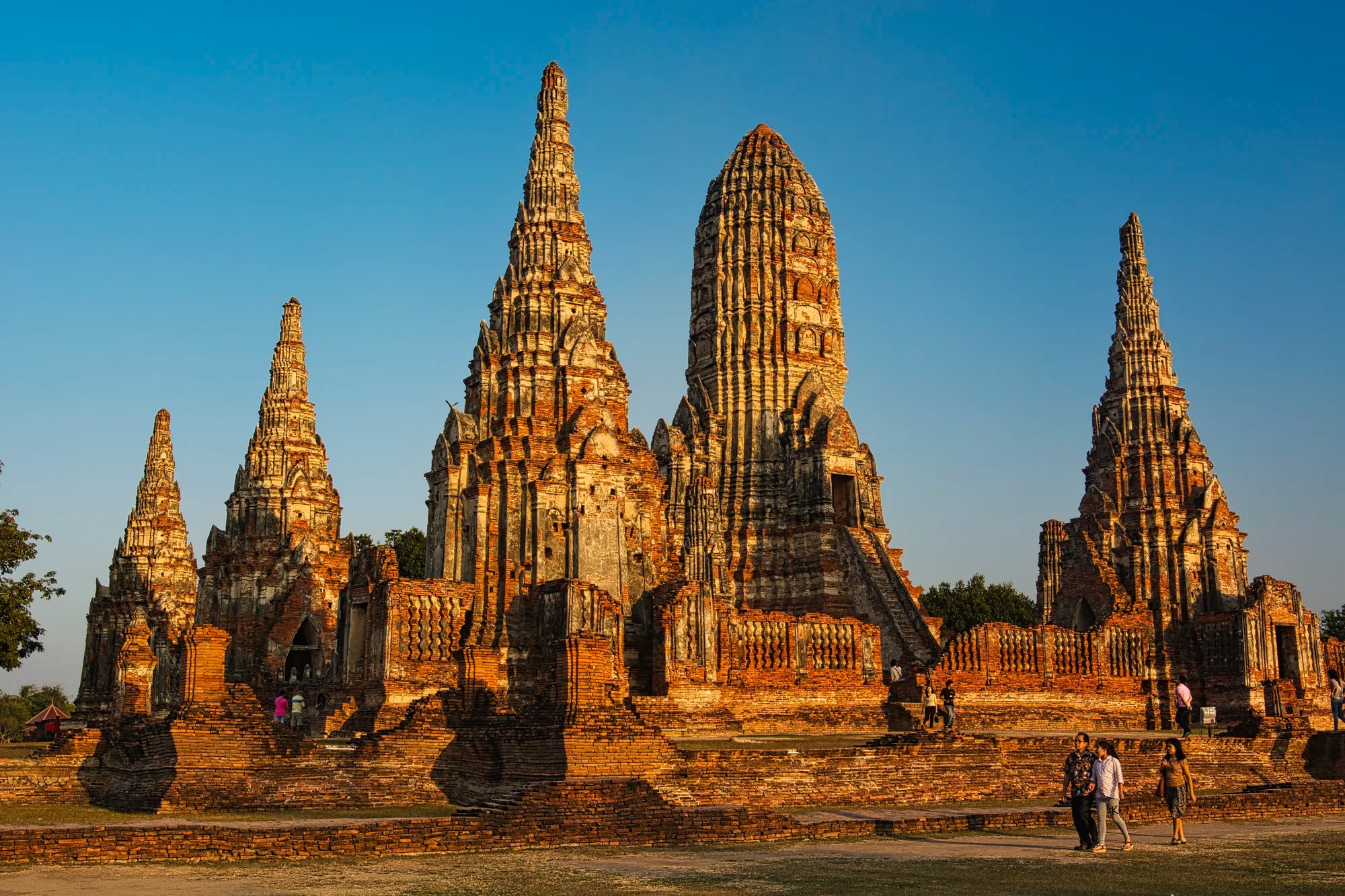
Understanding Buddhism is unimportant if you go on a beach or hiking holiday. It is exceedingly important if you are interested in art and architecture, culture and history. This guide to Buddhism originated from the Art of Appreciating Asia course we developed for the University of Alberta. In that course, we tried to explain what we had learned on our three-year Round The World trip to help travellers understand the significance of what they will see. Do not miss our new section below, which explains the Relevance of Buddhism to the Traveller.
Author & Photographer: George Mitchell

Our recommendations are not influenced by affiliate links – we have none. Our advice is derived from our personal experience and knowledge based on spending five months in Thailand as well as travelling three years around the world.
Buddhist Origins and Principles
Vedas of Hinduism
The Vedas are the oldest scriptures of Hinduism, dating back to 1500–1200 BC. The Vedas were part of the religious beliefs of the Proto-Indo-European (PIE) tribes (formerly called the Aryans). They were written in Sanskrit, a language no longer spoken by the common people. Sanskrit is an ancestral language that is the root of many Indian and European languages.

The PIE tribes migrated from the Caucasus Mountains to Turkey, Greece and Italy as well as took over Northern India and Iran, which means Land of the Aryans. There is an affinity between the Hindu deities and the Ancient Greek and Scandinavian gods. The PIE tribes used horse-drawn chariots as war weapons. The Ancient Romans and Greeks loved chariot racing. The Caucasian PIE tribes used the caste system to put themselves in the highest castes and the native and darker Dravidian people in the lower castes.
Brahminism
By the 6th century BC, the Brahmins (priests) had become the highest caste in India. They assumed the role of sole interpreter of the Vedas. Their tyrannical monopoly and exploitation of priestly rites to administer sacrifices led to corruption. Salvation could only be attained by complicated and secret rituals administered exclusively by the Brahmins. They encouraged superstitions through the insistence on the efficacy of magical powers of invocation.
Life is Very Interrelated
Just as the roots of Christianity were born from Judaism, Buddhism is derived from Hinduism. Just as Protestantism was a reform of Catholicism, Buddhism was a reaction to the corruption and rigidity of Brahminism. Heretical movements led by the Kshatriya (ruler) Caste challenged the authority of the Brahmin Caste.
Buddha
Buddha was an actual historical person, Siddhartha Gautama, an Indian prince (567 to 488 BC). It was prophesized at his birth that the prince would become either a great king or a great spiritual leader. As a result, the king never let the prince leave the palace and sheltered him from the hard life of the real world.
One day, Siddhartha slipped out of the palace. Along the way, he encountered three people — an old man, a sick man, and a dying man. He realized that there was a lot of suffering in the real world. He was also impressed by the sight of a peaceful saint. Afterwards, his father tried to occupy Siddhartha by marrying him. However, five years later, he renounced the throne, symbolically cut off his long hair and left the palace to find the meaning of life.
First, he tried asceticism, penance and self-mortification. This nearly starved him to death. But it did not teach him the meaning of life.
Next, he tried meditation under a Bodhi (fig) tree in Bodhgaya, in the state of Bihar, India. The demon Mara tried to seduce Siddhartha with his celestial army and visions of beautiful women. Siddhartha resisted these temptations and became the Buddha, the “enlightened one”.
Middle Path
At Sarnath, located 10 km north of Varanasi (India), he preached his first sermon on “the foundation of the Kingdom of Righteousness”. The Buddha taught that neither asceticism nor opulence gave meaning to life. The answer was the “Middle Path“, a philosophy that seeks to achieve a balance between the extremes of self-indulgence and self-mortification. The following is a very high-level summary of Buddhist principles.
Buddhist Principles
- All life is suffering, caused by our passions and attachment to people and things.
- Ignorance, delusion, and anger are fundamental evils and hindrances that must be destroyed by intense and continuous mental discipline.
- There are no castes and no gods.
- As in Hinduism, everything is subject to reincarnation according to one’s karma — the good and evil acts done in one life that bear fruit in the next life.
- Every person can purify their own life and achieve absolute perfection.
- Sacrifices and self-mortification are of no value.
- Everyone can break out of the cycle of rebirth through meditation and introspection to reach Nirvana.
- To obtain the state of salvation, Arhat, one must follow the Noble Eightfold Path.
Noble Eightfold Path
The Noble Eightfold Path is a summary of the practices a Buddhist must follow to obtain release from the cycle of rebirth or saṃsāra.
- Right View: actions have consequences, even after death
- Right Intention: resolve to follow this path
- Right Speech: no lying, no rude speech, speak no harm
- Right Conduct: no killing, injuring, or sexual misconduct
- Right Livelihood: ensure our work doesn’t cause harm to ourselves and others
- Right Effort: focus our energy on the task at hand
- Right Mindfulness: being conscious of what one is doing
- Right Samadhi: equanimous meditative awareness
The principal virtues are Charity, Compassion, Truthfulness, Chastity, Respect for the Sangha (the monkhood), and Self-restraint in all ambitions, pleasures, and attachments.
Nirvana
It is common for Westerners to think of nirvana as a heavenly state. Actually nirvana is a Sanskrit word meaning extinguished; specifically the extinction of worldly desires and suffering. The ultimate goal of Buddhism to obtain release from the cycle of rebirth or saṃsāra.
In essence, nirvana is the union with the Divine. Salvation is achieved through discipline and moral conduct rather than ritual and sacrifice as in Hinduism. Thus, all Buddhists try to make merit or do good things.
What is the Relevance of Buddhism to the Traveller?
Buddhist Culture
About 94% of Thais are Buddhist. Almost every artistic and architectural gem is Buddhist. So, to appreciate what you are seeing you need to better understand Buddhist concepts and symbolism. To appreciate the culture and people of Thailand, travellers need to understand Buddhist customs and values.
Buddhist Monks
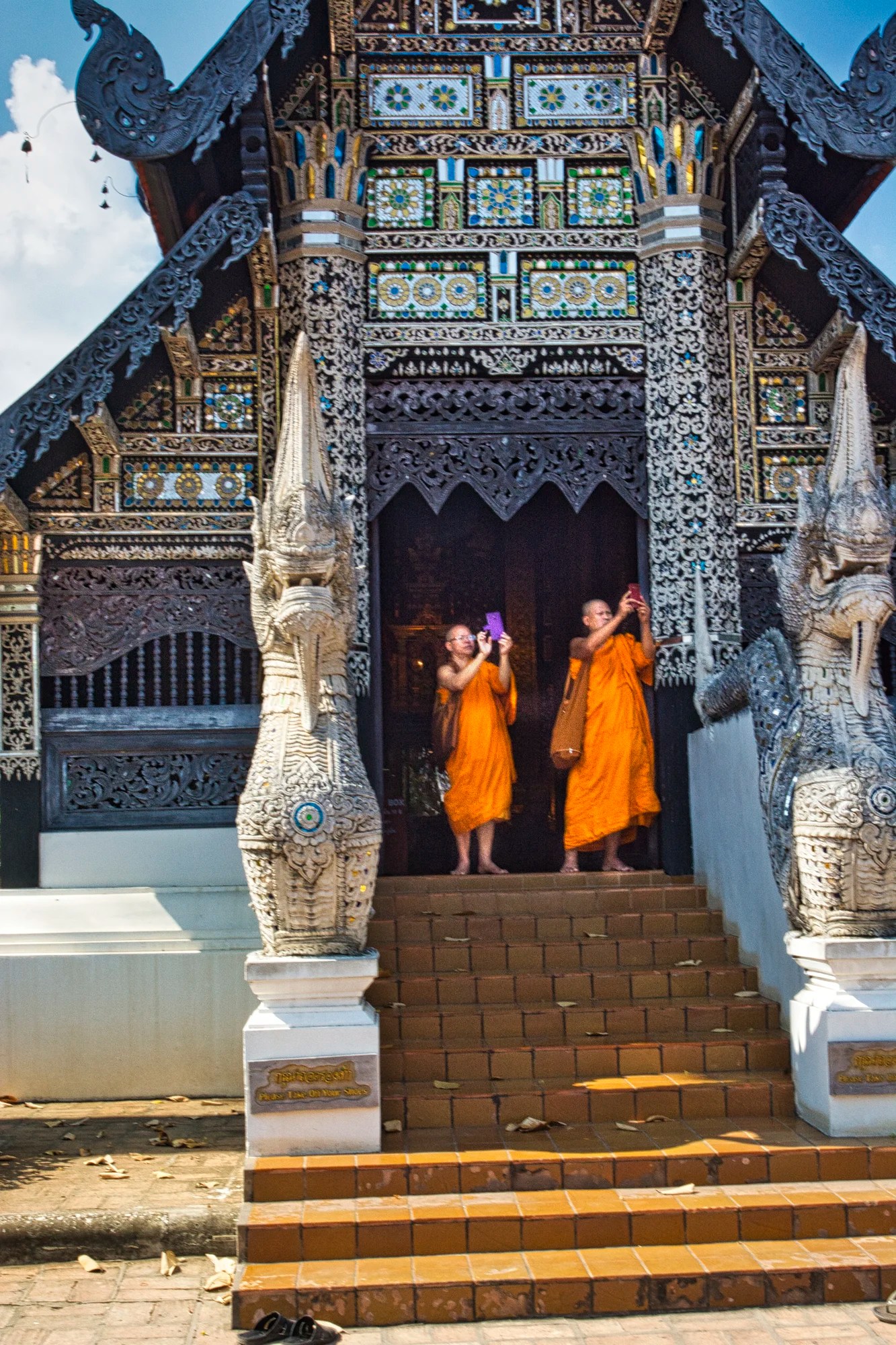
There are monks everywhere, wearing simple saffron robes. This is because 90% of young men become monks for at least one to three months — else it is difficult to get married! There are also some poor children that work as temple boys helping the monks and receiving food and a bed in exchange. Monks wear no adornments and carry only a cloth bag. But on our last trip we saw monks taking photos with their cell phones!
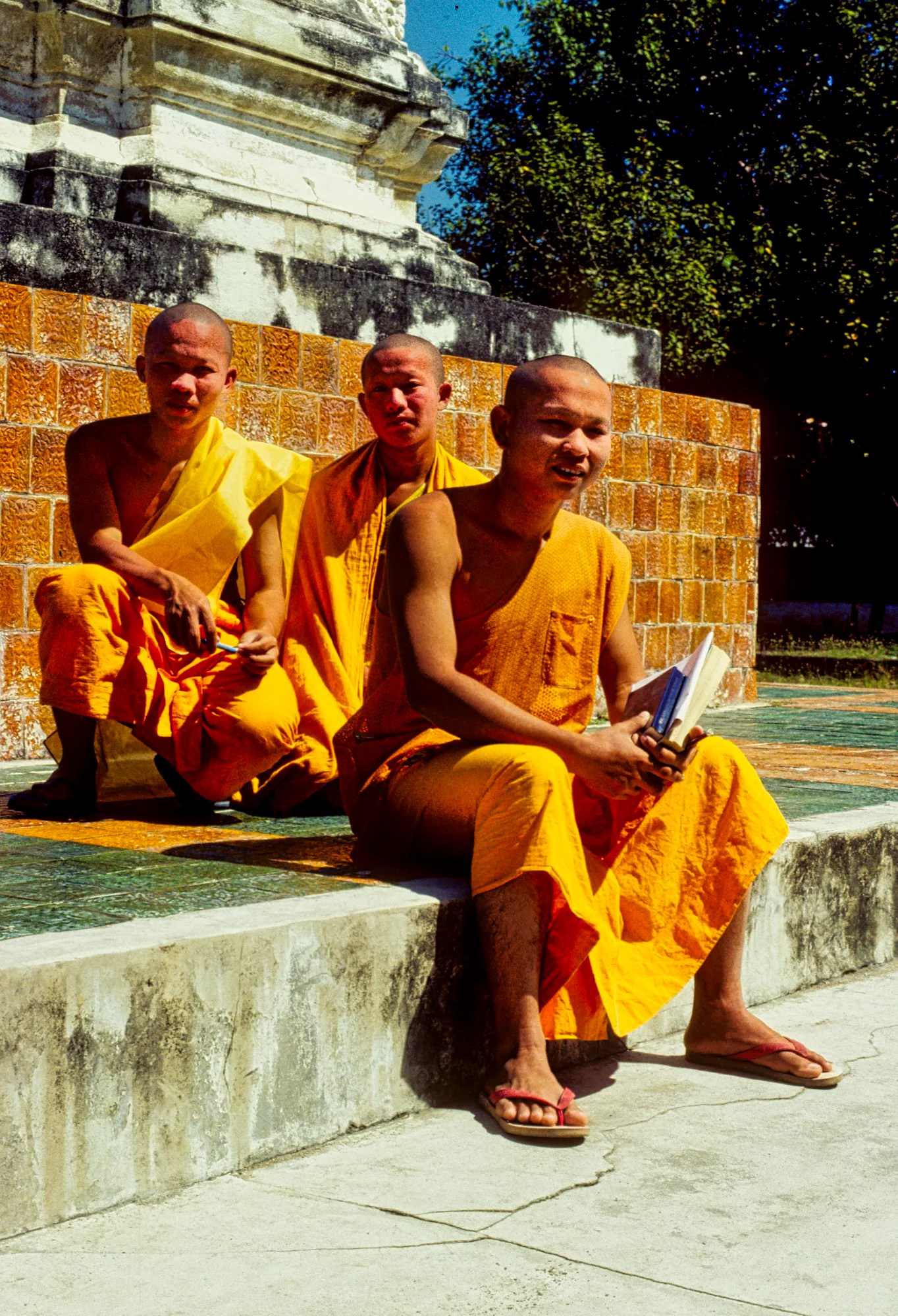
You can discover Buddhism with a monk at the Monk Chat at many major temples around Thailand. We spoke with this 24-year old monk in Lamphun on our first trip to Thailand. He had spent ten years studying at the wat as the monkhood is one way for Thais to receive their education. School is run during the whole afternoon. All schooling used to be run by the wats but a century ago a formal education system was established.
While we were talking we saw him blow an ant off the book he was holding. He said a Buddhist would never kill even an insect as it may be a person who was reincarnated as an insect — talk about bad karma!
Making Merit
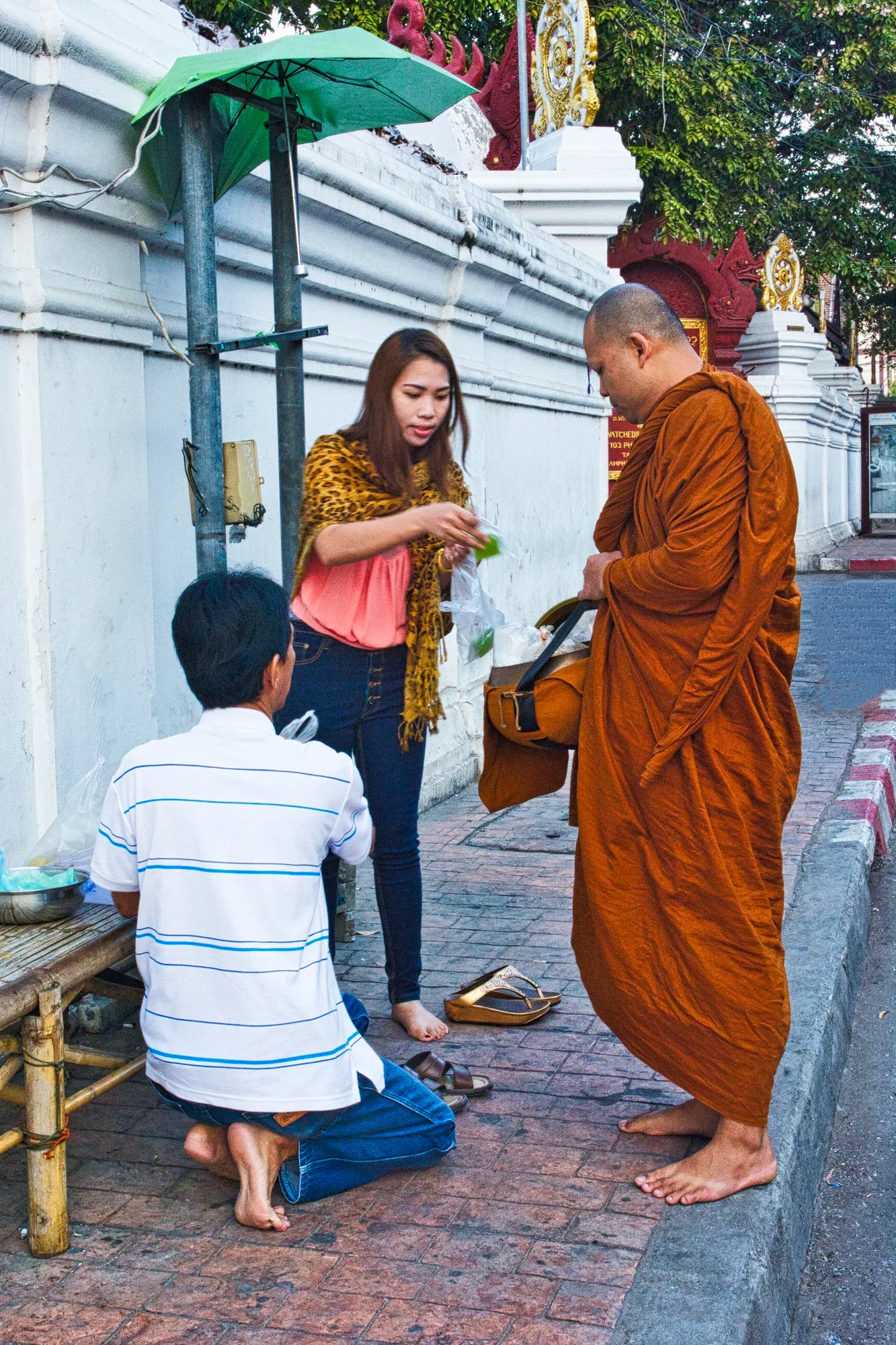
One way for lay people to make merit is to give food, clothing, and medicines as a way of expressing generosity and appreciation for the monks. Lay people cook rice, curries and deep-fried fish and put them in plastic bags. The monks must eat at least a little bit of every donation for the people to earn merit.
Travellers can wake up early, ca. 06:30 hrs., to see the monks carrying alms bowls as they walk barefoot on the streets of the city. This ritual, built into Buddhist traditions, makes the monks closer to the people.
But, do not expect them to say thank you as the people are donating food to make merit. Monks only eat twice a day. Once at 07:00 hrs and again at 11:30 hrs, when they eat the leftovers from breakfast.
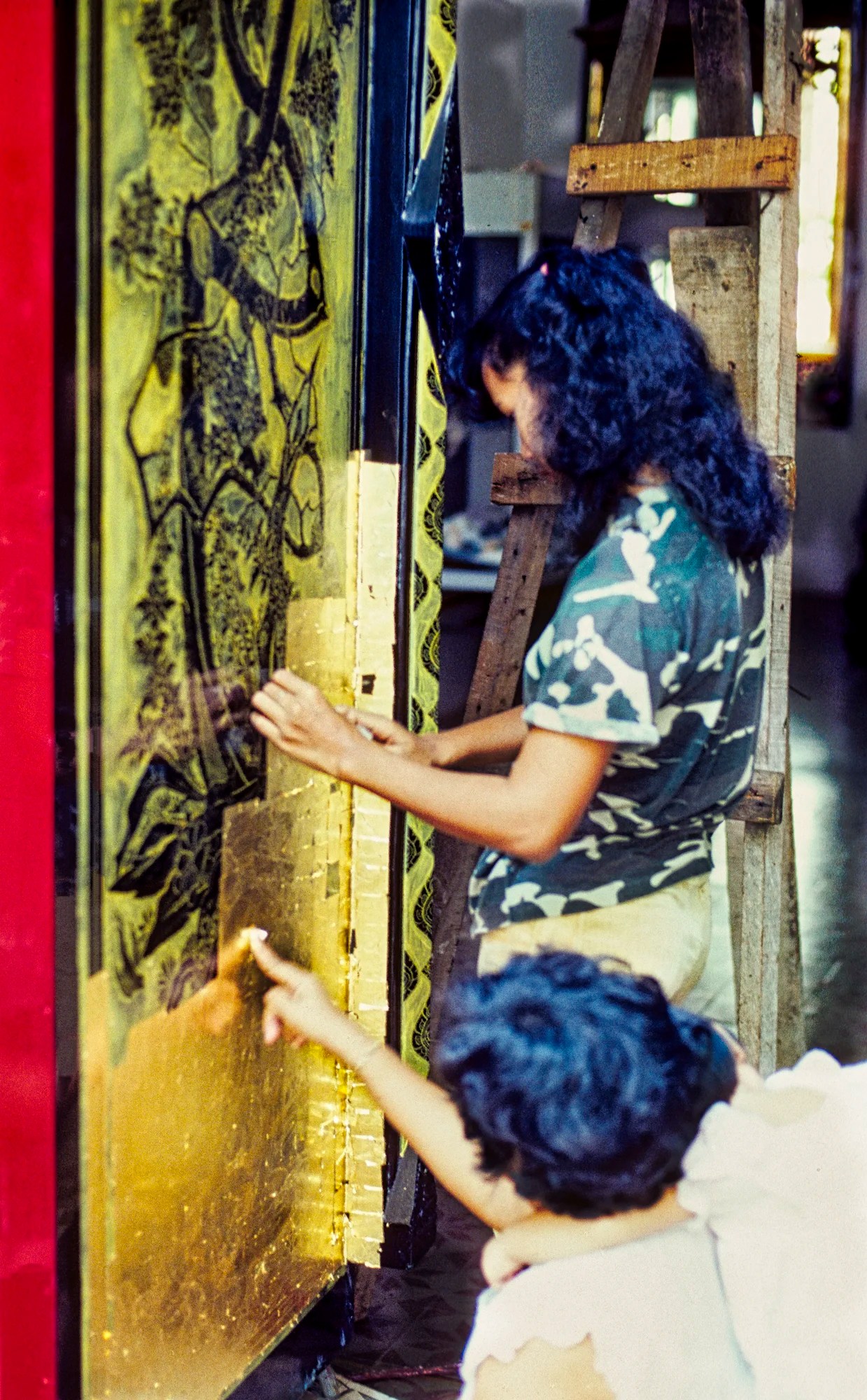
Another example of making merit that you are likely to see is people buying thin wafers of gold leaf and applying them to statues of the Buddha. During one restoration effort in Bangkok, we saw many locals helping rehabilitate the Buddhist wats.
Often, the gold leaf on black lacquerware shutters and panels needs to be restored. Interestingly, the locals were led by an Italian restoration specialist. Italy probably has the most art and architecture restorers on the planet.
Lacquerware
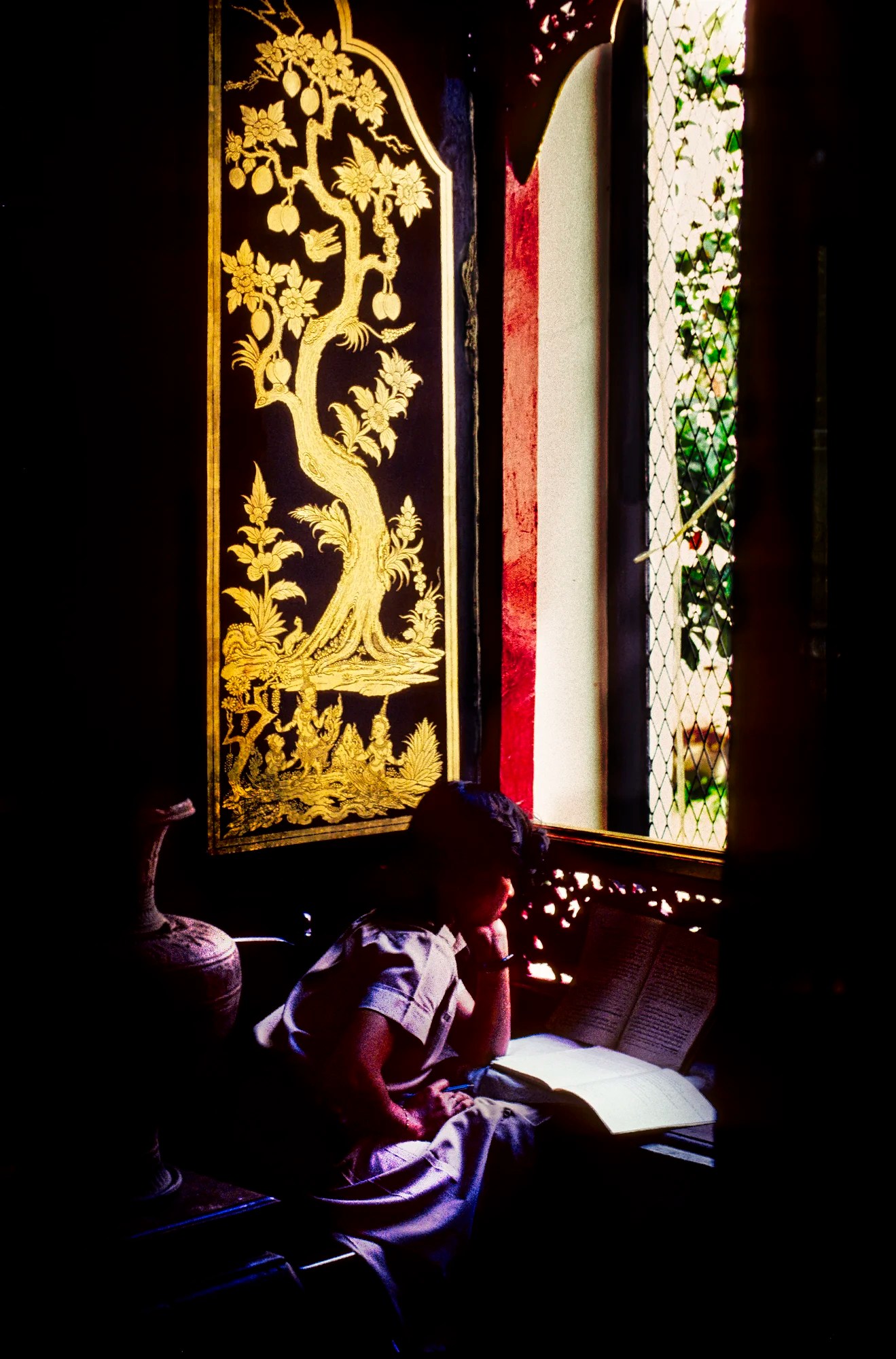
Thai lacquer is made from the highly toxic sap of the Ton Rak tree. Doors, window shutters, and furniture are adorned with gold or mother-of-pearl on a black lacquer layer. The clear lacquer is coloured black with the addition of charcoal. Lacquer is shiny and resistant to heat and moisture.
Doors and window shutters are decorated with special motifs in order to ward off the entry of evil spirits. We bought several lacquerware plates and other crafts that are now very expensive ($100 and up) and hard to find.
Lacquerware originated in China and became widespread once more sophisticated techniques were developed during the Shang Dynasty (1600-1050 BC). It was extensively used in Thailand during the Ayutthaya Kingdom (1350–1767) and the Bangkok Era.
Thai Architectural Style
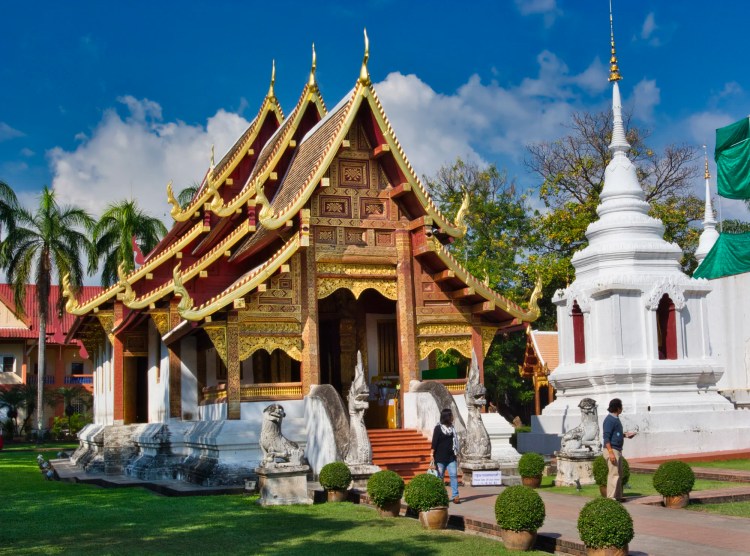
It will be obvious once you see a Thai wat or palace just how ornate they are. In their case, all that glitters is gold! Thai temples are more ornate than Baroque churches. The more ornate a building is, the higher the status of the edifice.
Thai art and architecture, with its exuberant use of gold and decoration, is a complete contrast to Japanese art and architecture, with its elegant simplicity; e.g. a small amount of gold on a predominantly black lacquer background.
Individual posts will describe wats in more detail. But, I should clarify that a wat, which means enclosure, is a temple complex. It includes several buildings, such as a prayer hall, ordination hall, meeting hall, library, and monk quarters. Tourists use the word wat to refer to the main temple.
Buddha Statues
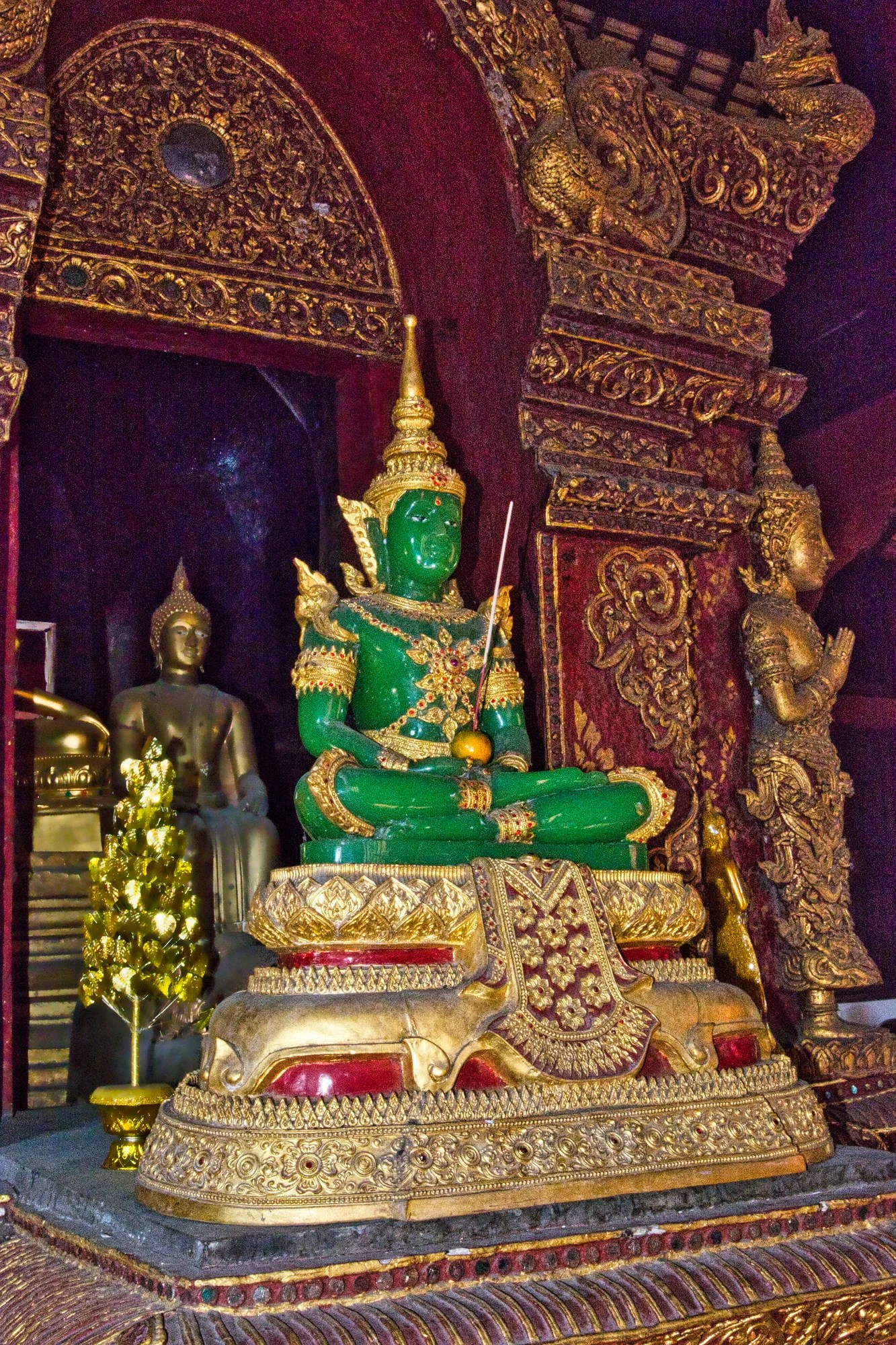
Buddhism is as much a philosophy as a religion. Buddha discouraged the sculpting of statues of himself because he wanted to be remembered for his teaching not his image. But there was no text or rule that actually forbade it.
So why are there so many Buddha statues today? Why did the first representations of Buddha appear only ca. 500 years after his death?
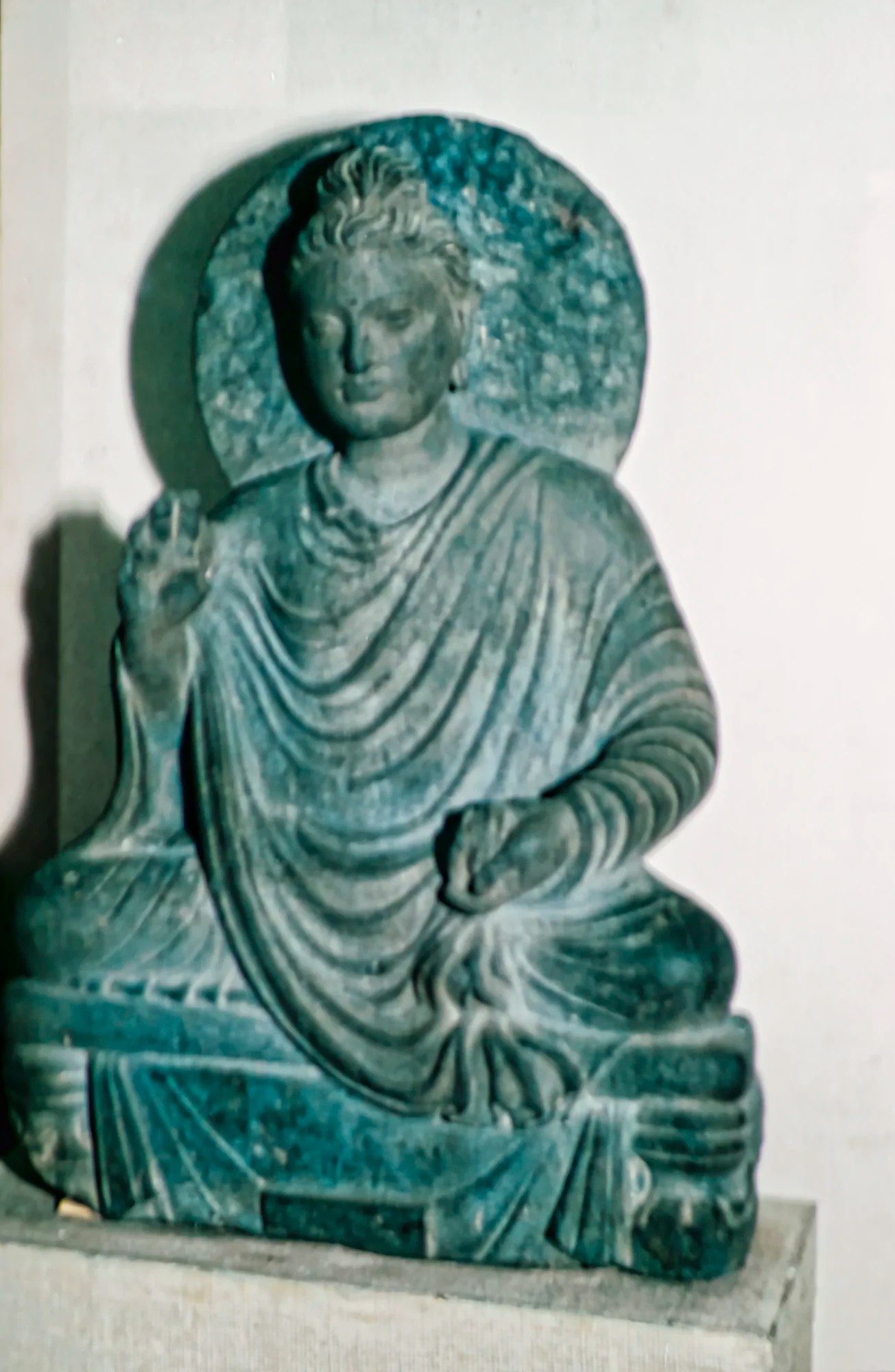
Blame it on the Greeks! It was the arrival of Alexander the Great that changed history. In 325 BC, Alexander’s army conquered as far as Gandhara, which was a city as well as the name of the kingdom. The city is now called Kandahar, Afghanistan. This was a major centre of Buddhism.
Alexander brought sculptors with him — he was a narcissist and loved to create statues of himself as well as rename many cities to Alexandria! The Indo-Greek descendants of these sculptors created the first sculptures of Buddha, who wore Greek chitons (togas)! The first statues were made in Gandhara in the 1st century AD. Unlike the Greeks, Thai art and sculpture is unsigned as it was made to make merit. So there is no adoration of the top artists as there is in Greece and Italy.
Buddha Symbolism
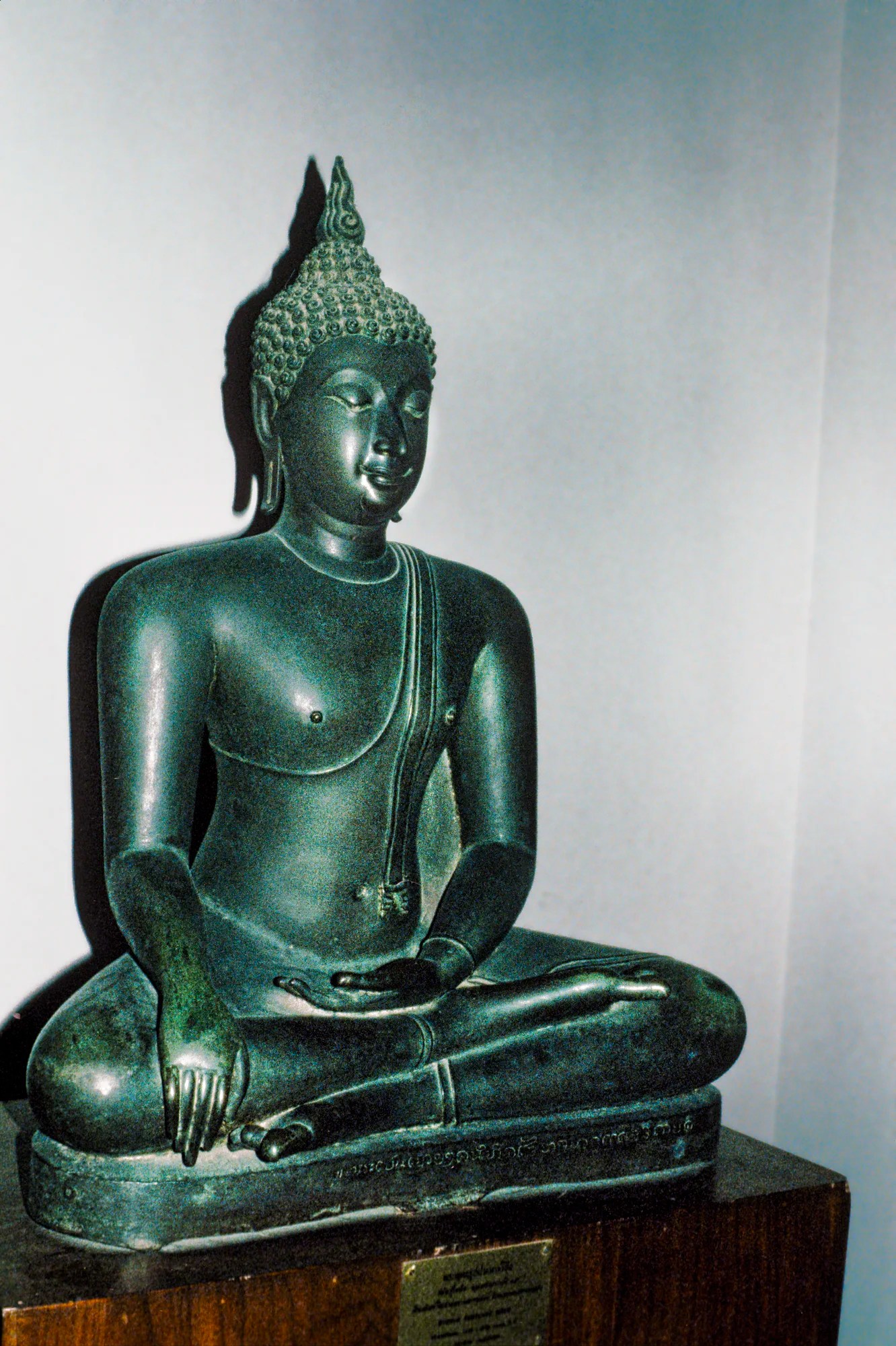
Many depictions in art have meaning and symbolism. The Buddha’s hair is a series of curls. This symbolizes that Prince Siddhartha cut his hair to renounce his claim to the throne. His ear lobes are shown as long to represent the impact of wearing heavy jewellery as a prince.
The ushnisha or bump on his head symbolizes the supreme power of the Buddha’s enlightenment or spiritual energy when shaped like a flame. The body lacks muscularity and looks feminine or asexual because only the spiritual is important. The Buddha is often shown in a mudra, a symbolic gesture or pose. If his hand is raised, it means he is preaching calm or fearlessness.
Why are there Demons and Spirits?
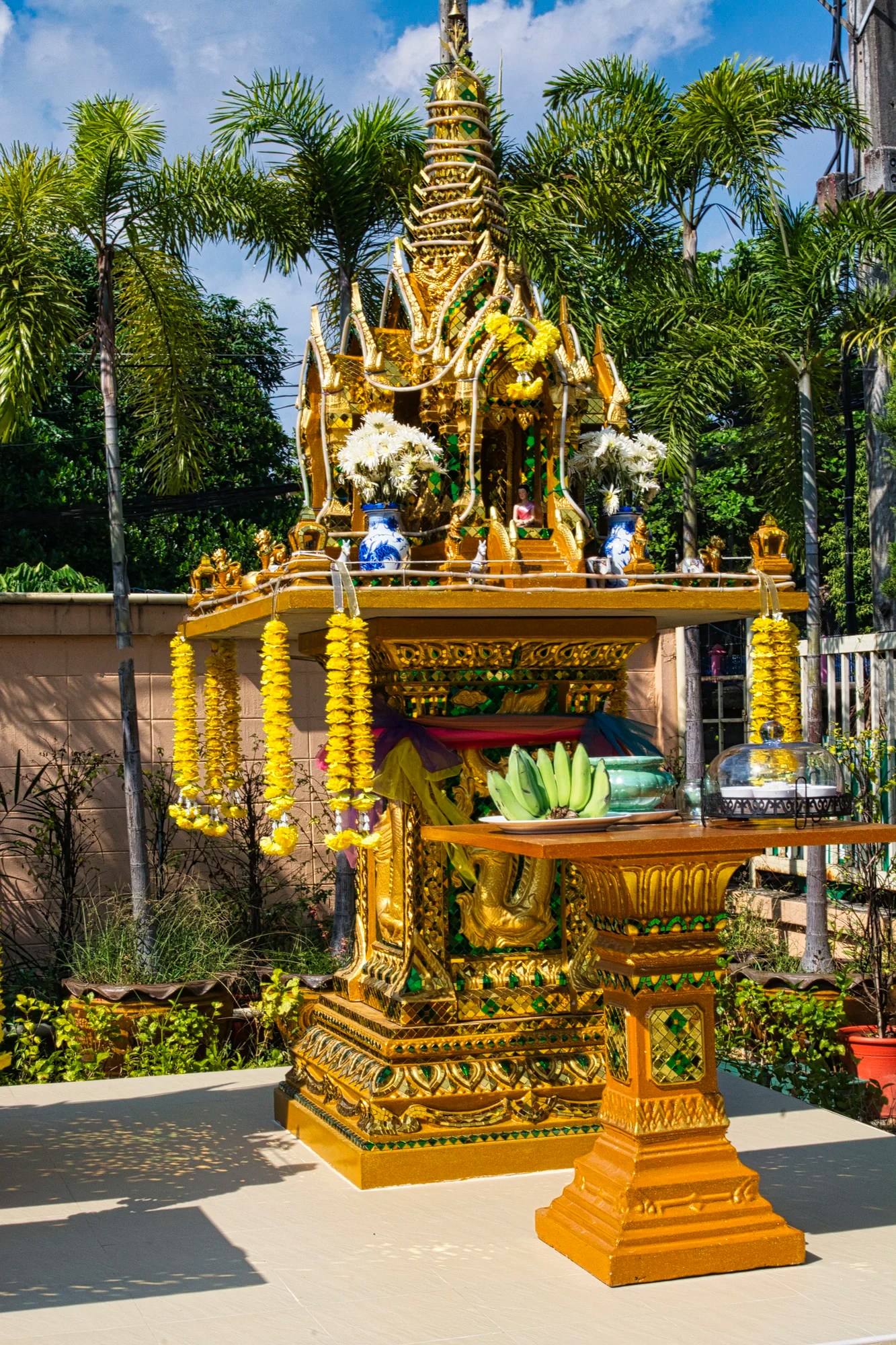
The original Tai tribes were matriarchal and practiced ancestral worship. They believed in animism, worshipping nature gods and spirits. Powerful, capricious spirits must be placated. This is still done today by constructing a spirit house on the grounds of a new building. Travellers will see these elaborate, miniature temples everywhere, filled with offerings of food. One interesting fact is that the shadow of the building must not fall on its’ spirit house!
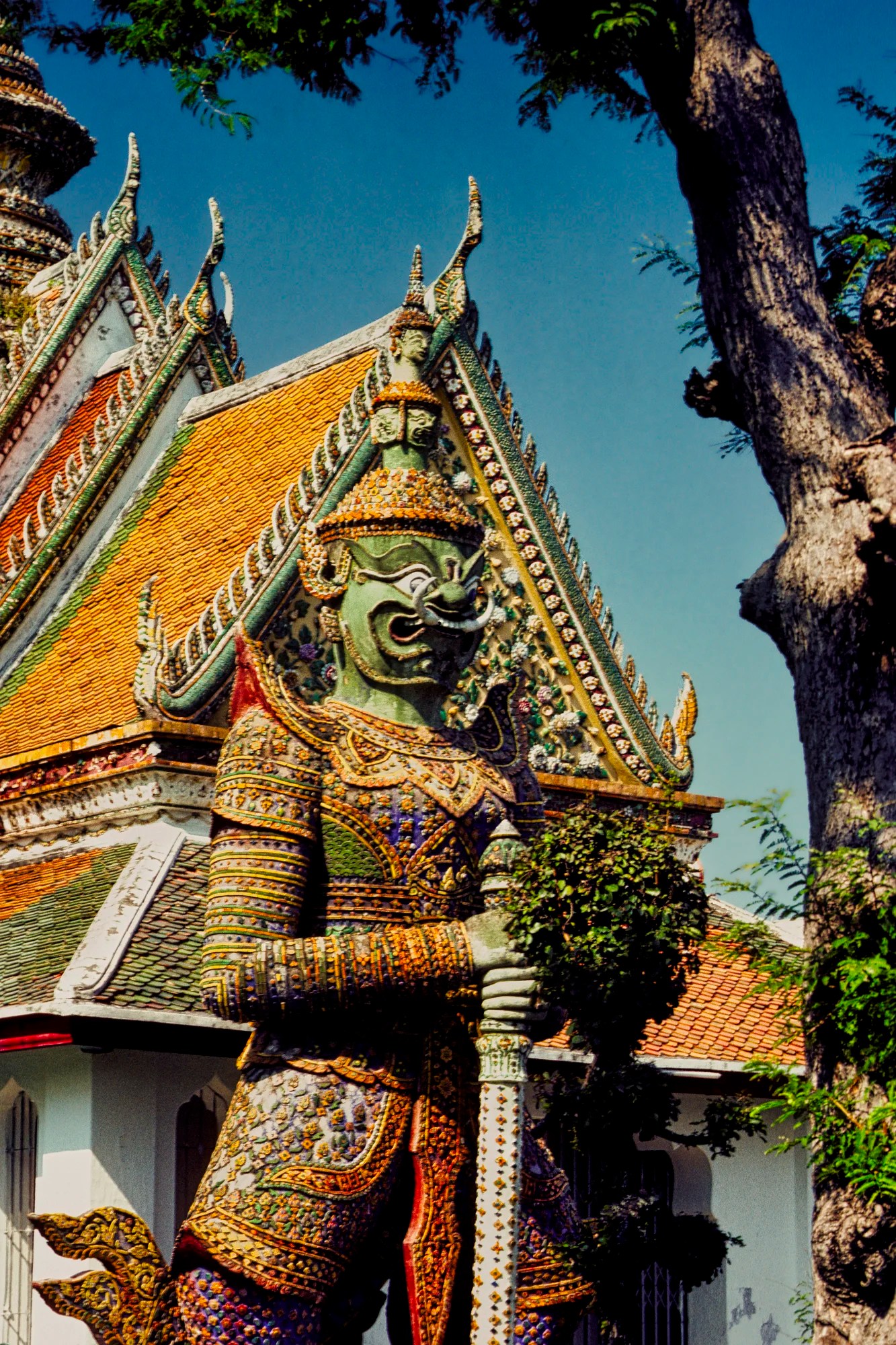
Why are so many reflective glass tiles used on the facade of Thai temples? The Thais believed that demons are repelled by the sight of their ugliness!
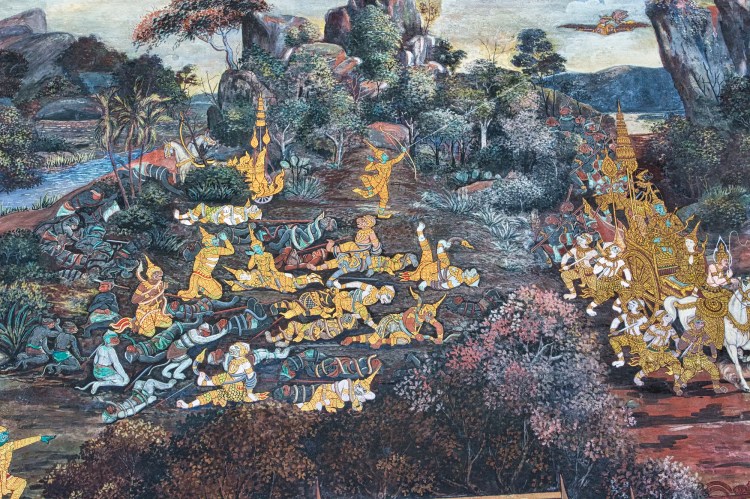
Thailand is an amalgam of animism, Hinduism and Buddhism. Demons, spirits and superstitions were just too popular to stop. It was easier to convince people to convert to Buddhism by recasting spirits and demons as part of Buddhism. So, demons like Thotsakan in the photo of Wat Arun above became defenders of Buddha. Thotsakan is the King of the Demons from the epic Hindu story, the Ramayana.
If you are still skeptical, just look at how often this happens around the world. There are historical artifacts like the Interpretatio Christiana that confirm that early Christians adapted pagan cultural beliefs and said they were part of Christianity. The best example is the Ancient Roman Festival of Saturnalia that is celebrated throughout the world. We call it Christmas today.
Additional Reading Material
Thai Lacquerware: From Nature to Fine Art
The Artistic Heritage of Thailand, National Museum Volunteers, Sawaddi Magazine
Other Posts You May Like
For more on Buddhist culture, please read these posts:

 Terra Encounters