
Overlooked Hidden Gems
Rome is magical. Only in Rome can you walk on less touristy streets and see Ancient Roman hippodromes, temples and theatres, then end up in the Renaissance Jewish Ghetto. This is the post to learn about places overlooked by most tourists, as well as some lesser-known fascinating facts about Ancient Rome, e.g., Rome did not fall in AD 476!
Rather than listing every sight, we have curated the sights we feel will offer the most value to travellers who would prefer to do their own self-guided walks. We show you our own photos to give you a taste of the travel photography that you could do, along with the key information to better understand what you are seeing and why you should see it. Enjoy!
Author & Photographer: George Mitchell

Our recommendations are not influenced by affiliate links – we have none. Our advice is derived from our personal experience and knowledge based on living in Rome for four years and studying its art, architecture, and culture. All the places recommended in this post are pinned on our Roman Itineraries Map. The place names are appended with the Google Maps Rating (G0 to G5).
Circo Massimo – Circus Maximus
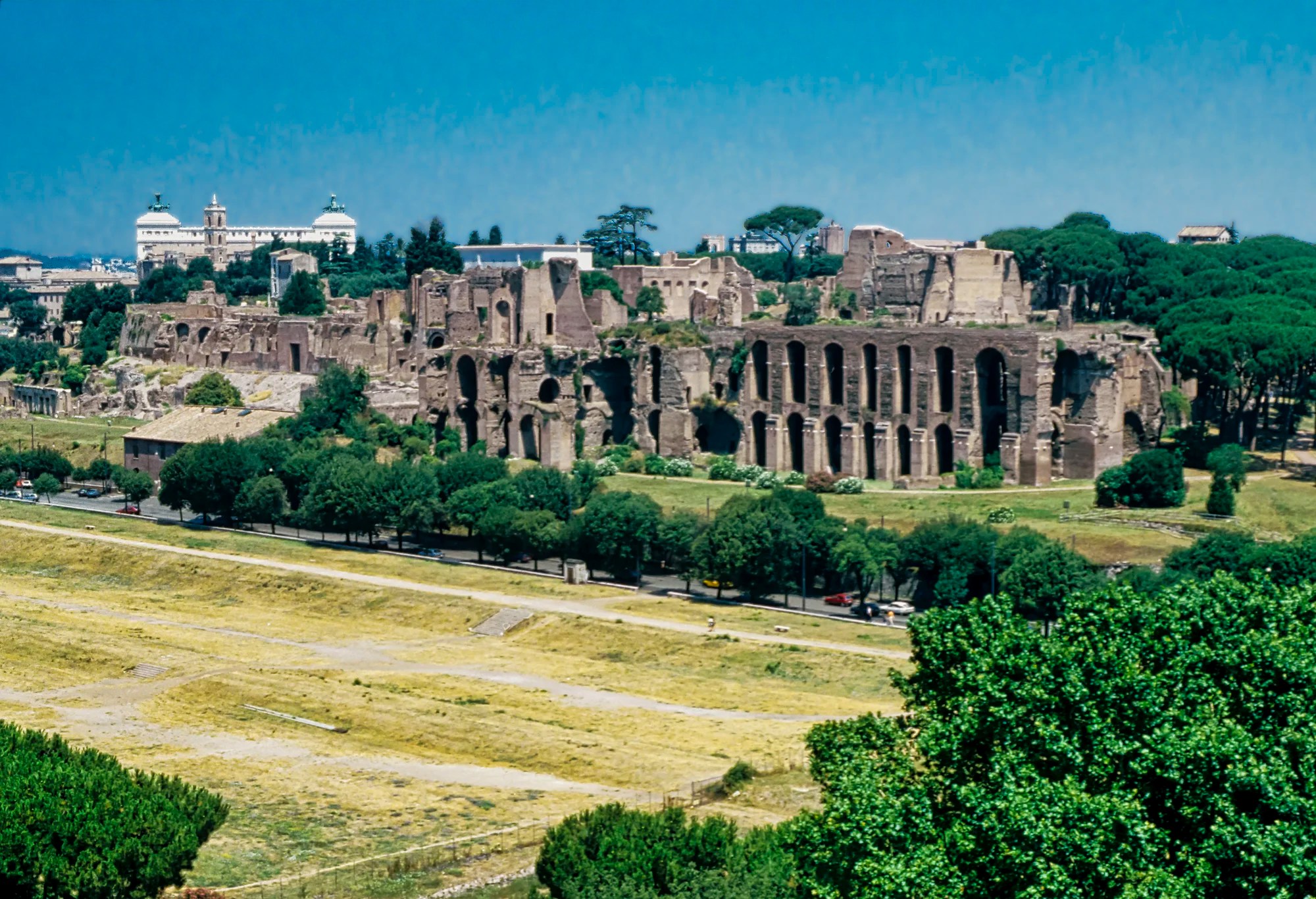
Do you remember the movie Ben Hur? Get off at the Circo Massimo Metro and head northwest. You will definitely appreciate just how long the hippodrome (G4.5) really is. Hippodrome is derived from the Greek words hippos (“horse”) and dromos (“course”).
The shape is all that is left lying below the ruins of the Palatine Palace. The course was divided by a central barrier, the spina, which is now just a slight mound. The two obelisks that marked the two ends of the spina were relocated to the Piazza del Popolo (1589) and the Piazza di San Giovanni in Laterano.
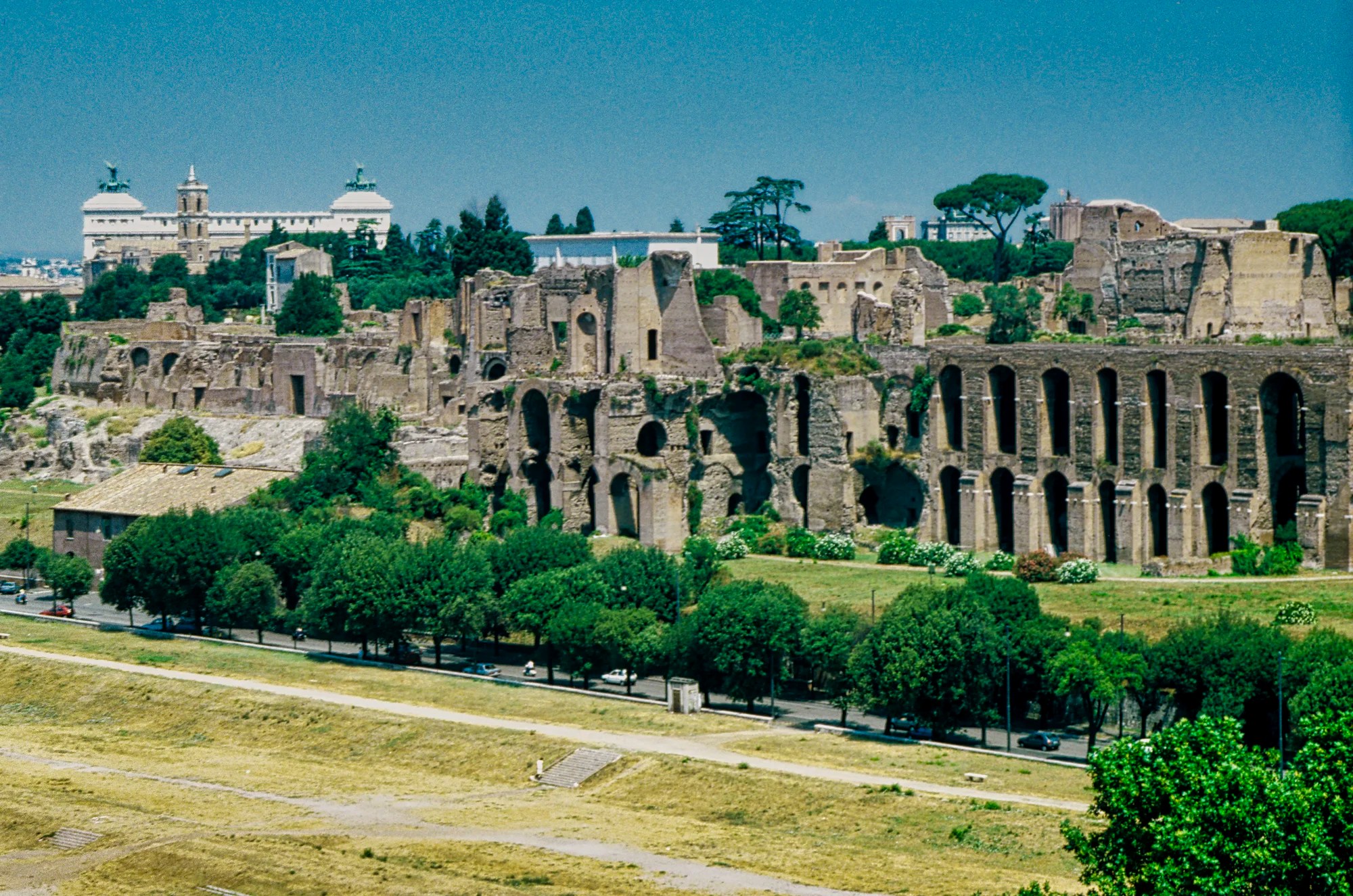
Everyone dressed up to make an impression at the Ludi Circensian (“games in the circus”). The emperor would have worn purple robes and have been seated in the Imperial Box with his family on the Palatine Hill (G4.7). You can really see how massive this building is, from which our word for palace is derived. Shops and bars would have surrounded the outside of the stadium.
The great events held here could go on for 15 days with as many as 24 chariot and horse races per day. Between races there was other entertainment such as athletic contests and wild animal fights. Imagine ca. 200,000 fanatics sitting in the stands! Our word fans comes from the Latin fanaticus. By comparison, the Hippodrome in Constantinople held 100,000 fans.
The first races were held in 326 BC and the last were sponsored by the Ostrogoths in AD 549. Later, it was turned into a medieval fortress by the powerful Frangipane family.
Genealogy
While only imagination is left, there is an important connection to history and heritage. The Ancient Romans and Greeks are descendants of the Proto-Indo-European tribes who were a horse-riding culture from the Caucasus. The PIE invented the chariot, and it was the primary war technology that enabled the PIE tribes to invade India (where they became the Vedic people), Turkey (Hittites and Lycians) and Europe (Romans, Greeks, et al). So it is not surprising that the ancients loved chariot racing. Does this explain our fascination with horse racing today?
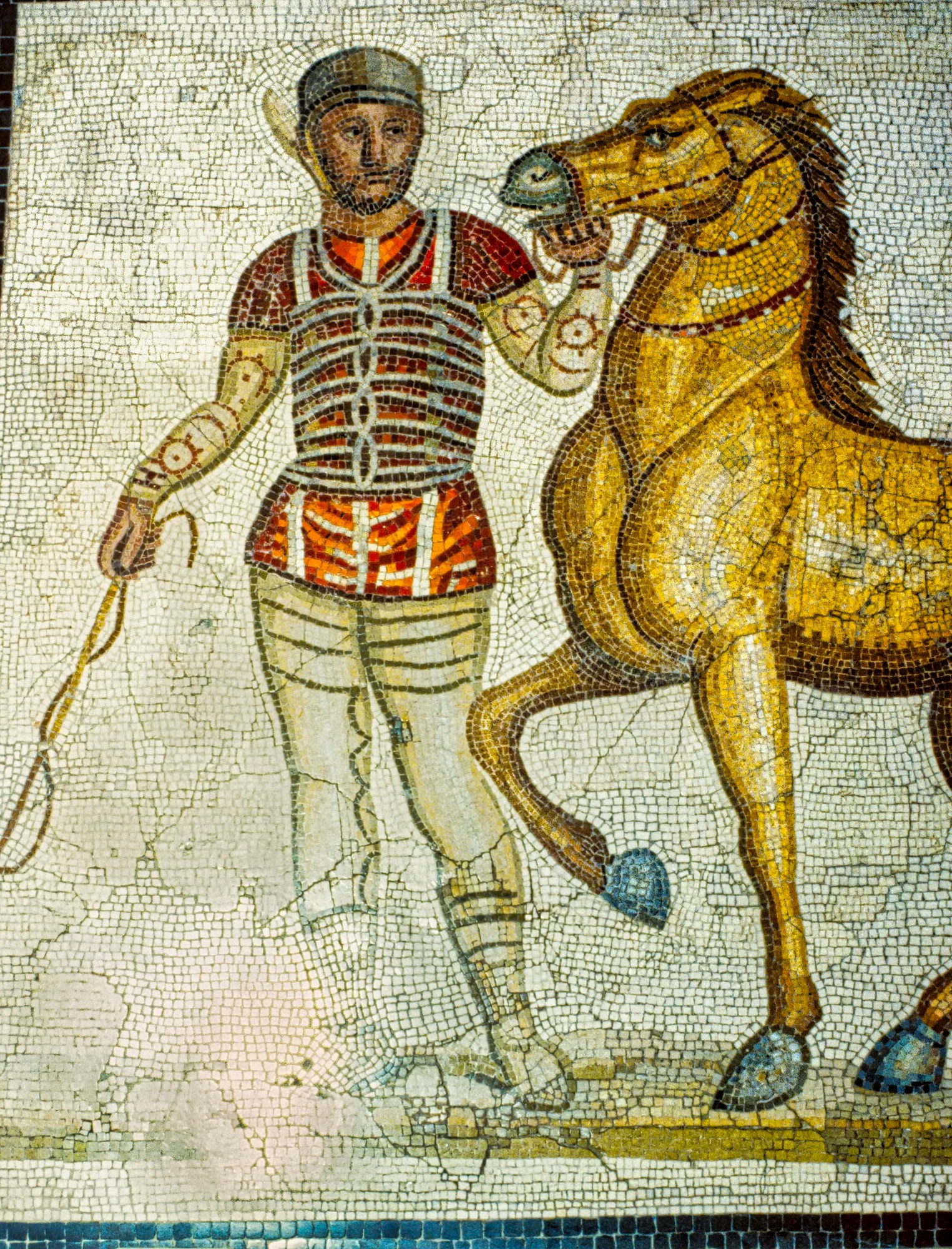
Auriga is Latin for charioteer as well as the name of the charioteer constellation. The charioteer with the horse above wears the colours of his patron. Note the leather helmet worn for protection. This Roman mosaic was excavated from an ancient villa and is displayed in the Palazzo Massimo alle Terme (G4.6).
The earliest and most beloved Ludi (games) were the Circensian (horse races in the circus). Some sources attribute their origin to Roman religious festivals. But chariot races were also very popular among the Greeks and the Etruscans. All of these were PIE tribes, so it makes more sense that this was a continuation of PIE traditions.
Chiesa Santa Maria in Cosmedin
This 12th C. church (G4.5) has a Cosmatesque pavement and a campanile (bell tower), a unique feature of Italian churches. It is called cosmatesque because this mosaic art form was a specialty of the Cosma family! One of the few medieval churches in Rome, it was built on the site of a Roman food distribution centre. Some of the columns of the ancient building can be seen in the church.
Bocca della Verità
But the real reason tourists come here is the “sculpture” Bocca della Verità (G4.5), standing on its side, showing a man’s face with an open mouth. But it is actually an ancient drain cover from the Cloaca Maxima, or the Greatest Sewer. In fact, the sewer emptied into the Tiber near the Ponte Rotto (Broken Bridge), which is very close to this church. This sewer system was built by the Etruscans, who invented the arch – essential for building sewers, aqueducts and coliseums. Having running water and sewers was critical to enable so many people to live in Ancient Rome.
Superstitious Rome
Bocca della Verità (mouth of truth) was used in the Middle Ages as a “lie detector” – people would put their fingers in the mouth and the mouth would close and sever their fingers if they lied!! It was particularly used for wives suspected of unfaithfulness. The only known case of someone claiming it worked was when Gregory Peck put his hand in the mouth while Audrey Hepburn watched. No, nothing happened but the 1953 movie Roman Holiday did drive tourists here like lemmings.
The Ancient Romans were very superstitious. For instance, it was bad luck to get out of your bed on the left or sinistra side. That is why the word sinister originates from the Latin word for left (side).
Medieval Italians (well, all Europeans) viewed cats as demons. They killed so many cats that they could not control the rat population. This contributed to the death of 60% of the population of Europe between 1346 and 1353, well known as the Black Plague.
So superstition helped change the course of history. This traumatic event damaged the authority of the Church and destroyed feudalism. Feudalism was being replaced by mercantilism fostered by the rise of city-states and the bourgeoisie, both of whom funded secular art and architecture to glorify themselves, which in turn led to the Renaissance.
Forum Boarium
Interestingly, the piazza was the scene for public executions in Rome. The Forum Boarium was one of the most ancient sites and was a cattle (boarium) market. It became an important commercial centre for the port on the Tiber River.
Some people may think that the Pantheon is the only intact temple left from Ancient Rome. But thanks to this walk, you will get to see two small and older temples that are still intact – the circular Hercules Victor and the rectangular Portunus.
Tempio di Ercole Vincitore – Temple of Hercules Victor
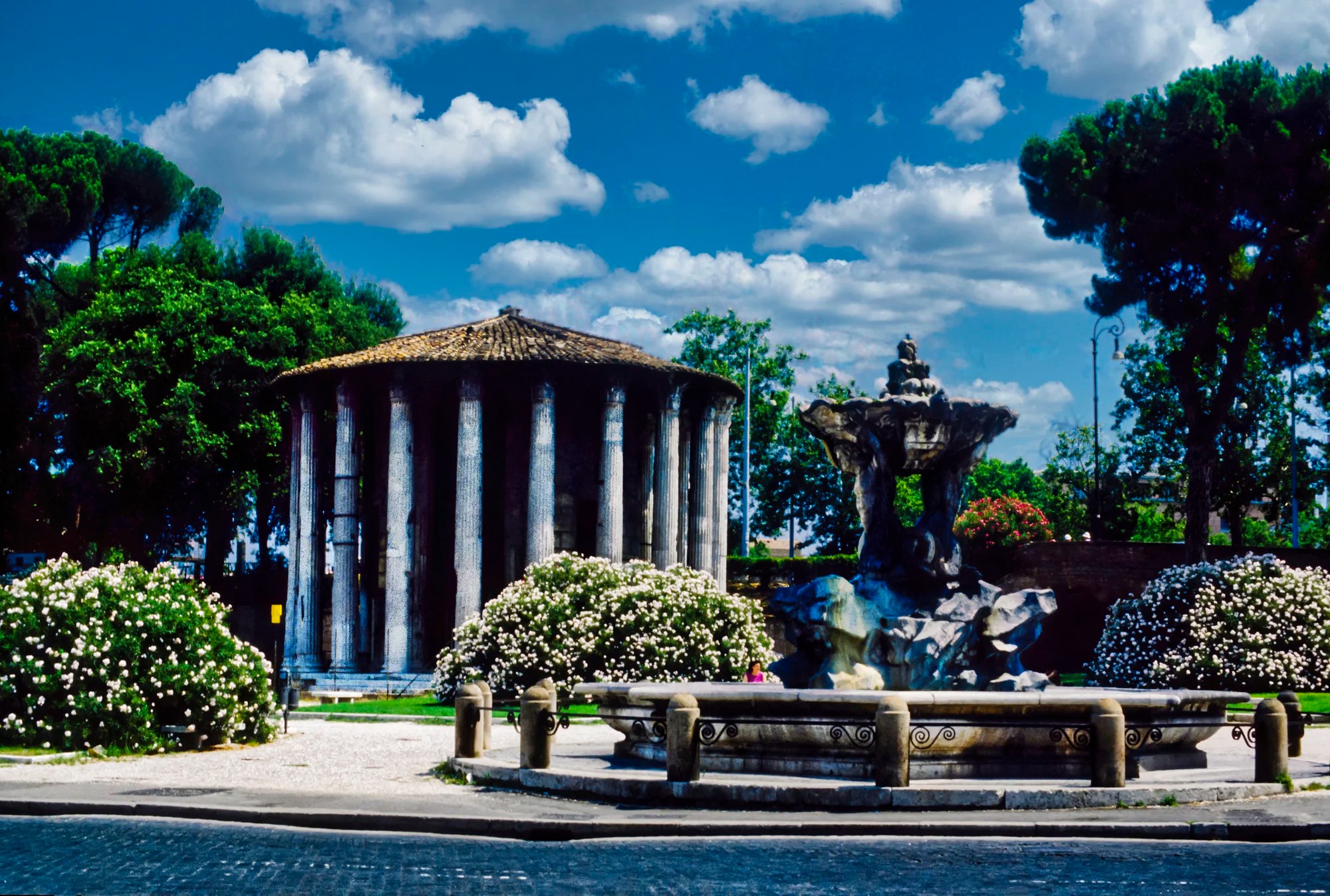
The Temple of Hercules Victor (Tempio di Ercole Vincitore G4.5) is a circular temple with a concentric ring of twenty Corinthian columns. It dates from 2nd century BC. Why was this temple so well preserved? It was made a church in AD 1132.
First some history. In the early days of Ancient Rome, all the southern provinces (Sicily, Calabria, Puglia and Basilicata) were part of Magna Graecia, which the Greeks colonized starting in the 7th century BC. As Sicily was in between Carthage and Rome, the Greeks decided to side with the Carthaginians in the Punic Wars. At the end of the Punic Wars, the Romans decided to take over all of Greece in 146 BC as punishment.
Tempio di Portuno – Temple of Portunus
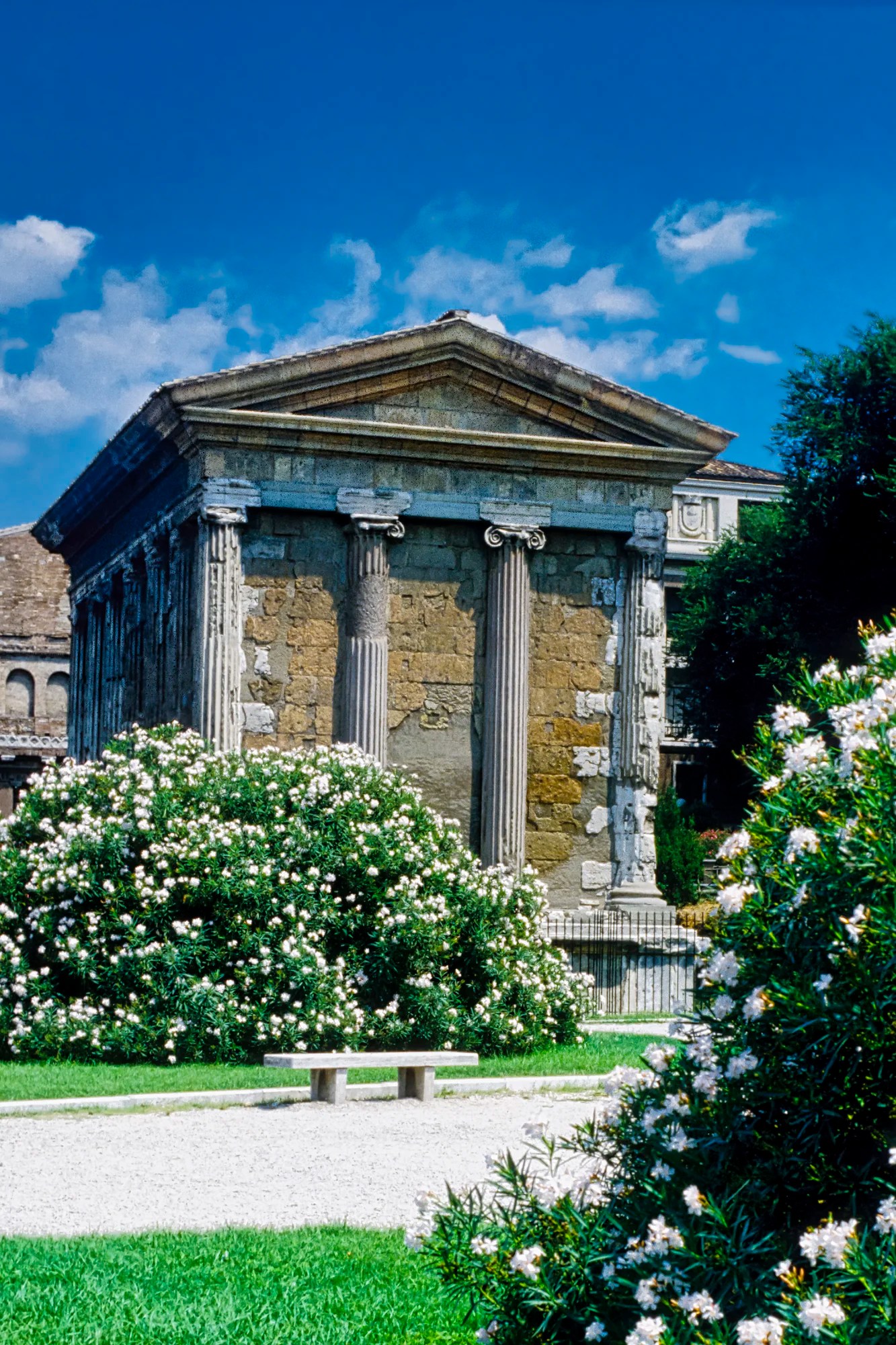
The Temple of Portunus (G4.4) is one of the best preserved of all Roman temples. Who knew there was a god for doors and keys? The same god later also protected ports (both doors and ports are related to the word porta). The river port of Rome was located right near here (the sea port is located at Ostia Antica).
The temple’s Ionic columns and entablature (horizontal beams above the columns) reflect the wave of Greek influence after the conquest of Greece. But it is not a Greek copy. Unlike the Parthenon, note how the cella (inner sanctum) extends until it touches the peristyle – this is an Etruscan influence. But the three-room cella of the Etruscans was changed to a single room because the Romans needed space to store their war trophies! The temple was rebuilt in 120 to 80 BC. Why was this temple so well preserved? It was made a church in AD 472.
Ponte Rotto
The Pons Aemilius (Ponte Emilio G4.5), built in 179 BC, is the oldest Roman stone bridge in the city. It was built by Aemilius Lepidus, the architect of massive Basilica Aemilia with the copper coins fused to the floor in the Discover the Secrets of Ancient Rome walk. Today the bridge is called Ponte Rotto, or “broken bridge”, as only one arch remains near Tiber Island.
Teatro Marcello — Theatre of Marcellus
During the conservative Republic of Rome, theatres were seen as endangering morality and were only built of wood. The second theatre to be built in stone (travertine) was completed in AD 13 by Augustus and named after his nephew, Marcellus, who had died too young. It was located next to the Temple of Apollo, of which only three corner columns remain.
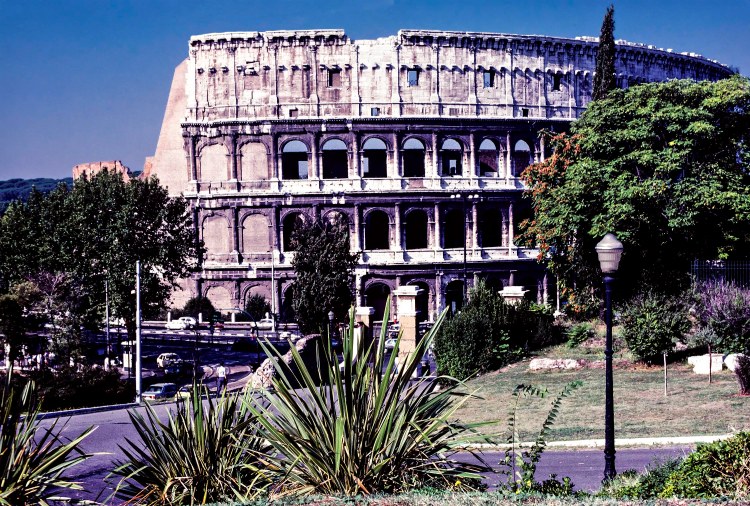
The Theatre of Marcellus (G4.6) was the model for the Colosseum since each storey has a different order of columns, Doric, Ionic and Corinthian. However, the upper levels were redone when the theatre was converted into a fortress. The destruction of the theatre actually began in AD 370 when it was used as a quarry to repair the nearby Bridge of Cestius connecting Tiber Island. In the 16th century, the theatre was converted into a Renaissance palace. Palazzo Orsini had plenty of space. As one of the largest theatres in the Empire, it once sat 20,000 people!
Portico d’Octavia
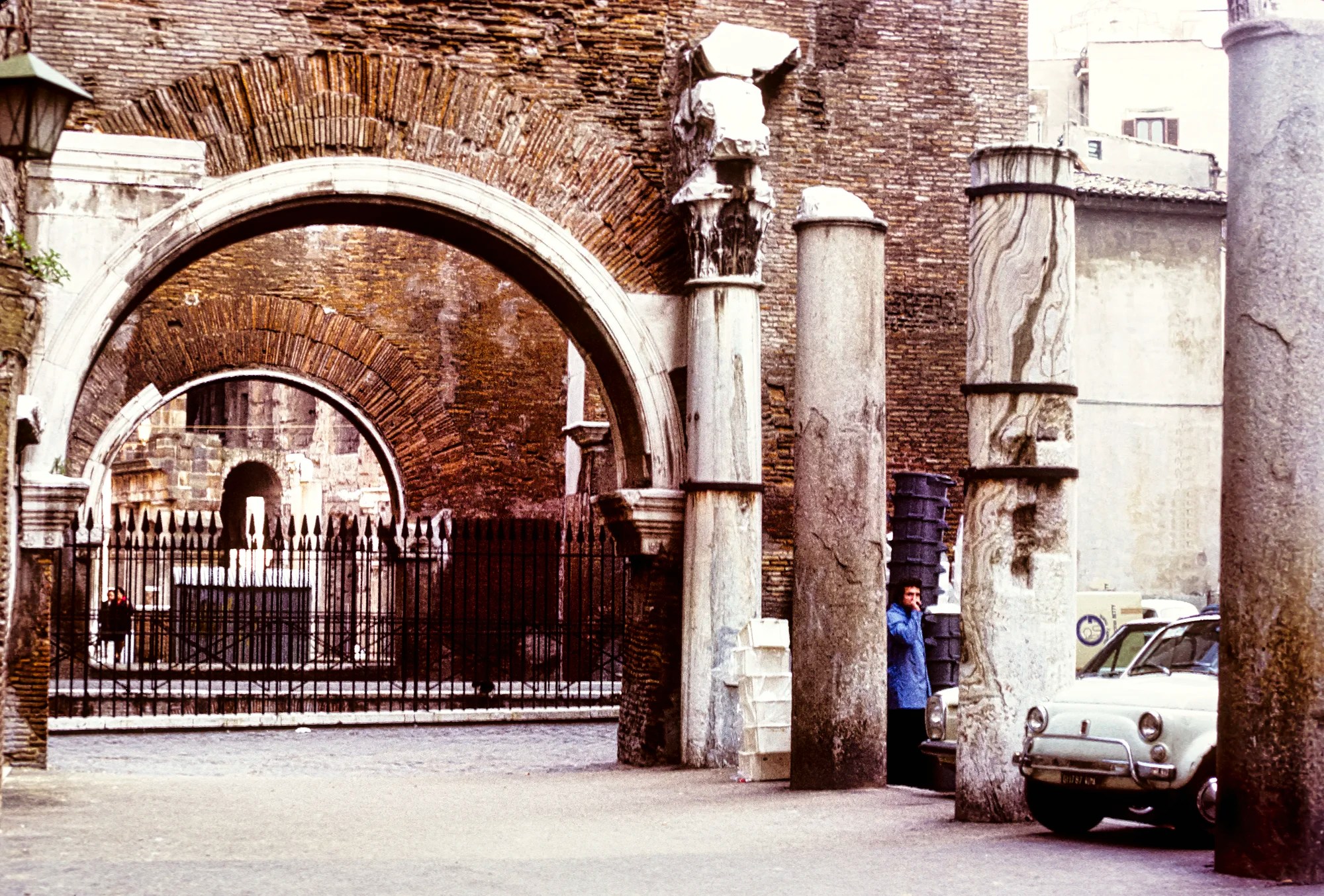
It was common practice to place a portico and sculptures in front of a temple. Augustus rebuilt this one in AD 23 and named it after his sister Octavia (G4.6). It used to enclose the Temples of Jupiter and Juno, 300 columns, libraries and the foyer for the theatre.
It was decorated with Greek sculpture masterpieces, including the famous Medici Venus (now in the Uffizi Gallery, Florence). The Medici Venus was found under the rubbish from the medieval fish market! All that remains of one of the most elaborate monuments is the entrance porch to the Portico.
Jewish Ghetto
The Renaissance street Via Portico d’Octavia leads to the Jewish ghetto. The narrow Via della Reginella is the only street remaining from the old Jewish Ghetto (G4.4). The main synagogue is next to the Tiber River near the Teatro Marcello. The latter had controlled entry even when we lived there. There are several other places to visit as shown on the Roman Itineraries Map – such as Forno Urbani (bakery) and Piazza Mattei.
Piazza Mattei
This square is surrounded by the Palazzi of the rich and powerful Mattei family during the 16th and 17th centuries. Palazzo Mattei di Giove (Jupiter) and Fontana delle Tartarughe (turtle fountain G4.5) are the gems to find. The architecture is Florentine.
The Mattei family were highly involved in banking and politics as well as prolific collectors of art. They produced eight cardinals. Why would the wealthy go into the Church? Think of the Pope more as the king of Central Italy (known as the Papal States), which the Church ruled over as their fiefdom. The Mattei had to protect their interests.
Trastevere
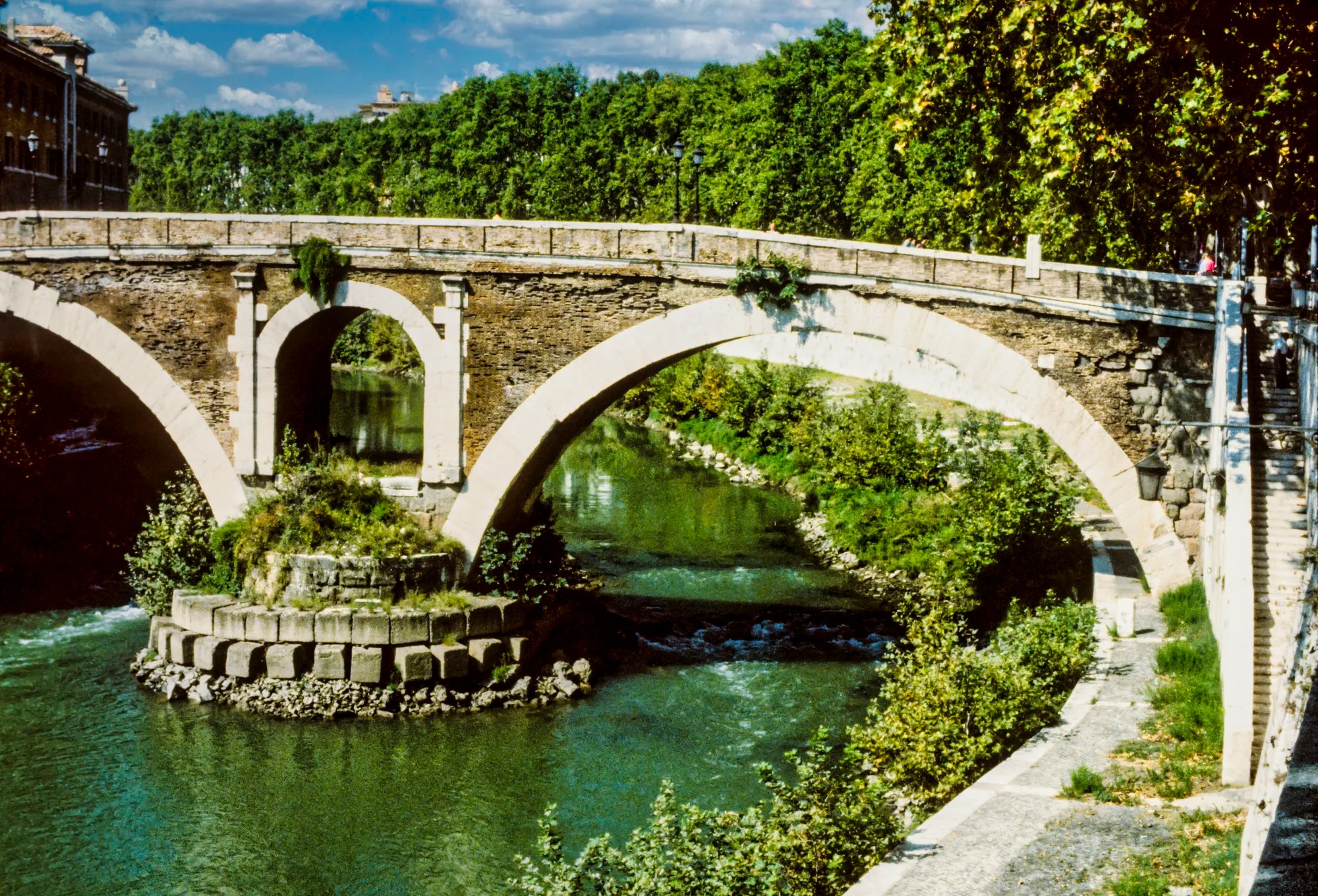
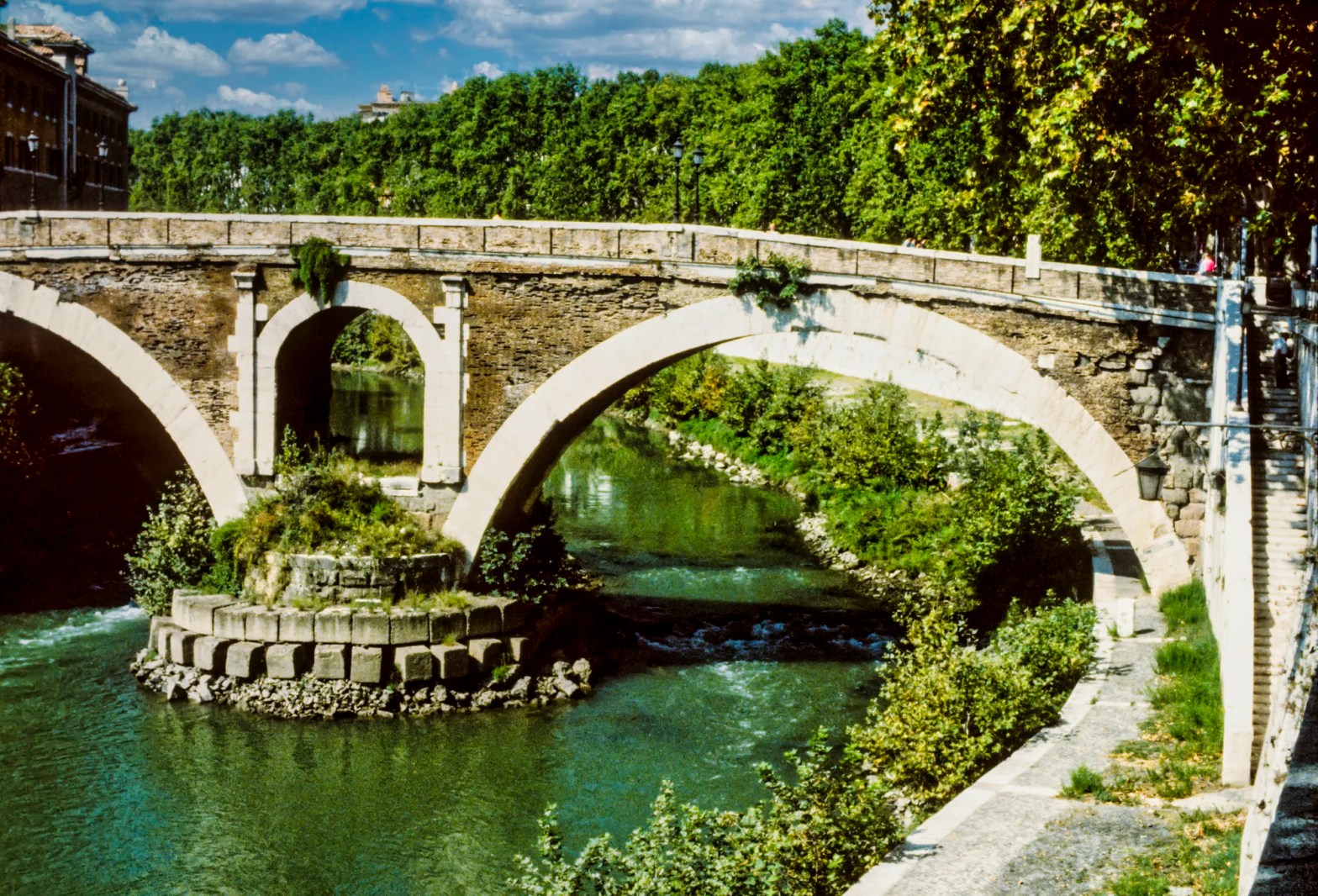
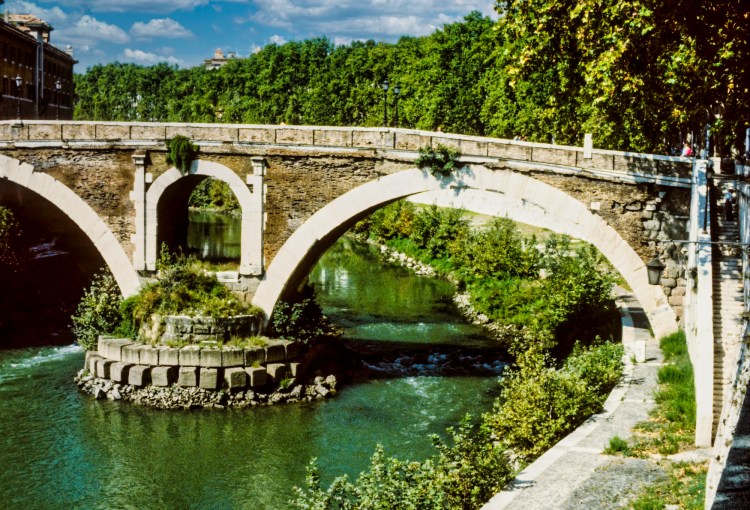
As this walk should take less time than the first two walks, at the end you can either take the Piazza Navona Walk or cross the river to visit Trastevere. There is a nice old bridge to Isola Tiberina (Tiber Island), which provides good views. The Ponte Fabricio (G4.6) is the oldest bridge crossing the Tiber that is still in use. The bridge in the photo dates from 62 BC.
Trastevere means across the Tevere or Tiber River. On the Trastevere side there are many piazze, restaurants and churches to see. For instance there is Santa Cecilia, an aristocrat who converted to Christianity and was martyred at her home located beneath the church.
After Basilica di Santa Maria in Trastevere (G4.7), take a walk along the narrow Vicolo (alley) del Piedi (feet) filled with ristorante.
The Roman Empire was Cosmopolitan
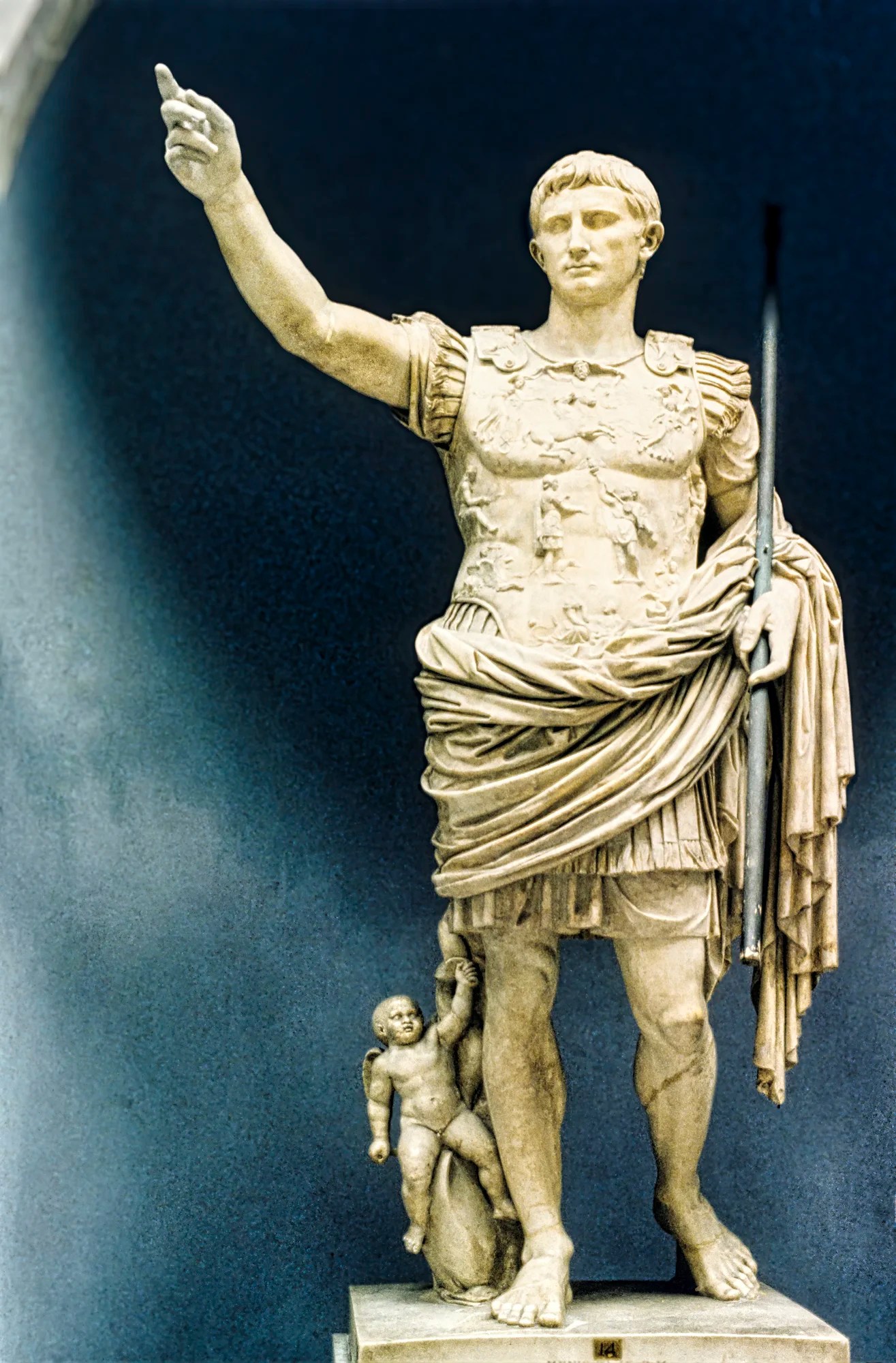
While responding to Quora and Reddit, I have noticed several questions asking if the Roman Empire promoted the concept of Italian culture. Rome started as a city-state that outgrew itself. People should not view that era from our current stress on ethnic groups and nationalism. Italy did not exist until 1871.
The Roman Empire was a cosmopolitan society where regional peoples, their skills and ideas were absorbed. The major influences of the Etruscans were already discussed in the Discover the Secrets of Ancient Rome Walk. Roman art and architecture incorporated Egyptian, Etruscan and Greek traditions. The Silk Trade Routes brought in products and ideas from the Far East.
The Romans even offered citizenship and tolerated foreign religions as long as the conquered nation respected the Roman Empire and its’ State Religion. This was an open society. If it weren’t, there would have been continual rebellion and revolution instead of the Pax Romana.
Ethnic & Linguistic Heritage
The science of linguistics started with research into a common root Proto-Indo-European (PIE) language. PIE diverged into multiple languages starting around 3400 BC. The two oldest (i.e. first) branches of the Indo-European language group were Anatolian and Indo-Iranian (Sanskrit and Iranian-based languages, including Kurdish, a major ethnic group in East Turkey). Not only does language link Europeans to all the Vedic and Iranian people, but this is now backed by DNA research with a particular shared genetic pattern (R1a1a).
Religious Heritage
What is even more interesting is the similarity between the Vedic (Hinduism), Persian, Greek and Roman religions. The Indo-Iranian pantheon described in the Dalyan and the Lycian Tombs post was the basis for the Ancient Greek, Roman and Hindu gods. That is because all these people are descendants of the Proto-Indo-Europeans (formerly called Aryans).
In fact, Iran means land of the Aryans. One major Zoroastrian (Persian) concept is that man had free will to choose his own path between good and evil, heaven and hell. This is the basis of all Abrahamic religions – Judaism, Christianity and Islam.
Some religions were imported by Roman soldiers and gained a huge following in Rome. Mithraism was the major competitor for early Christianity. Mithraism originated in Persia from Zoroastrianism and spread through the Roman Empire from about the 1st to the 4th century.
There are some very interesting similarities between the god Mithras and Jesus. For instance, they both had a virgin birth on December 25th, the winter solstice.
The Roman Empire Did NOT Fall in AD 476
We should clear up the misinformation about the Fall of Rome.
Plagues Decimated Rome
Long before the Goths actually sacked Rome, it was in decline. At its peak in AD 200, it is estimated that Rome had 1,000,000 or more people. This decreased dramatically due to various plagues brought in via the Silk Routes.
The Fall of Rome, the City
Rome (the city) by that time was mainly protected by mercenaries rather than Romans. Rome fell in AD 476 because it could no longer pay its mercenaries. The Western Roman Empire had no industry and no wealth. They had relied on slavery and the spoils of conquest.
The capital of Rome was moved to Constantinople
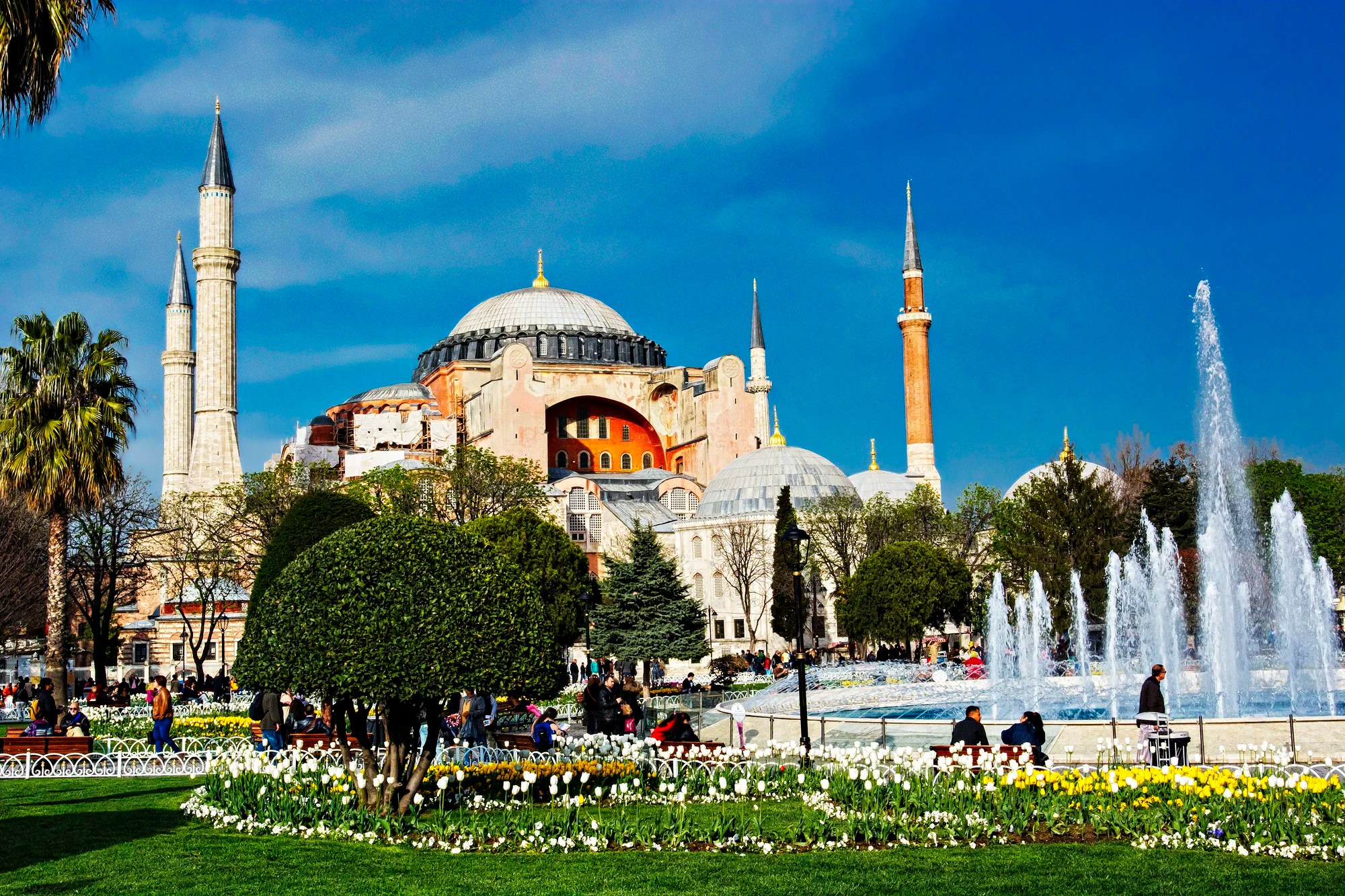
Prosperous Constantinople (now Istanbul) was the financial and educational centre of the Roman Empire because Turkey was the terminus of the Silk Trade Routes. In the year AD 330, the Emperor Constantine decided to move the seat of the government from Rome to Byzantium, which was renamed Constantinople. In other words, Constantinople became the political centre of the Roman Empire.
Not the Byzantine Empire
Important things to know are that when Rome, the city, fell:
- People of that time still called the East the Roman Empire.
- The empire was still large; only Northern Europe and Spain were lost, and parts of Italy were regained for a little while.
- The principal language of this empire was Greek, not Latin.
- The term Byzantine Empire was only coined in the 16th century by a German historian – it never existed!
The eastern and southern half of the Roman Empire, along with Pax Romana, continued to exist for another thousand years. Ancient Roman architecture, such as the very famous Aya Sofia (Constantinople), whose dome was based on the Pantheon, continued to be built
Fall of Constantinople did NOT lead to the Renaissance
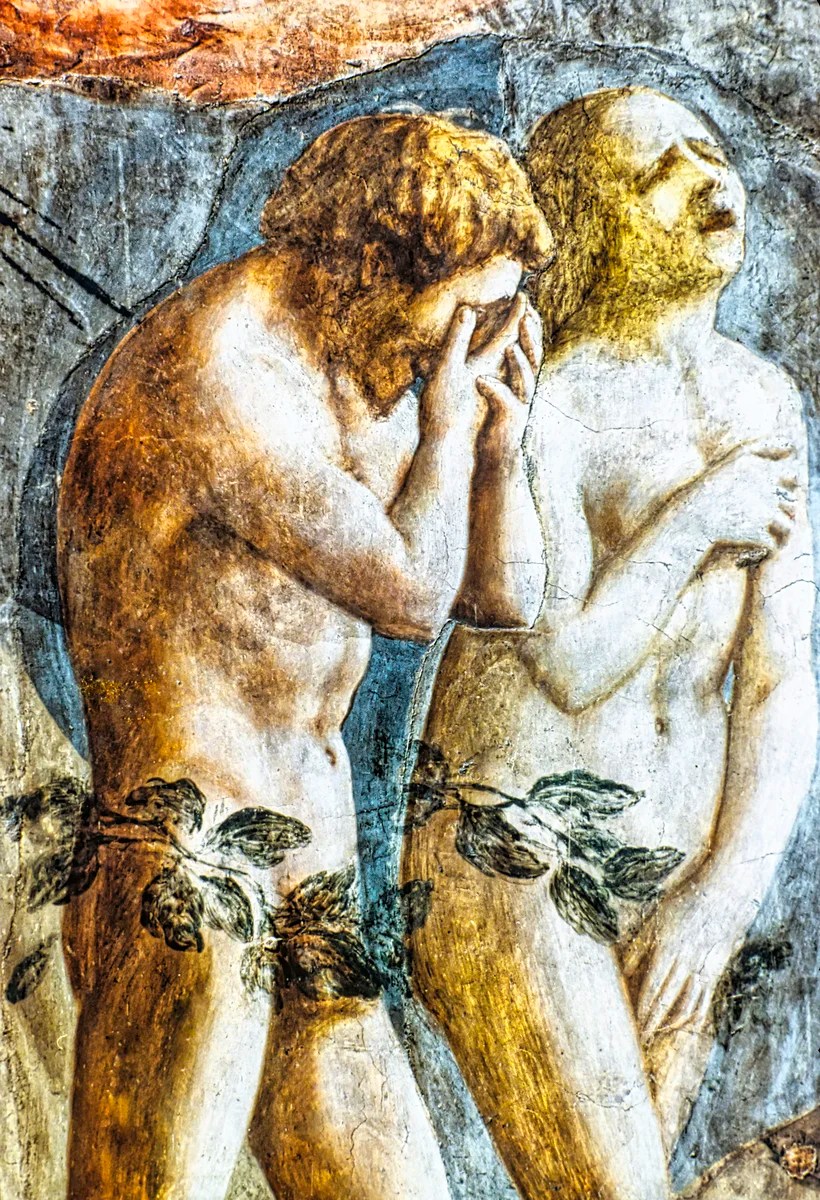
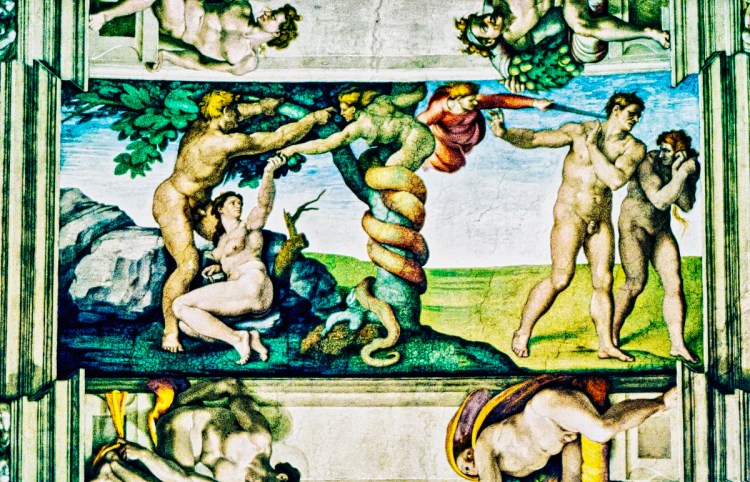
It is time to dispel another historical myth. Forget what you were taught in school, that the Fall of Constantinople in 1453 led to the Renaissance. The Renaissance started earliest in Italy, with Masaccio’s painting above of The Expulsion (Brancacci Chapel, Florence G4.4) in 1427. Static, two-dimensional Gothic art was replaced by implied movement and Humanism. This fresco was studied by every great painter of the Renaissance.
Brunelleschi rediscovered Vitruvius’ master work on Ancient Roman architecture. Brunelleschi and his friend Donatello came to Rome in 1404 to study the ancient ruins of the Fori Imperiali. As a result, Brunelleschi built the first dome (1446+) to be raised since Ancient Rome. In fact, the main church in Florence is now popularly known as “the Dome” or Duomo.
We have given you a short history of Rome from Vedic times to the Renaissance. We hope this has made you realize how interrelated everything is.
Final Comments
This is one of our favourite walks in Rome. It is probably the most off-the-beaten-track walk inside the over-touristed city. Even better, it gives you a feel for what Ancient Rome really looked like. We trust you now understand why these places are significant and how they have had such a great influence on the history and culture of the world.
Subscribe
Please subscribe to Terra Encounters because we offer valuable insights to improve your understanding and enhance your travels. We offer itinerary-based guides packed with the best sights and hidden gems. Let our knowledge help you fully appreciate every moment of your amazing journey.
Get travel tips and advice delivered directly to your inbox. The best part is that it is free.
This was only a taste of Rome. What questions do you have? If you have been to Rome, share your experiences with us. How long is/was your trip?
Itinerary Map & Resources
Roman Itineraries Map — our custom Google Map
What Should You Read about Rome?
Eyewitness Rome, Dorling-Kindersley – has brief information but often some gems about major sights. Their real crown jewels are their “Street by Street” pages where they detail the sights on their attractive 3-D map of a neighbourhood.
Rome Past and Present, Vision Publications – is one of the excellent tourist guide books on sale by vendors throughout Rome. What is unique about this spiral bound book are the reconstructed drawings on cellulose of the ancient monument or temple to help you imagine what the ruins used to look like.
The Companion Guide to Rome, Georgina Masson, Collins – is too in-depth for tourists. But it is great for expats and budding archaeologists, and art historians living in Rome.
Google Maps Ratings
Google Maps provides a rating from 0 to 5 for all sights, hotels and restaurants (but not cities). All of our recommendations are appended with the rating (prefixed with a G) from Google Maps. As it is based on feedback from tourists and locals, it is much more reliable than travel booking websites. We consider a score of 4 to 4.39 to be Very Good; 4.4 to 5 to be Excellent.
Rome’s Top 8 Self-Guided Walks
Here are eight itineraries to explore Rome in more detail:
Understanding Italy
The Italy FAQ post answers questions such as:
- When should I go?
- What is the best season for travel?
- Where should I go?
- Can I see everything in a week?
- How much time do I need for Italy?
- How much cash should you take to Italy?
- Should I pay in Euros or my own currency?
- How safe is Italy?
- Should I rent a car? Take a Taxi?
 Terra Encounters
Leave a reply to Steve Cancel reply