
Unlock the Secrets of Ancient Rome
On this walk, you will experience the grandeur of the Roman Empire. The empire is probably the main reason why you are going to Rome. Even if you are not acquainted with the history, so many things in modern civilization were established by Ancient Rome – the arch, the vault ceiling, aqueducts, sewer systems, the road system, the legal system, medical terminology, festivals, Chianti wine, and perhaps the most important contribution – the Latin character set.
Ancient Rome is filled with evocative ruins and towering triumphal arches. Everywhere you look you will be amazed. To better appreciate the significance of what you are seeing, this post will reveal the secrets and interesting information about each sight.
Author & Photographer: George Mitchell

Our recommendations are not influenced by affiliate links – we have none. Our advice is derived from our personal experience and knowledge based on living in Rome for four years and studying its art, architecture, and culture. All the places recommended in this post are pinned on our Roman Itineraries Map. The place names are appended with the Google Maps Rating (G0 to G5).
The Best Sights of Ancient Rome
If you are going on this Forum itinerary, bring lunch so you can eat in the Orti Farnesiani (Farnese Gardens) on Palatine Hill with a view of the Forum below you.
Piazza Campidoglio & Capitoline Hill
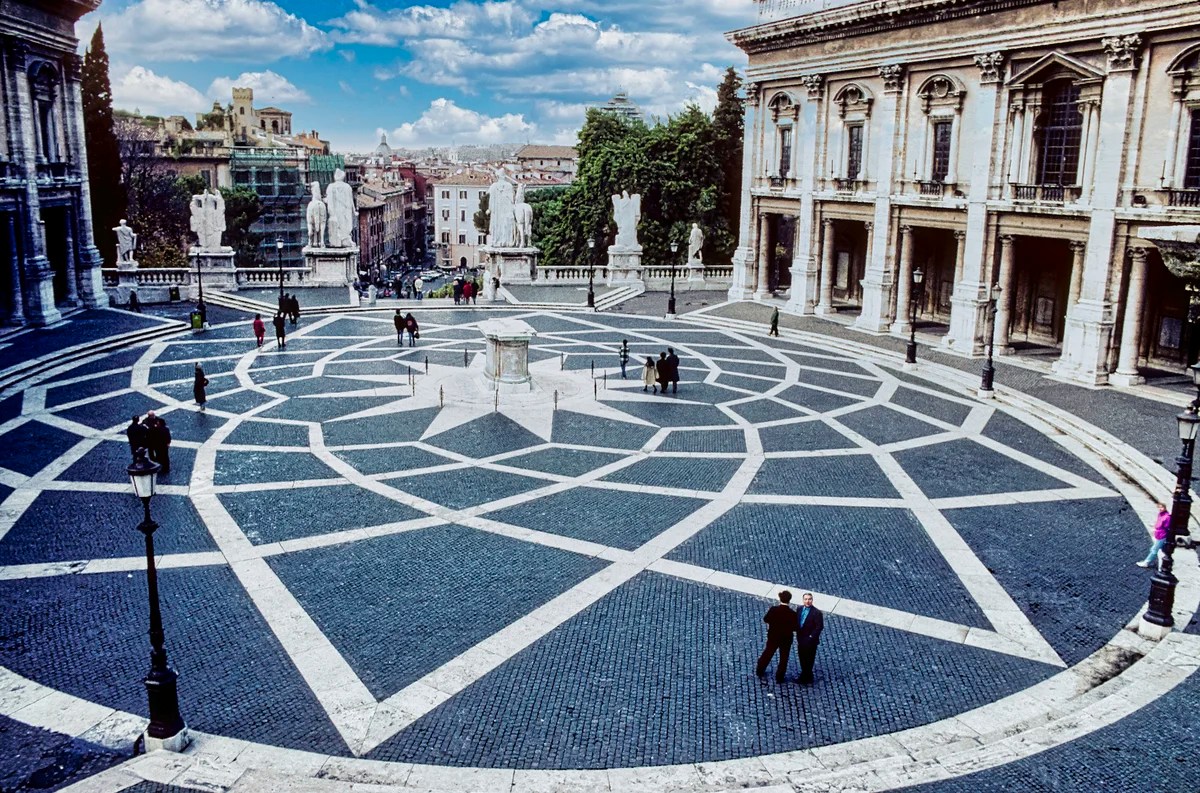
Capitoline Hill (G4.7) gave us the name for every capital in the world. So why are we starting with Piazza Campidoglio (Capitol Square), built in the 16th century? That’s not Ancient Rome! Patienza!
After the sack of 1527, Pope Paul III wanted to beautify Rome. The Holy Roman Emperor Charles V planned a state visit, and he would make the traditional procession through the Arch of Titus in the Roman Forum and up to Capitoline Hill. The Pope wanted something special at the end.
Who knew that Michelangelo also did architectural designs? What you see in the piazza is a unique pattern of paving stones all curving towards the centre, leading your eyes to the most famous equestrian bronze of ancient times. Well, it used to… Back in history, the Holy Roman Emperor was greeted by a famous emperor of Ancient Rome, Marcus Aurelius (statue).
Temple of Saturn – Tempio di Saturno
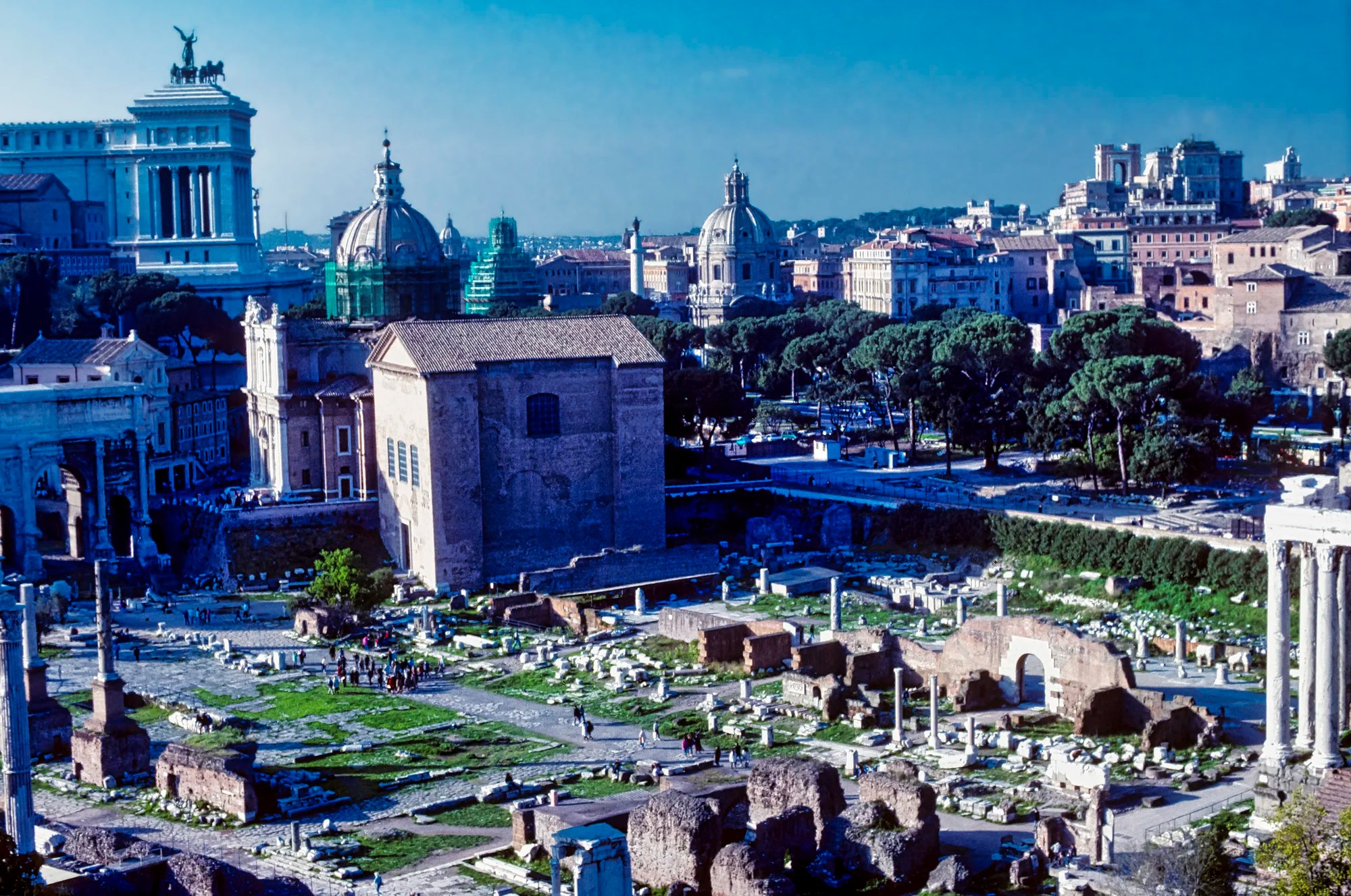
Walk to the end of the square and take the right path for a view of why you probably came to Rome — the Foro Romano is laid out below you. For the best photography, come for early morning or late afternoon; i.e. softer lighting.
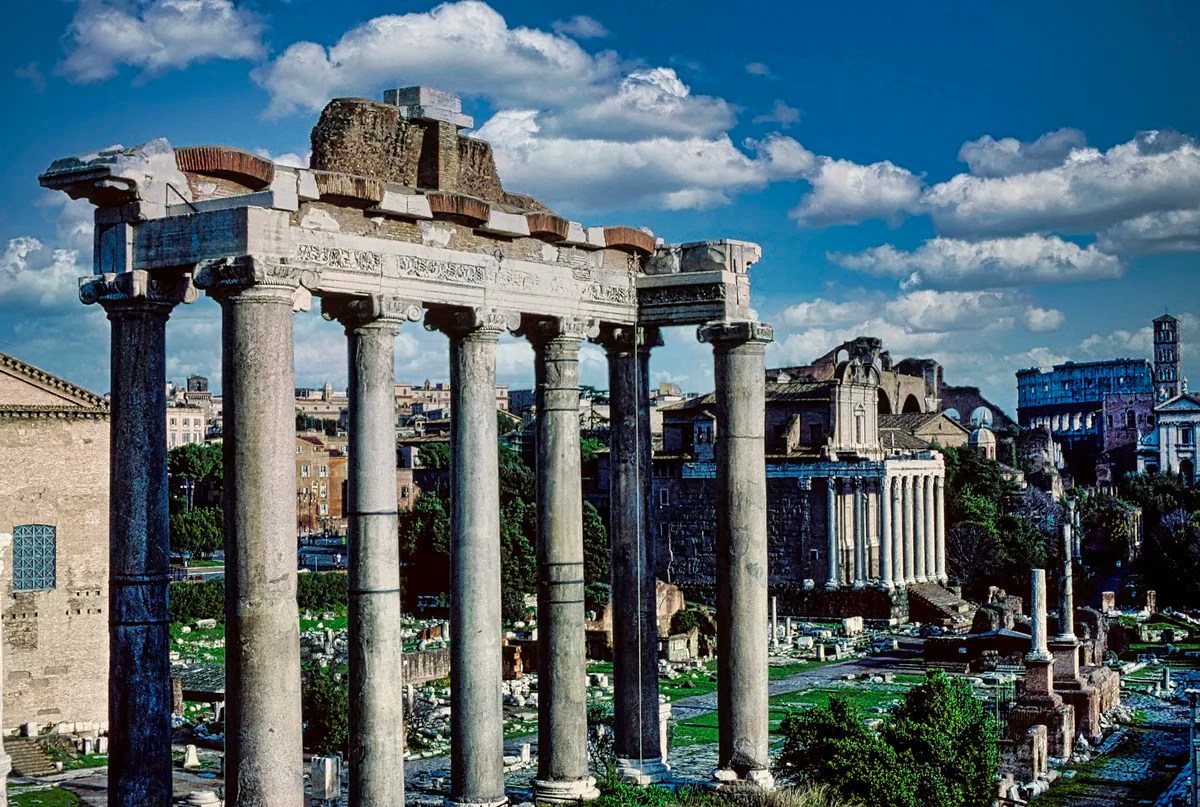
Here is the next secret or fascinating fact. Straight in front, on the left, is the most important Temple of Saturn (G4.8), the treasury of the Roman Empire. Saturn (or Cronus in Ancient Greece) was the god of agriculture and wealth ‒ food was wealth in ancient times. One of his main symbols is the sickle of Father Time, which is not only an agricultural tool but a symbol of Cronus, whose name means time. Delineating the seasons (time) is very important to agriculture.
Festival of Saturnalia
The Festival of Saturnalia celebrated the harvest and the end of ever shorter days, the winter solstice. Saturnalia consisted of gift-giving, partying, drinking, and singing in the streets. Romans even served supper to their slaves and gave them gifts. Homes were decorated with wreaths and greenery. It was a Festival of Lights, except that candles were used. People spent weeks preparing and buying for Saturnalia. Conspicuous consumption is not a modern invention.
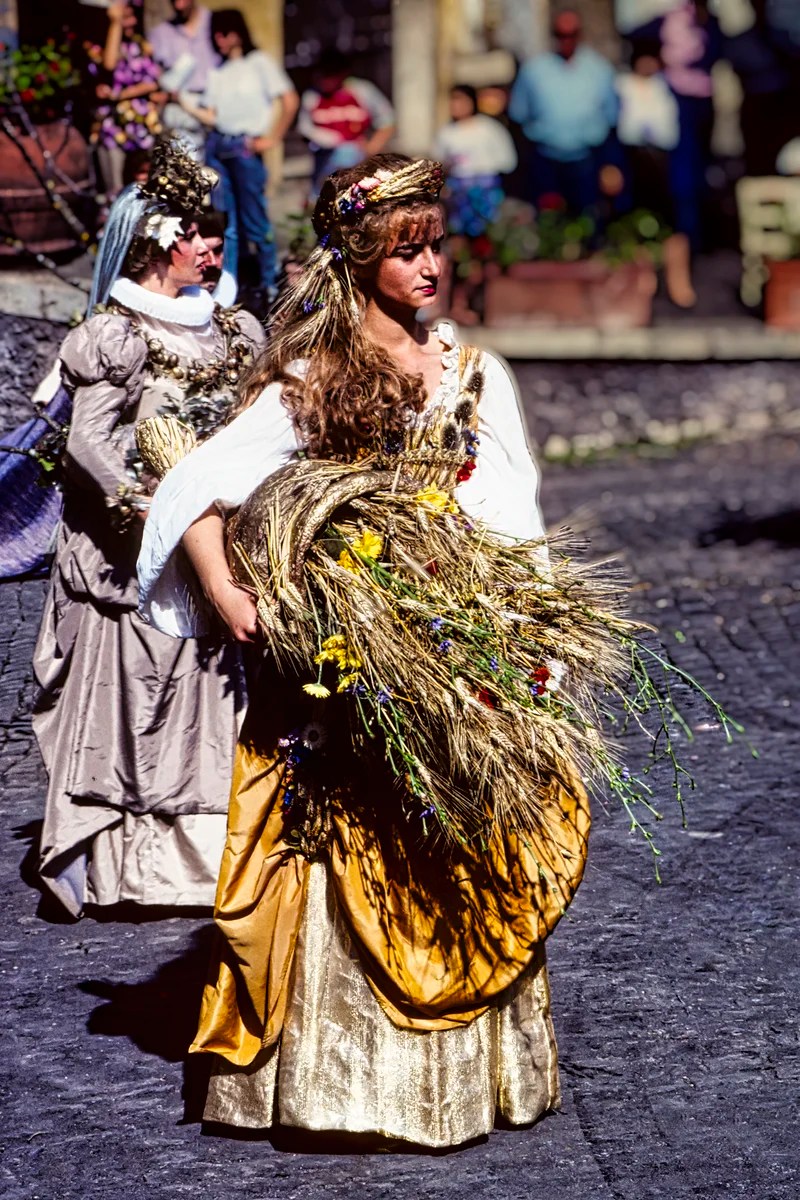
This festival was so popular that it grew from one day to one week, taking in the winter solstice on December 24th (after the calendar was adjusted by Ancient Rome) and ending with Sol Invictus on December 25th.
Does all this sound familiar? Yes, Saturnalia is the origin of Christmas. How do you convert pagan believers? You co-opt all their traditions and make them part of Christianity.
Capitoline Museums – Musei Capitolini
Hours: 09:30 – 19:30 hrs;
Cost: €16
The other reason to come to Capitoline Hill is the Musei Capitolini (G4.7). On each side of Piazza Campidoglio are two museums founded as a gift to Rome by Pope Sixtus IV (1471).
There are many amazing, lifelike, and world-famous classical sculptures such as the Marble Faun, Capitoline Wolf, Dying Gaul, and Capitoline Venus (Palazzo Nuovo). These very old statues capture the essence of Ancient Greek and Roman art and civilization.
Even if you don’t want to spend time indoors, you should enter the Palazzo dei Conservatori, on the south side of Piazza Campidoglio, to see our three favourite statues.
Discobolus Sculpture
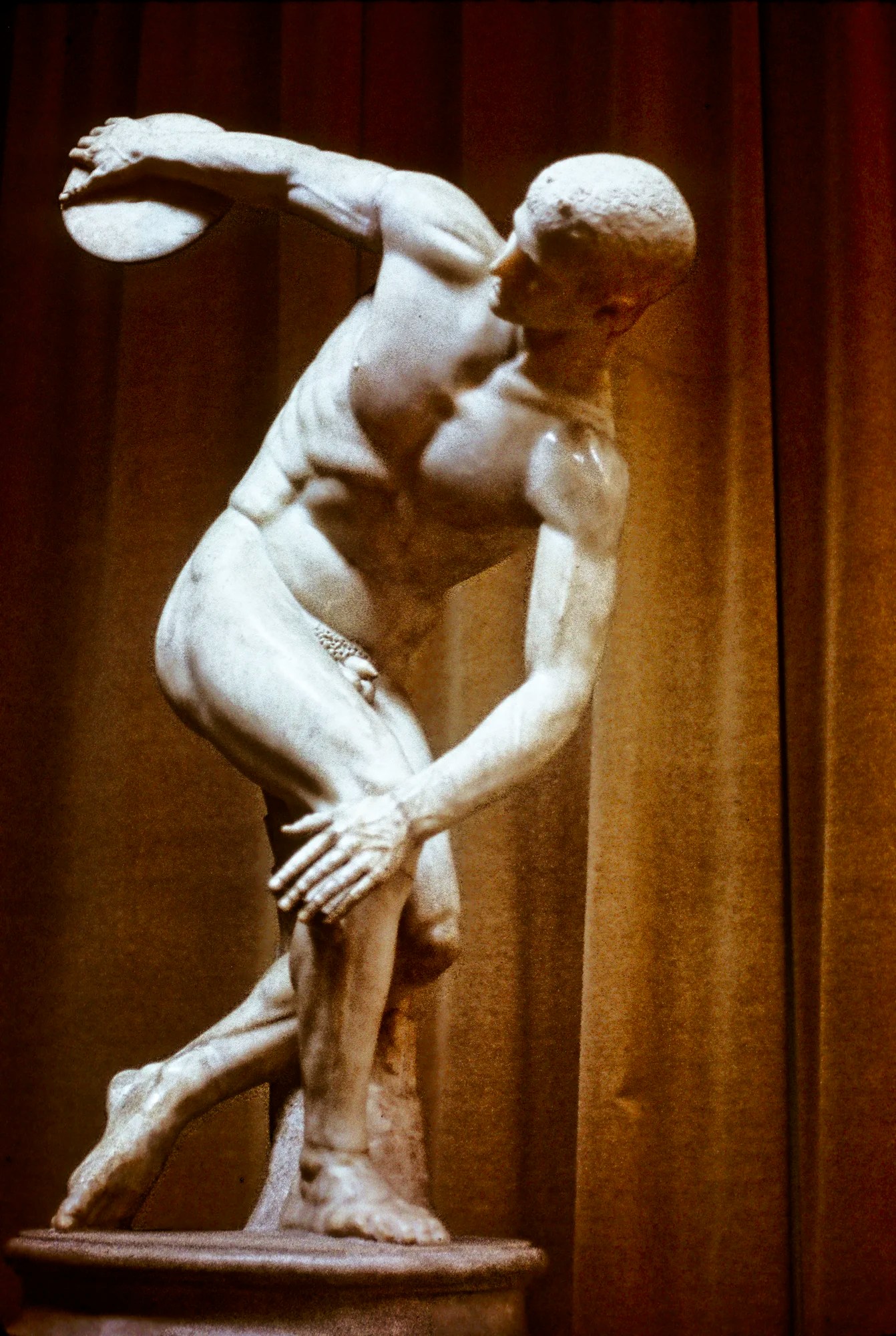
Discobolus is a Classical Greek bronze sculpture (460–450 BC) of a discus thrower. The sculptor, Myron, captured the athlete at the moment before launching the discus. It radiates athletic vitality, implied motion, twisted form, and unreleased tension and energy. Implied motion and figura serpentinata are two of the key characteristics of classical art that were rediscovered in the Renaissance.
Boy with Thorn Sculpture
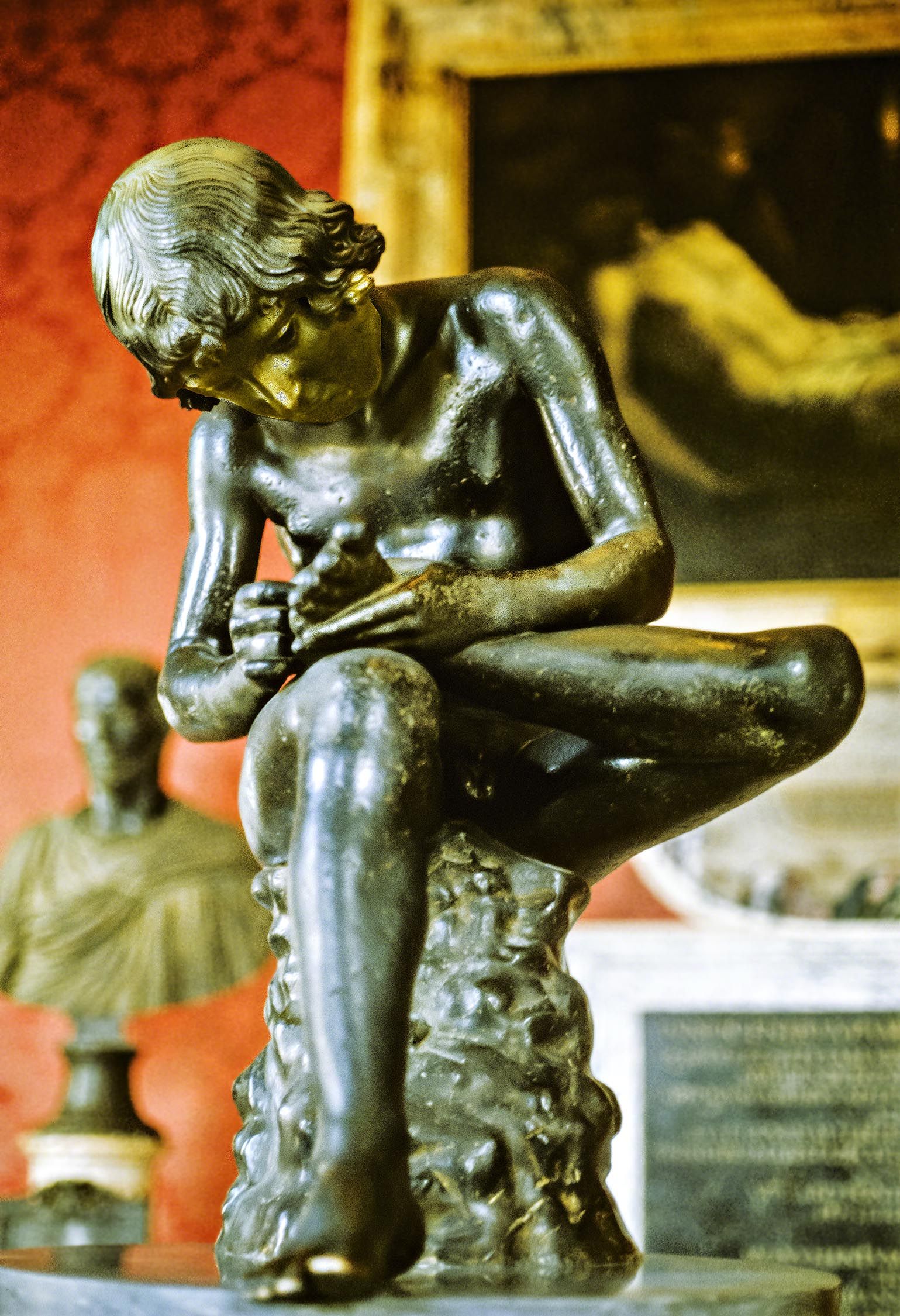
Boy with Thorn, also called Spinario, is a Greco-Roman bronze sculpture (1st century CE) of a boy withdrawing a thorn from the sole of his foot. It has been copied many times.
Boxer at Rest Sculpture
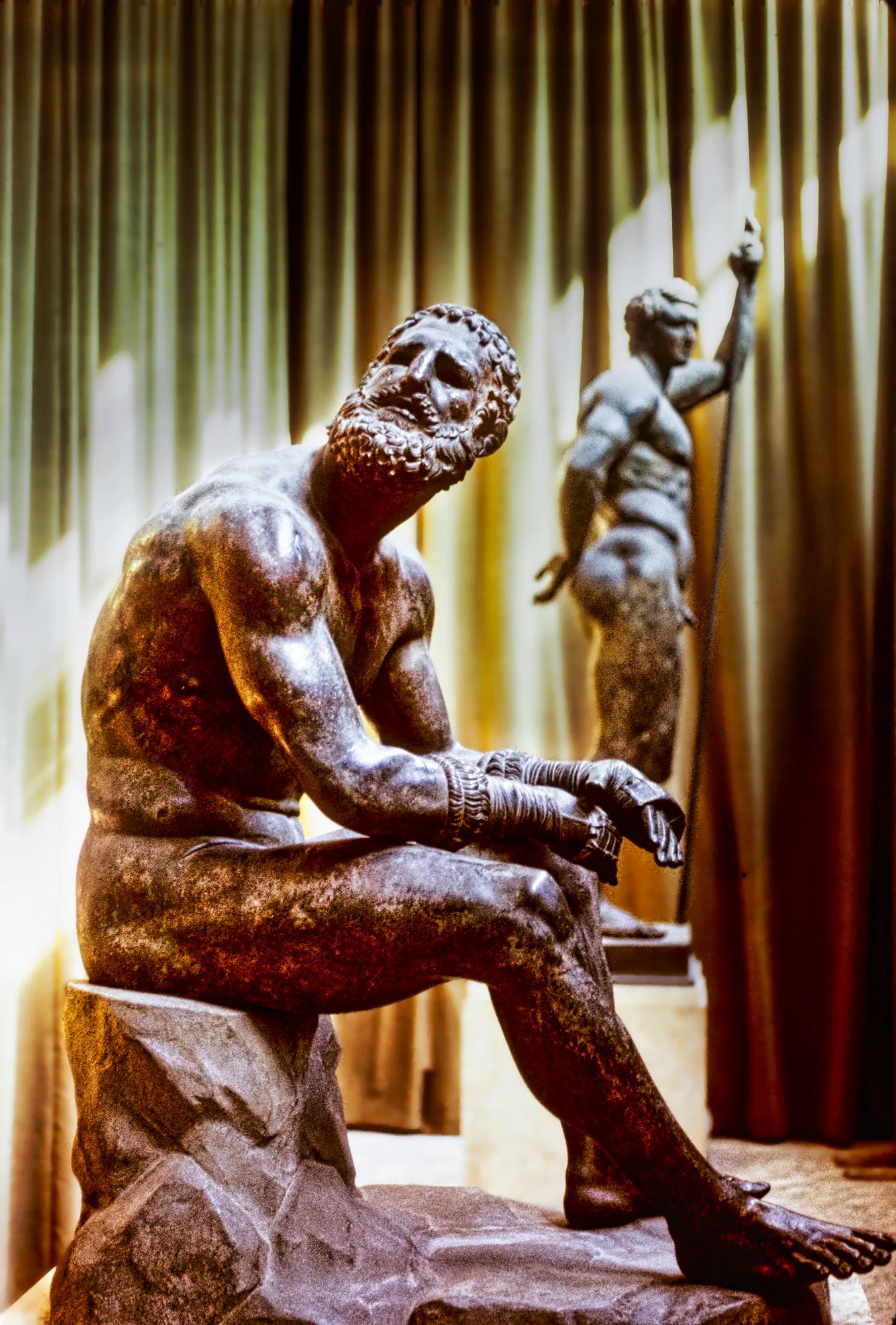
The Boxer at Rest is a Greek sculpture (unknown date but later than 330 BC). This captivating masterpiece depicts a boxer just after a match. It feels so real with bruises and cuts on his face. It may have been moved to Museo Nazionale Romano.
The Roman Empire
Another secret or fascinating fact is that Rome was founded by the Etruscans, not the Romans. They taught the Roman tribes all about religion and architecture, amongst other things.
The Roman Empire existed from 27 BC to 1453 for a total of 1480 years. What? 1453! You will have to read Amazing Rome – Ancient Hidden Gems Walk 3 to get the answer.
Why does any empire last so long? It always comes down to economics and technology. In terms of technology, I would say it was, in one word, engineering. Living in Rome, we could not help but feel the massive superiority that Ancient Rome once had.
Probably the two most important architectural forms used by the Romans were the arch and the vault ceiling. But the Romans should not get the credit. These constructs were invented by the Etruscans, another Proto-Indo-European tribe who originally ruled most of central Italy. The province of Tuscany was named after them. Guess who gave us Chianti wine? And the Latin character set? And sewer systems? The Romans conquered the Etruscans militarily but not culturally!
Roman Forum – Foro Romano
Head east to the entrance of the Roman Forum (G4.7) on Via dei Fori Imperiali (Street of the Imperial Forums – there is more than one). Go down the entrance path and turn onto the Via Sacra.
Basilica Aemilia
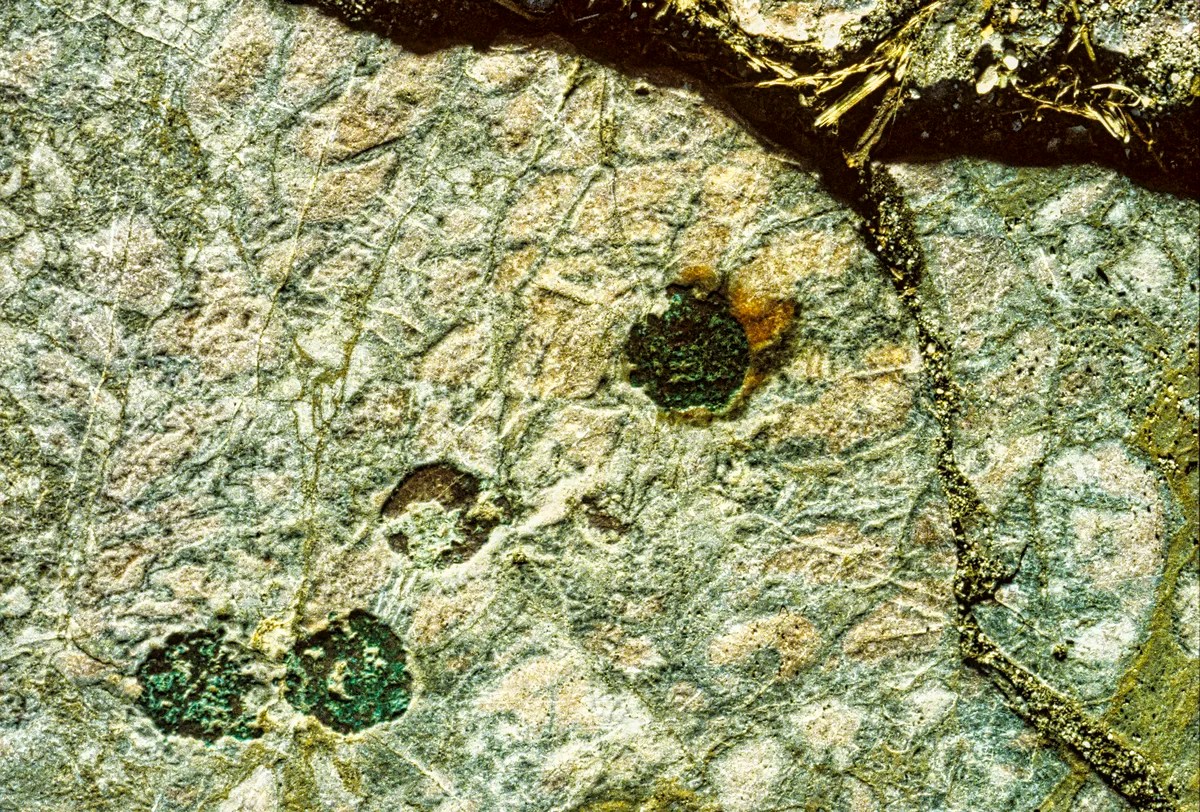
Here is another secret or fascinating fact hidden in plain sight amongst the most touristed sites. Aemilia (G4.6) was the second Basilica to have ever been built (179 BC). The extreme height of the nave kept the commercial building cool inside.
So, basilica architecture was Roman and was copied by all major churches. If you want to see what a basilica would look like, then you must visit the Basilica of San Paolo Fuori le Mura (Saint Paul outside the Walls), discussed in the Baroque Fountains to Ancient Temples Walk 2.
When Rome was sacked by the Goths in 410 CE, the Romans did not believe the world was falling. It was business as usual. So when the pillage began, the money changers fled, dropping their coins on the floor. The buildings were not burned – they are marble. But the vendor stalls did catch on fire, and it was so hot, it fused the copper coins into the floor! You can see the green stains all over, but in the photo above, we found some actual coins.
Temple of Vesta – Tempio di Vesta
Vesta is the goddess of the sacred fire. The worship of Vesta came from the Etruscans in Tuscany. Vesta is the origin of the Vestal Virgins in the Roman Forum.
The Vestal Virgins ensured that the eternal flame in the Temple of Vesta (G4.6) was never extinguished. It symbolized the perpetuity of the state. The temple was circular to represent the original huts of the early Romans as well as the original sacred hut.
Atrium Vestae – House of the Vestals
Vestals were recruited at 6 to 10 years old and lived a very austere life to preserve the sacred fire. They dressed in long white robes with purple-fringed white hoods with no personal adornments. They had to stay virgins until age 30. The penalty was being buried alive! But they were provided with a large dowry on departure.
The residence of the Vestal Virgins, Atrium Vestae (G4.7, 2nd century), may be the most evocative of the former splendour of the Roman Forum. Imagine a three story house surrounding an atrium filled with roses and a pool. Only six priestesses lived in this huge house with over 50 rooms.
The Vestal Virgins had great privileges and enormous influence. Everyone except the emperor had to make way for them in the streets. Wills were entrusted to them for safekeeping.
They could pardon criminals. But perhaps the most significant thing they did was to save Julius Caesar. When the dictator Sulla included a young Julius Caesar on his death list of political opponents, the Vestals granted Caesar a pardon. Imagine how different history would have been!
The Atrium Vestae was located next to the Regia, the office of the high priest or Pontifex Maximus of the Roman religion. But wait, isn’t that the title of the Pope? That’s just another example of co-opting the more widespread pagan beliefs into the embrace of Christianity.
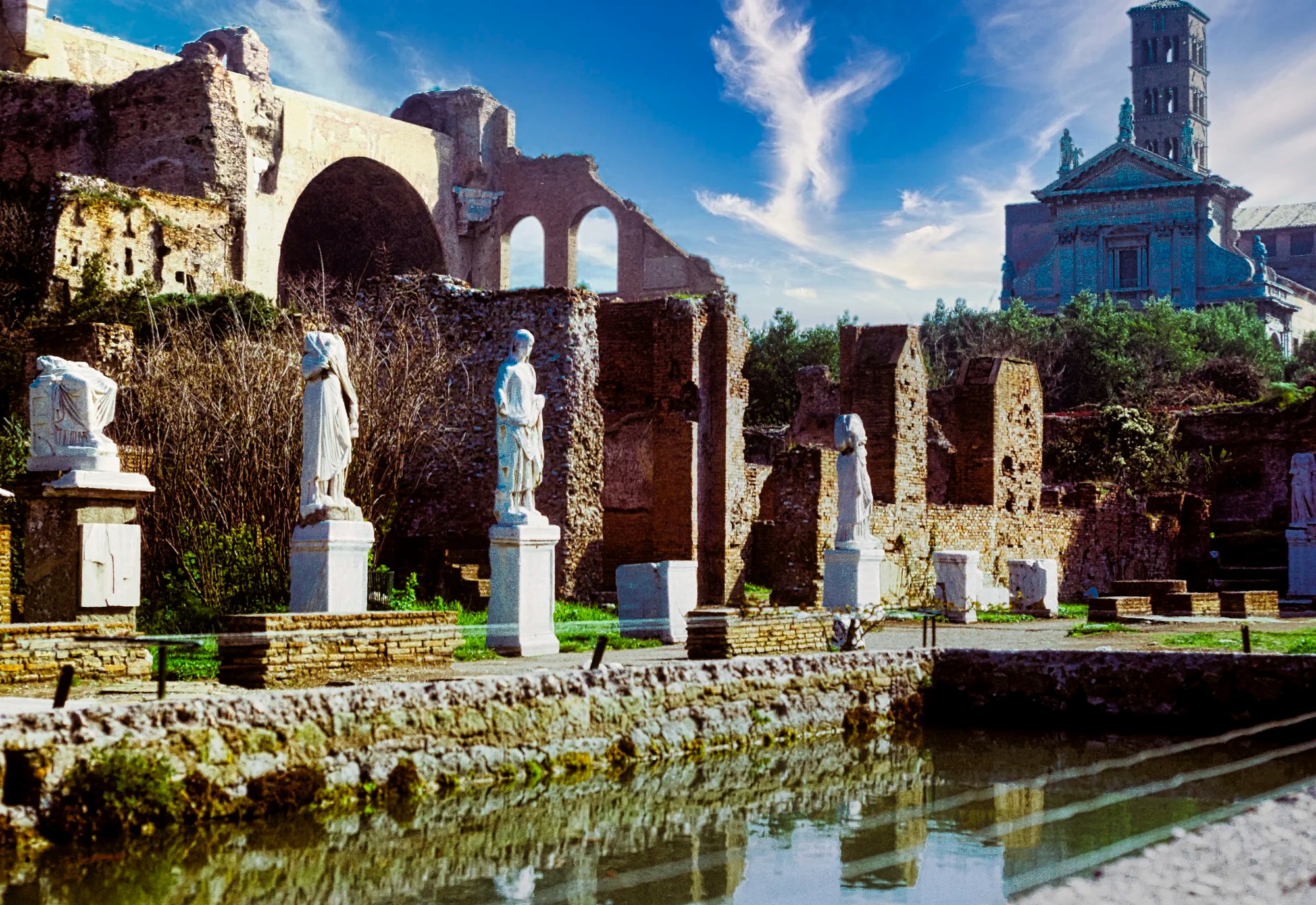
Here is another secret or fascinating fact. Around the atrium are statues of the Vestal Virgins. All of the statues were decapitated except one! Vestal Claudia converted to Christianity in 364 AD, and hers is the only statue still intact.
It is a misconception that the various sacks of Rome destroyed all the Forum buildings and statues. It was the Christians who took over and destroyed them because they believed these artifacts were pagan. The Forum was not just destroyed; it was a quarry. They used the stone to build new medieval buildings! The places that survived were the ones converted into Christian churches or monuments. What the Christians did not quarry, the earthquakes destroyed.
Arch of Septimius Severus – Arco di Settimio Severo
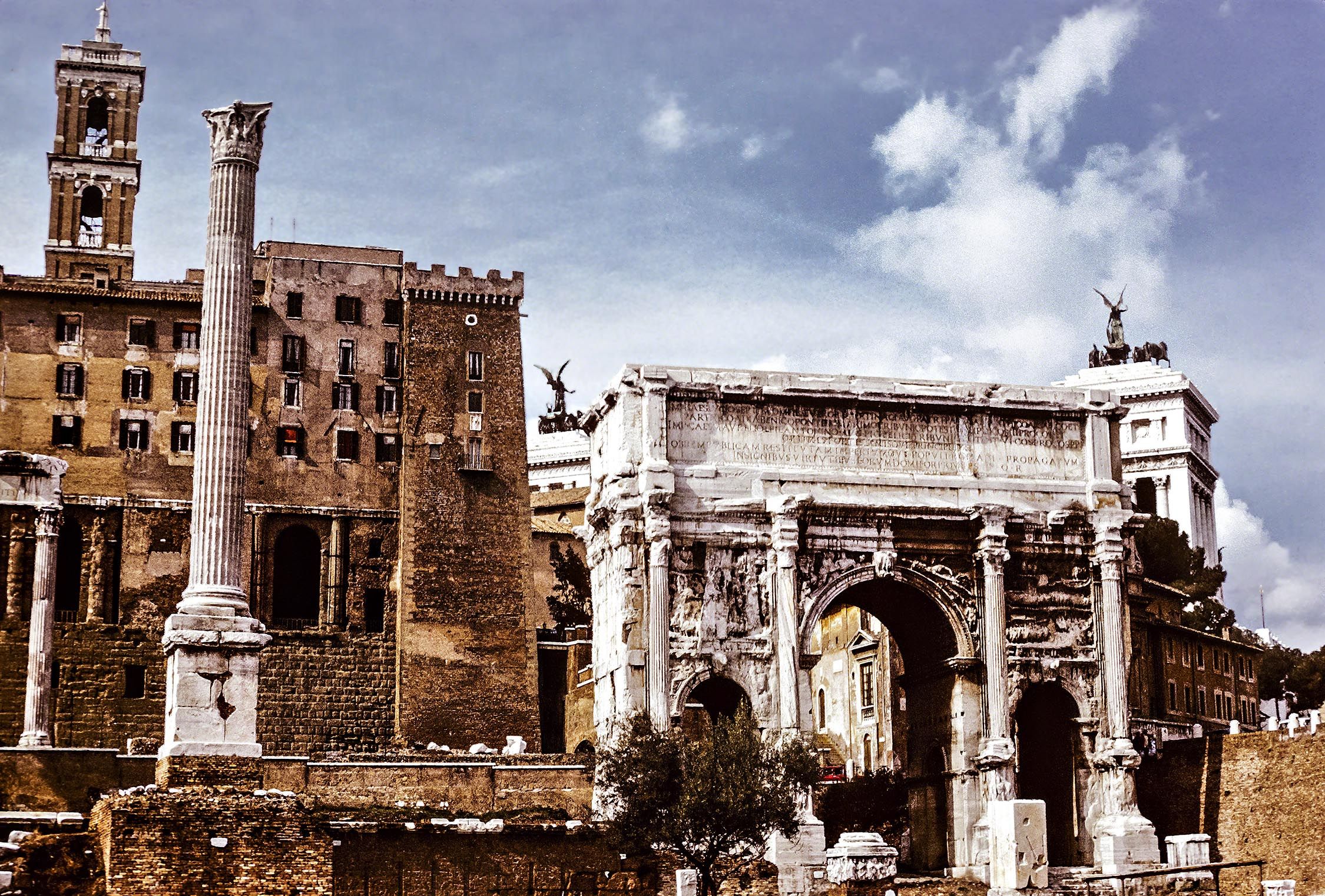
Walk northwest on the Via Sacra towards the Temple of Saturn and Capitoline Hill. The Arch of Septimius Severus (G4.8) was built in 203 CE to commemorate Severus’ victories over the Parthians (Iran-Iraq) ending 199 CE. The arch had two smaller arches on each side, a feature copied by modern arches.
The Column of Phocas (on left side of photo) was the last monument erected in the forum in AD 608. Phocas is the East Roman Emperor who recaptured most of central Italy from the Vandals. He is also the Emperor who gifted the Pantheon to the Pope to ensure it was preserved.
Arch of Titus – Arco di Tito
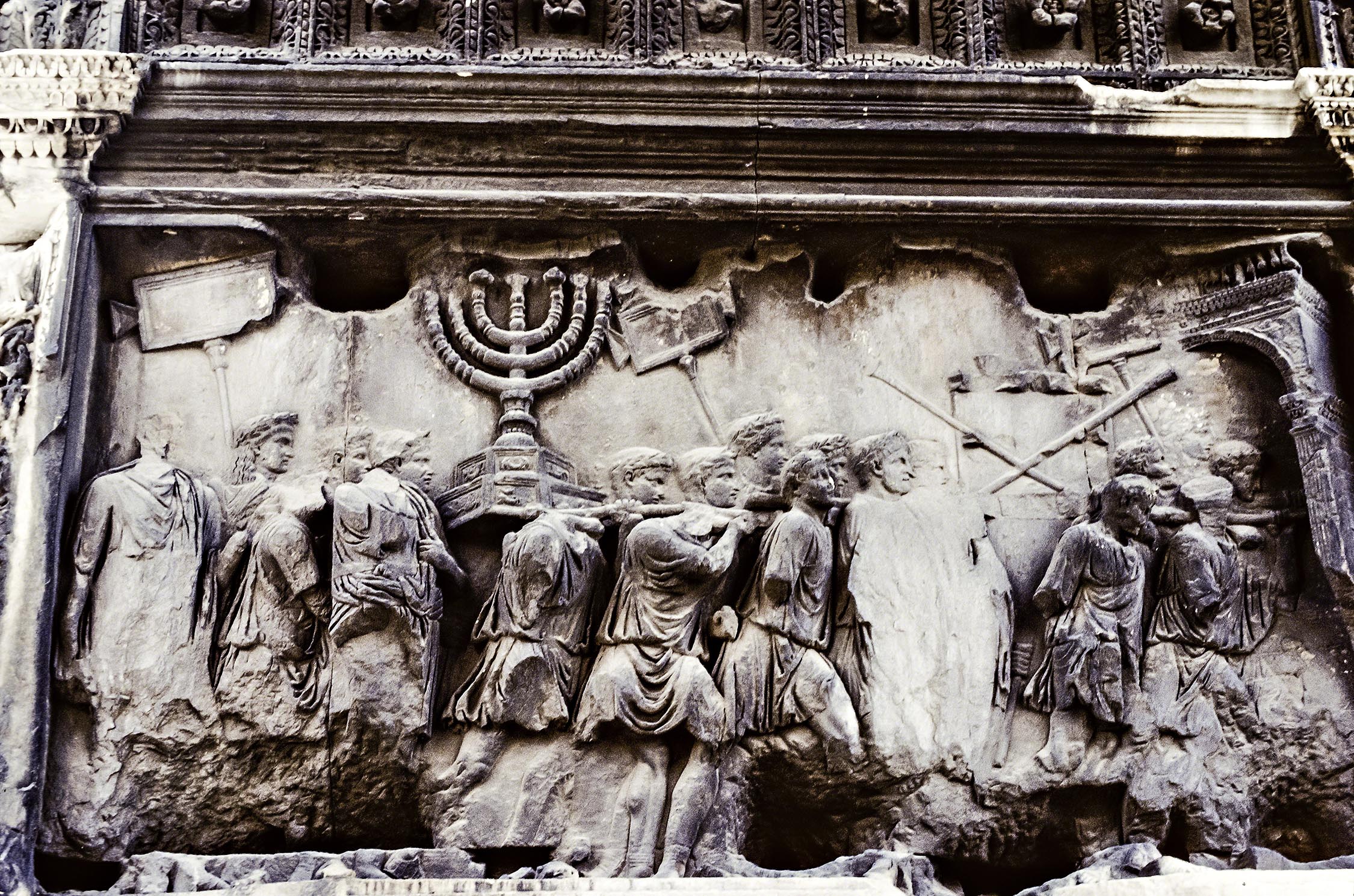
Walk south on the Via Sacra towards the Colosseum. The Arch of Titus (G4.7) was constructed by Emperor Diocletian in 82 CE to commemorate Titus’ victories in the siege of Jerusalem in 70 CE. Note the seven-branched menorah on the inside of the arch. It is the model for the emblem of the state of Israel.
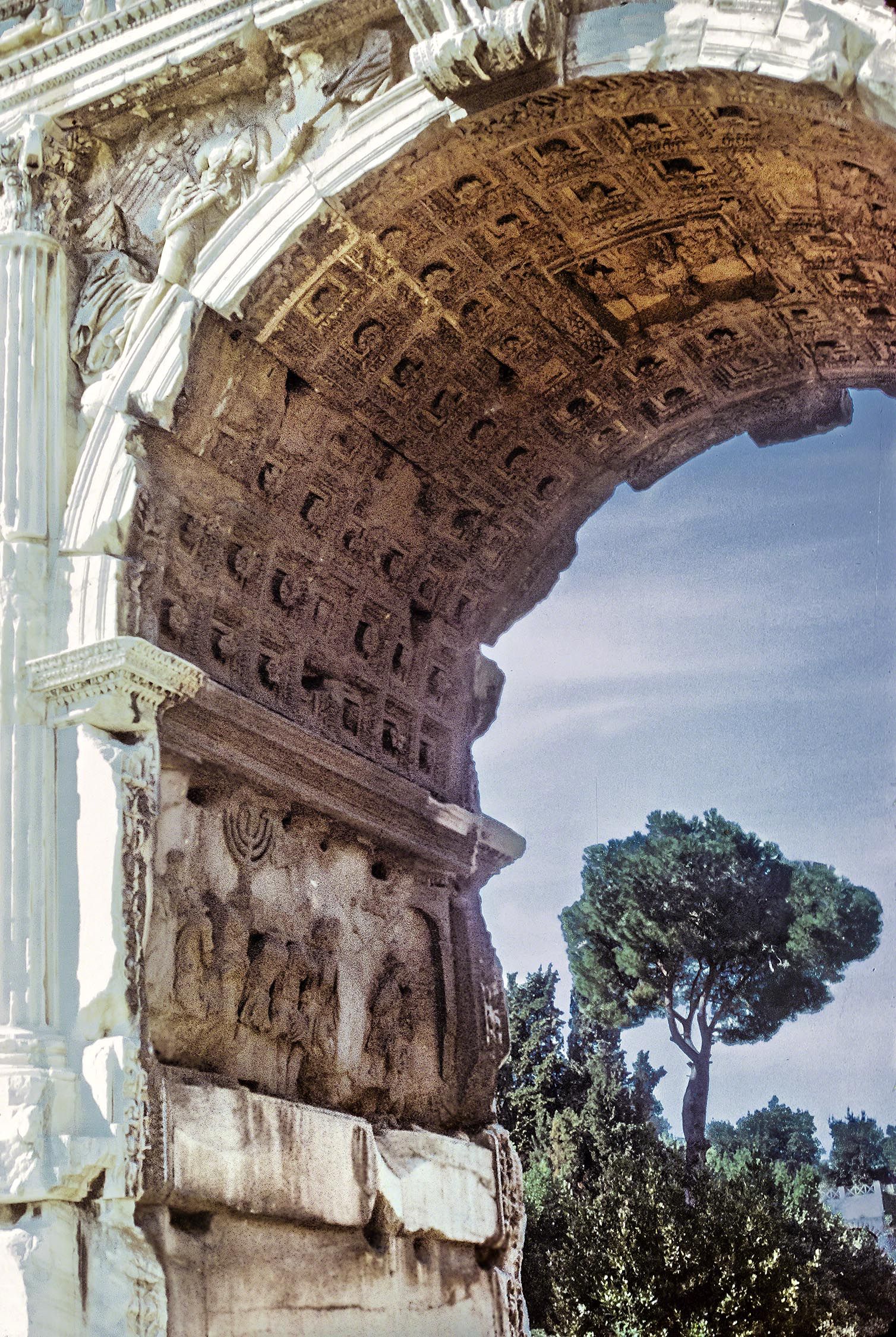
Here is another secret or fascinating fact. The arch was one of the most important elements of Roman engineering and architecture. It enables tall buildings, aqueducts and bridges. But the arch was NOT invented by the Romans. The Etruscans originated the triumphal arch and the concept of marching victorious armies through them.
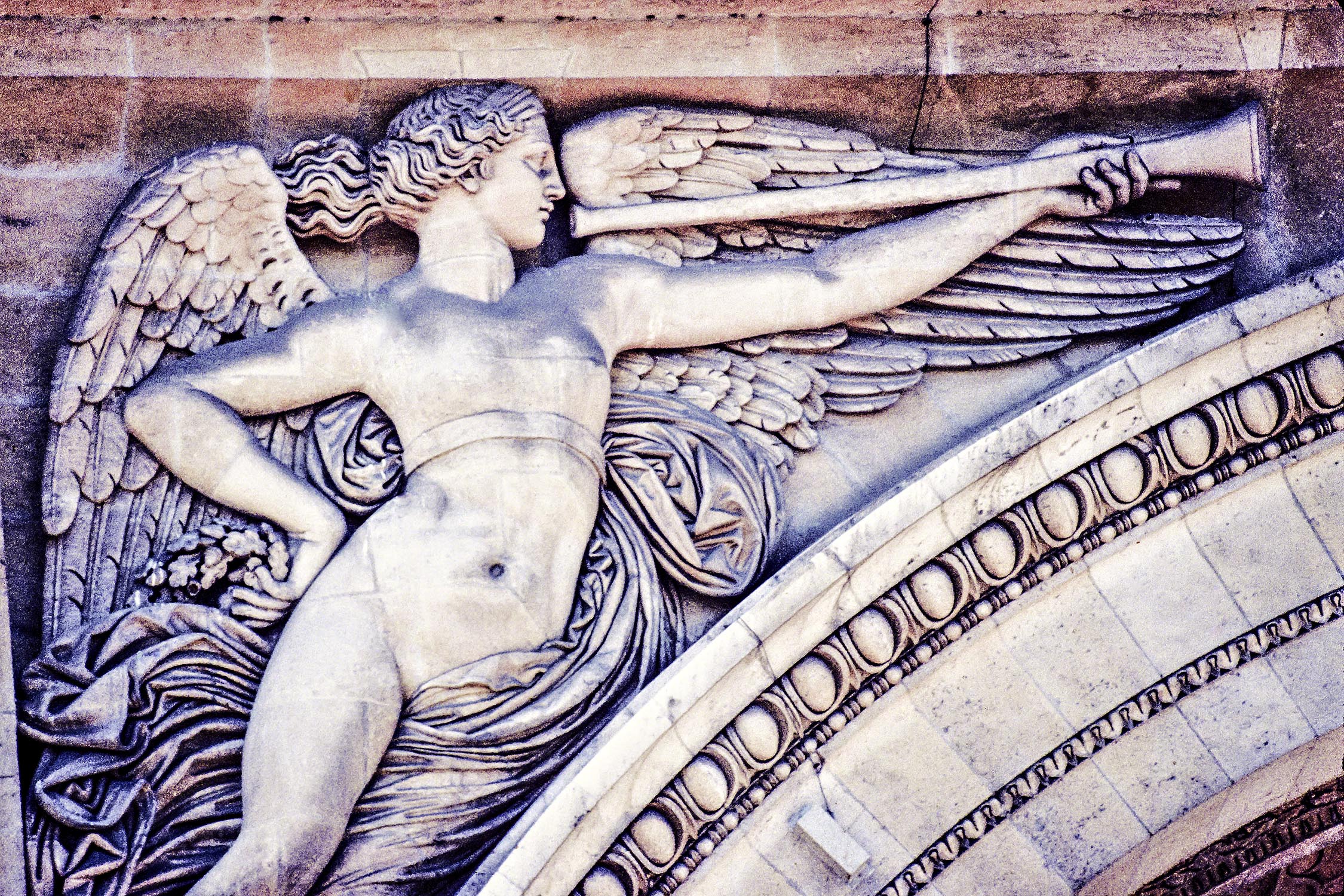
The Roman triumphal arch was the inspiration for Arc de Triomphe (1836) in Paris, India Gate in Delhi and even the background design of Trevi Fountain in Rome. It was also symbolic when the Nazis marched their troops through the Arc de Triomphe when they occupied Paris. Note the spandrels in the upper corner of the front side of the arch. The same female Winged Victories can be found in Ancient Rome, the Arc de Triomphe or this arch above in Southern France.
Palatine Hill – Collino del Palatino
If you are not templed out by now, head south from the Arch of Titus up to Palatine Hill (G4.7). This massive area where the emperors lived will overwhelm you: it is the origin of the English word palace. Unless you have a good guidebook, all these ruins will end up in a blur.
Palazzo dei Flavi – Domus Flavia
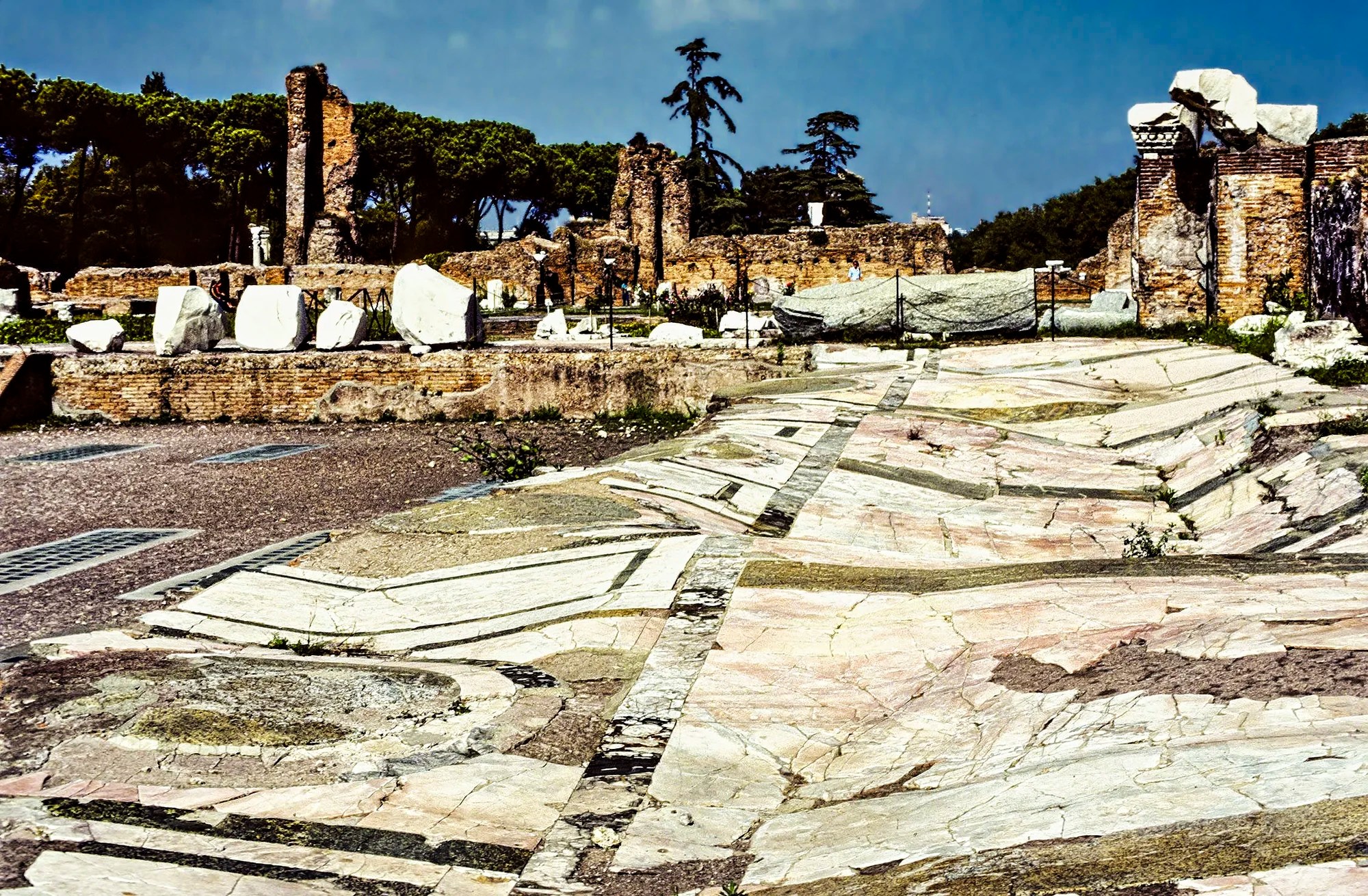
The one place to get a flavour of this vast area is the Palazzo (palace) dei Flavi (G4.6) above. It is the only part of Palatine Hill that retains any evidence of the original splendour. Palazzo Flavia was Domitian’s palace, built between 81 and 96 CE.
This architecture was based around a Roman peristyle, a colonnaded inner courtyard with a fountain. The triclinium with uneven marble floors is the most evocative place of the splendour of the Palatine Hill. Great banquets were held here and guests ate only with their fingers and spoons.
The meal began around two PM and ended at sunset. The guests reclined on couches in threes or triclinia. At first only men ate here, until later in the Empire. Apart from exotic entrees like peacock’s brains, the meal was very similar to today’s cuisine. In the background was a fountain in the centre of an elaborate octagonal brickwork. Song birds provided dinner music.
Orti Farnesiani
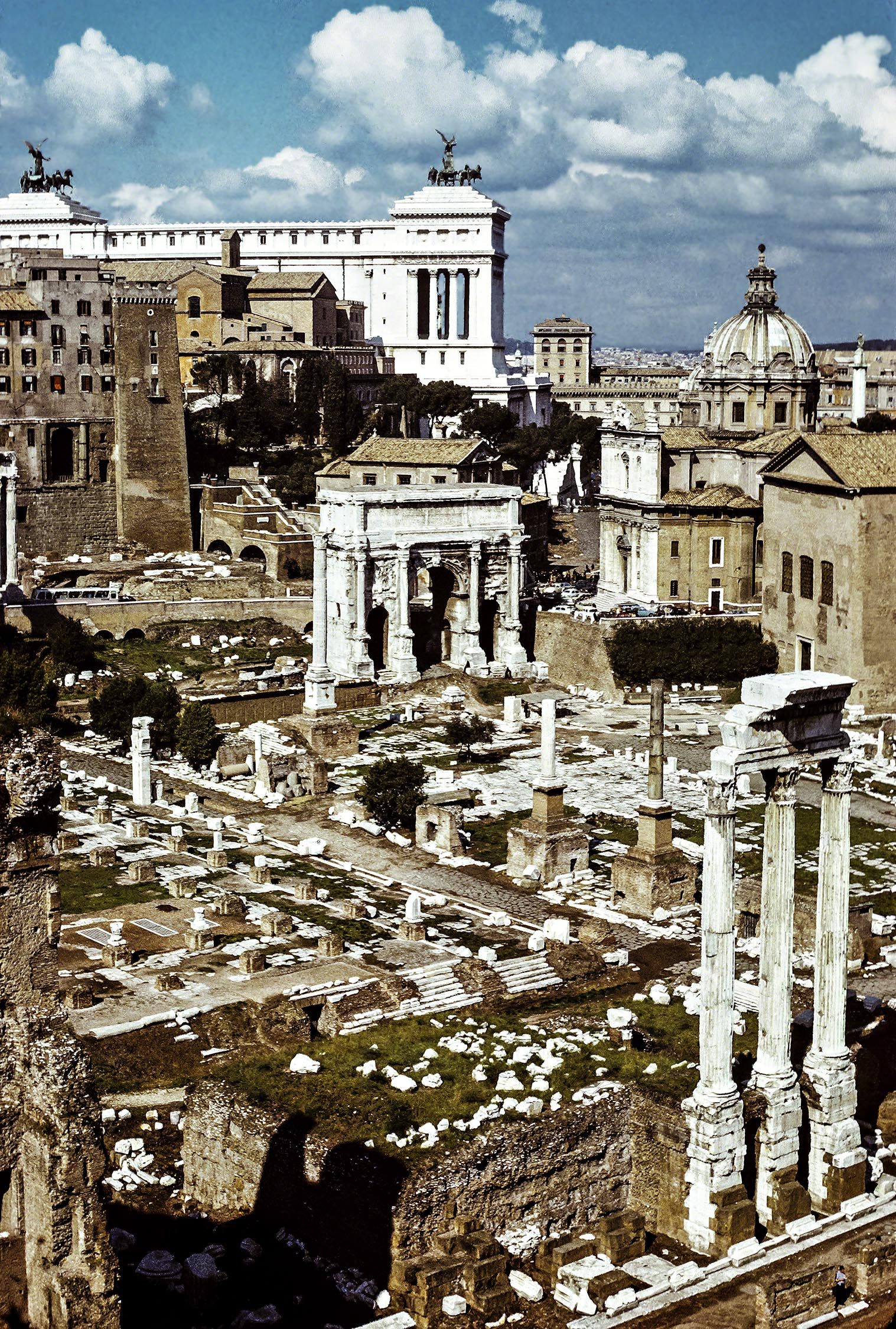
Here is another secret or fascinating fact. Head to the Renaissance gardens, Orti Farnesiani (G4.8), where you can have lunch with the iconic view of the Forum in the photo above. Further to the east, you can see the Colosseum. Notice how the street level of Ancient Rome is about 6 m (20 ft) below the roads of today! That is due to detritus over the centuries, as explained in the post Baroque Fountains to Ancient Temples Walk 2.
Basilica di Massenzio
In 235 CE, there were 35 years of civil war. In 293 CE, Diocletian split the Roman Empire into four pieces or a Tetrarchy of four co-emperors, to bring political stability. Constantine ruled Britannia, Gaul and Spain. He defeated Maxentius at the Battle of Milvian Bridge in 312 CE to take over all of the Western Roman Empire.

The Basilica of Maxentius and Constantine (Basilica di Massenzio G4.7) was started by Maxentius but completed in 312 CE by Constantine.
There is not much to see other than the immensity of this ruin. It was probably destroyed by the earthquake of 847 CE. This Basilica was the largest building in the Forum and the last Roman basilica to be built.
A basilica is an Ancient Roman architectural form consisting of a double colonnade and three aisles. Only the north aisle remains, which means the building was three times the width of today’s ruins! Constantine converted to Christianity during the battle. As it was not associated with pagan temple design, Constantine chose the basilica form for major churches; i.e. now called basilica.
Arch of Constantine – Arco di Constantino

Contrary to some sources, the Arch of Constantine (G4.7) does not represent the start of the Christian Rome era. The arch built in 315 CE contains pagan gods and symbolism. There are no Christian symbols. Christianity was embedded in the Roman Empire when the capital was moved to Constantinople.
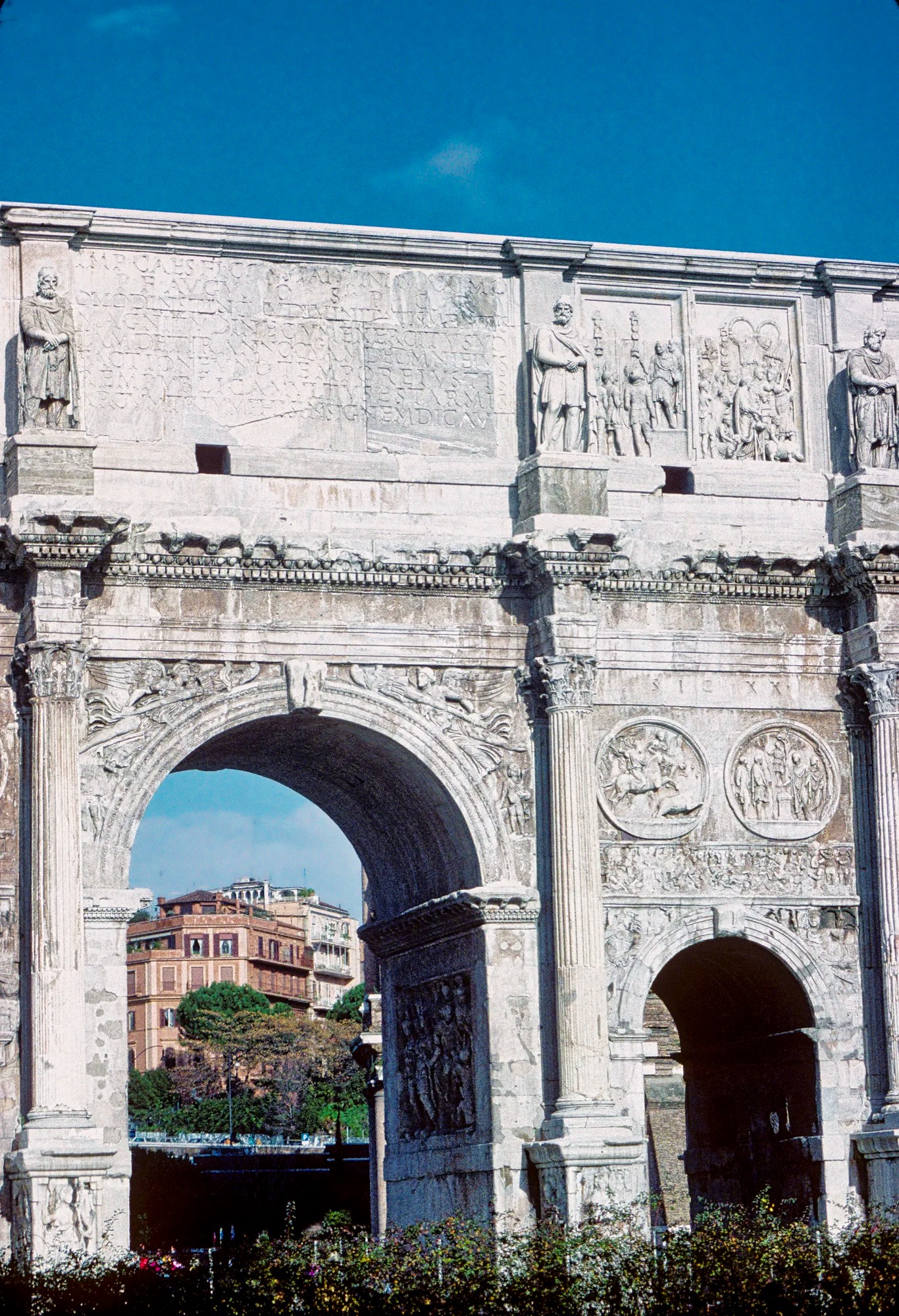
Like all other triumphal arches, it serves as propaganda, celebrating the victory of Constantine over co-regent Maxentius. As a symbol of the decay of Rome, the arch has a lot of bas-reliefs from other monuments built by Trajan, Hadrian and Aurelius. The eight Corinthian columns came from a Flavian monument.
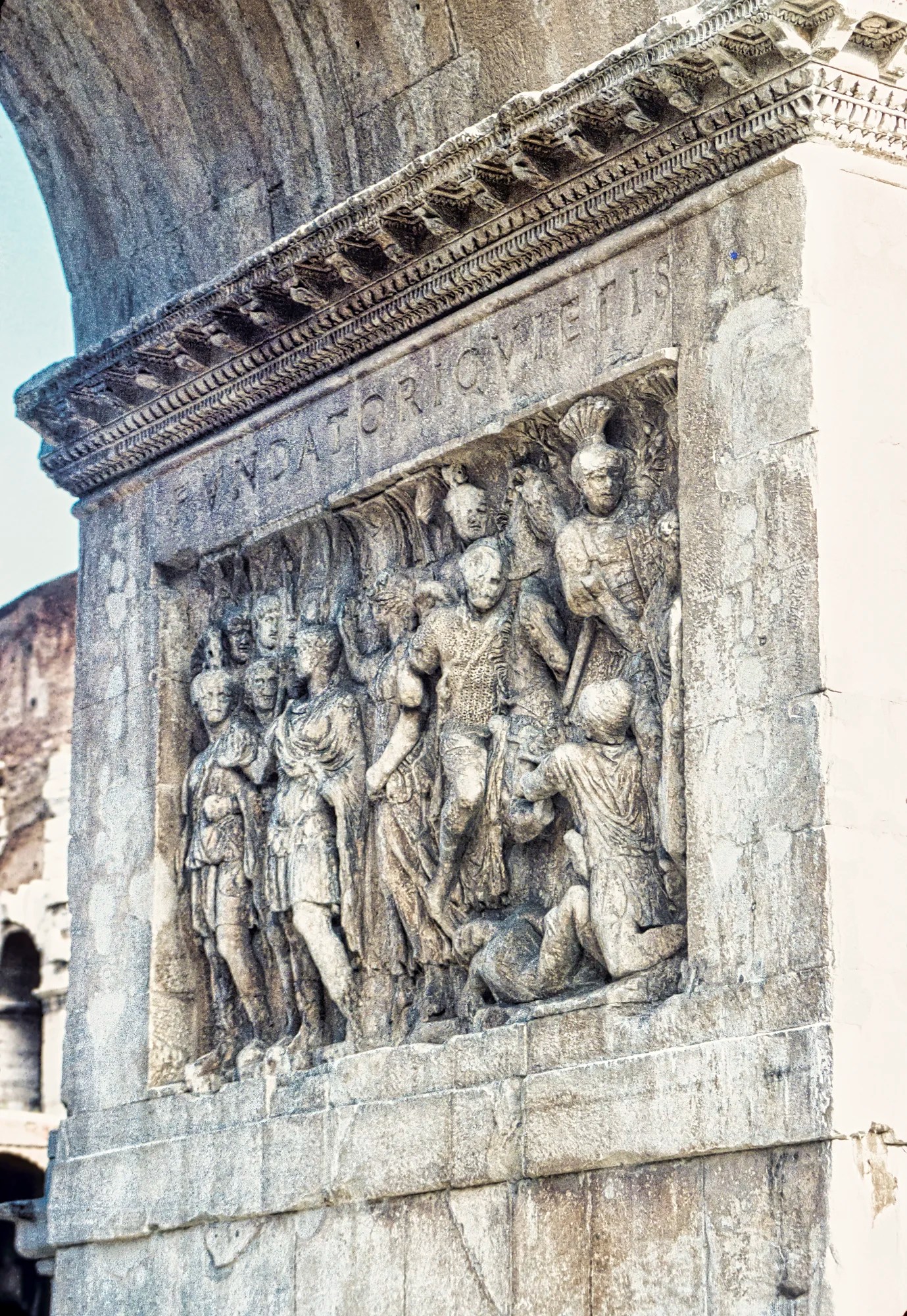
Constantine took over Eastern Rome to become the sole Emperor of the Roman Empire in 324 CE.
Colosseum – Colosseo
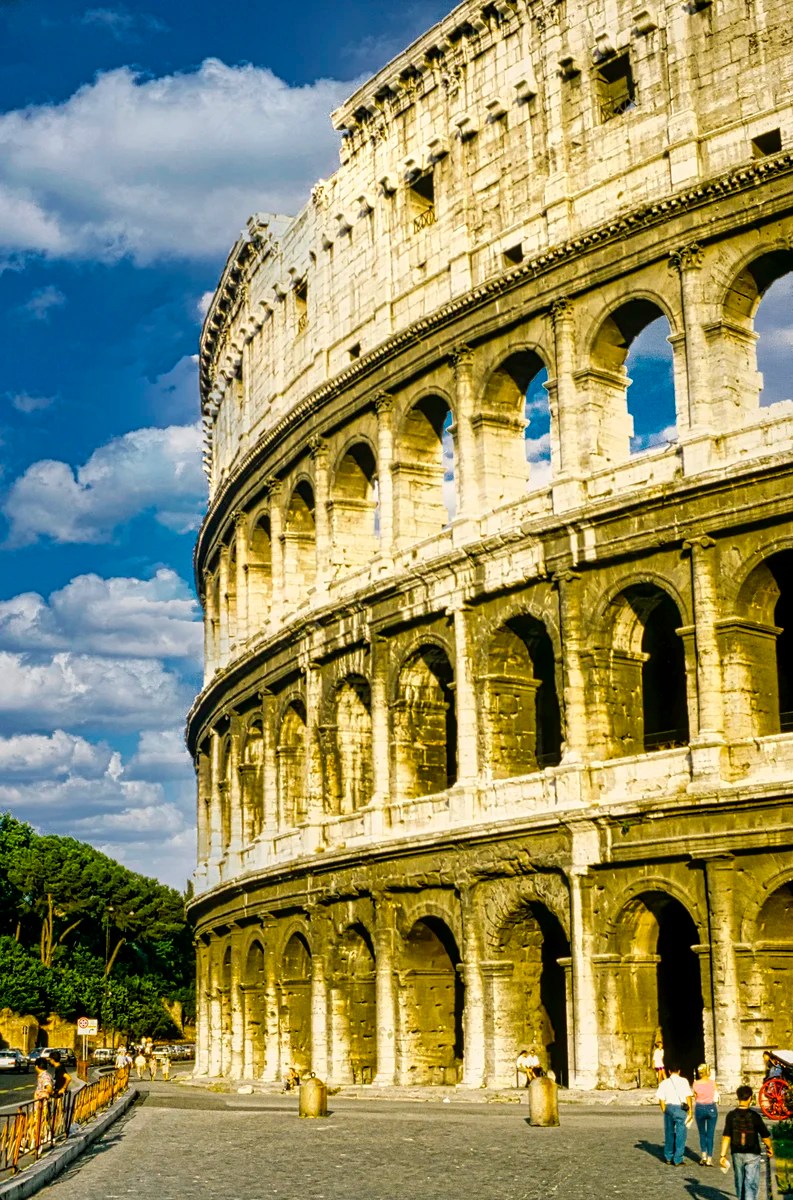
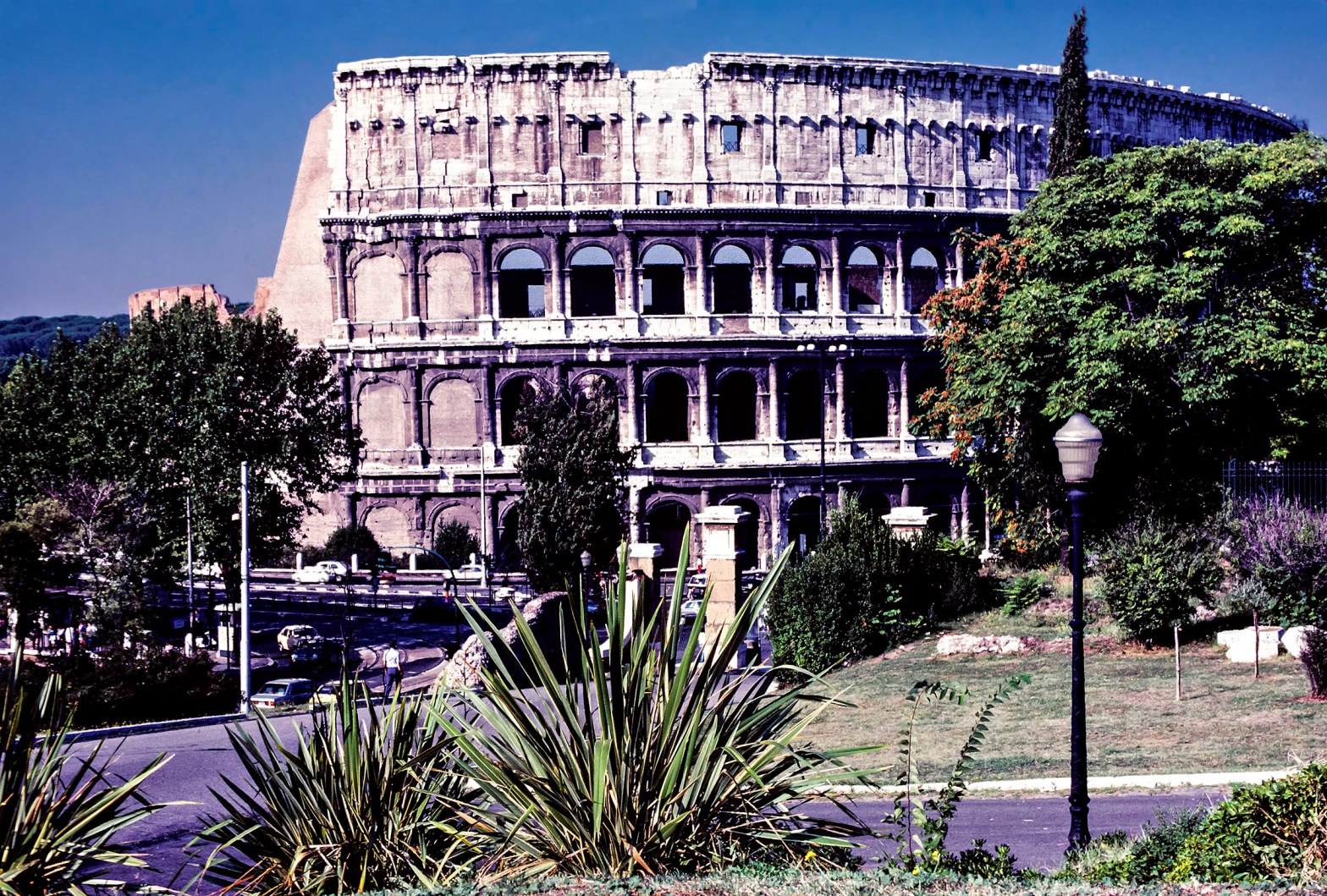
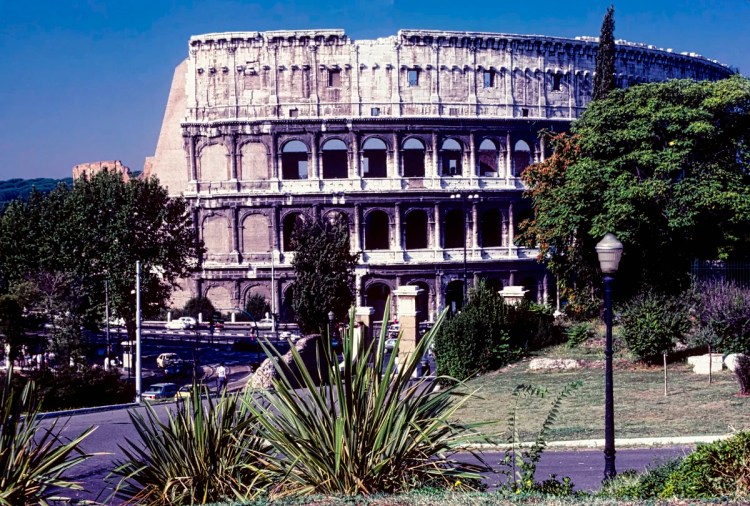
The Colosseum (G4.7) is built of rows and rows of arches. Invented by the Etruscans, the arch is the best form to support heavy stone blocks while the openings also reducing the weight of the walls.
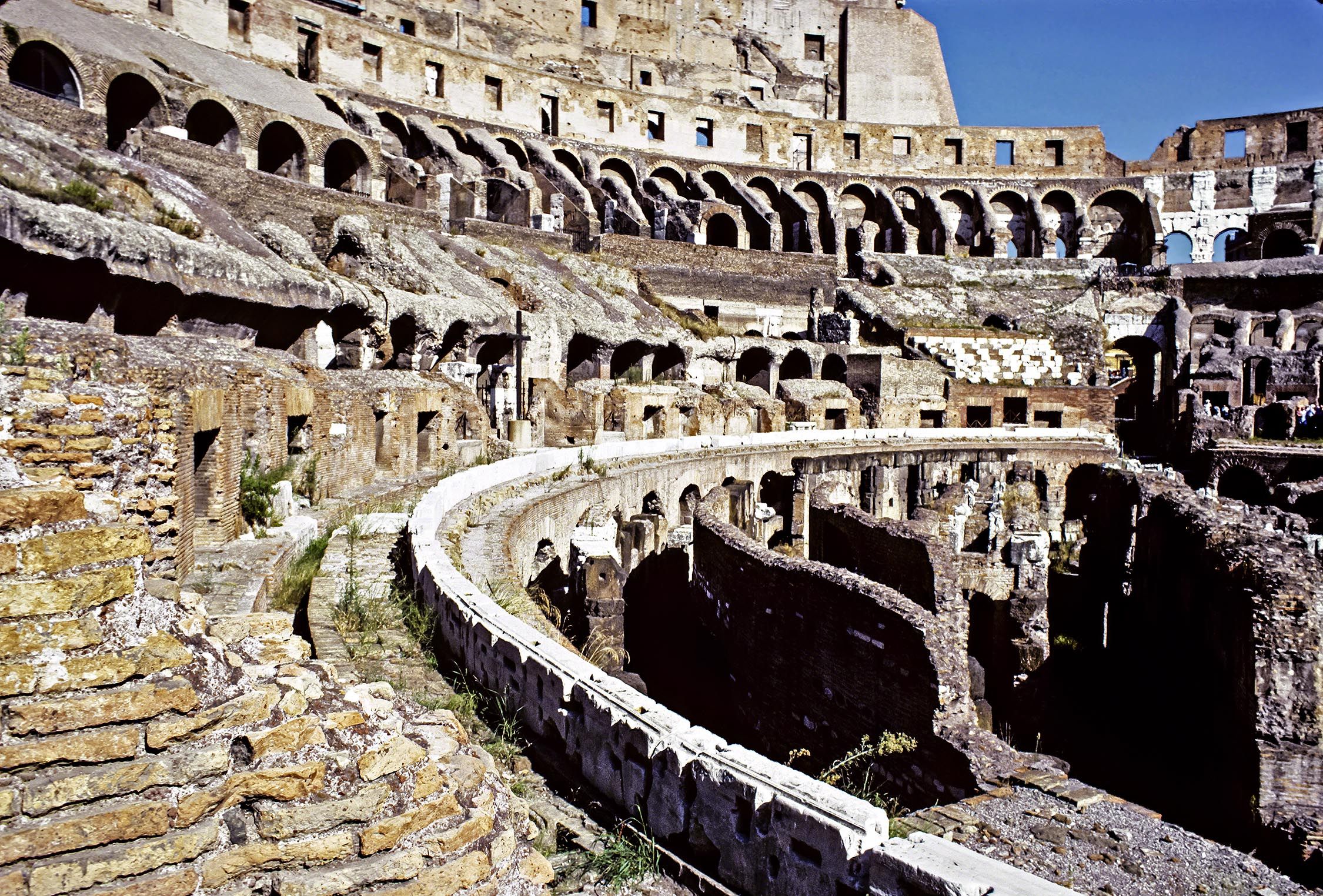
Nero purposely burned a part of Rome to build his Domus Aurea (Golden House) and gardens. When the Flavian emperors took over, they decided to give some of the land back to the people. Its actual name in Roman times was the Flavian Amphitheatre. Here are many unbelievable secrets or fascinating facts:
- Built on marshy grounds where a lake was drained in the gardens of Nero’s Domus Aurea (Golden House). Draining a lake itself would be a difficult feat.
- Seated 50,000 fanaticus (Latin for mad, enthusiastic), the origin of our word fanatics − shortened to fans as we call them today. This was one of the largest amphitheatres until modern times!
- Designed to let the unruly fans exit quickly after the event. The architects used vomitoria.
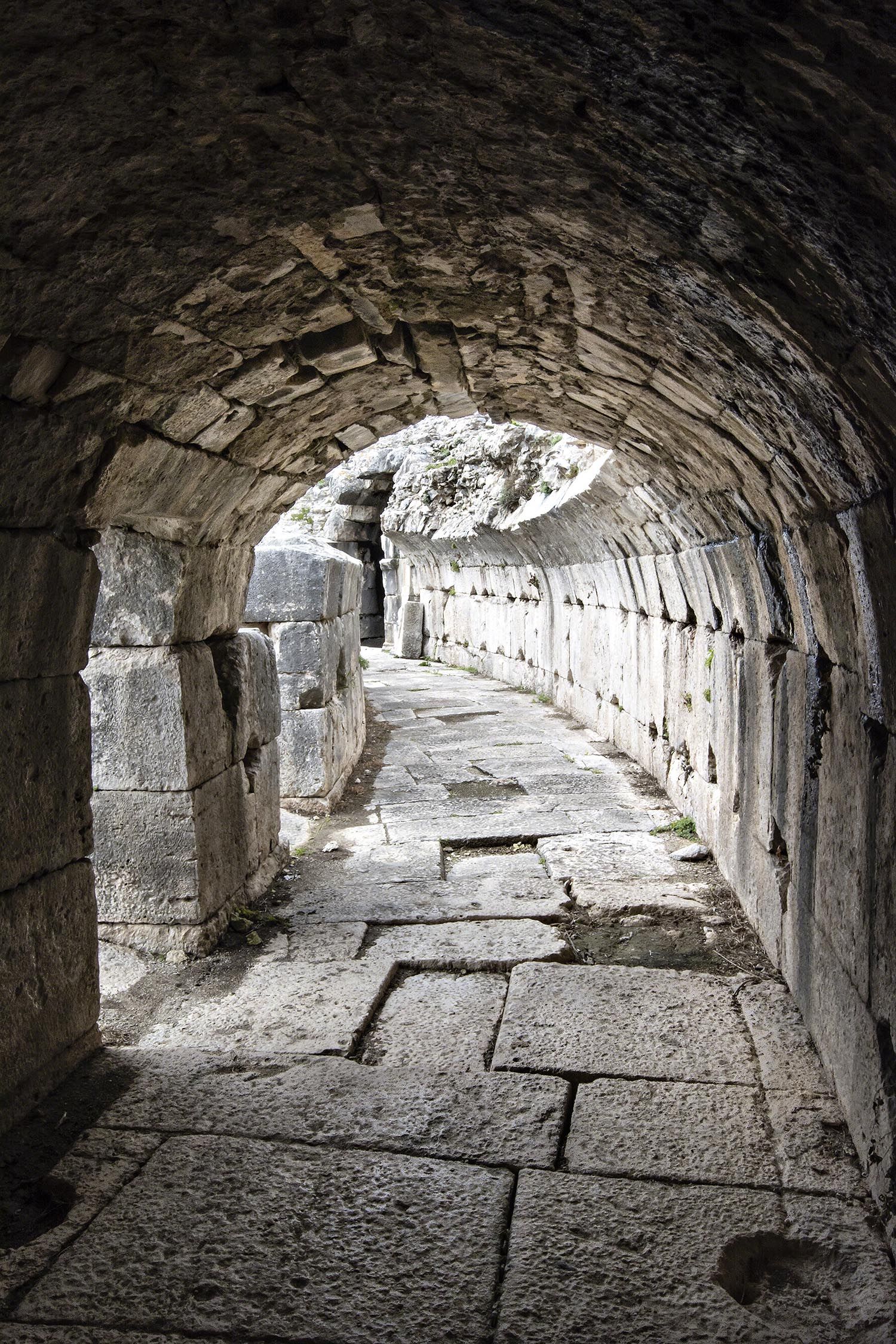
Is the Vomitorium for throwing up? No! The Latin word vomitorium is derived from the verb “to spew forth,” from which comes the English word vomit. The vomitorium is the oval passages situated underneath each tier of seats. All our modern stadiums are built on this design! Note that the photo above is from the Roman theatre in Miletus, Turkey.
- Was a covered stadium! OK, it was not a roof but rather sail canvas that was unfurled to protect fans from the sun. The corbels on the building held masts for the sail canvas.
- It could be flooded to hold naval battles!
- Built without mortar or cement: instead iron clamps were used between the marble blocks. The pock marks are where Romans removed clamps to reuse.
- It was named the Colosseum because of the statue that was moved to stand nearby, the 30 m (100 ft) tall Colossus of Nero (talk about narcissism).
- The citizens of Rome generally did not work. The society was based on slavery and colonies. The ruling class used the violent games to occupy and distract the people.
The Colosseum was severely damaged by earthquakes in the 13th and 14th centuries that brought down part of the outer wall. It was then used as a quarry for Renaissance palaces and churches until the Pope declared it a monument to Christian martyrs in 1749.
Domus Aurea
The Domus Aurea (G4.6) or Golden House was built by Nero after he purposely burnt down part of Rome. Even if you don’t have time or stamina to see it on this very busy day, you should climb up the Park of Colle (hill) Oppio. From here, you can get far enough away to get a good view of the colossal Colosseum.
Ostia Antica
Here is another secret if not a hidden gem. There were very few tourists compared to Pompeii. It is highly unlikely that you can fit in any more things into day one of your exploration of Ancient Rome.
If you did not finish this Secrets of Ancient Rome Walk 1 and/or have an extra day, you can take a trip to see Ostia Antica (G4.7), the ruins of the port of Rome.
Ostia Antica is now an archaeological park (open Tue-Sun 08:30 – 19:00 in summer, costs €19). It is reachable by the Rome Metro from the Pyramide, EUR Magliana, or San Paolo stations.
This park provides a much better insight into Ancient Rome than the ruins of the Forum. It would also be a faster alternative than travelling to Pompeii to see what an Ancient Roman city looked like.
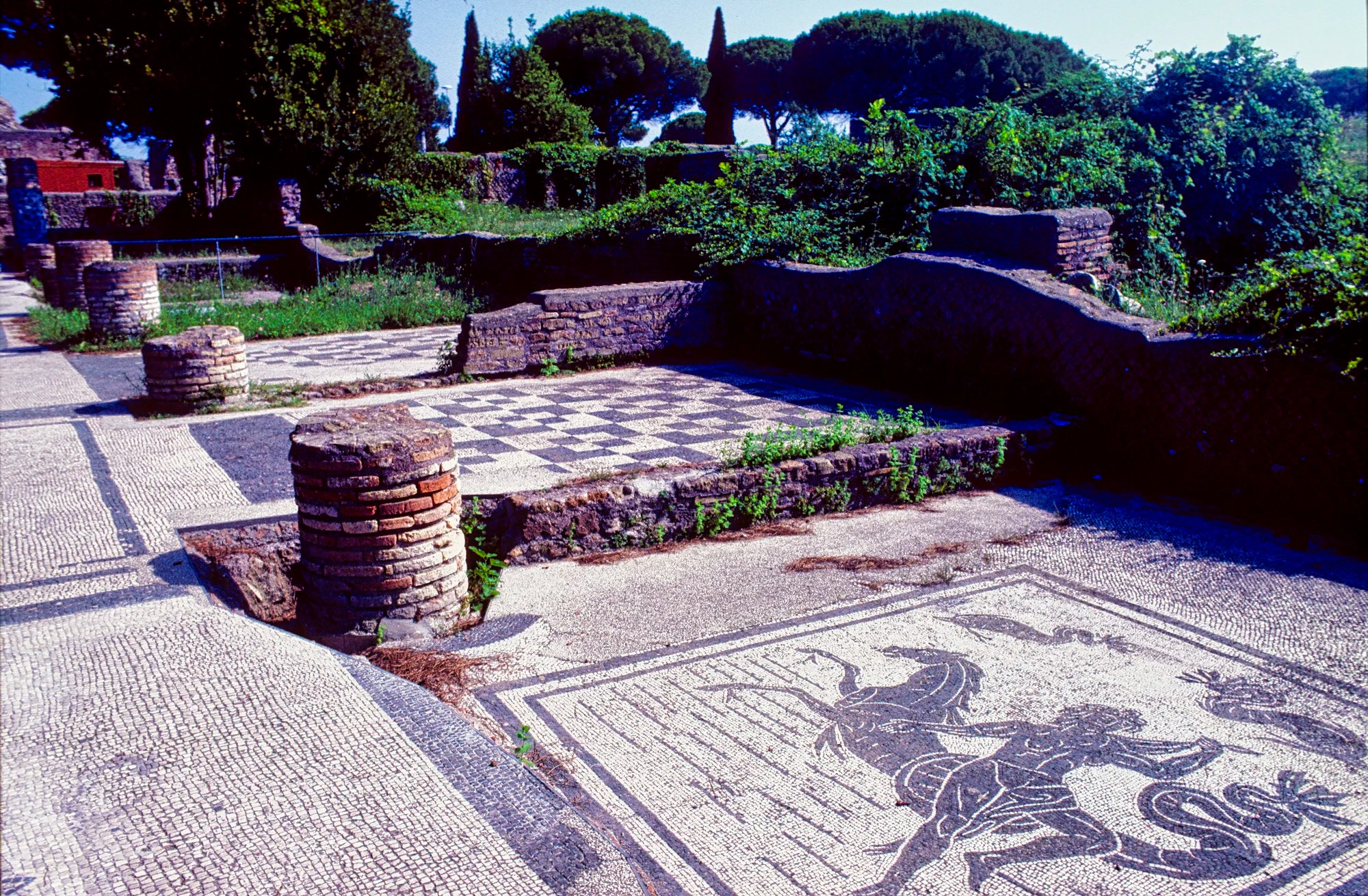
Ostia was founded by the Etruscans and became the port of Rome. By the end of the 2nd century CE, it had approximately 50,000 people.
At the archaeological site, you can see many beautiful mosaic floors, frescoes, and remnants of walls. Poseidon, the god of the sea, is the subject of many of the mosaics. You will need a guidebook to better appreciate what you are seeing.
Where to Eat and Drink
Campo Fiore Pizza
Roman pizza has a thin crust and is very different than ours, which originated in Naples. One of our favourite places is on the north side of Campo Fiore where you buy it by the piece. Be sure to have the unusual types like broccoli flowers.
What Should You Read about Rome?
The Companion Guide to Rome, Georgina Masson, Collins – is too in-depth for tourists. But it is great for expats and budding archaeologists and art historians living in Rome. It was the key book we used for studying art, architecture, and history.
Eyewitness Rome, Dorling-Kindersley – has brief information but often some gems about major sights. Their real crown jewels are their “Street by Street” pages, where they detail the sights on their attractive 3-D map of a neighbourhood.
History of Art, H. W. Janson, Prentice Hall – is for learning about art and architecture. It is not for lugging around on your trip. It weighs about 20 kg – OK, would you believe 2.6 kg (5.7 lbs)?
Rome Past and Present, Vision Publications – is one of the excellent tourist guide books on sale by vendors throughout Rome. What is unique about this spiral bound book are the reconstructed drawings on cellulose of the ancient monument or temple to help you imagine what the ruins used to look like.
Final Comments
Rome is over-touristed. But we hope you have learned that these are the best places to experience quintessential Italy. We trust you now understand why the places are significant and how they have had such a great influence on the history and culture of the world.
Subscribe
Please subscribe to Terra Encounters because we offer valuable insights to improve your understanding and enhance your travels. We offer itinerary-based guides packed with the best sights and hidden gems. Let our knowledge help you fully appreciate every moment of your amazing journey.
Get travel tips and advice delivered directly to your inbox. The best part is that it is free.
This was only a taste of Rome. What questions do you have? If you have been to Rome, share your experiences with us. How long is/was your trip?
Itinerary Map & Resources
Roman Itineraries Map — our custom Google Map
Central to Northern Italy Itinerary — our custom Google Map
Google Maps Ratings
Google Maps provides a rating from 0 to 5 for all sights, hotels and restaurants (but not cities). All of our recommendations are appended with the rating (prefixed with a G) from Google Maps. As it is based on feedback from tourists and locals, it is much more reliable than travel booking websites. We consider a score of 4 to 4.39 to be Very Good; 4.4 to 5 to be Excellent.
Rome’s Top 8 Self-Guided Walks
Here are eight itineraries to explore Rome in more detail:
Understanding Italy
The Italy FAQ post answers questions such as:
- When should I go?
- What is the best season for travel?
- Where should I go?
- Can I see everything in a week?
- How much time do I need for Italy?
- How much cash should you take to Italy?
- Should I pay in Euros or my own currency?
- How safe is Italy?
- Should I rent a car? Take a Taxi?
 Terra Encounters
Leave a reply to Steve Cancel reply