
From Tropics to Deserts
After two years of travelling in tropical Asia-Pacific, our Round The World (RTW) trip took us to an amazing couple of months in the deserts and oases of Ancient Egypt and Israel. From Egypt we took the ferry to Haifa and buses to Jerusalem and a side trip from Jericho to Sinai. The places we describe in our blog can be seen in our Israel-Palestine Map.
Author & Photographer: George Mitchell
Our recommendations are not influenced by affiliate links – we have none. Our content and advice is derived from our personal expertise, experience, and knowledge based on travelling and living 23 years around the world.
Jericho
Jericho, located in Palestine, is only 25.6 km east of Jerusalem. It is one of the oldest cities in the world, dating to ca. 9600 BC. Unfortunately, the ancient walls were brought down by the Israelites led by Joshua.
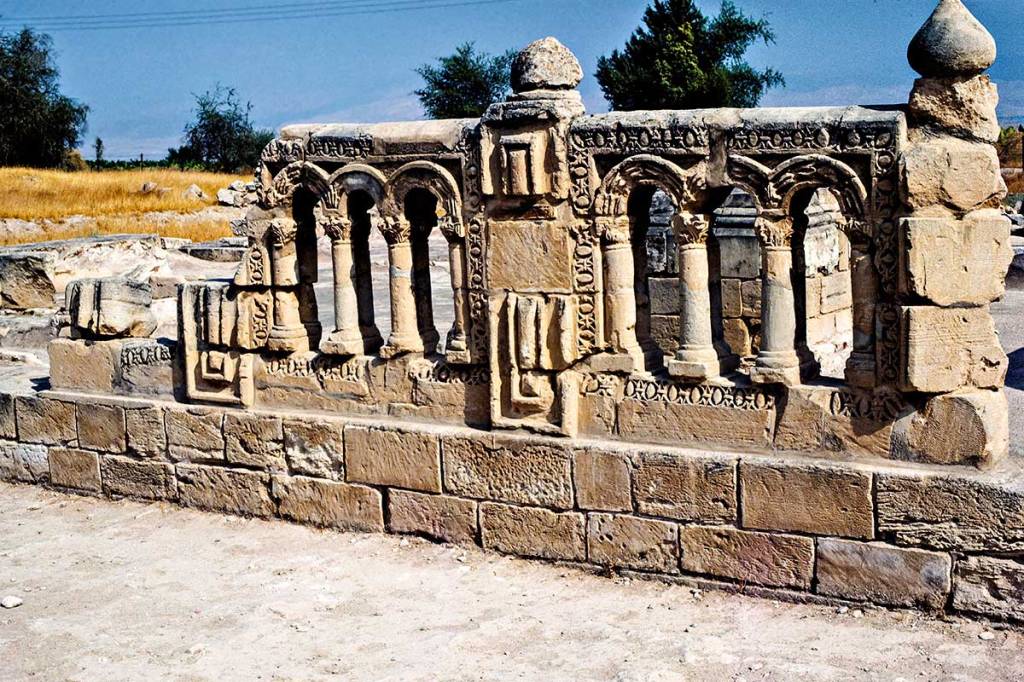
Hisham’s Palace was the most interesting place to see, although there are only remnants of its former glory. The decorative, arched wall of the Ornamental Pool was a taste of what it once looked like. The palace dates back to the later half of the Umayyad Dynasty (661-750 CE). The Umayyad Caliphate conquered all of the Middle East, Northern Africa as well as southern Spain. They built the spectacular Dome of the Rock described in the next post, Jewels of Jerusalem.
The Umayyad capital was Damascus until 744 when the Abbasids defeated them. The Abbasids promised amnesty to the Umayyad family. They invited them to a pardon ceremony then killed them all. Never trust your enemy!
One grandson of Hisham escaped and ruled in exile in beautiful Córdoba, Spain. We can thank him for most of the magnificent sights in Southern Spain. This was an enlightened kingdom since they allowed and protected non-Moslems such as Jews, Christians and Zoroastrians.
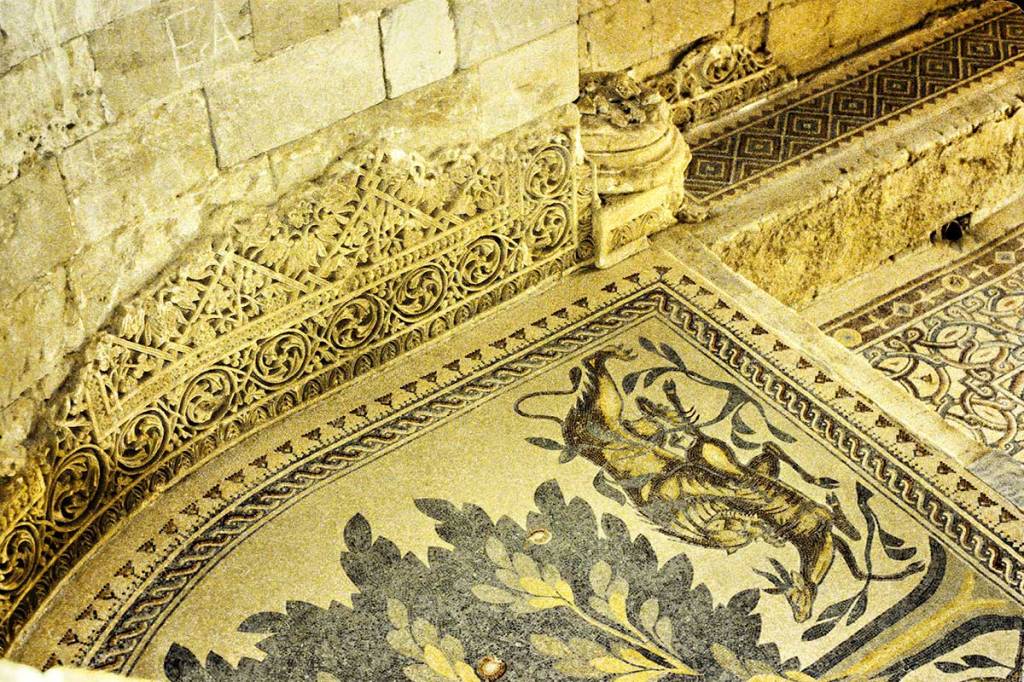
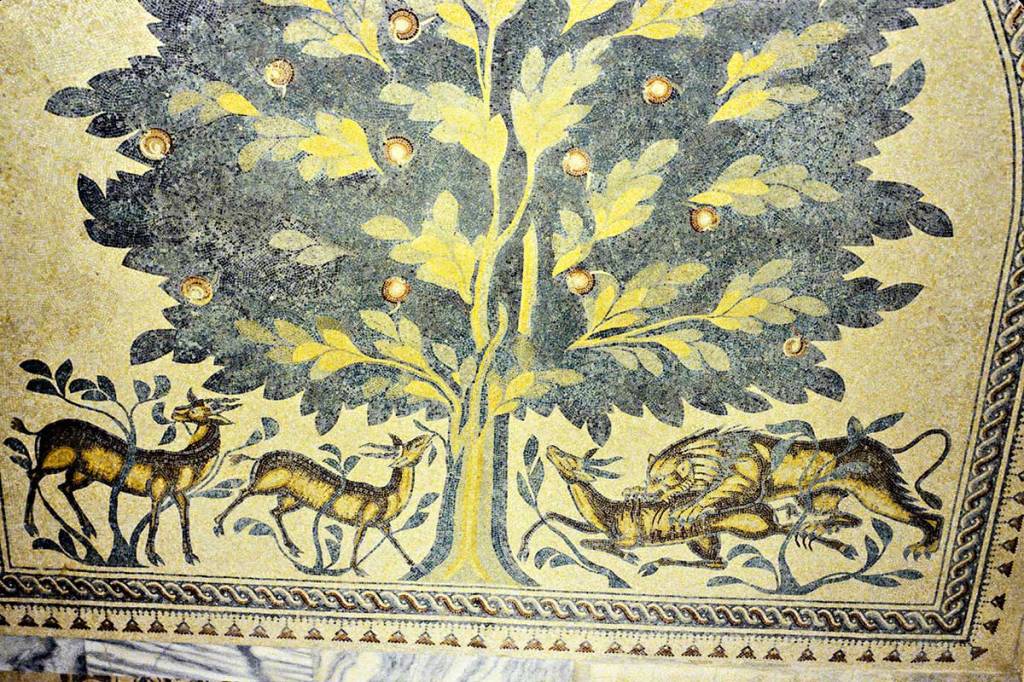
The most special sights of the palace were the lace stone semi-circular frieze in the top photo and the Tree of Life mosaic in the audience room of the bath house in both photos.
Ein Gedi
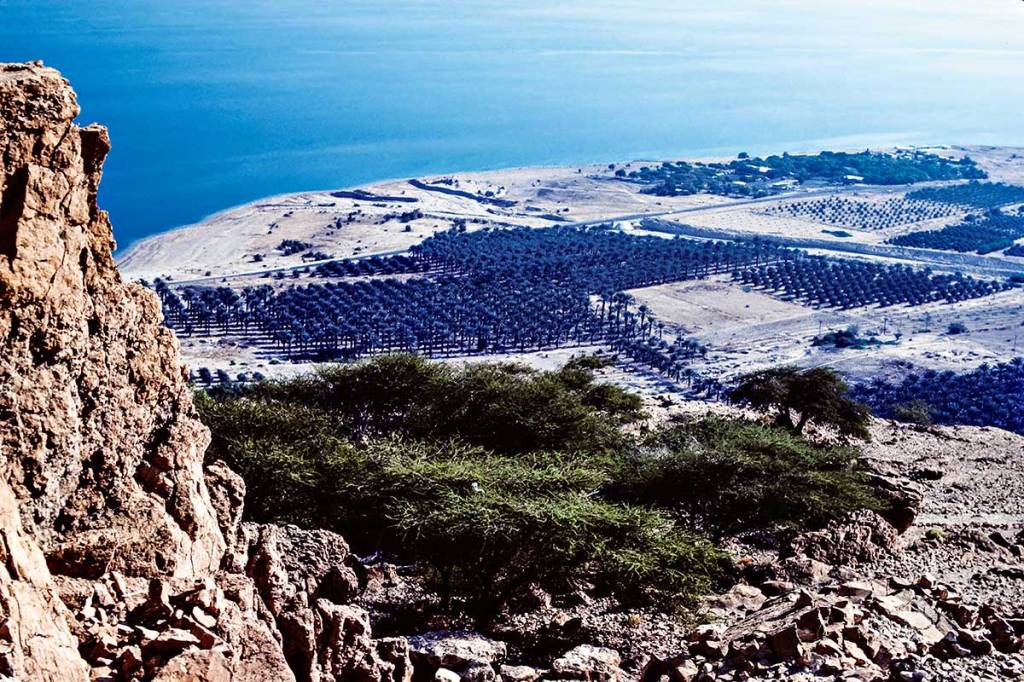
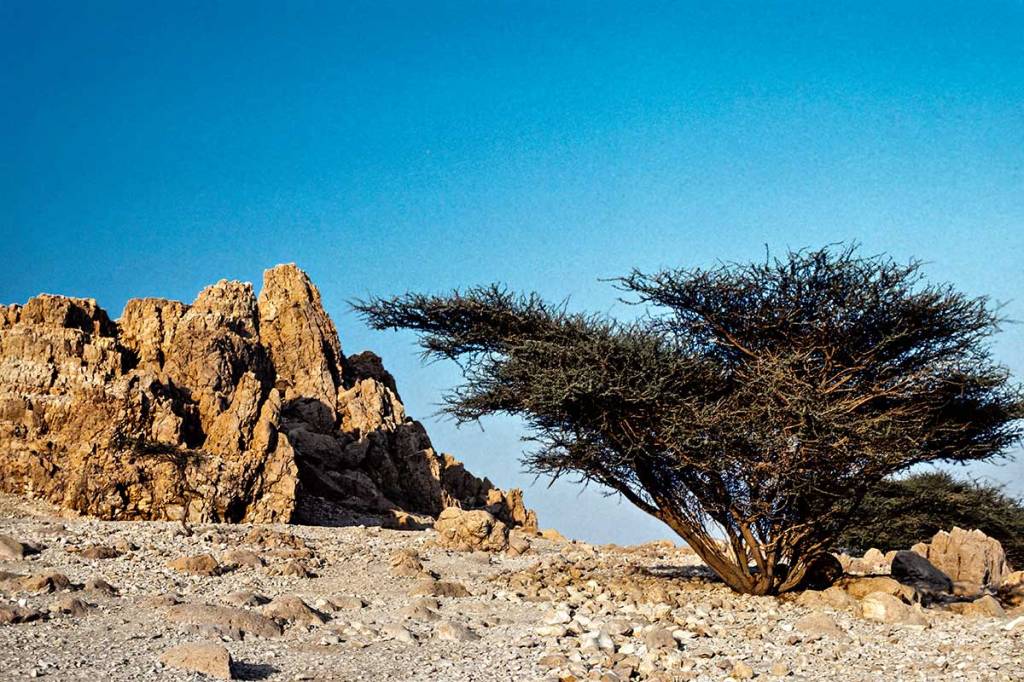
Ein Gedi, “the spring of the young goat”, is an oasis rising above the eastern edge of the Judean Desert. It is a beautiful and very popular nature reserve (entry fee NIS 28).
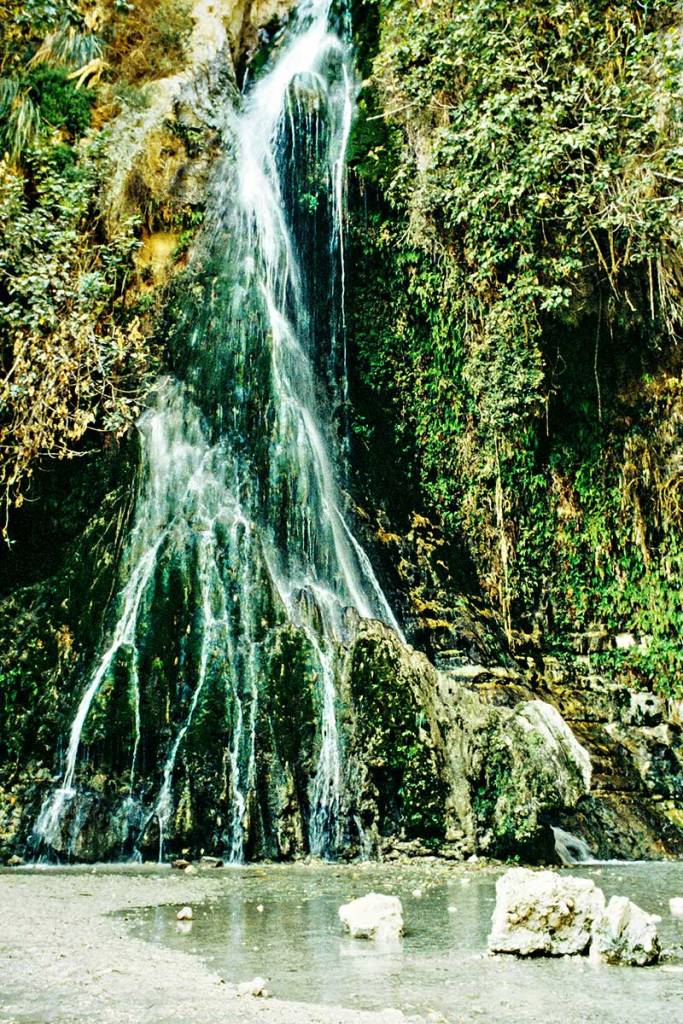
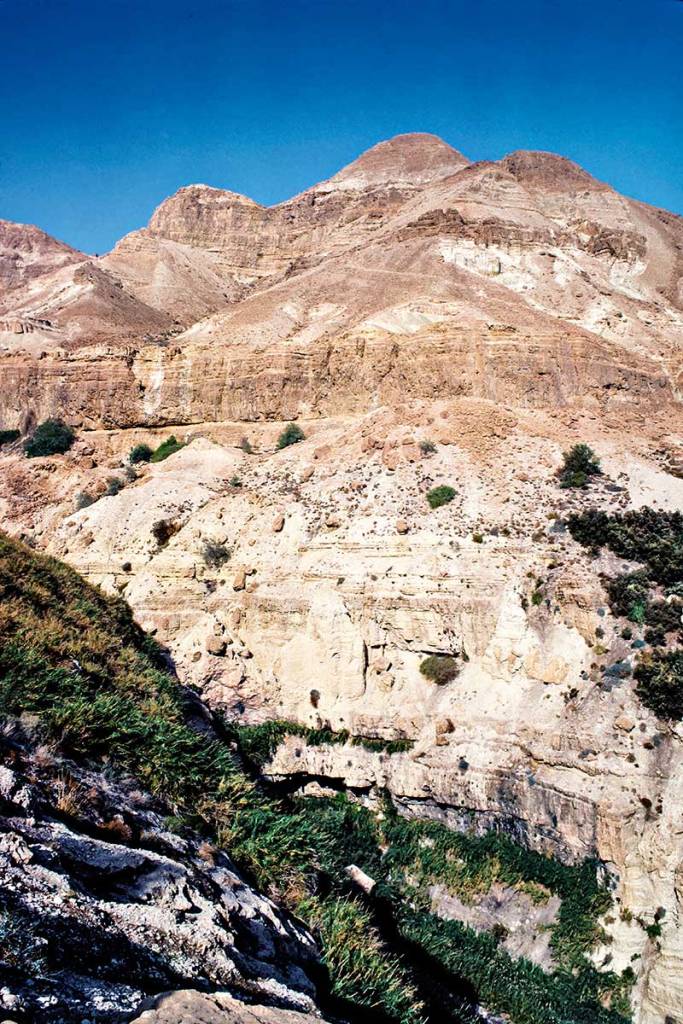
We walked the trail to the Nahal David spring-fed waterfalls. This is named after the David who killed Goliath. King Saul made him the army chief and insisted he live in the palace. But when the army returns from fighting the Philistines, the people praised David more than Saul. In a jealous fit, King Saul throws a spear at David, who ducked and fled to a cave near this spring. King Saul found him but could not see him in the dark cave. David took a slice of the king’s cloak and showed him he could have killed him but did not.
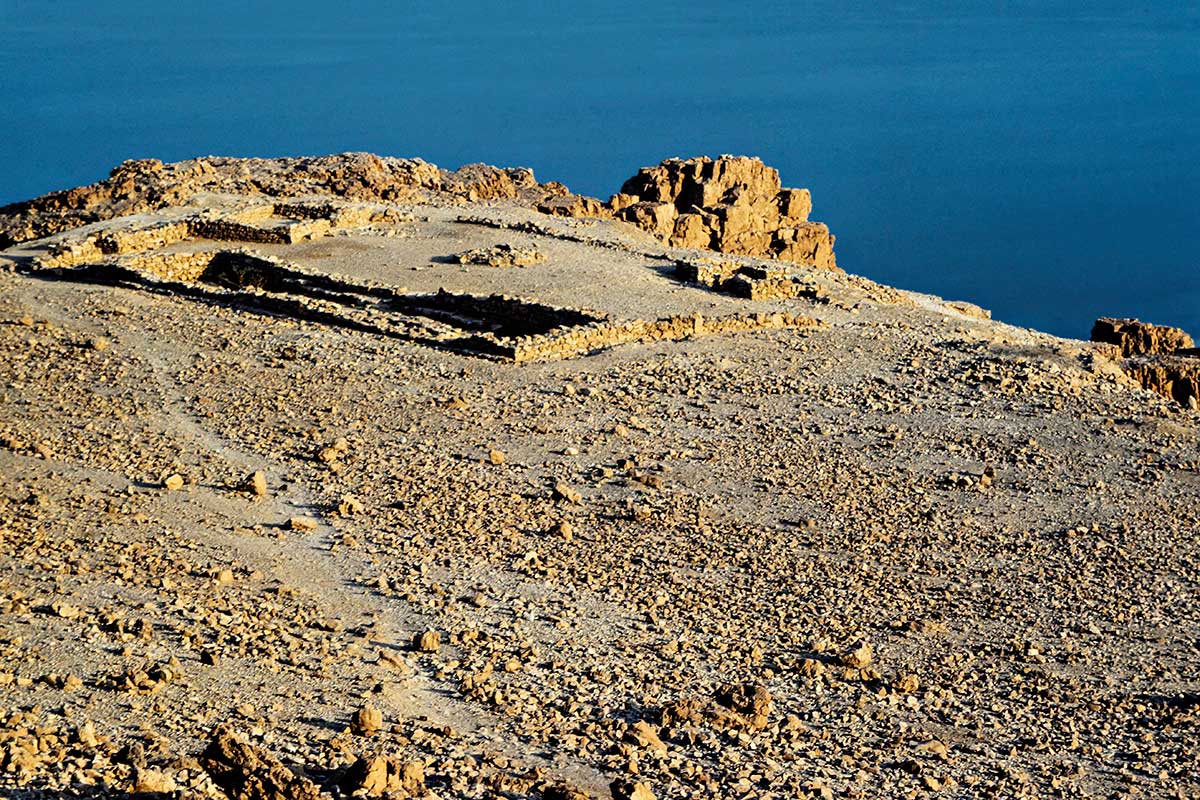
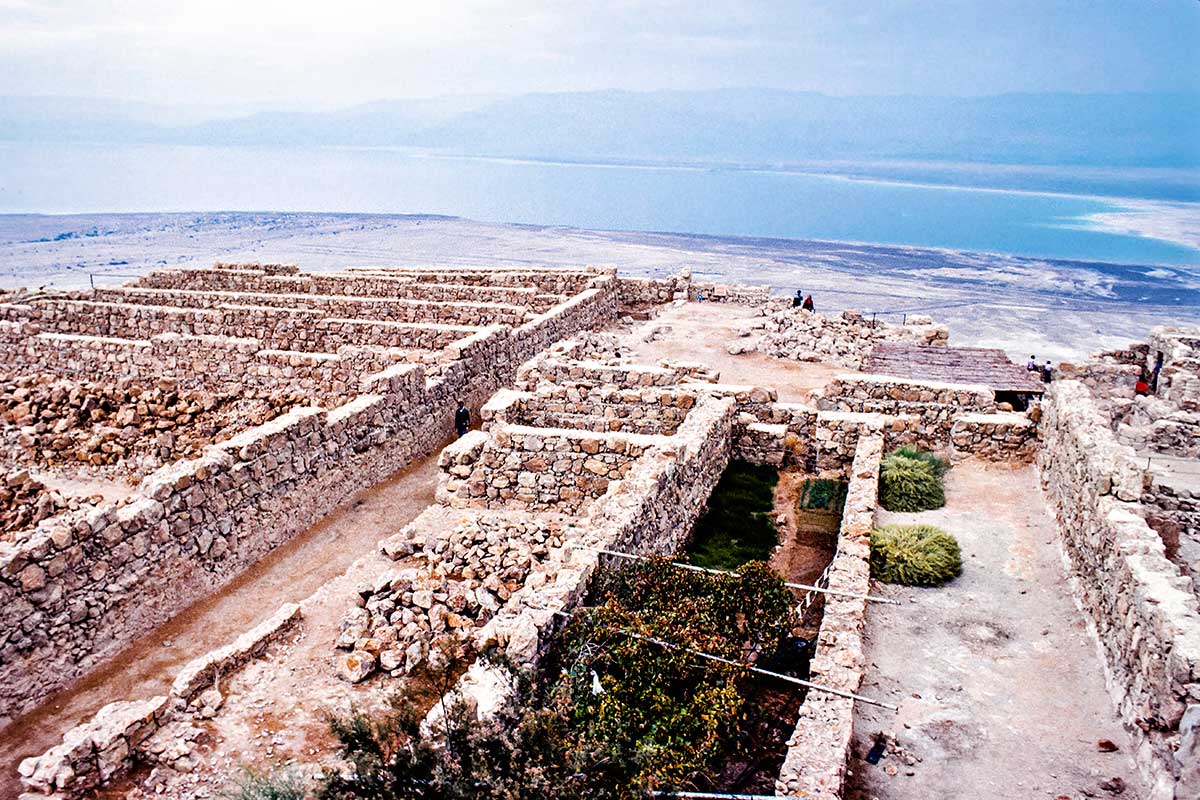
There were good but hazy views of the arid land and the Dead Sea. It is amazing that anyone could live here. The famous Dead Sea scrolls were found by a shepherd in a cave in this area. Ancient temples were built here as well.
Dead Sea
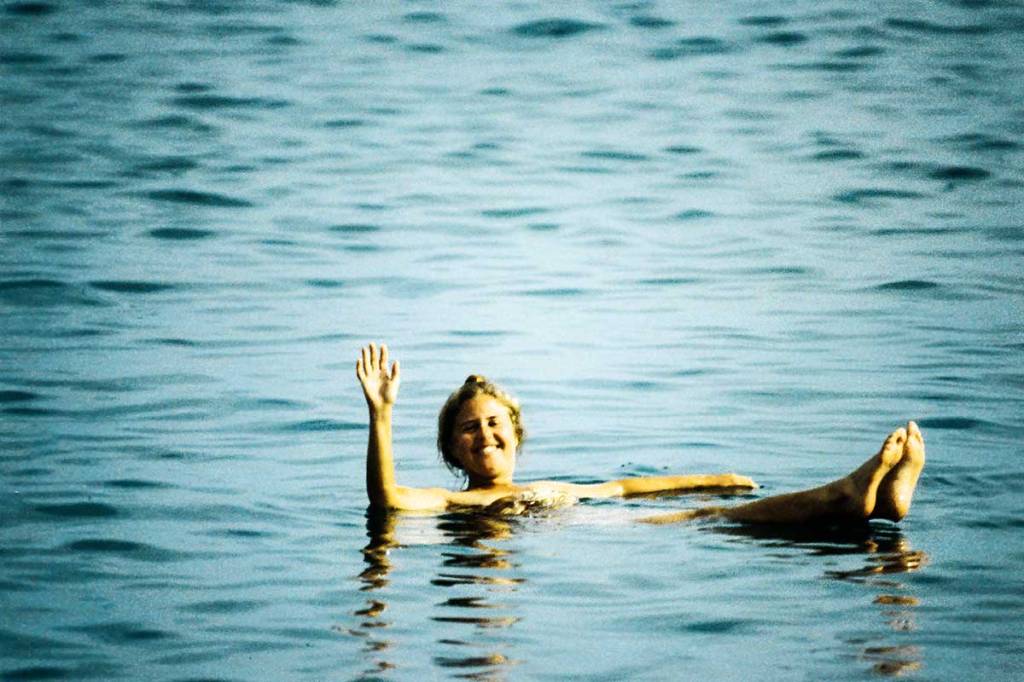
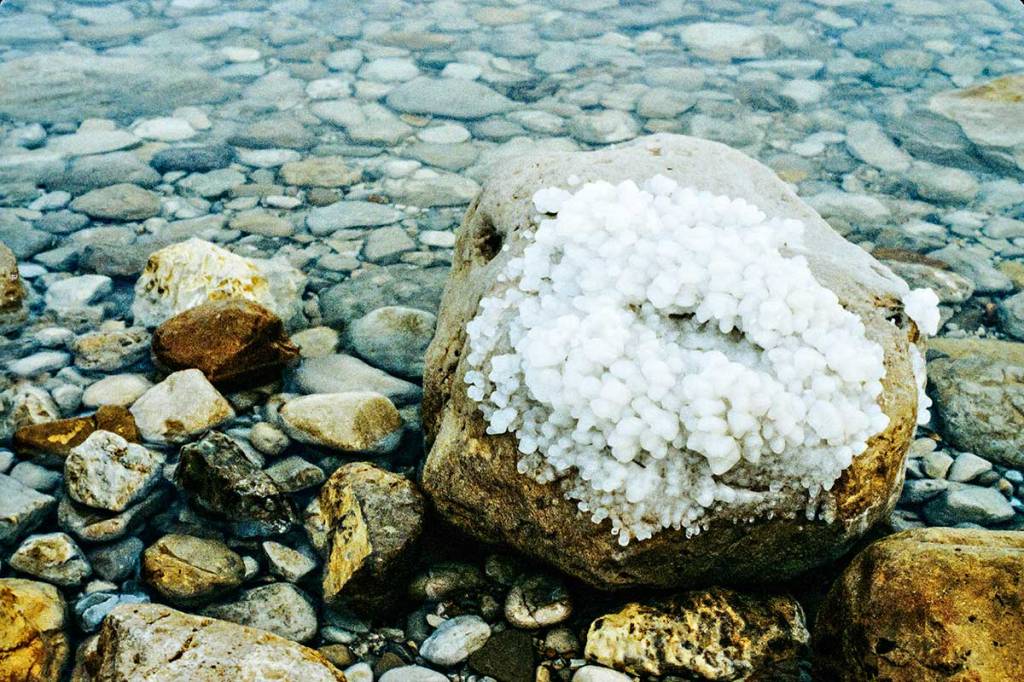
It may have been December but it was warm enough to float in the Dead Sea. No wonder this was the site of one of the world’s first health resorts built for Herod the Great. The Dead Sea is actually 430.5 metres (1,412 ft) below sea level!!
Salt crystals crown many of the rocks near the shore. The Dead Sea is 9.6 times saltier than an ocean. Another dramatic fact is that the Dead Sea has receded 58% over the last century! Jordan has initiated a project to carry brine from the Red Sea by 2021.
Masada
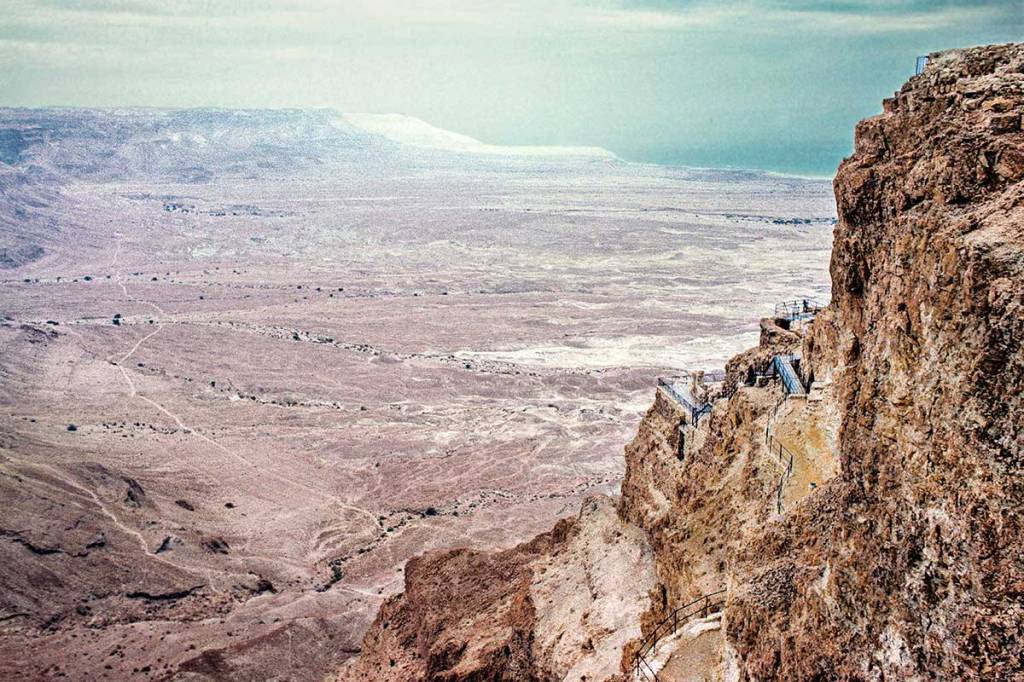
It was Hanukkah (December 8th) when we travelled to one of the most symbolic monuments of Jewish history. This is where a small group of rebels held off the Roman army. Today, the Israeli Defense Force (IDF) holds its swearing in ceremony on top of Masada.
We walked under the cable car then began the very steep 400 m ascent up the ancient Snake Path to the cliff top of Masada. We were surprised that we made it to the top in 36 minutes non-stop. It took 26 minutes to descend the path.
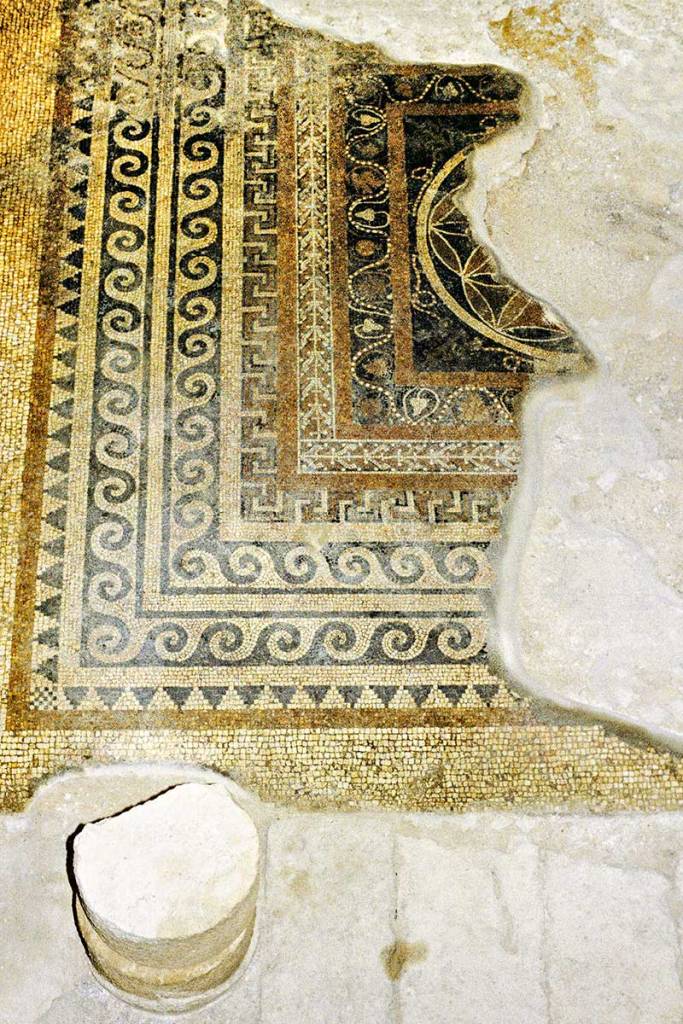
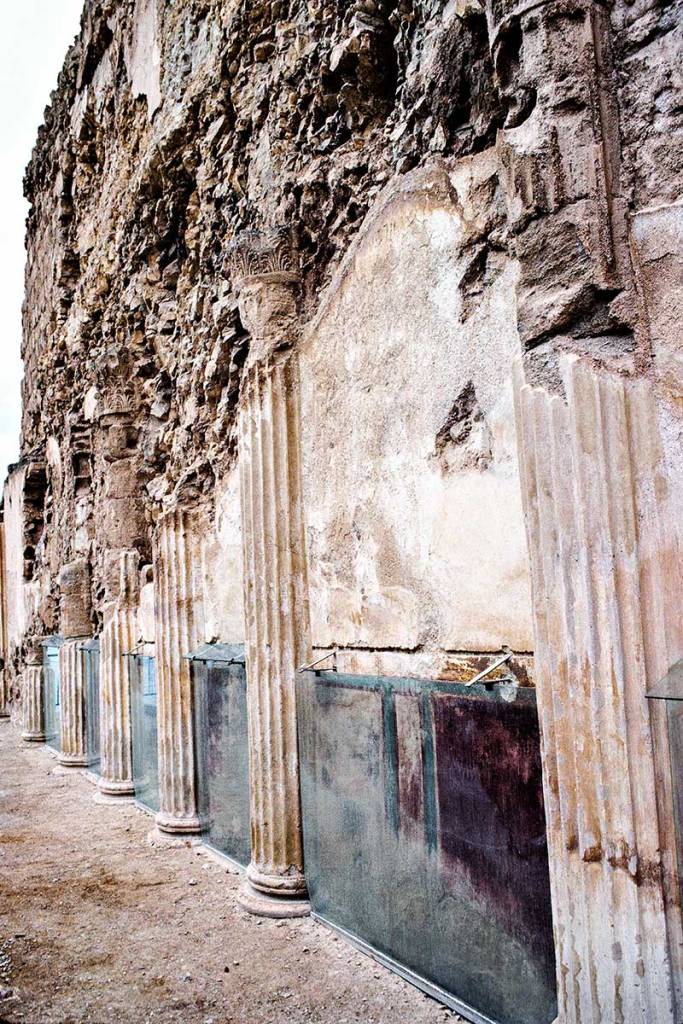
Herod the Great was the infamous Jewish vassal king under Roman rule at the time of the birth of Jesus. The despotic ruler built two palaces on Masada ca. 31 BC as a refuge for himself in the event of a revolt. He was very unpopular with his own people. The revolt eventually came after the destruction of Jerusalem in 70 CE.
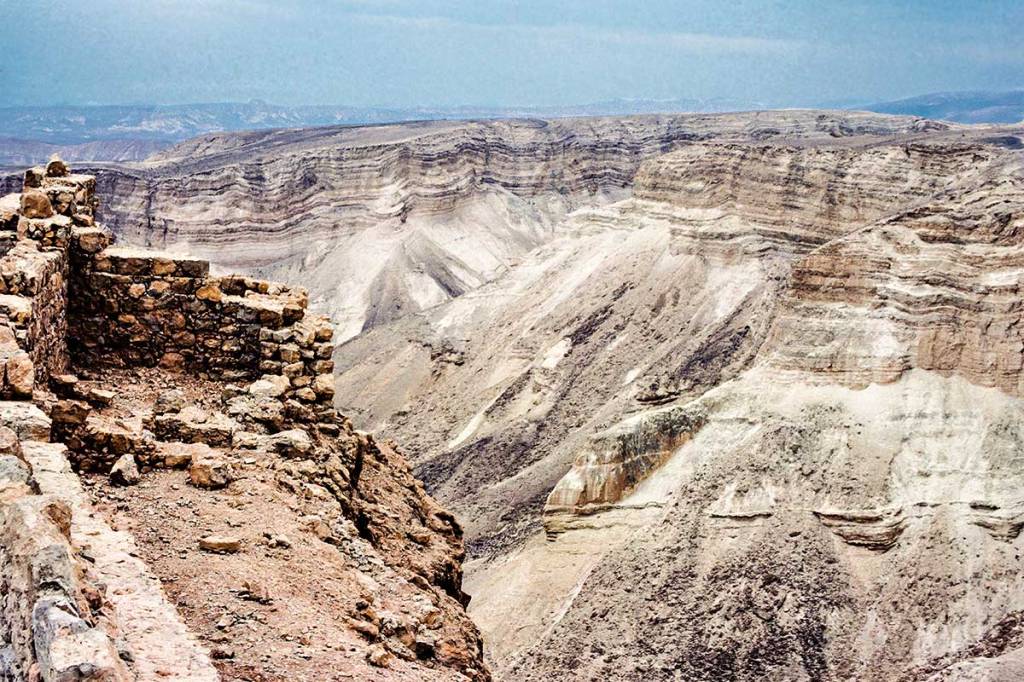
The rebels held off the Romans for three years. The Romans built a huge rectangular campsite for a legion of 9000 soldiers and is still visible below. The final siege of Masada by the Romans took place in 73 CE at the end of the first Jewish-Roman war. The Romans were only able to capture Masada by building a steep ramp below and slowly pulling up a siege tower.
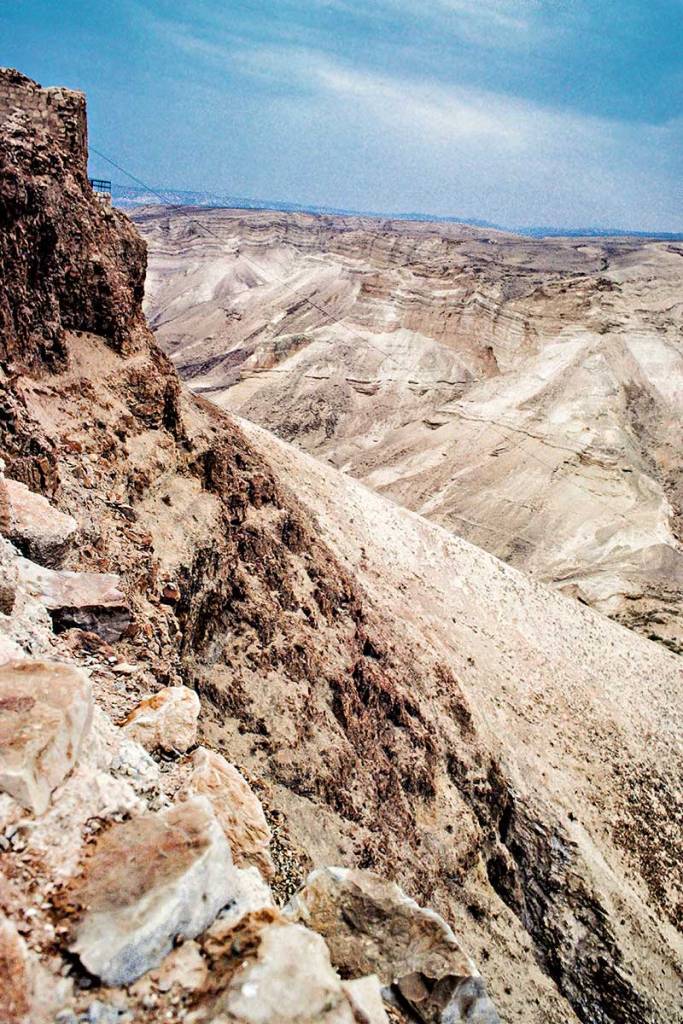
The rebel leader Eliezer ordered his men to destroy everything except their food to show the Romans that they voluntarily chose to die rather than submit to slavery. But when the Romans reached the top, the buildings had been burned and all the remaining 960 rebels had committed mass suicide!
South to Sinai
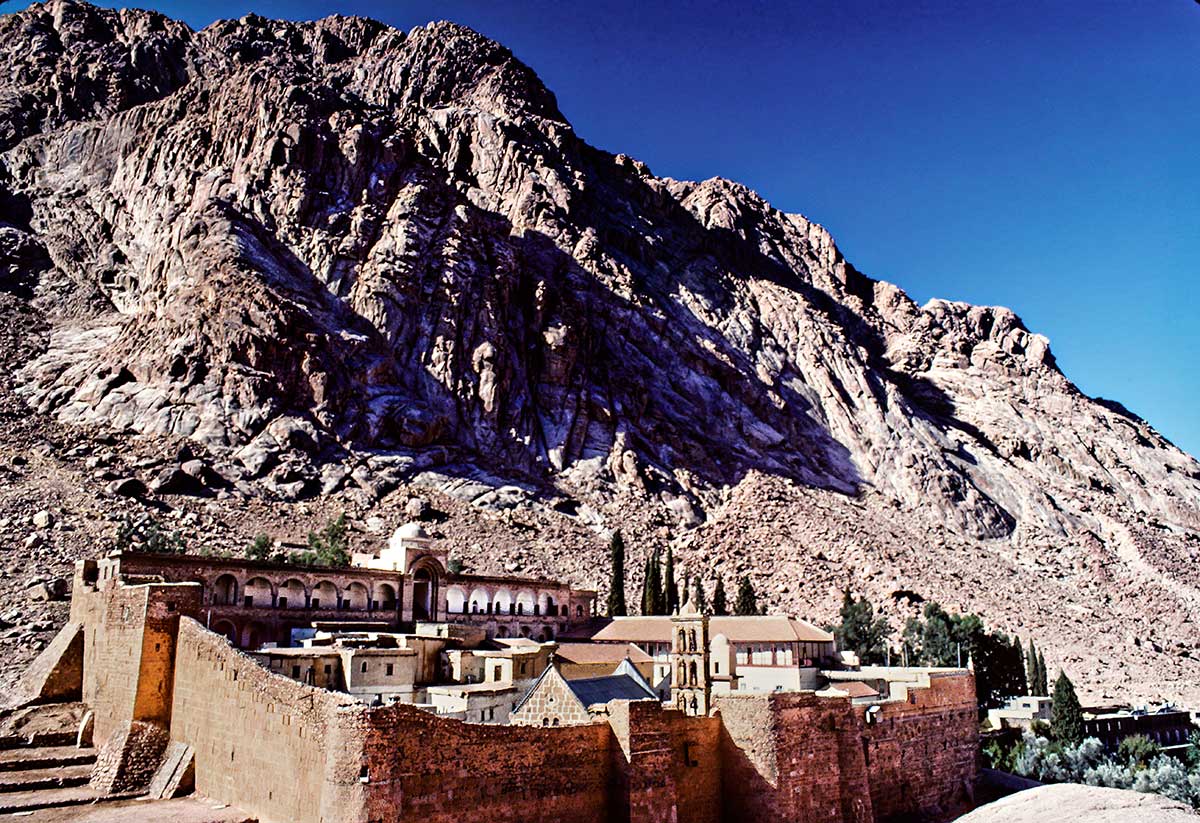
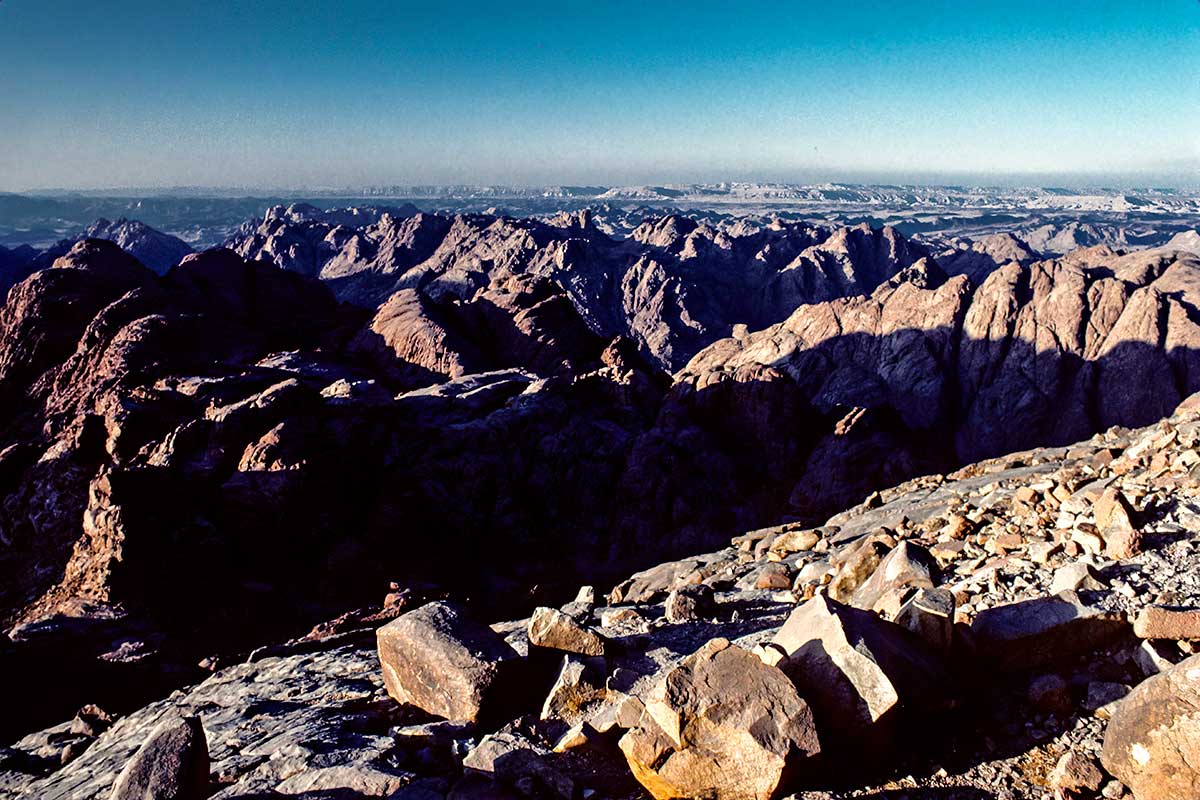
Saint Catherine, Egypt, is located at the foot of Mount Sinai above. The monastery is named after martyr Catherine of Alexandria, who actively converted people to Christianity. In AD 305, at the age of 18, she was sentenced to die on a breaking wheel but incredibly she survived. She was then beheaded.
Only a few years later in AD 313, Emperor Constantine issued the Edict of Milan making Christianity the official religion of the Roman Empire. The capital of the Roman Empire was moved to Constantinople in AD 330 before the fall of Rome the city. There was no such thing as the Byzantine Empire — see Ancient Rome — Ancient Hidden Gems Walk 3. The Empire was now Christian, Greek Orthodox to be specific, and the official language was now Greek not Latin.
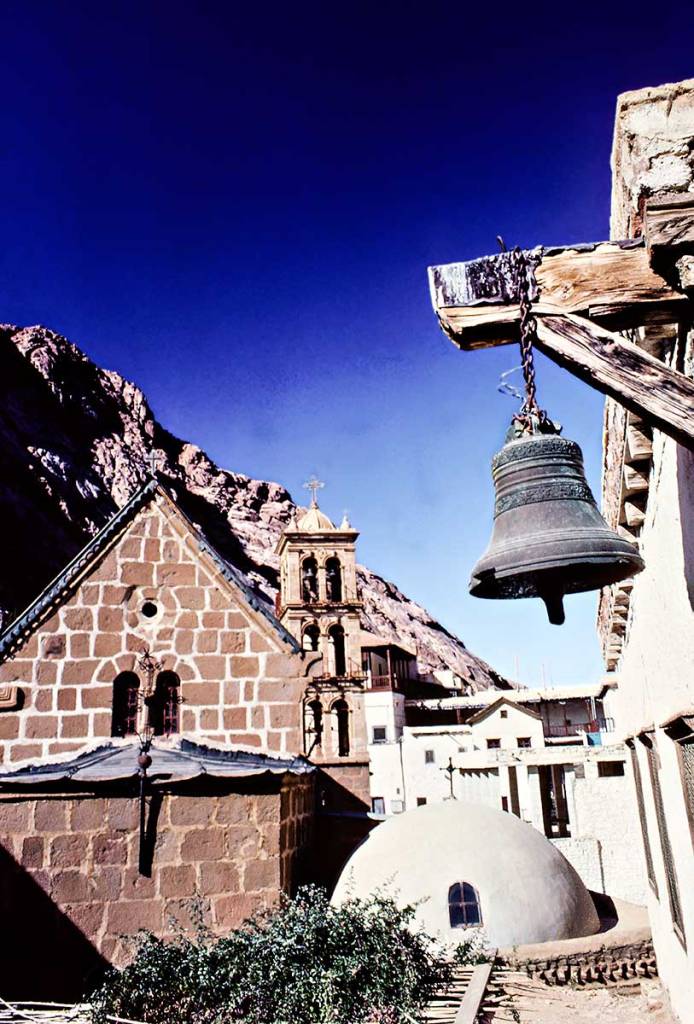
Why was one of the oldest Greek Orthodox monasteries (AD 565) built here? Helena, mother of Emperor Constantine, came to the Holy Land to locate and preserve the sites of significant events in Christianity. Emperor Justinian I ordered the building of the church because this was the site of the the Burning Bush where Moses received the Ten Commandments. The site is sacred to Christianity, Islam, and Judaism.
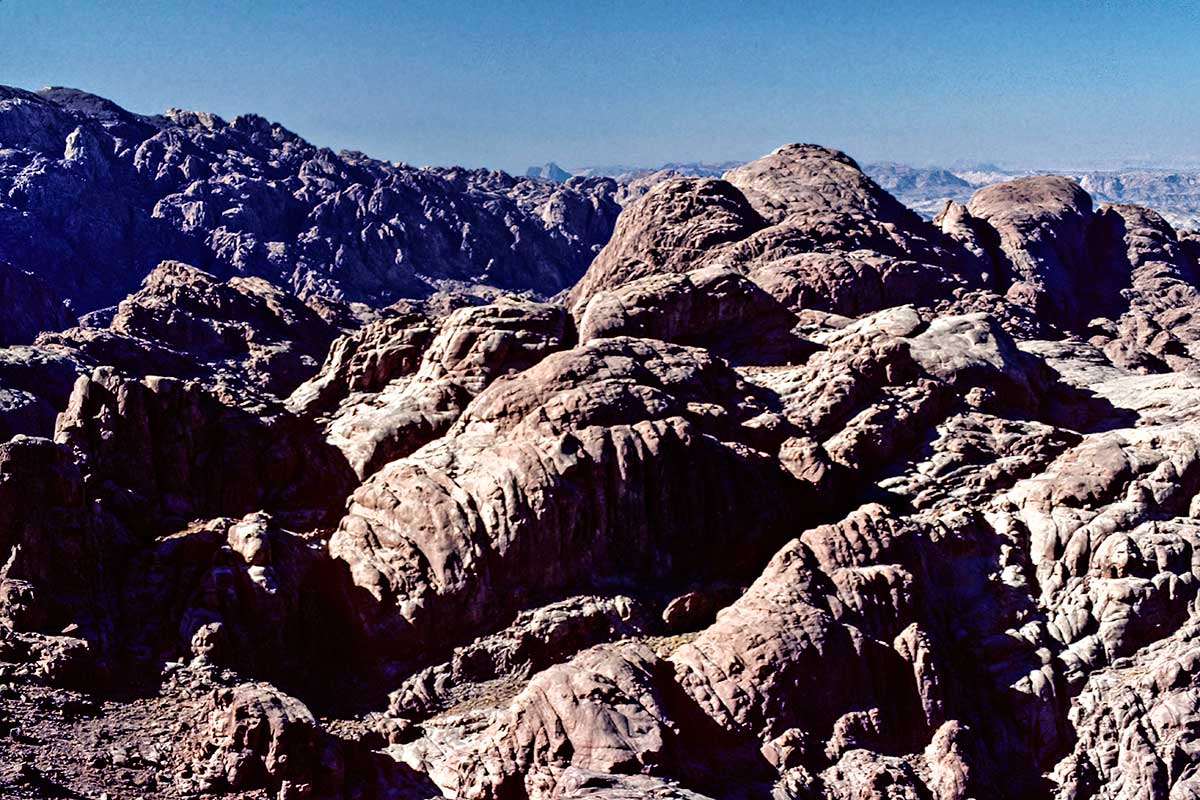
We really enjoyed the hike to the summit of Mt. Sinai.
 Terra Encounters
One thought on “Masada to Sinai”