Victoria is Magical
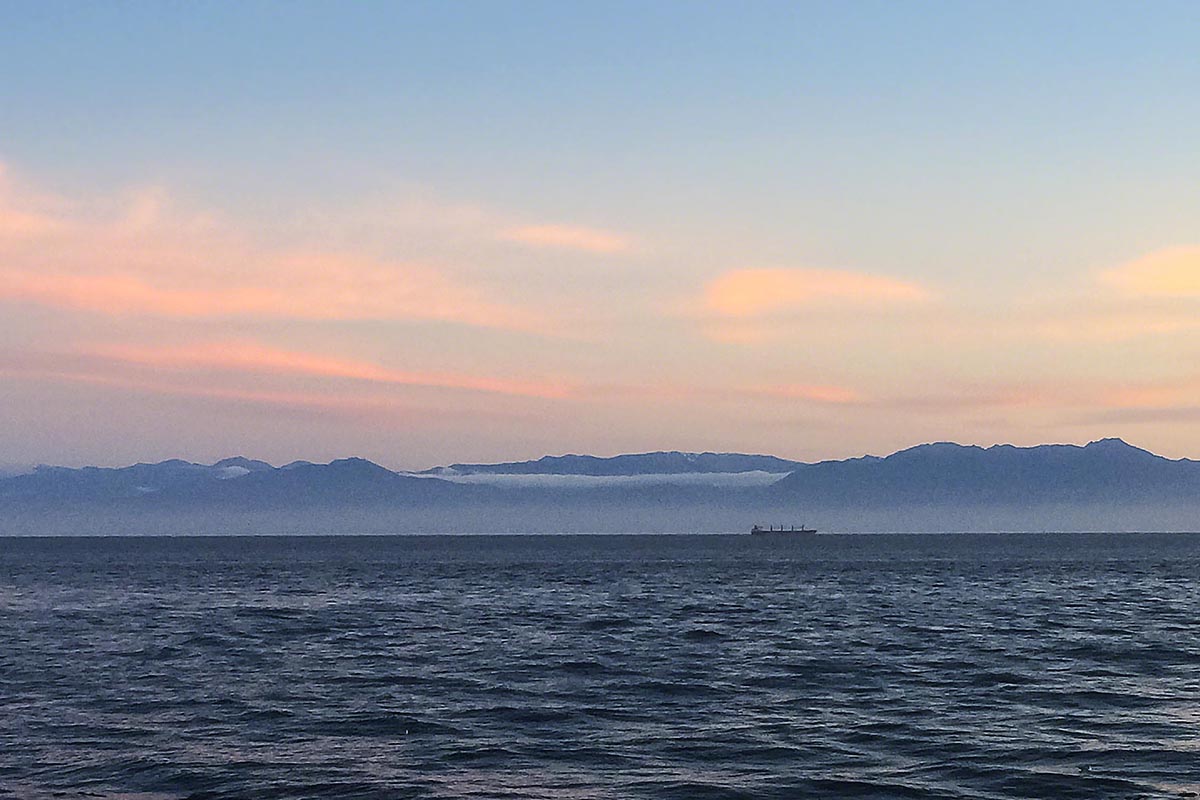
I fell in love with Victoria. She wears flowers everywhere. She loves all kinds of ethnic food. She has several scenic hills. She adorns the sea with gorgeous views of the Olympic Mountains. Named after famed Queen Victoria, Victoria British Columbia (BC) may just be the best small city to visit in all of North America.
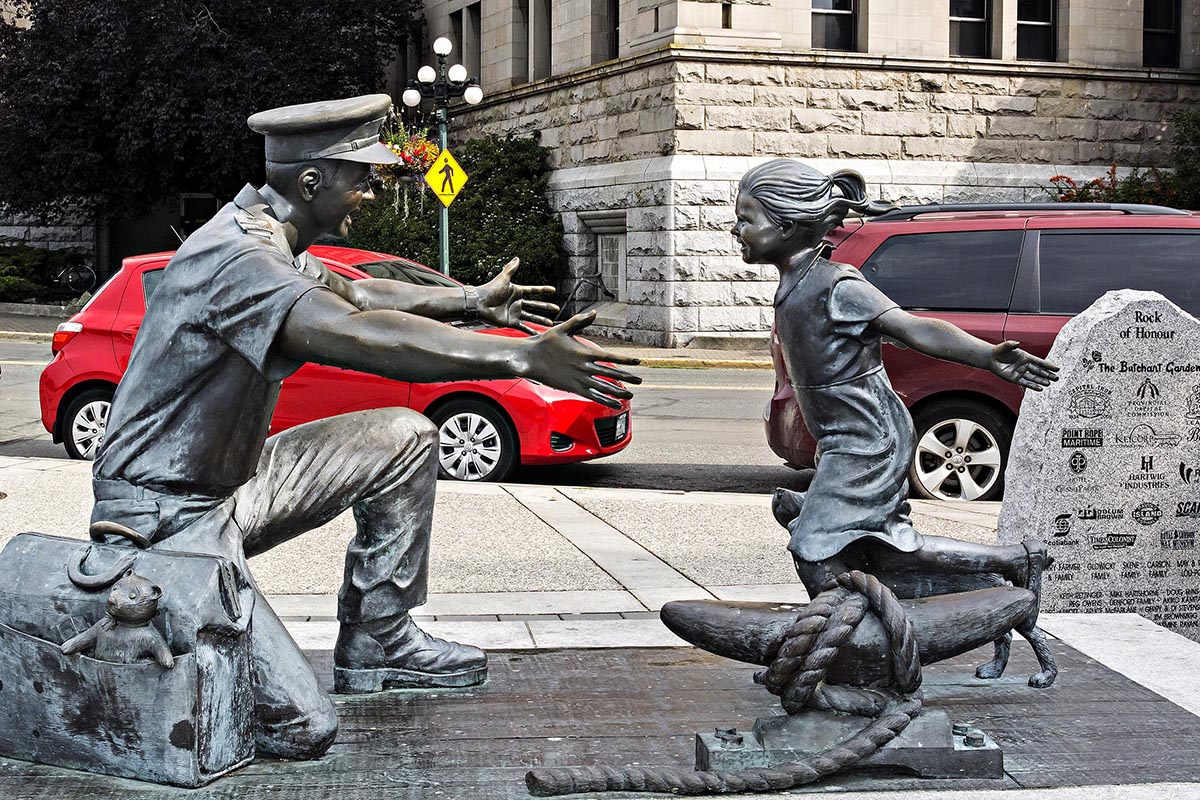
We have been here a few times when we used to live on the West side of the continent but this was the first time we spent a whole week. Weirdly, it was like we were the ones at home as we picked up our son at the ferry from Vancouver to visit with us for the weekend.
The Homecoming sculpture (Wharf Street) above captures that magical moment when a sailor returns home and greets his daughter. OK, our reunion with our son was not quite as dramatic as we just spent the previous week together — but we do not see each other often as we live 4500 km (2800 mi) to the east! It is closer to fly from here to Honolulu!
Author & Photographer: George Mitchell
Our recommendations are not influenced by affiliate links – we have none. Our content and advice is derived from our personal expertise, experience, and knowledge based on living in Western Canada as well as travelling and living for 23 years around the world.
Capital of British Columbia
Victoria Harbour
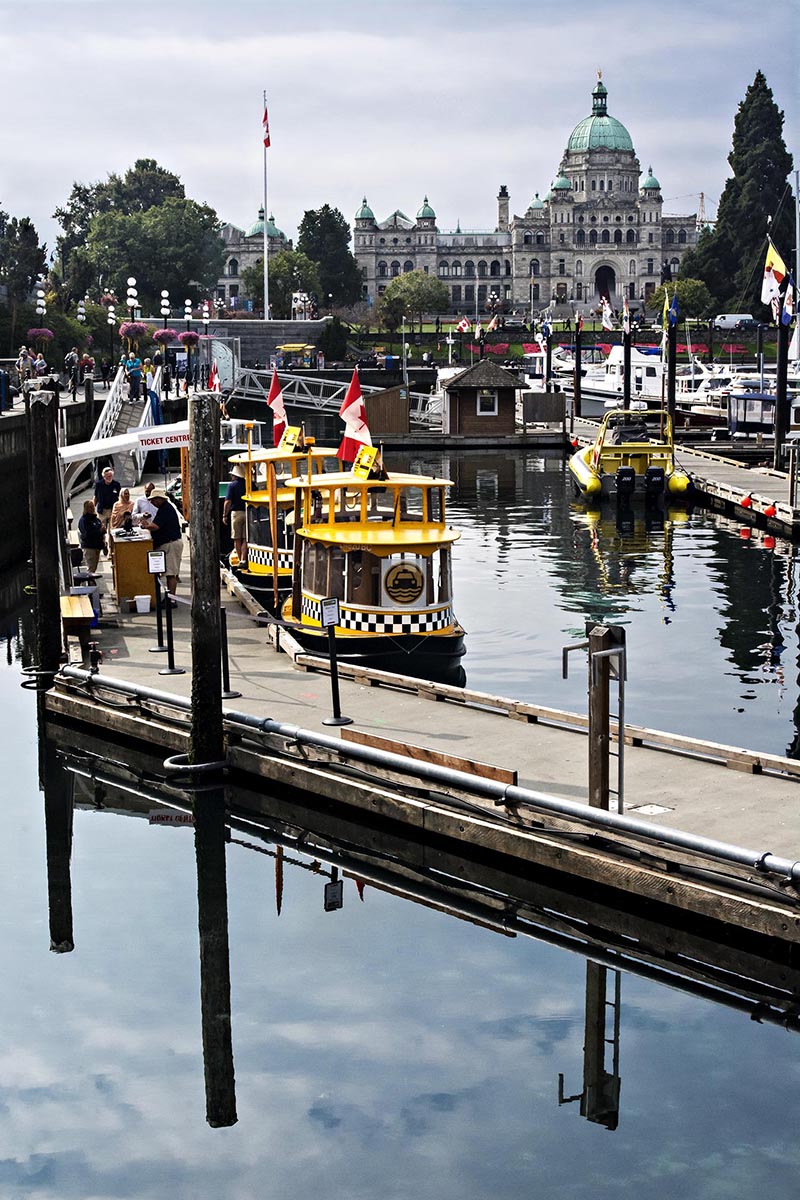
Naturally, the best place to start exploring is to walk from the tourist bureau on Wharf Street along the harbour with lots of flowers, boats and cute yellow water taxis.
Parliament Building
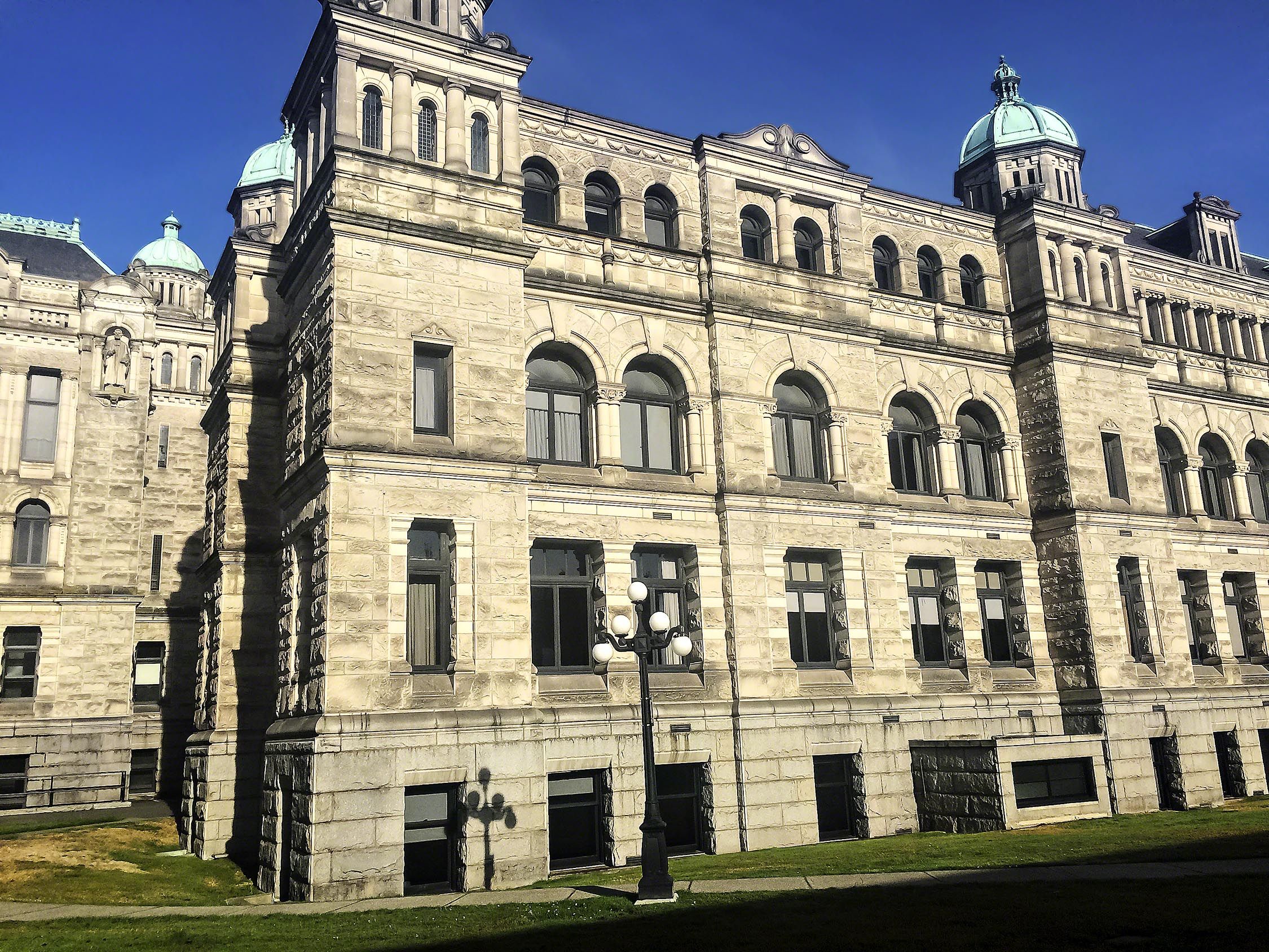
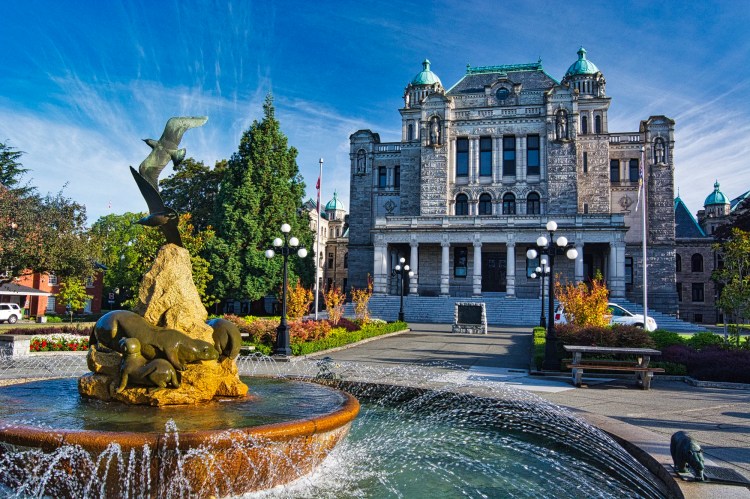
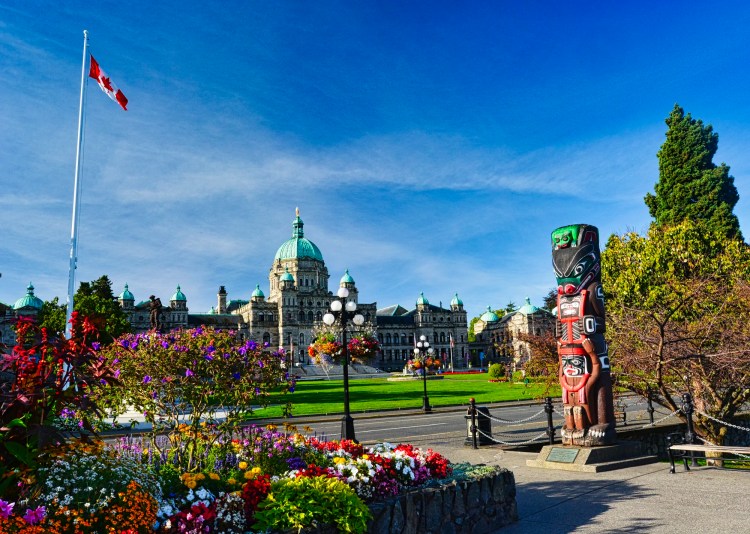
In the background is the provincial Parliament Building dating from 1897. Note the Romanesque (semicircular) windows with mini-columns. Vancouver is a much larger city. So why is little Victoria, with only 357,690 people, the capital of British Columbia?
Governor James Douglas
After its start as a Hudson’s Bay fur trading post by Sir James Douglas (1843), Vancouver Island was the only British colony in the West because the rest of today’s Canada was “ruled” by the Hudson’s Bay Company (HBC). However, thanks to the Fraser Gold Rush (1858), the area of mainland British Columbia (BC) was inundated with Americans. And they wanted BC to join the USA.
Governor Douglas of Victoria saw the threat to a future Canada if BC became part of the United States. In 1858, he unilaterally declared British sovereignty and laws over the BC mainland. There were no telephones in those days to get the Queen’s approval. Fortunately, Queen Victoria, immediately endorsed the actions of Governor Douglas and so BC became part of Canada rather than the United States.
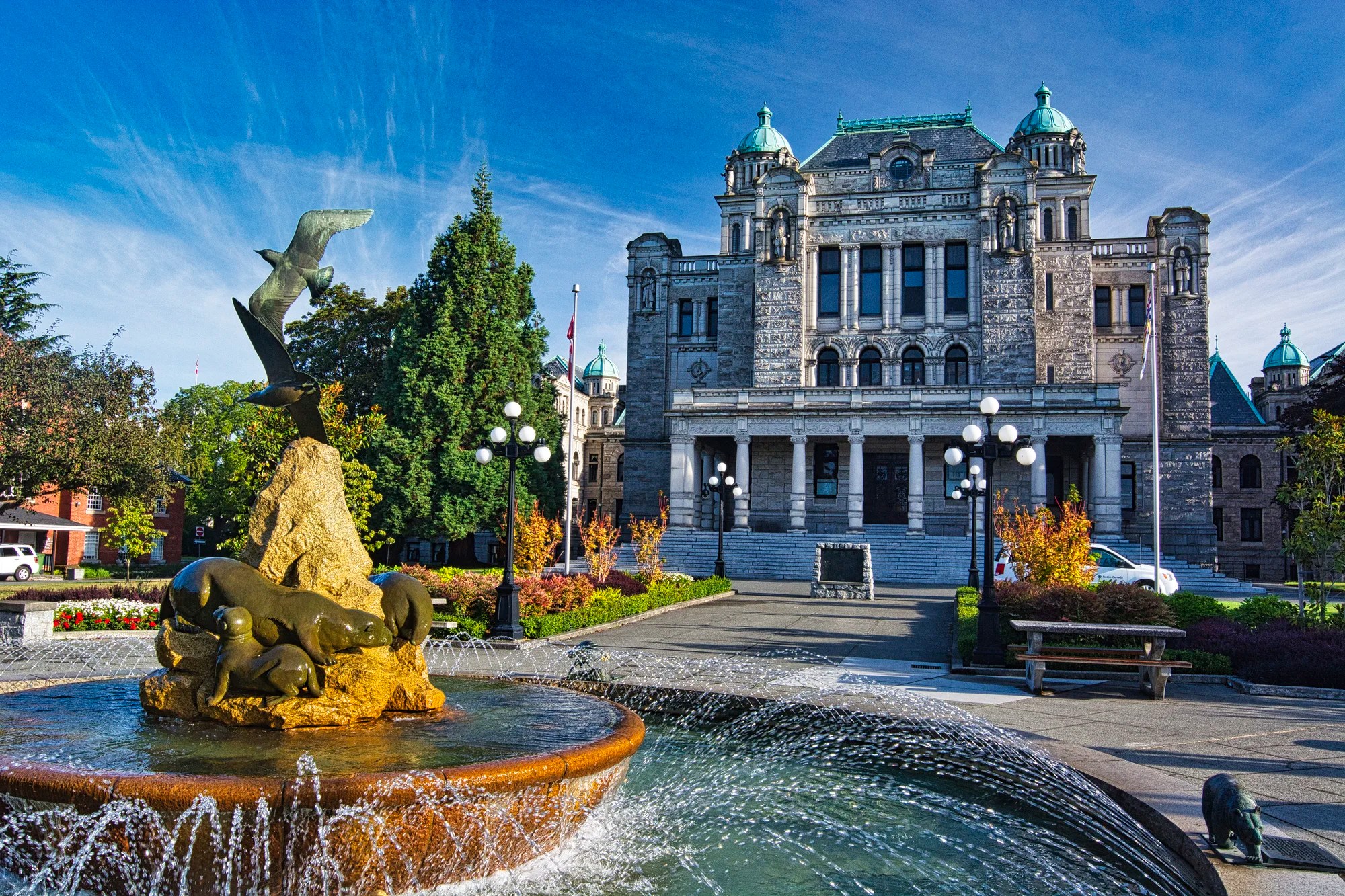
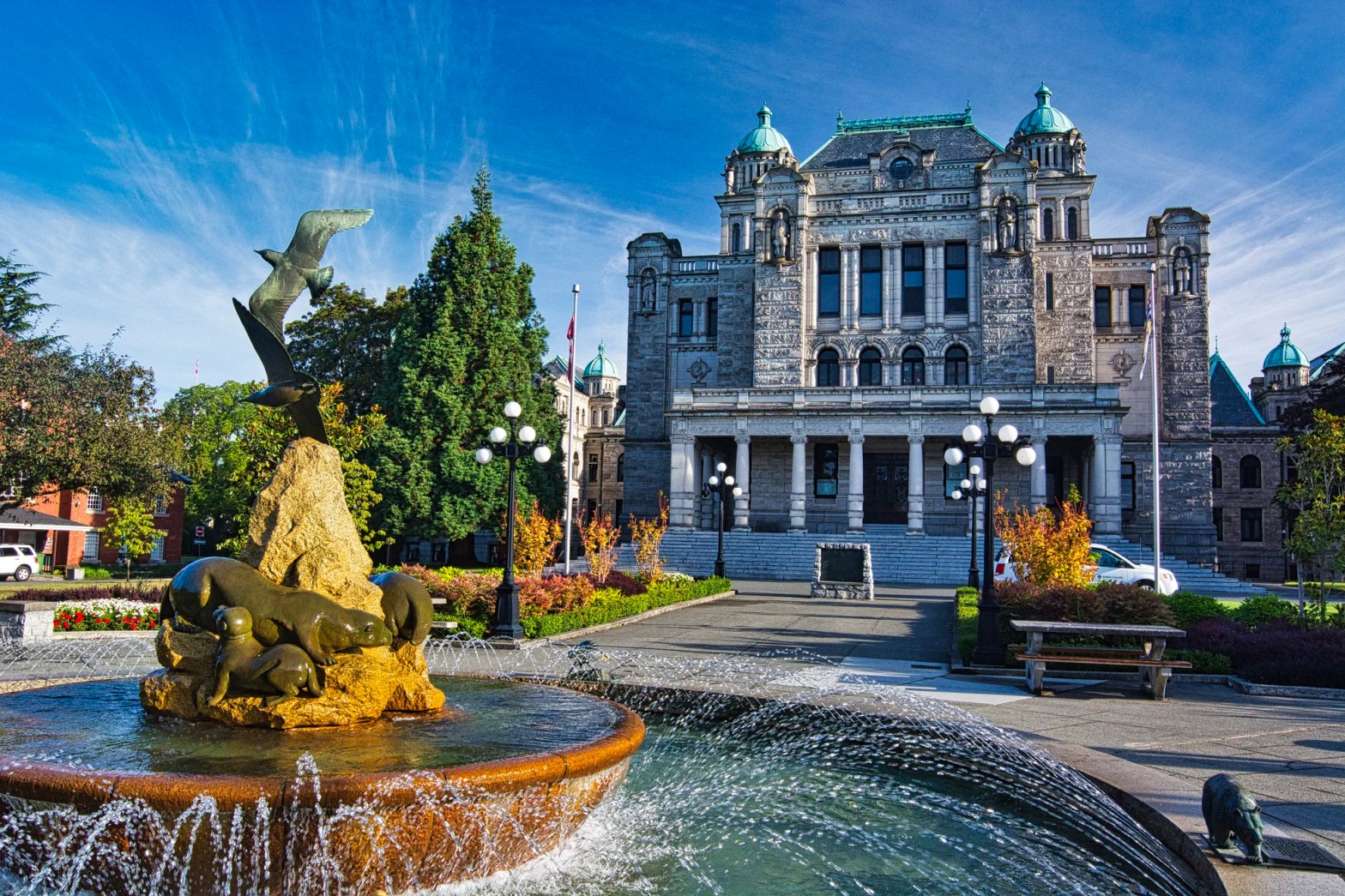
Most tourists just take in the very static view of the parliament buildings from the harbour side. For another hidden gem, walk around to Superior St. at the back of the complex and see this beautiful view in the early morning light. Here is the Victoria Centennial Fountain (1962). Sea otters frolic on the central rock. Don’t miss the bears patrolling the fountain wall. There are also bronze sculptures of an eagle, gull, raven, and wolf. The animals represent the province’s geography and history. See the Outdoor Self-Guided Walking Tour for a map and brief descriptions of the sights around Parliament.
British Columbia
BC is a massive province (944,735 km²) that is 20% bigger than Turkey or 36% bigger than Texas but with only 4.6 million people. Victoria is on “small” Vancouver Island (31,285 km²) about the size of South Carolina, Belgium or Taiwan.
In 1869, HBC was pressured by the British government to reject an American government offer of CA $10,000,000 to buy Rupert’s Land. Considering its much larger size, that would have been quite a steal given the $7 million the USA spent to buy a much smaller Alaska. Instead, the HBC sold it to Canada for $1.5 million. That was quite a deal, except HBC never paid for it in the first place!!
Empress Hotel
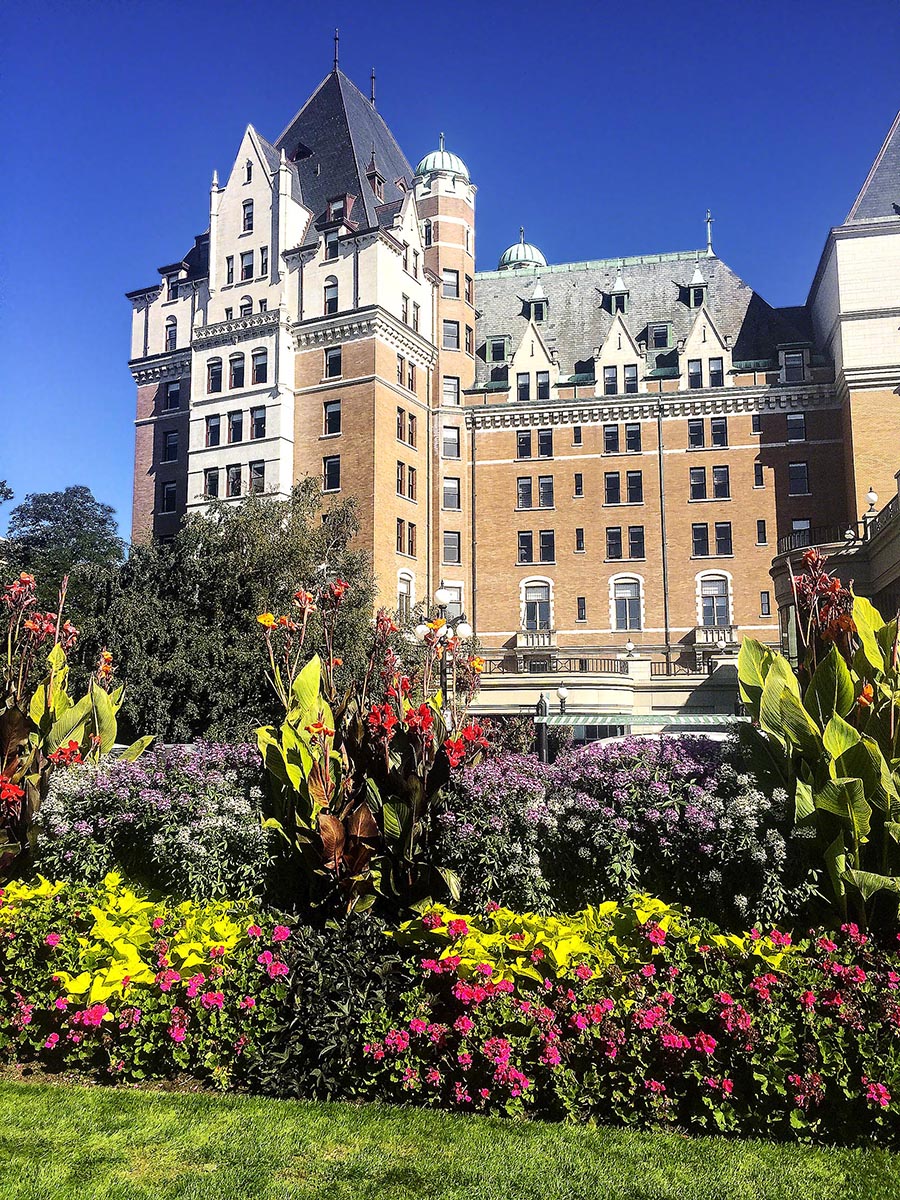
The iconic landmark of Victoria is the Empress Hotel (1908) with its old world Edwardian feel. Believe it or not, the run down hotel was nearly pulled down in 1965. Thanks to a $45 million dollar renovation, it has thrived. In addition to serving beautiful décor and traditional Devonshire tea, don’t miss the grounds of the hotel strewn with gorgeous flowers. In fact, Victoria is the City of Flowers. That is probably its’ most special feature. Flowers adorn every street downtown.
Hidden Gems
The other special thing about Victoria is finding neat places a short distance from the touristy harbour/downtown area.
Thunderbird Park
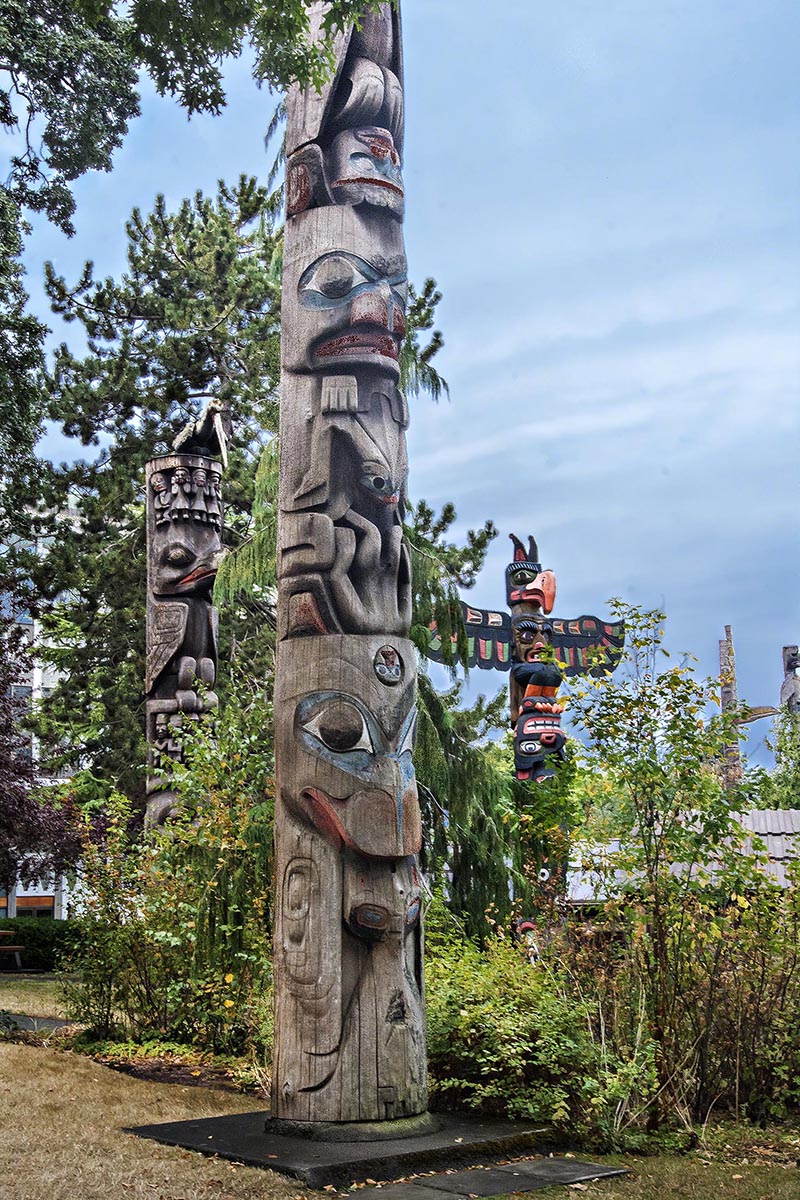
Just around the corner from the Empress Hotel is Thunderbird Park on Douglas St. It is full of real totem poles and even a meeting house. The presence of Indian culture is palpable in BC. In fact, 17% of Canada’s Aboriginal people live in BC.
First Nations
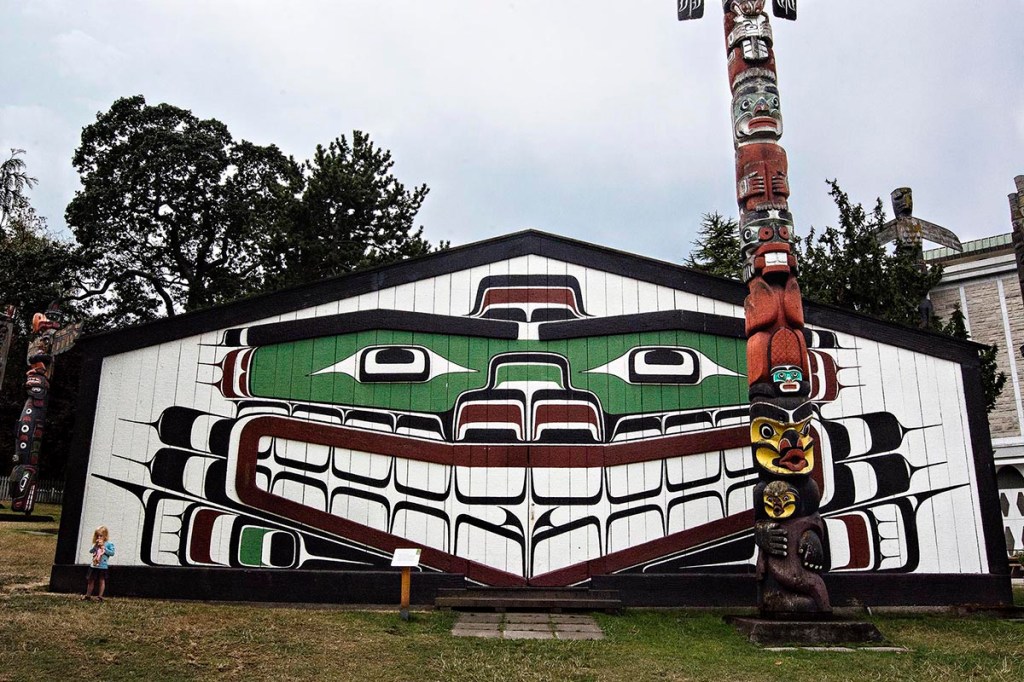
Canada’s Indigenous people prefer the term First Nations for both the people as well as their lands. They own large parts of the province and now many of these areas have become self-governing First Nations (FN). Many of the FN territories in the north built community centres where visitors can meet FN people and learn about their culture.
Do not miss the Nisga’a Museum (New Aiyansh) north of Terrace, BC. See photos and more details in our post British Columbia: 5 Hidden Gems You Must See. It has some of the best artifacts anywhere, and the free guide was a superb, enthusiastic teenage girl who was a font of information.
St. Ann’s Academy
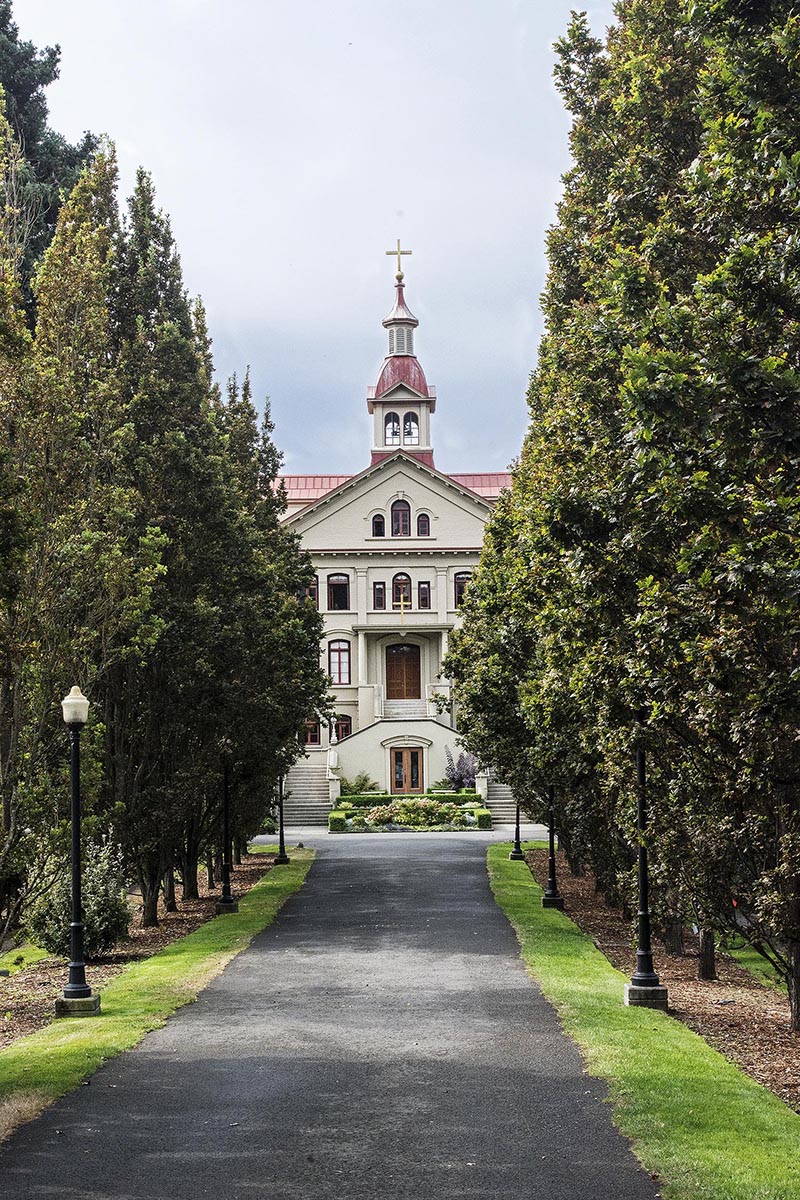
A short walk from here is a very beautiful “park” at 835 Humboldt Street. A tree-lined road leads to St. Ann’s Academy (1871), a convent and the first BC school for girls.
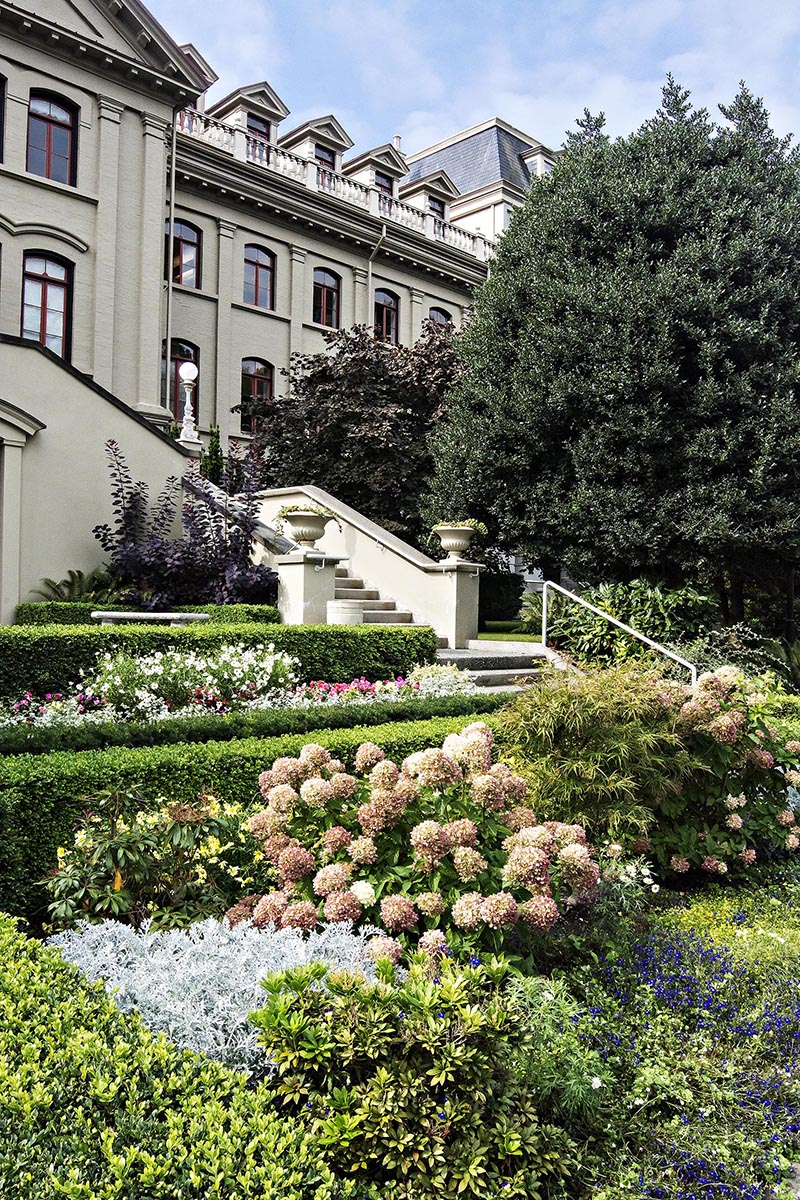
The Quebec Provincial style property was sold to the province of British Columbia. This National Historic Site is now the BC Ministry of Advanced Education.
Chinatown
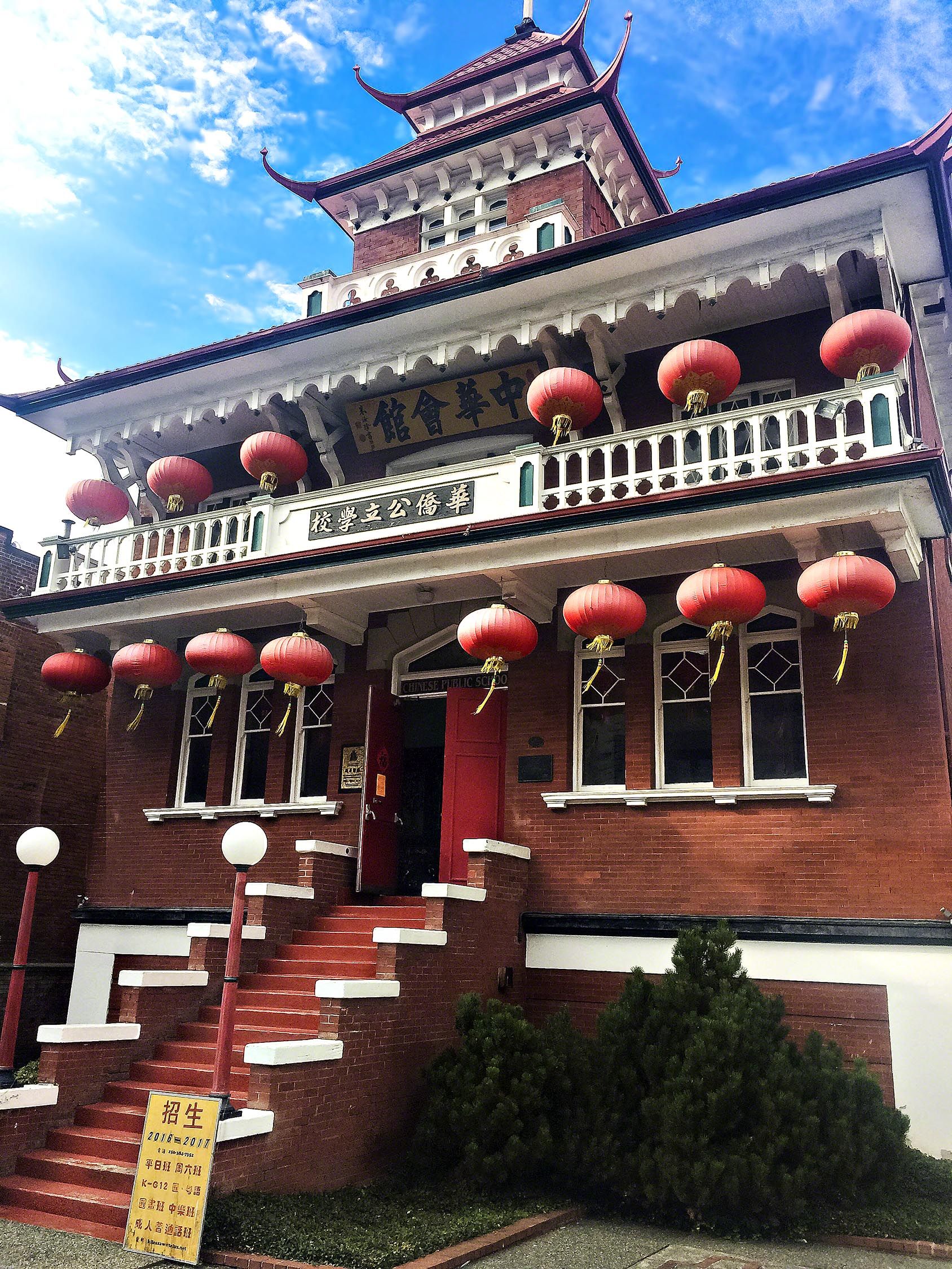
North of St. Ann’s is the first and oldest Chinatown in Canada. The Chinese immigrated to BC during the various gold rushes, and some never went back, thus starting the Chinese-Canadian community. Due to prejudice, the Victoria School Board issued a policy in 1908 allowing only Canadian-born Chinese children to attend Victoria public schools. In response, the first school for Chinese students was built in 1909. The school at 636 Fisgard St. is still being used.
It was funded by the Chinese Consolidated Benevolent Association. It should be noted that the CCBA in San Francisco and BC actively funded Dr. Sun Yat Sen and worked for the overthrow of the corrupt Qing Dynasty in 1911. The only remnant of the Republic of China today is Taiwan.
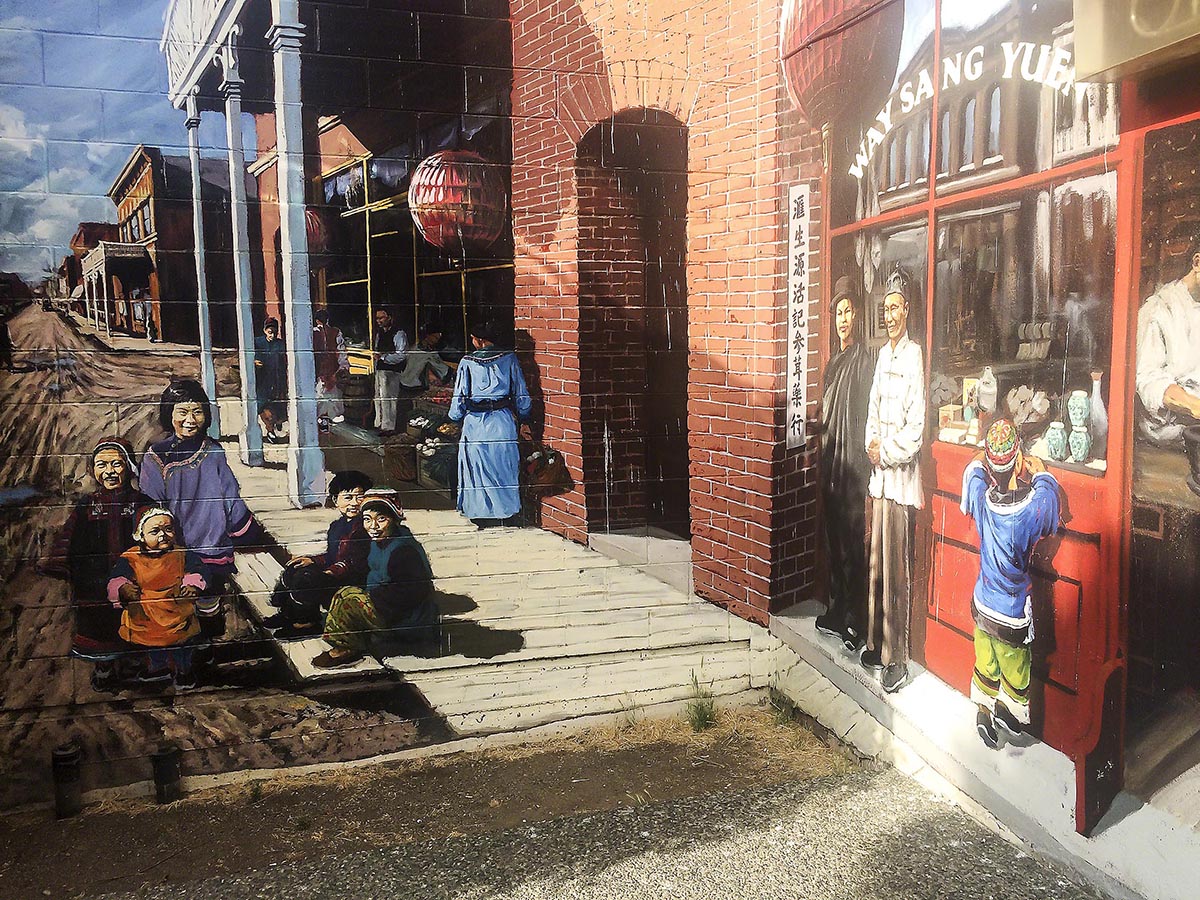
Just down the street is another hidden gem, Jeff Maltby’s Chinatown murals. The 19th-century street scene shows the Way Sang Yuen herbalist shop. It employs superb trompe-l’oeil visual effect that just draws you in. You just have to stare at it for several minutes.
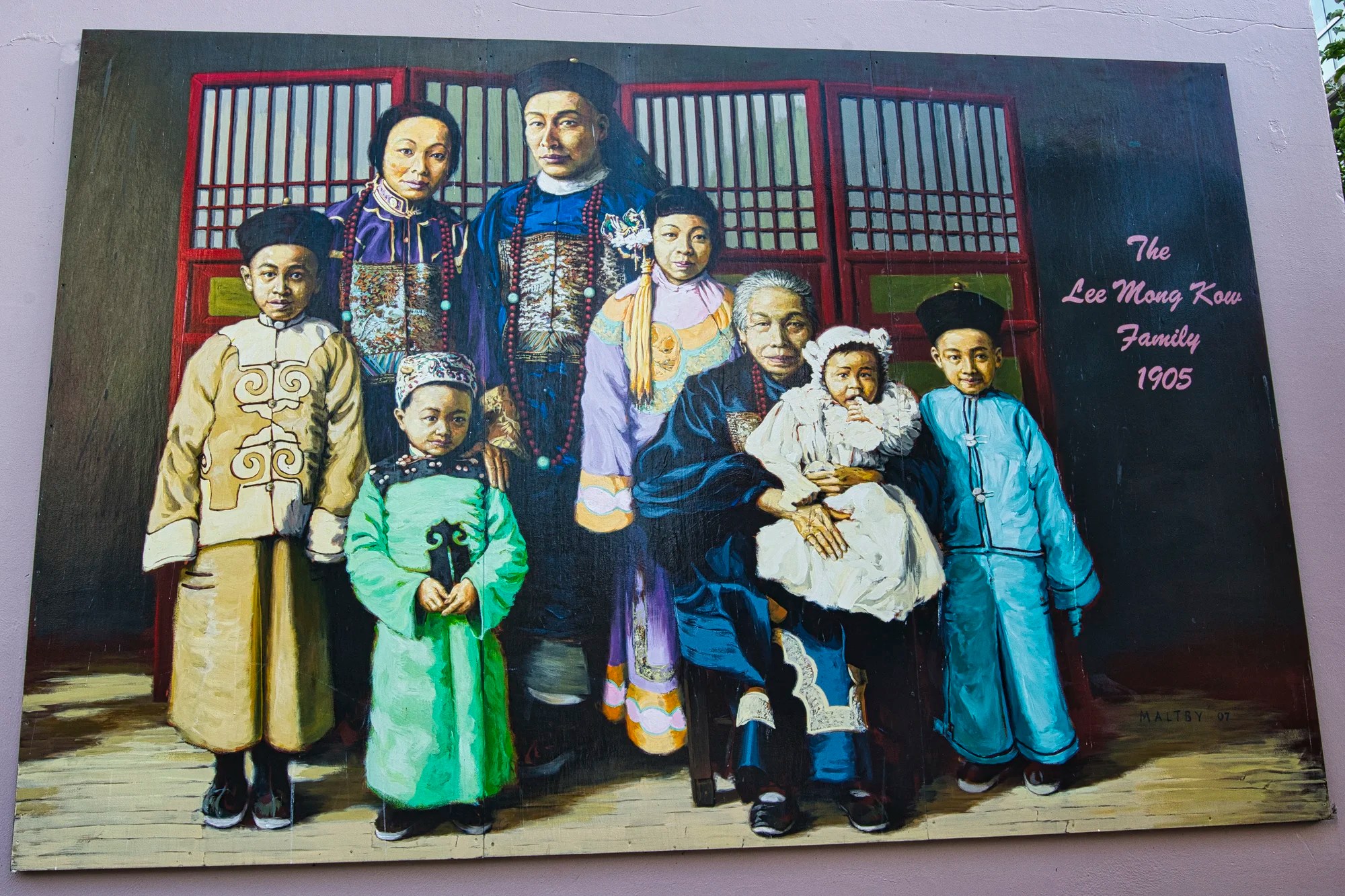
Another nearby Maltby mural is a portrait of the family of Lee Mong Kow, who became the first principal of the Chinese-language school above.
Eating Out in Victoria
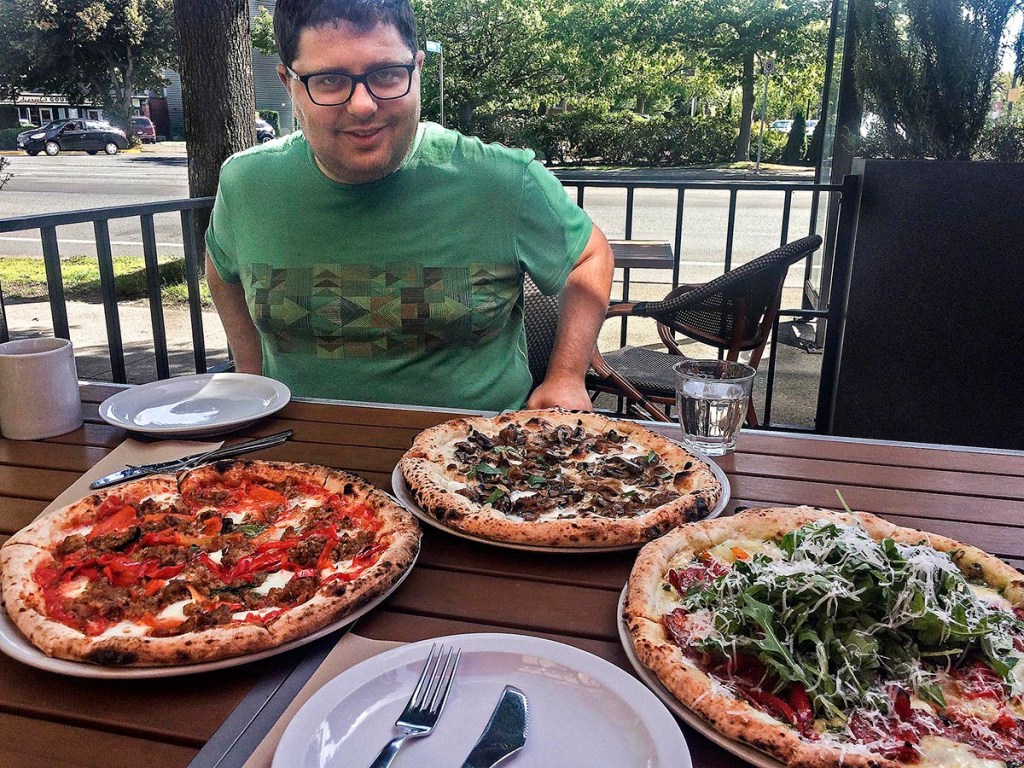
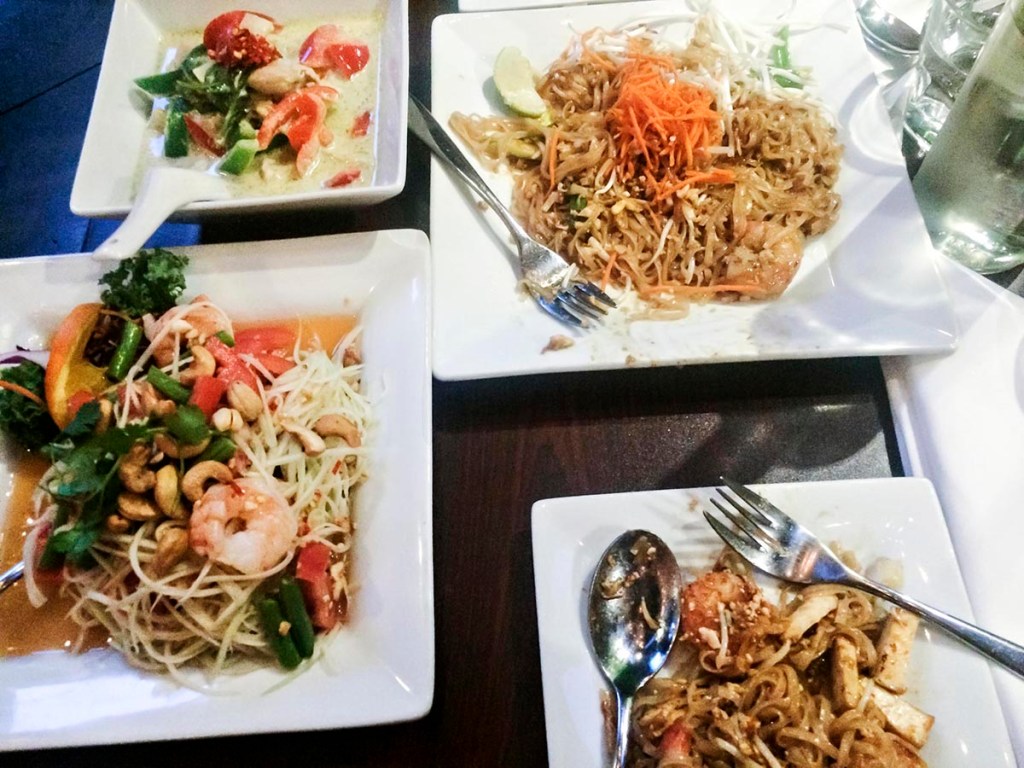
Today, 13% of Victoria’s population is Asian. Needless to say, one can get surprisingly good ethnic food in Victoria – everything from Italian pizza to Thai green curry.
Abkhazi Garden
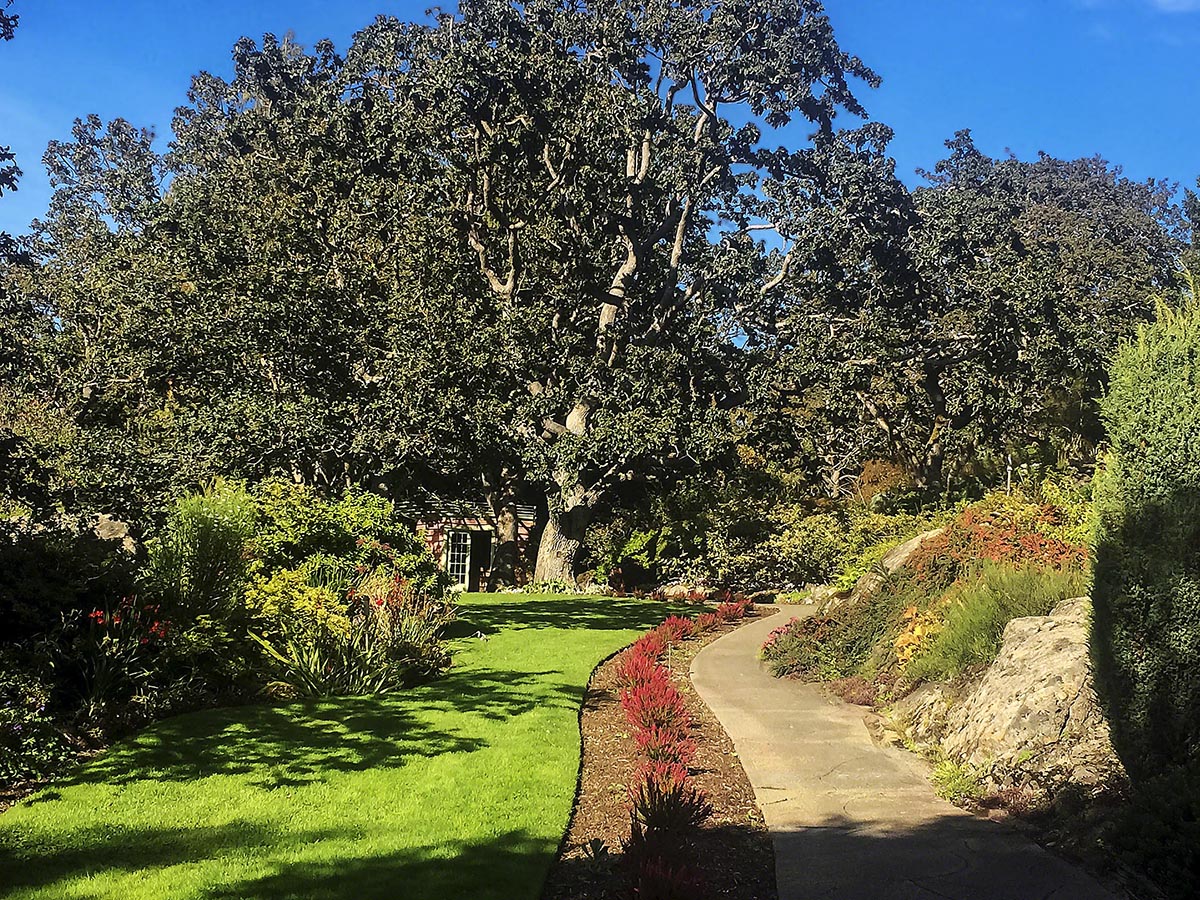
Abkhazi Garden is another hidden gem you should see. Nicholas Abkhazi was a Georgian Prince whose family fled the Russian Revolution. In Paris, he met Peggy Carter, an American born in Shanghai. During World War II, the Prince was sent to a POW camp in Germany and Peggy to an internment camp near Shanghai. After the war, Peggy settled in Victoria and Nicholas in New York. They reconnected, married and settled in Victoria in 1946.
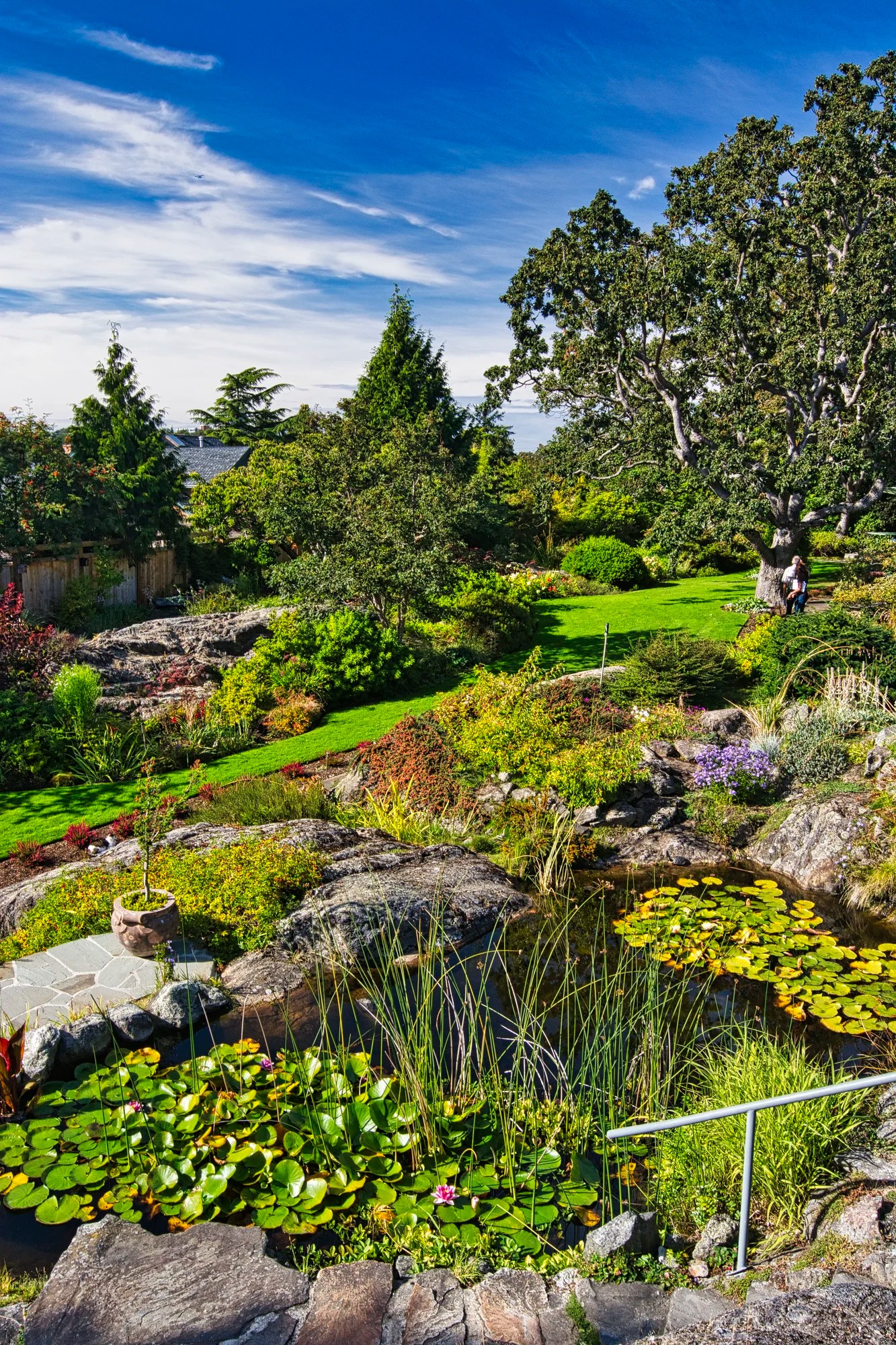
They bought a property at 1964 Fairfield Rd and began creating this hidden gem. It is a more natural environment than typical English gardens. A trail circles around rocky slopes, with varied views of the garden below and their house on top. It is now a teahouse and gift shop. This is the view from the teahouse.
There are magnificent native Garry oaks, Japanese maples and rhododendrons. Unfortunately you need to come in spring for rhododendrons but we saw them in their native habitat on Poon Hill on the Annapurna Trek in Nepal.
The Abkhazis worked together on their creation for over 40 years, referring to it as “their child”. After the Prince died, Peggy sold the garden in 1988 to her gardeners, who later sold it to developers for $1 million. The Land Conservancy (TLC) saved the land and house from the bulldozers in 2000, but it is still zoned for townhouse development.
Final Comments on this Itinerary
This is a relaxing itinerary where you can experience the magical places in Victoria.
Subscribe
Get travel tips and advice delivered directly to your inbox. The best part is that it is free.
What things fascinate you? How long is your trip? What questions do you have? If you have been to Victoria, share your experiences with us.
Itinerary Map & Resources
Google Maps Ratings
Google Maps provides a rating from 0 to 5 for all sights, hotels and restaurants (but not cities). All of our recommendations are appended with the rating (prefixed with a G) from Google Maps. As it is based on feedback from tourists and locals, it is much more reliable than travel booking websites. We consider a score of 4 to 4.39 to be Very Good; 4.4 to 5 to be Excellent.
Other Places to Add to Your Itinerary
Victoria, the capital city of BC, has the best climate. This is the city of flowers and gardens, views and volcanoes! It’s one of our favourite places. Victoria may just be the best small city to visit in all of North America.

Canada FAQ

The Exploring Canada post answers Frequently Asked Questions (FAQ) such as:
- How do you plan a trip to Canada?
- How safe is Canada?
- What is the best season for travel?
- Can I see everything in 3 or 3 weeks?
- What are the best places to see in Canada?
 Terra Encounters
Leave a reply to theitinerary1 Cancel reply